Professional Radial Riveting Machine Solutions - Advanced Industrial Joining Technology

Get a Free Quote

Our representative will contact you soon.
Email
Name
Company Name
Message
0/1000

radial riveting machine

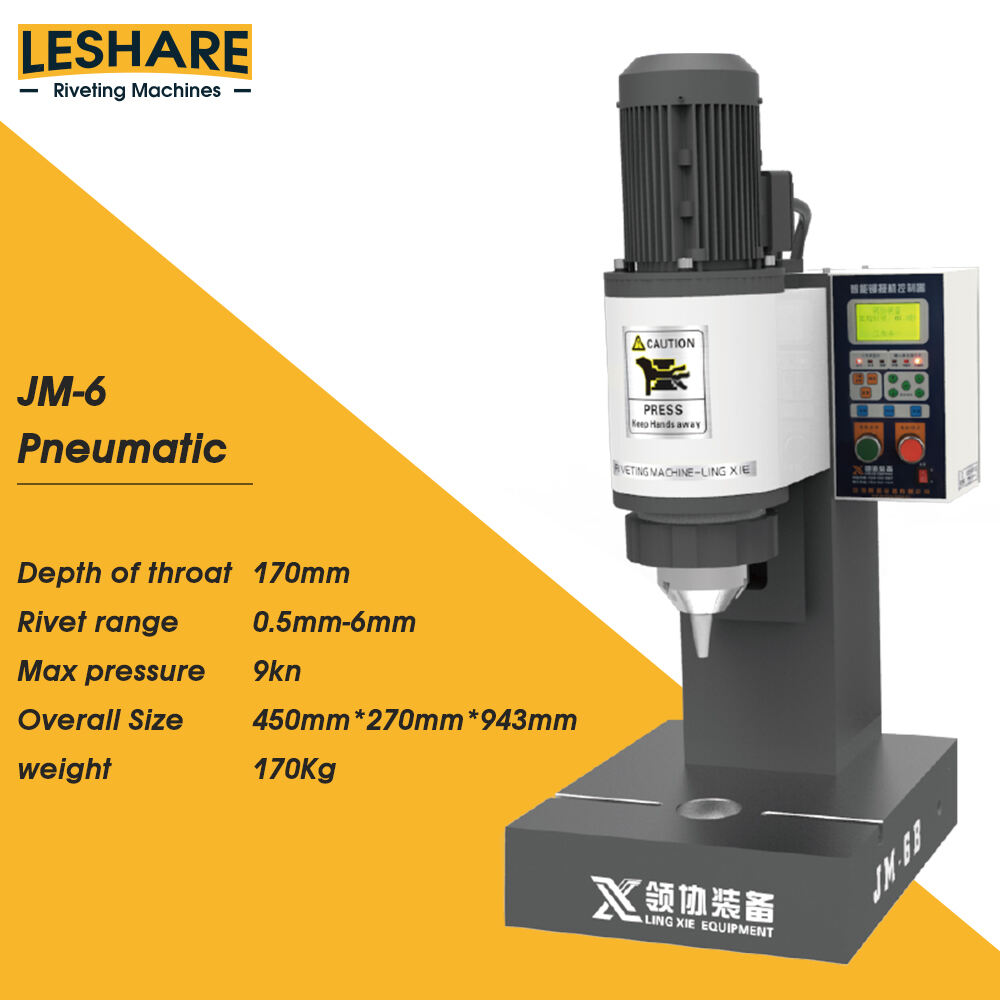
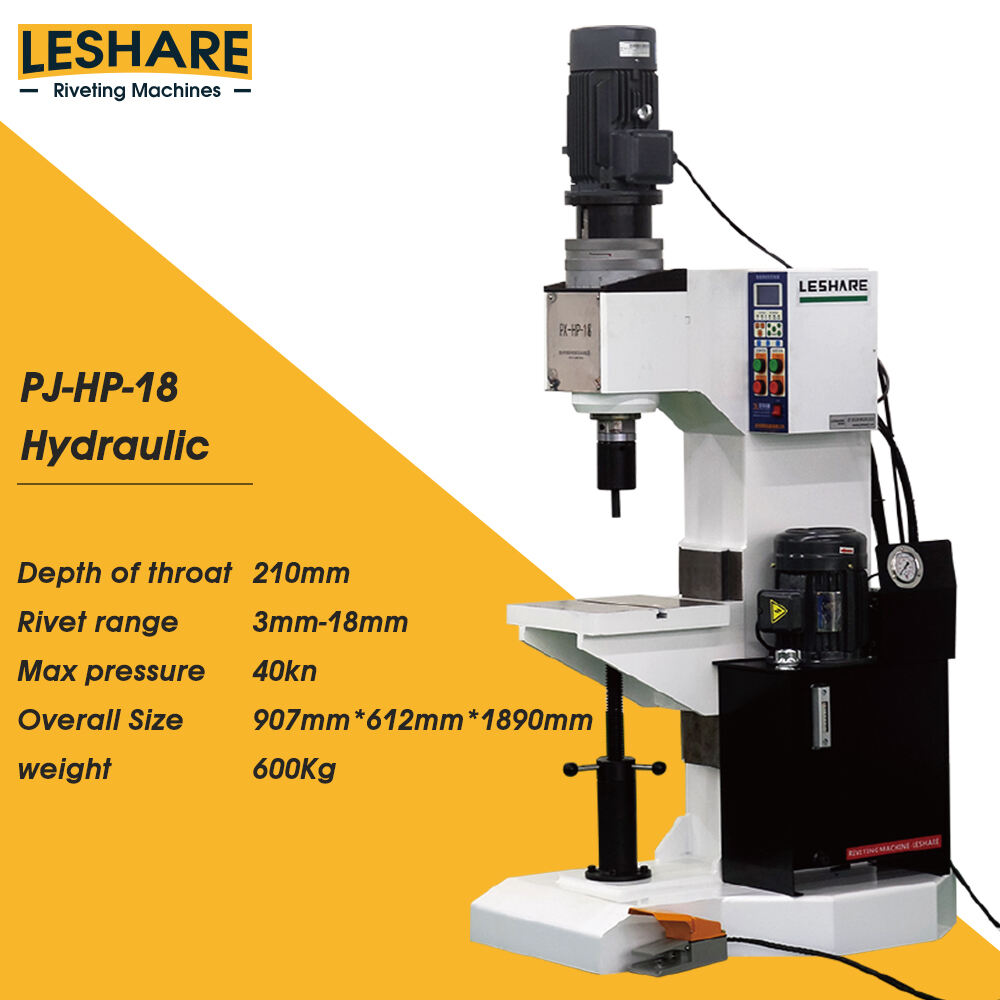
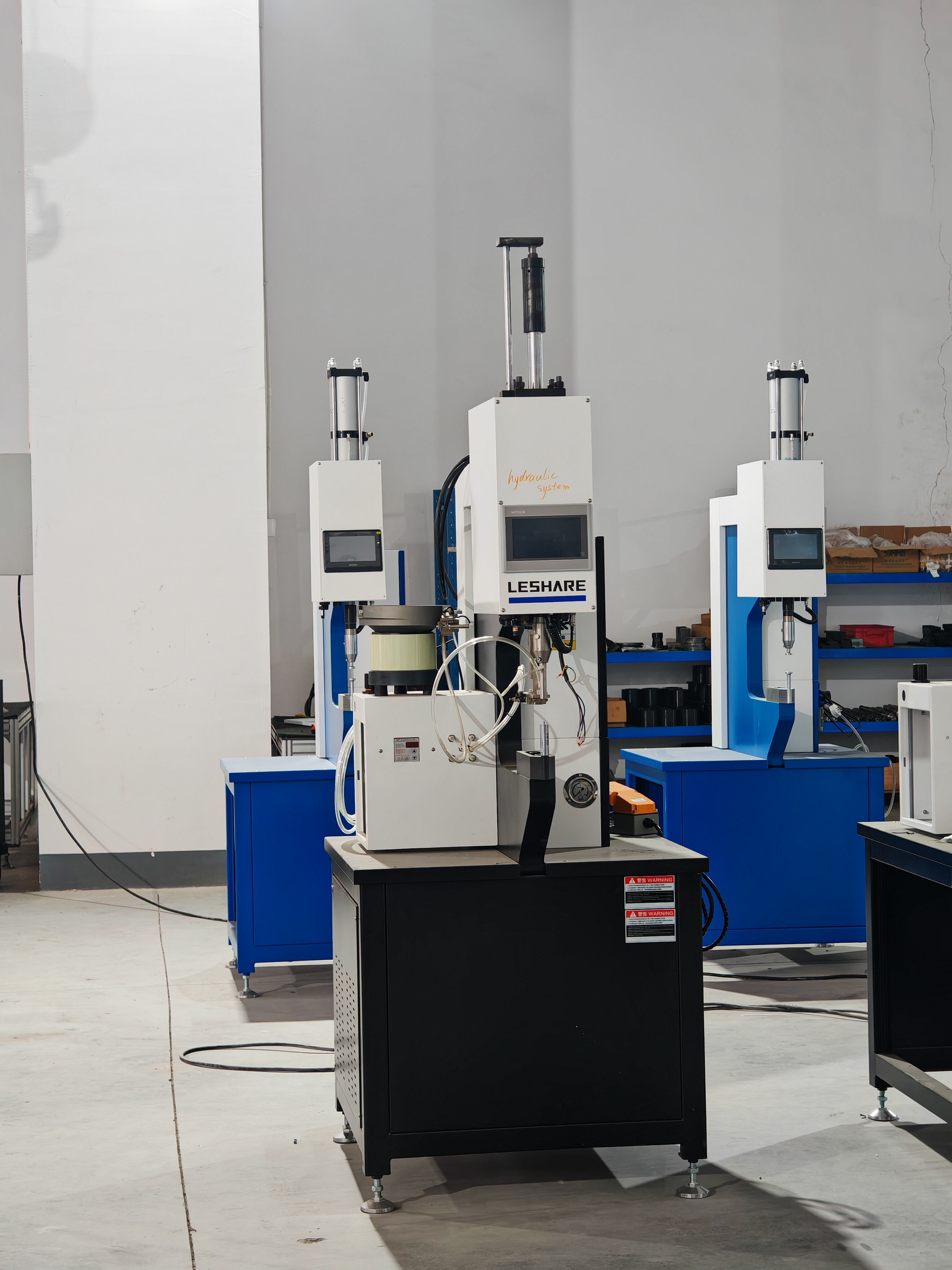
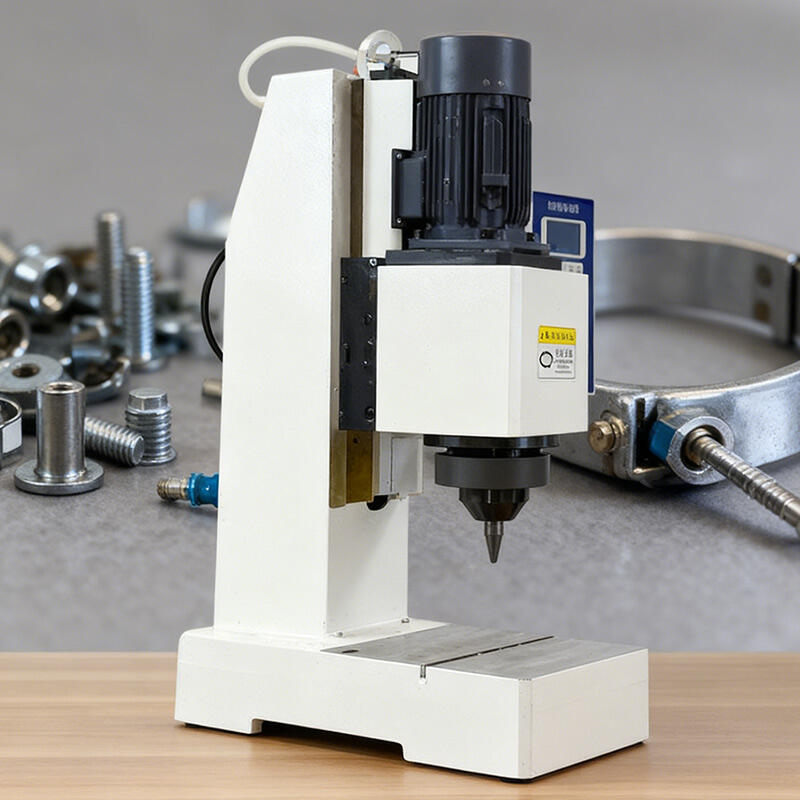
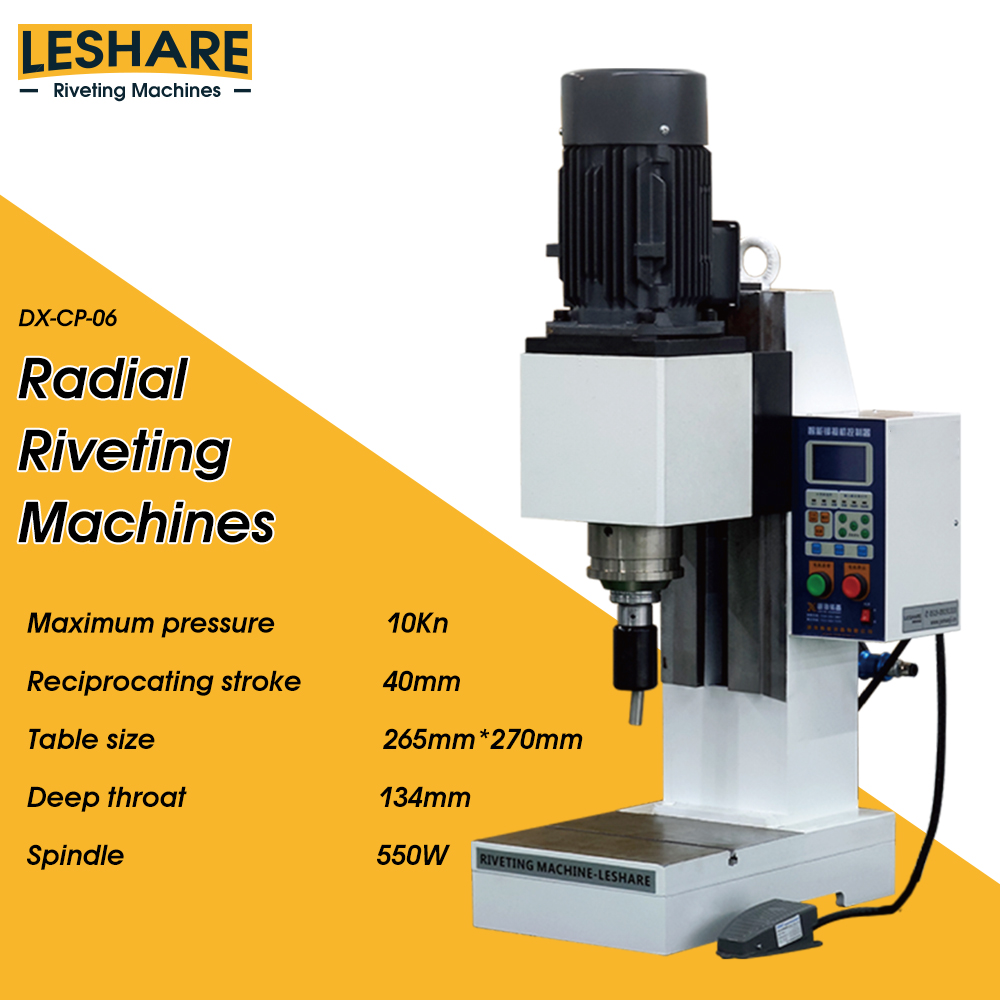
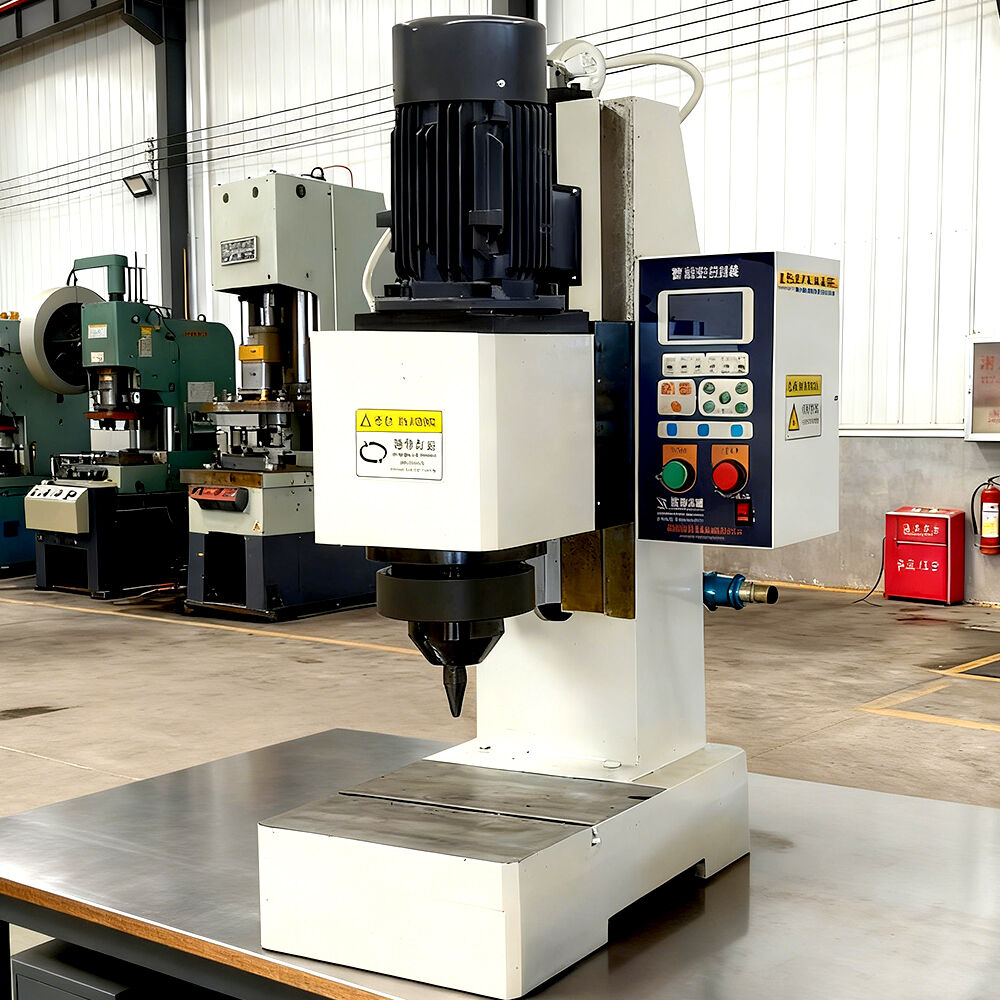
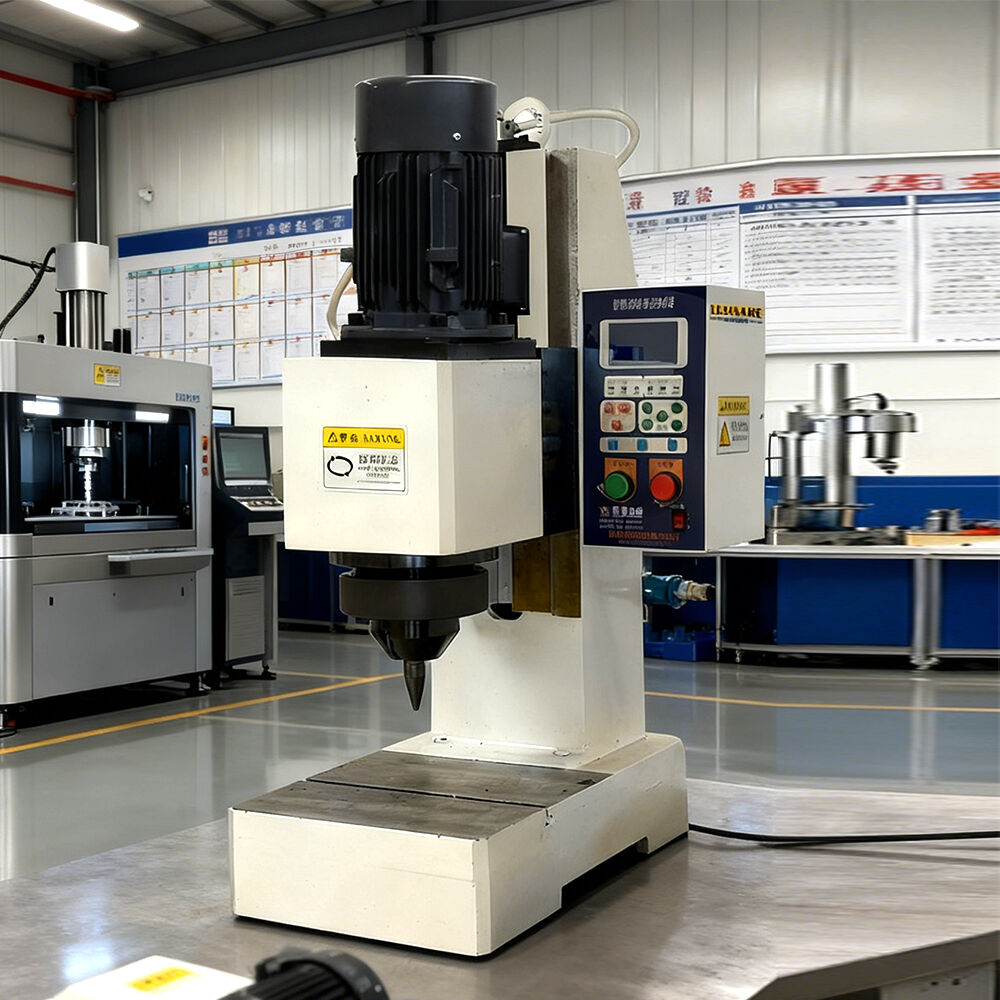
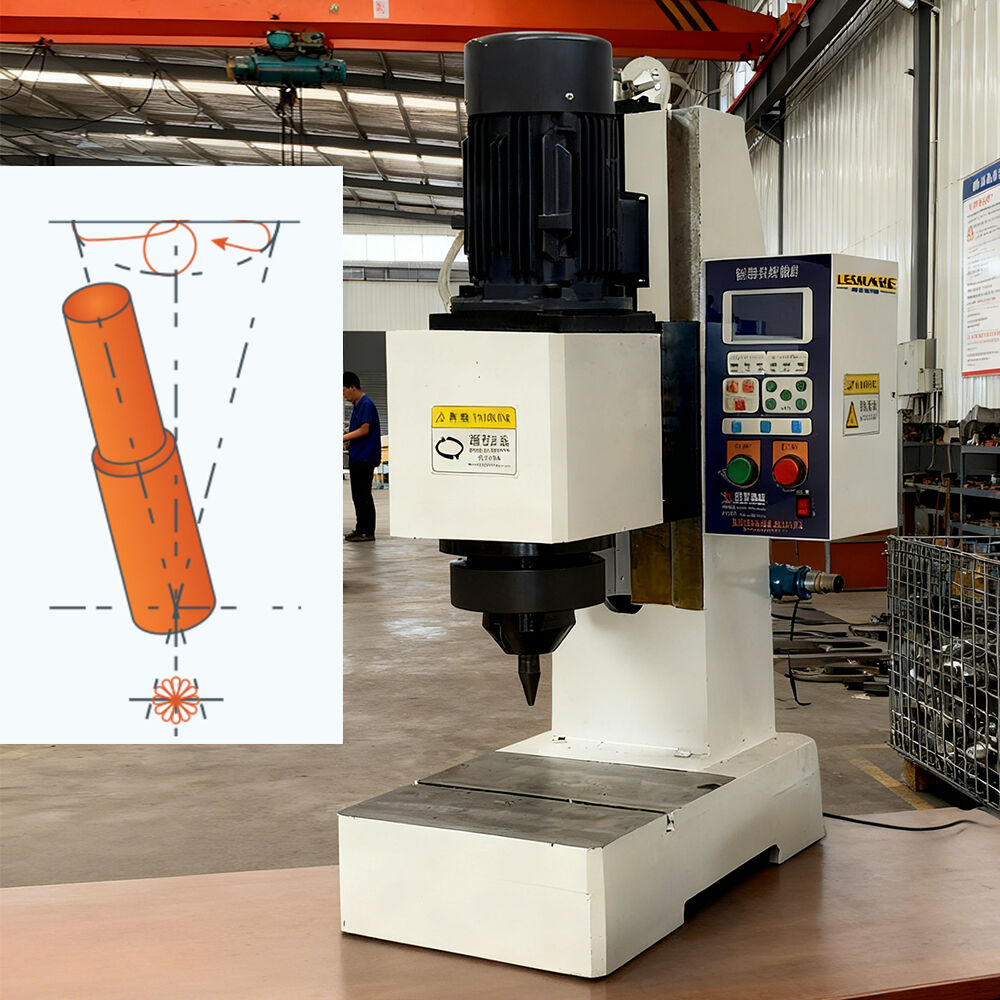
The radial riveting machine represents a sophisticated piece of industrial equipment designed to create strong, permanent joints between metal components through advanced riveting technology. This specialized machinery operates by applying controlled radial force to deform rivets, ensuring secure fastening across various materials and thicknesses. Unlike traditional riveting methods, the radial riveting machine utilizes a unique orbital motion that distributes pressure evenly around the rivet head, creating superior joint integrity and consistency. The machine's core functionality revolves around its ability to form rivet heads through precise radial compression, eliminating the need for backing dies in many applications. Modern radial riveting machines incorporate advanced servo motor technology, programmable control systems, and sophisticated force monitoring capabilities that ensure optimal performance across diverse manufacturing scenarios. The equipment features adjustable stroke lengths, variable speed controls, and customizable tooling options that accommodate different rivet sizes and materials. Key technological features include digital force measurement systems, real-time quality monitoring, and automated cycle controls that enhance productivity while maintaining strict quality standards. These machines excel in applications requiring high-strength joints, such as automotive component assembly, aerospace manufacturing, electronics production, and general industrial fabrication. The radial riveting process produces joints with exceptional shear strength and pull-out resistance, making it ideal for safety-critical applications. Integration capabilities allow seamless incorporation into automated production lines, while compact designs enable installation in space-constrained environments. The machine's versatility extends to processing various rivet materials including aluminum, steel, stainless steel, and specialized alloys, accommodating rivet diameters typically ranging from 2mm to 12mm depending on the specific model configuration.

New Products

The radial riveting machine delivers exceptional manufacturing benefits that directly translate into improved production efficiency and cost savings for businesses across multiple industries. This innovative equipment eliminates the traditional requirement for backup tooling or anvils, significantly reducing setup complexity and allowing operators to work in confined spaces where conventional riveting methods would prove impractical or impossible. The precision-controlled radial force application ensures consistent rivet formation with minimal material waste, as the process requires exact material displacement without excess deformation that could compromise joint integrity or aesthetic appearance. Quality improvements are substantial, with the radial riveting machine producing joints that demonstrate superior fatigue resistance compared to traditional hammer-formed rivets, extending product lifespan and reducing warranty claims. The automated nature of modern radial riveting machines minimizes operator skill requirements while maintaining exceptional repeatability, enabling manufacturers to achieve consistent quality standards regardless of workforce variations. Energy efficiency represents another significant advantage, as these machines consume considerably less power than pneumatic alternatives while generating minimal noise pollution, creating more comfortable working environments. The compact footprint of radial riveting machines allows installation in existing production lines without extensive facility modifications, reducing implementation costs and minimizing production disruptions during equipment upgrades. Versatility in material handling enables processing of dissimilar metals and varying thicknesses within single setups, streamlining production workflows and reducing inventory complexity. Maintenance requirements are minimal due to the machine's robust construction and fewer moving parts compared to traditional riveting equipment, resulting in higher uptime and lower total cost of ownership. The digital control systems provide comprehensive process monitoring and data logging capabilities, supporting quality assurance programs and enabling predictive maintenance scheduling. Speed advantages are notable, with cycle times significantly faster than manual riveting methods, directly improving production throughput and meeting demanding delivery schedules while maintaining superior quality standards throughout extended operation periods.

Tips And Tricks

How Does a Fastener Insertion Machine Improve Productivity in Metal Fabrication?

11

Dec

How Does a Fastener Insertion Machine Improve Productivity in Metal Fabrication?

In today's competitive metal fabrication industry, manufacturers are constantly seeking innovative solutions to enhance production efficiency while maintaining quality standards. A fastener insertion machine represents a revolutionary advancement tha...
View More
Why are radial riveting machines preferred for cold forming applications?

28

Jan

Why are radial riveting machines preferred for cold forming applications?

Radial riveting machines have revolutionized the manufacturing landscape by offering superior cold forming capabilities that traditional riveting methods simply cannot match. These sophisticated pieces of equipment utilize a unique radial motion mech...
View More
How to select a nonrotating shaft radial riveter for precision components?

28

Jan

How to select a nonrotating shaft radial riveter for precision components?

Precision manufacturing demands exceptional reliability and accuracy in every assembly process. When working with delicate electronic components, aerospace assemblies, or medical devices, selecting the right nonrotating shaft radial riveter becomes c...
View More
What Maintenance Practices Extend Insertion Machine Life?

18

Mar

What Maintenance Practices Extend Insertion Machine Life?

The longevity of an insertion machine directly impacts manufacturing efficiency and total cost of ownership in automated assembly operations. These precision instruments require systematic care to maintain their operational integrity and deliver cons...
View More

Get a Free Quote

Our representative will contact you soon.
Email
Name
Company Name
Message
0/1000

radial riveting machine

Advanced Force Control Technology

Advanced Force Control Technology

The radial riveting machine incorporates state-of-the-art force control technology that revolutionizes traditional joining processes through precise, programmable pressure application systems. This sophisticated technology employs servo-driven mechanisms combined with advanced load cells and digital feedback systems to monitor and adjust riveting force in real-time, ensuring optimal joint formation across varying material combinations and thicknesses. The force control system operates through multiple sensors that continuously measure applied pressure, rivet deformation, and material response throughout the entire riveting cycle, automatically compensating for variations in material properties or rivet specifications. This technological advancement eliminates guesswork from the riveting process, replacing operator intuition with scientific precision that delivers consistent results regardless of external factors. The programmable nature of the force control system allows operators to store multiple riveting profiles for different applications, enabling rapid changeovers between product lines without compromising quality or requiring extensive recalibration procedures. Real-time force monitoring prevents over-forming or under-forming of rivets, two common issues that can compromise joint integrity or create aesthetic defects in finished products. The system's ability to detect and compensate for material variations ensures reliable performance even when working with recycled materials or components with slight dimensional inconsistencies. Quality documentation becomes effortless as the force control system automatically records riveting parameters for each joint, creating comprehensive traceability records that support quality management systems and regulatory compliance requirements. The technology also enables predictive quality control by identifying trends in force requirements that may indicate tool wear or material quality changes before defects occur in production. Energy efficiency benefits result from the precise force application, as the system applies only the necessary pressure to achieve proper joint formation, reducing power consumption and extending equipment lifespan while maintaining superior performance standards throughout extended operational periods.
Exceptional Joint Strength and Reliability

Exceptional Joint Strength and Reliability

The radial riveting machine produces joints with exceptional mechanical properties that significantly exceed the performance characteristics of traditional riveting methods, delivering superior shear strength, tensile resistance, and fatigue life that meet the most demanding engineering specifications. The unique radial forming process creates a more uniform stress distribution around the rivet head compared to conventional impact forming, resulting in joints that can withstand higher loads and resist failure under cyclic loading conditions. This enhanced joint strength stems from the controlled deformation process that maintains optimal material flow patterns, preserving the rivet's metallurgical properties while creating a mechanically superior connection. The gradual forming process eliminates the shock loading associated with impact riveting, preventing micro-cracks and stress concentrations that could serve as failure initiation points during service life. Testing demonstrates that radial riveted joints consistently achieve higher pull-out forces and improved fatigue resistance, making them ideal for safety-critical applications in aerospace, automotive, and structural engineering sectors. The forming process creates a more complete material fill in the rivet hole, reducing void spaces that could compromise joint integrity or allow moisture penetration in corrosive environments. Quality consistency represents another crucial advantage, as the controlled forming process eliminates the variability associated with hammer forming or pneumatic riveting, ensuring that every joint meets specified strength requirements regardless of operator technique or environmental conditions. The radial riveting process accommodates a wider range of material combinations, including dissimilar metals that might prove challenging with traditional methods, expanding design possibilities while maintaining joint reliability. Long-term performance studies indicate that radial riveted joints maintain their strength characteristics over extended service periods, reducing maintenance requirements and extending product lifecycles. The superior joint quality translates directly into reduced warranty claims, improved customer satisfaction, and enhanced product reputation in competitive markets where reliability and durability serve as key differentiating factors for business success.
Versatile Production Integration Capabilities

Versatile Production Integration Capabilities

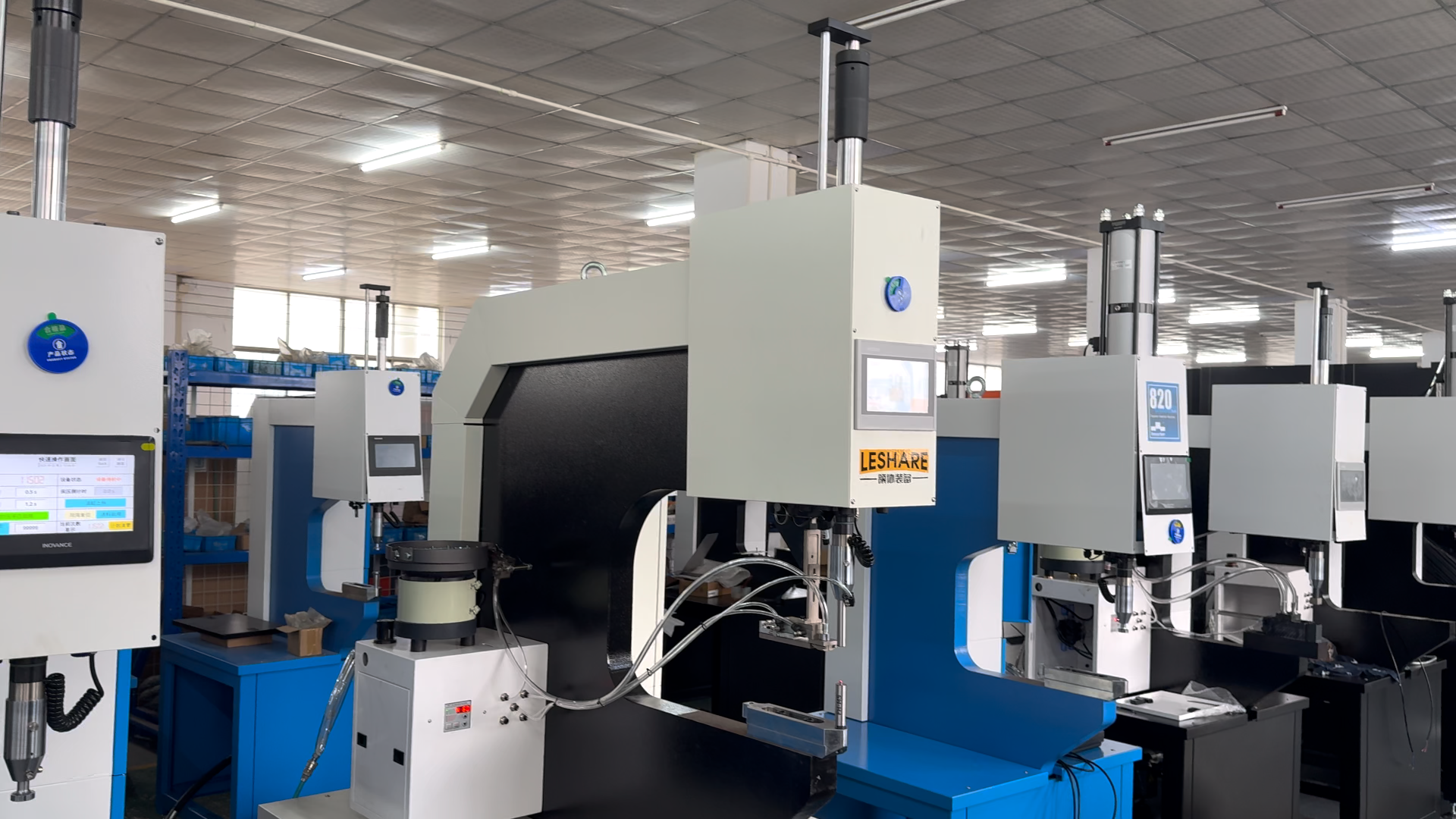
The radial riveting machine excels in production integration scenarios, offering unprecedented flexibility and adaptability that enables seamless incorporation into diverse manufacturing environments ranging from high-volume automated assembly lines to specialized custom fabrication operations. This versatility stems from the machine's modular design philosophy, which allows extensive customization of tooling configurations, control interfaces, and physical dimensions to match specific production requirements and spatial constraints. Integration capabilities extend beyond simple mechanical compatibility, encompassing sophisticated communication protocols that enable real-time data exchange with manufacturing execution systems, quality management platforms, and predictive maintenance networks. The machine's compact footprint and flexible mounting options facilitate installation in existing production lines without requiring extensive facility modifications or workflow disruptions, minimizing implementation costs and accelerating return on investment timelines. Automated material handling integration supports continuous production scenarios, with optional feeding systems, part positioning mechanisms, and finished goods removal systems that eliminate manual intervention while maintaining precise quality standards. The programmable control system accommodates rapid changeovers between different product configurations, storing multiple riveting profiles that can be recalled instantly when production schedules require frequent product mix changes. Robotic integration capabilities enable fully automated operation in lights-out manufacturing environments, with standardized interfaces that support leading industrial robot brands and motion control systems. Quality integration features include statistical process control compatibility, automatic defect detection systems, and comprehensive data logging that supports lean manufacturing initiatives and continuous improvement programs. The machine's ability to process varying material thicknesses and rivet sizes within single setups reduces the need for multiple specialized machines, simplifying production planning and inventory management while improving overall equipment effectiveness. Maintenance integration includes predictive monitoring systems that communicate with facility management platforms, enabling proactive service scheduling that minimizes unexpected downtime and optimizes production availability throughout extended operational periods in demanding manufacturing environments.

Get a Free Quote

Our representative will contact you soon.
Email
Name
Company Name
Message
0/1000