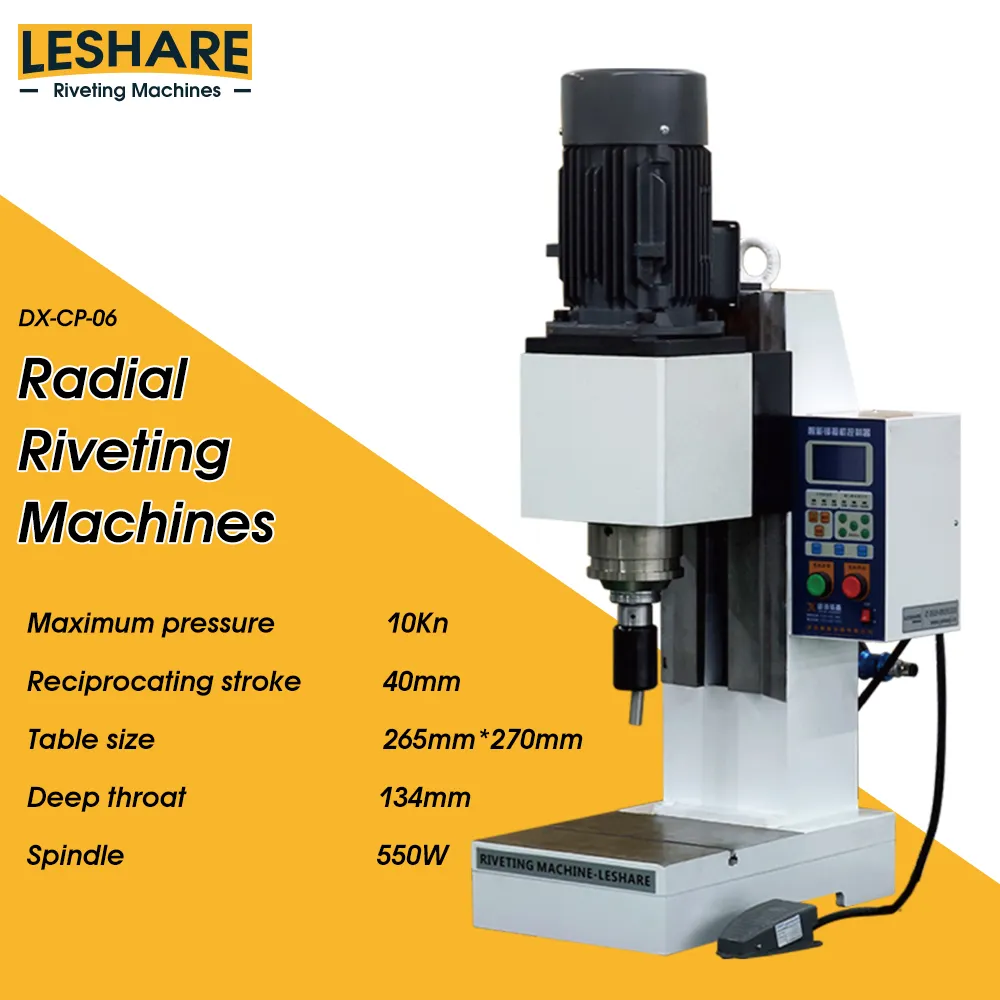
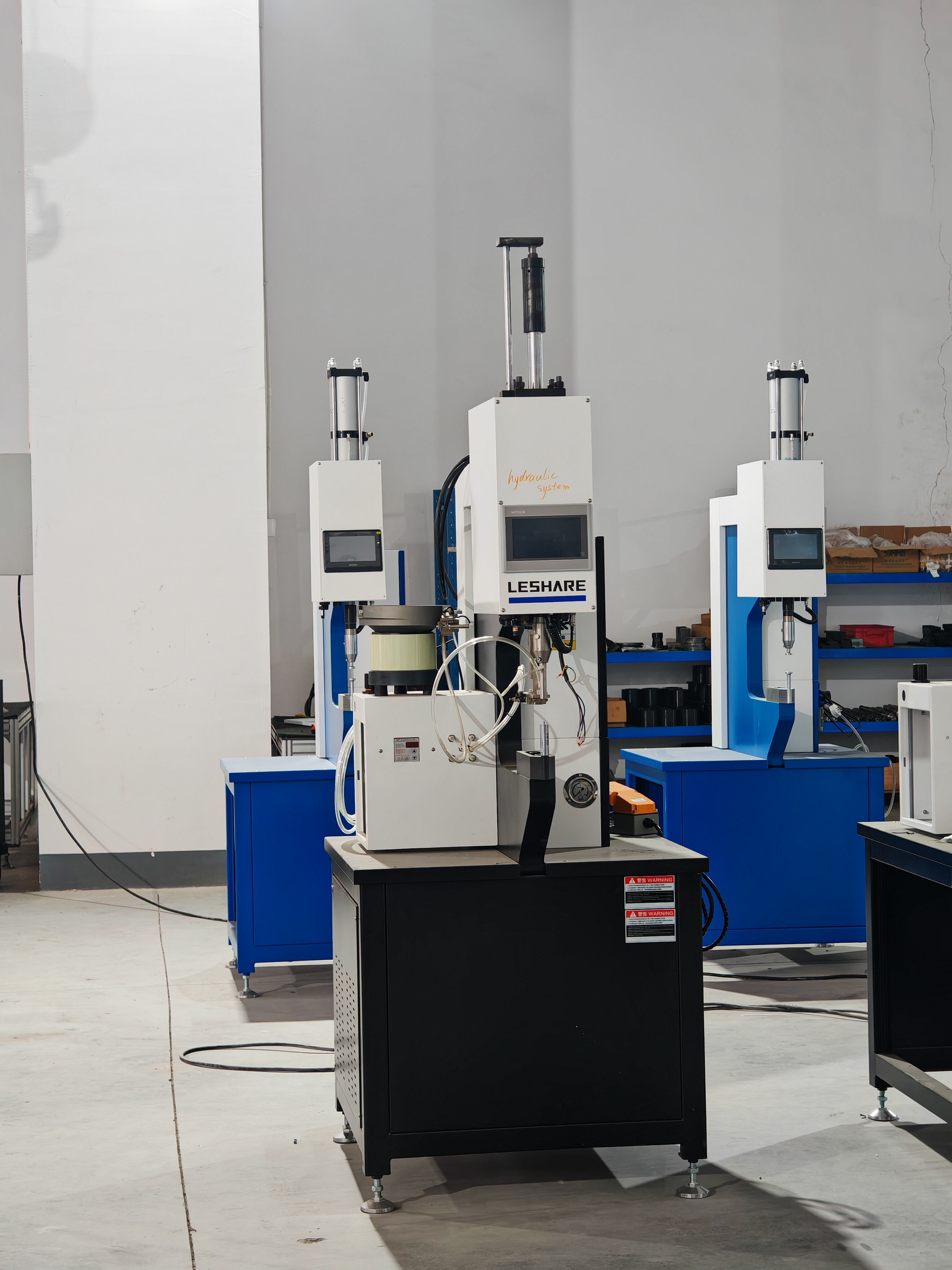
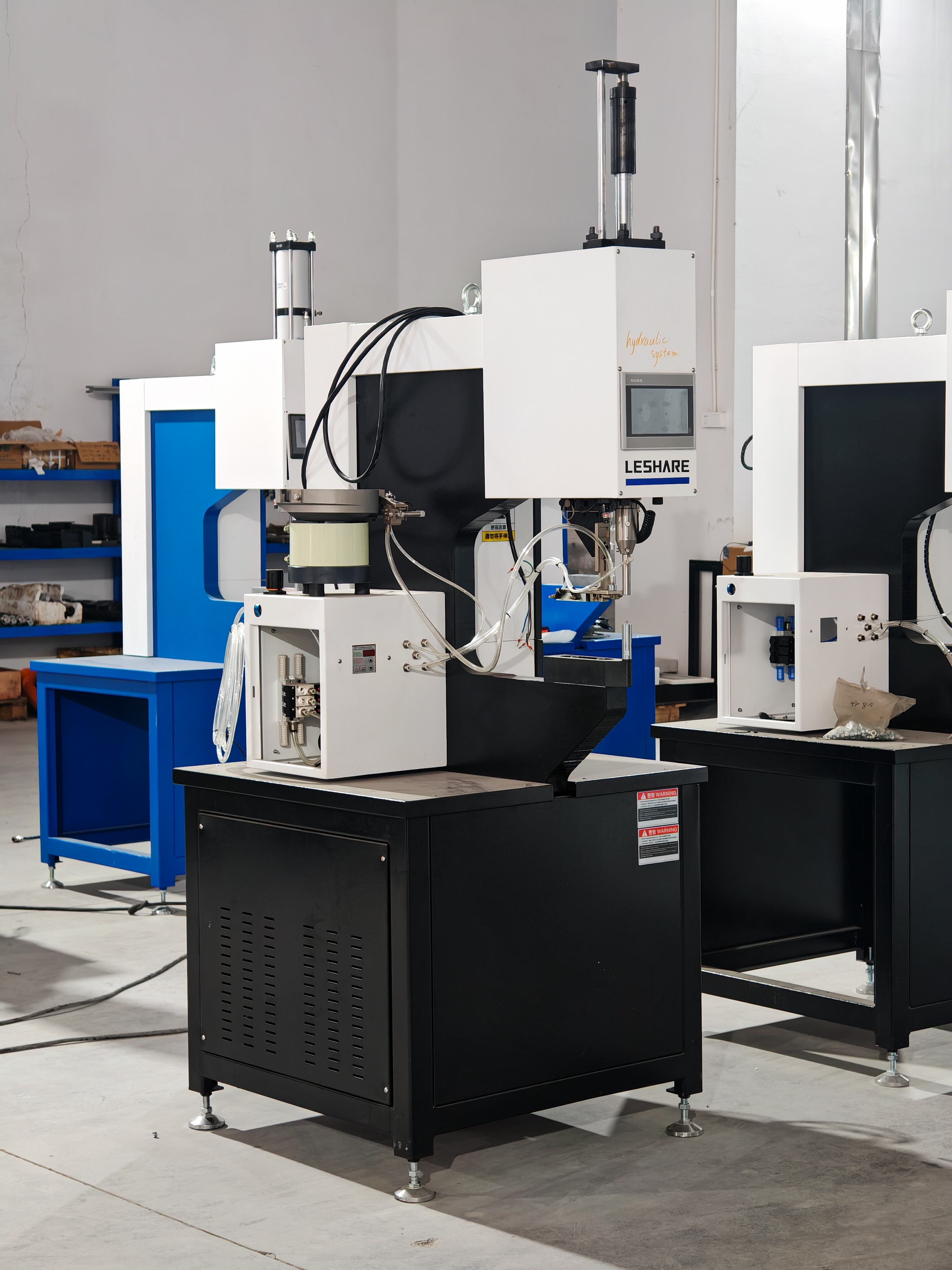
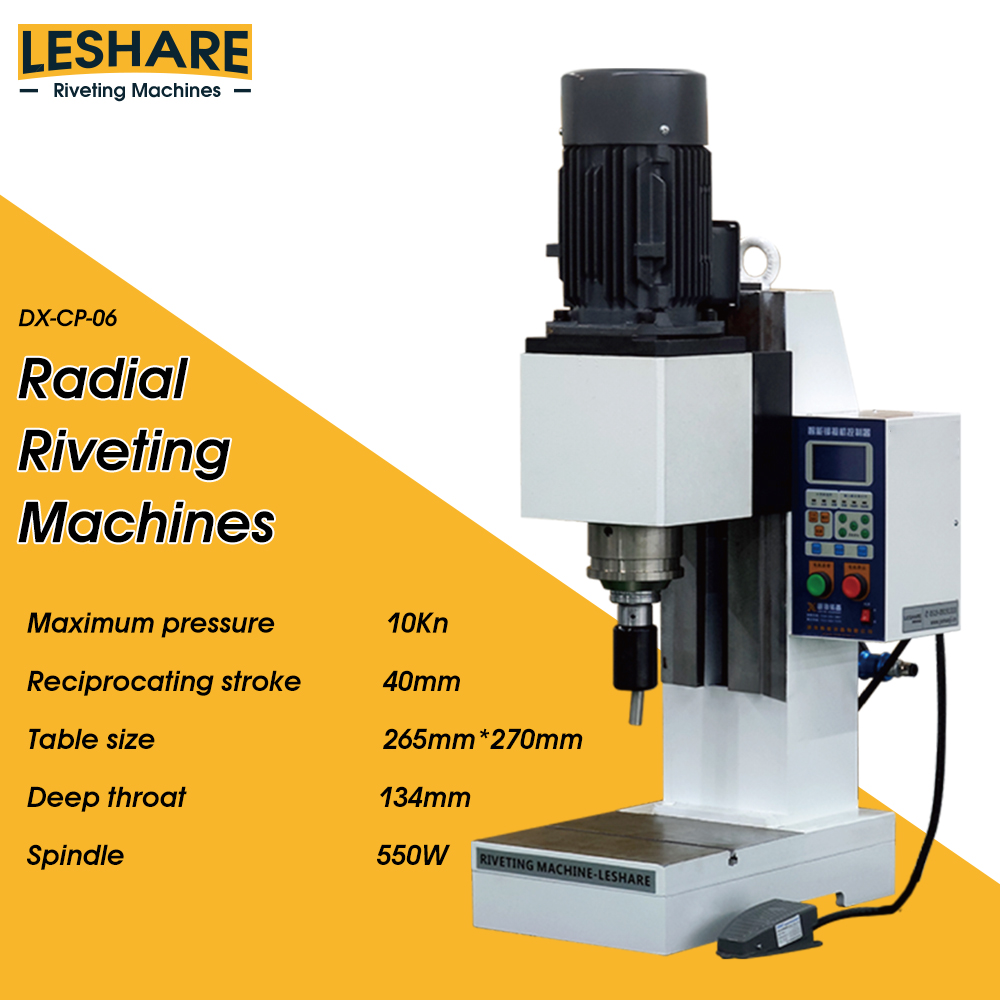
hydraulic riveting machine
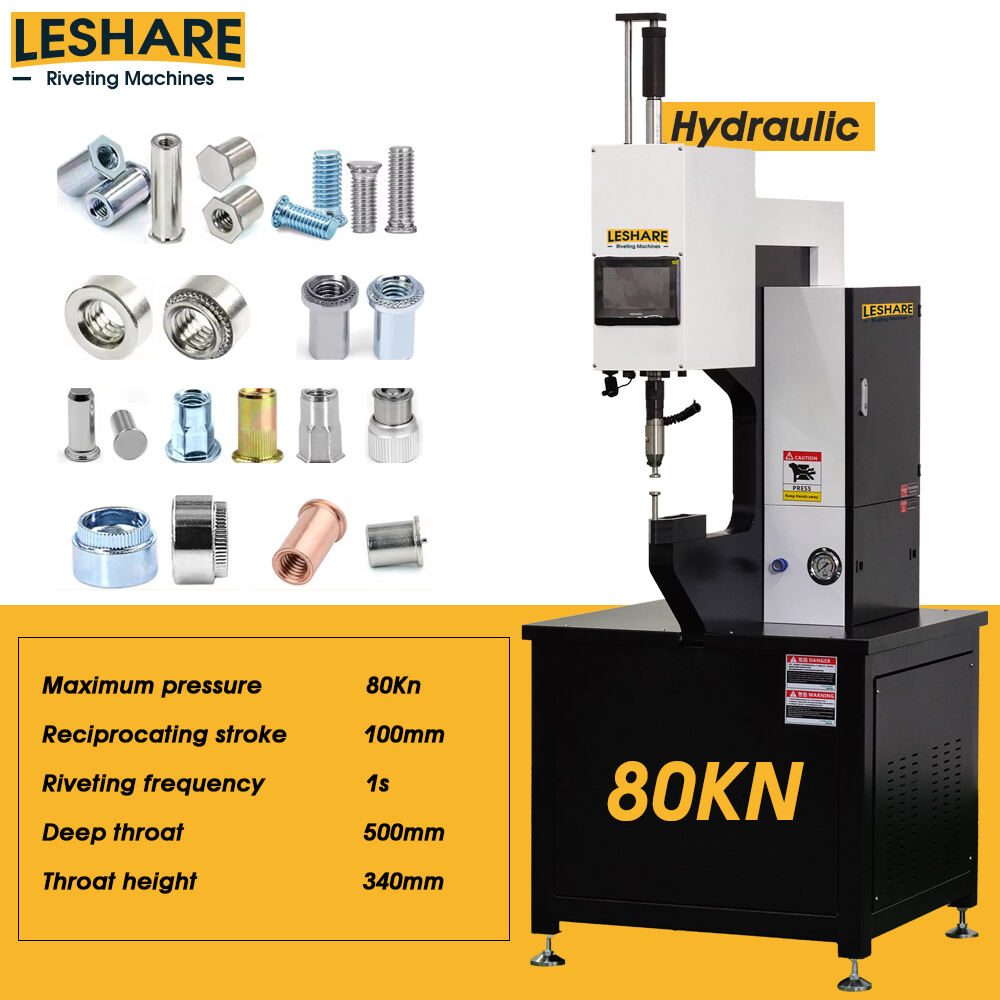
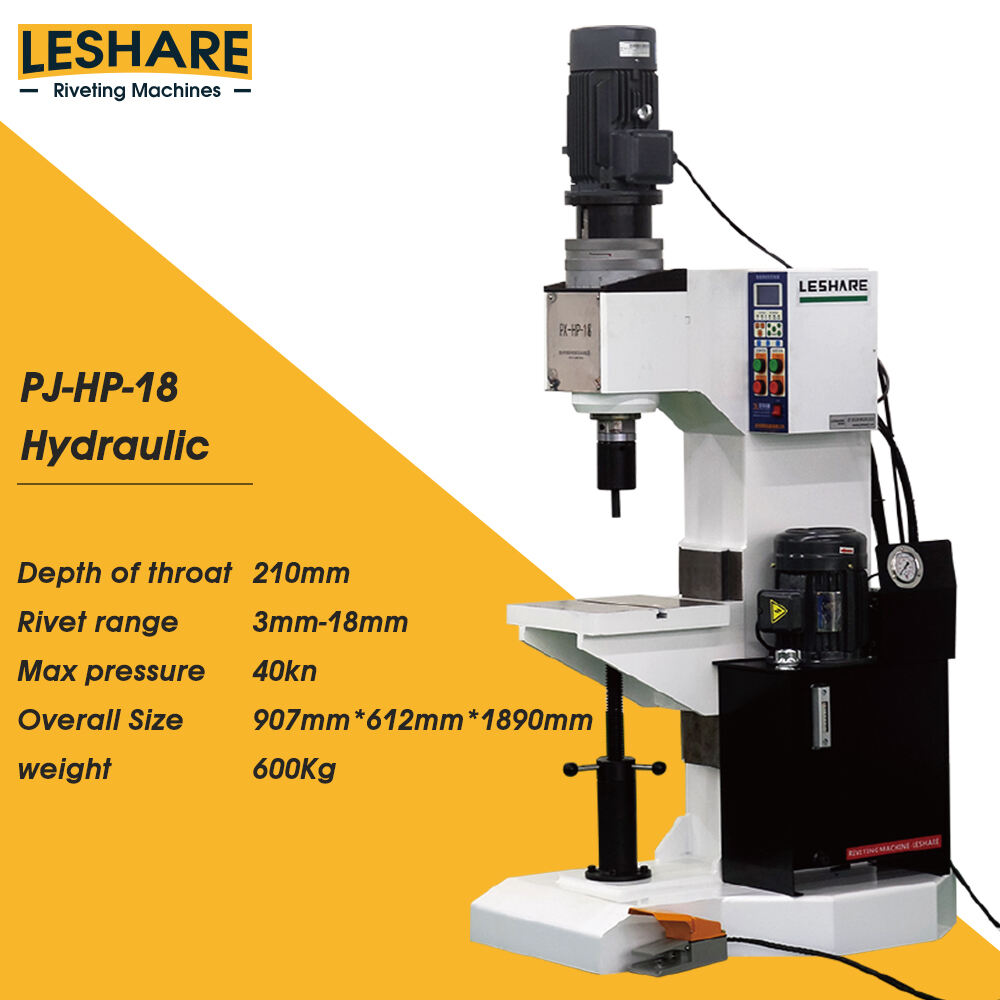
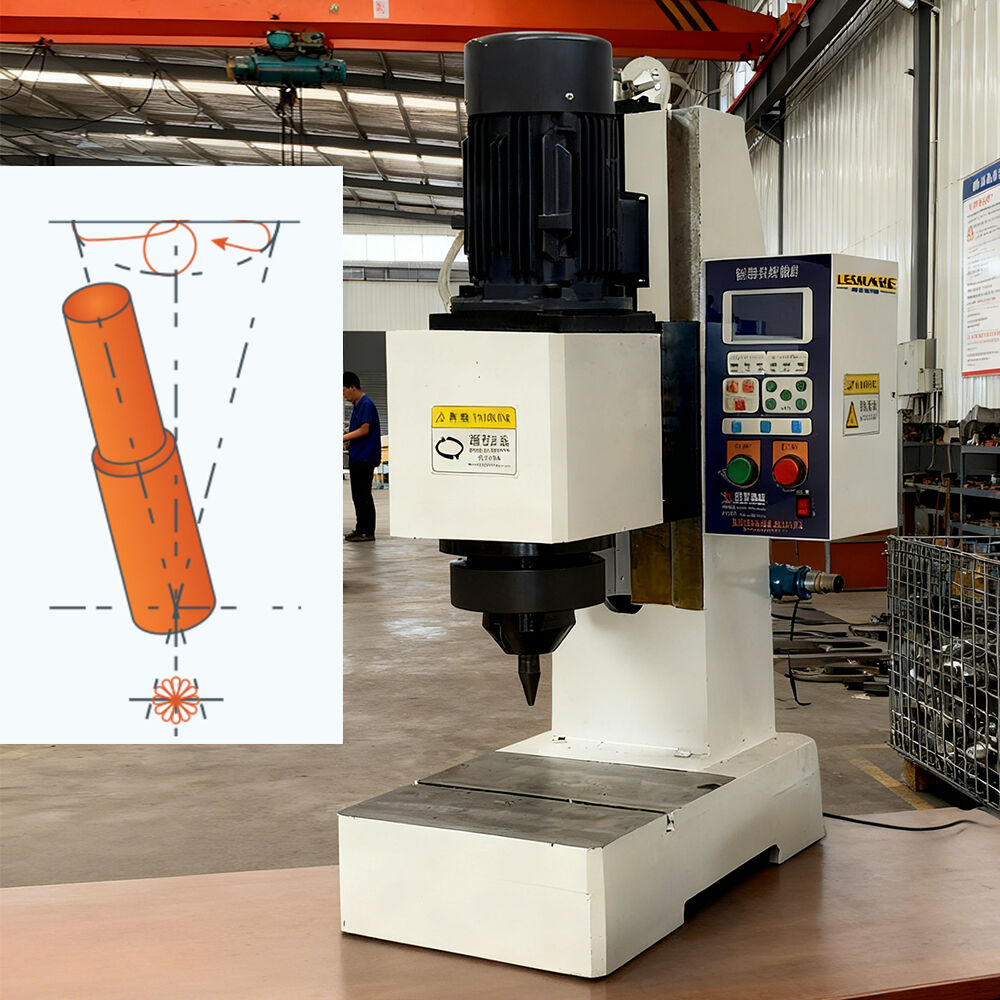
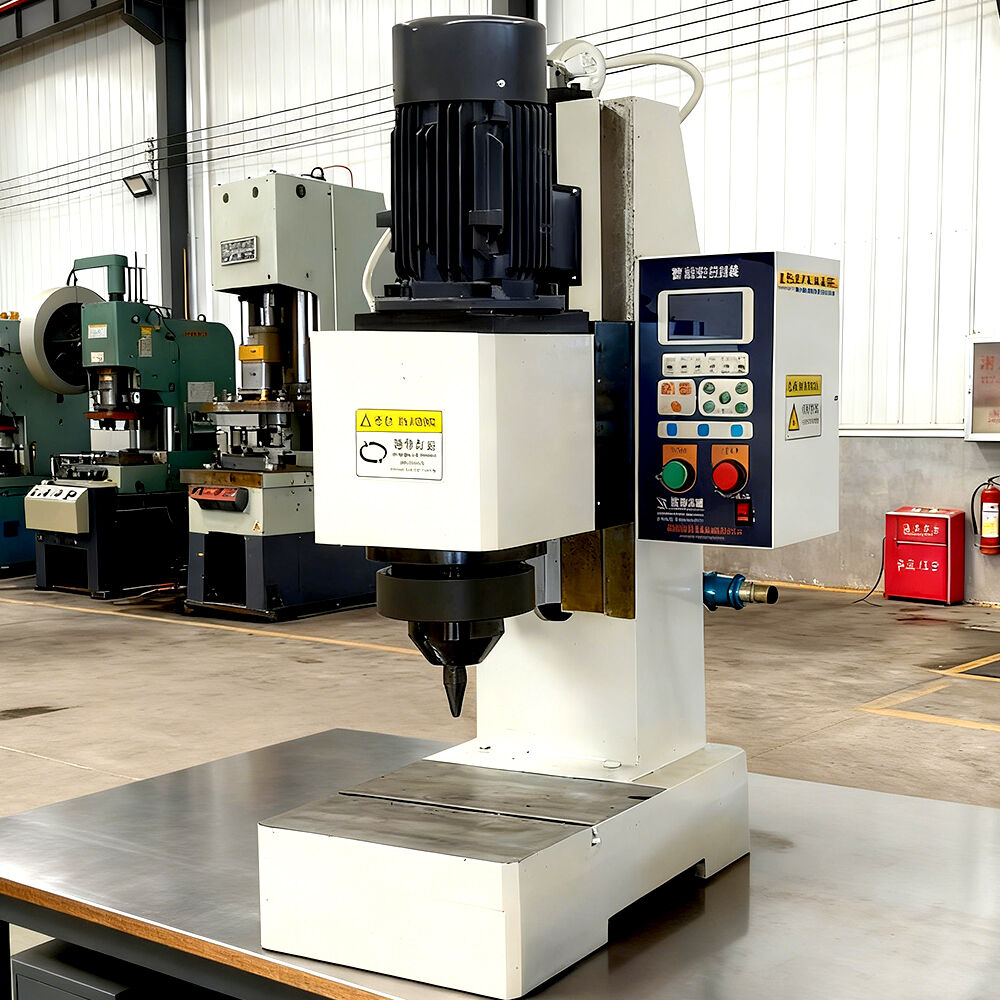
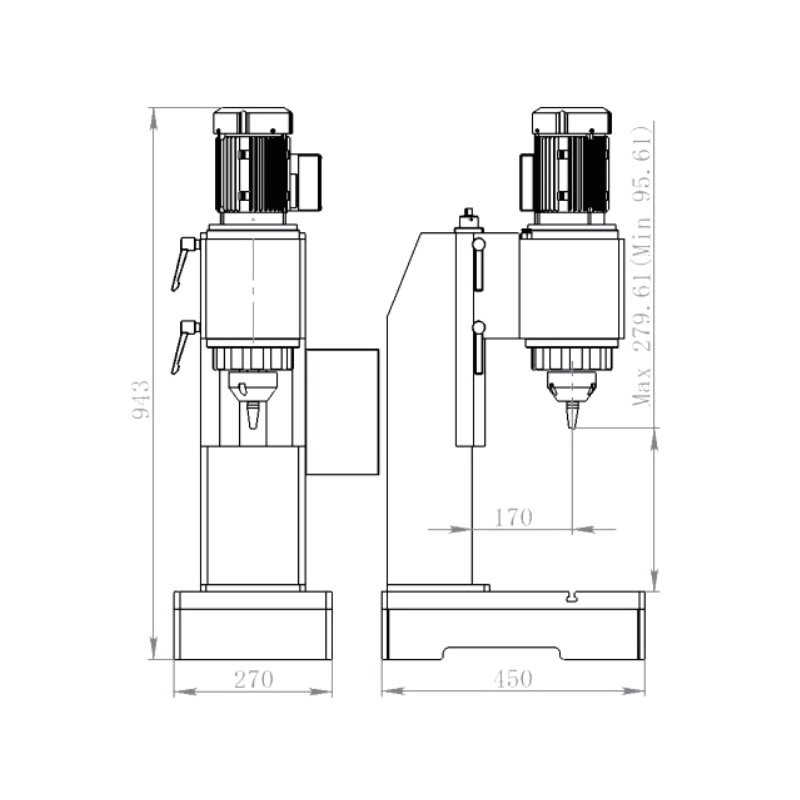
A hydraulic riveting machine represents a sophisticated industrial fastening solution that utilizes hydraulic pressure to create permanent joints between materials. This powerful equipment operates by applying controlled force through hydraulic cylinders to deform rivets, securing multiple layers of material together with exceptional strength and reliability. The hydraulic riveting machine features a robust construction designed to handle demanding manufacturing environments while delivering consistent, high-quality results across various applications. The core functionality centers around a hydraulic system that generates substantial force, typically ranging from several tons to hundreds of tons of pressure, enabling the machine to process different rivet sizes and material thicknesses efficiently. Modern hydraulic riveting machines incorporate advanced control systems that allow operators to precisely adjust pressure settings, stroke length, and cycle timing to match specific application requirements. These machines feature ergonomic designs with user-friendly interfaces, safety mechanisms, and automated functions that enhance productivity while minimizing operator fatigue. The technological architecture includes high-performance hydraulic pumps, precision-engineered cylinders, and sophisticated pressure regulation systems that ensure optimal performance consistency. Many models offer programmable settings, allowing manufacturers to store multiple riveting profiles for different products and quickly switch between configurations. The hydraulic riveting machine excels in applications requiring superior joint strength, including aerospace manufacturing, automotive assembly, construction equipment production, and heavy machinery fabrication. These machines effectively process various materials such as steel, aluminum, stainless steel, and composite materials, making them versatile solutions for diverse industrial sectors. The equipment's ability to create leak-proof, vibration-resistant joints makes it particularly valuable in critical applications where joint integrity directly impacts product performance and safety standards.
 EN
EN