Automatic Riveting System - Advanced Precision Fastening Technology for Modern Manufacturing

Get a Free Quote

Our representative will contact you soon.
Email
Name
Company Name
Message
0/1000

automatic riveting system

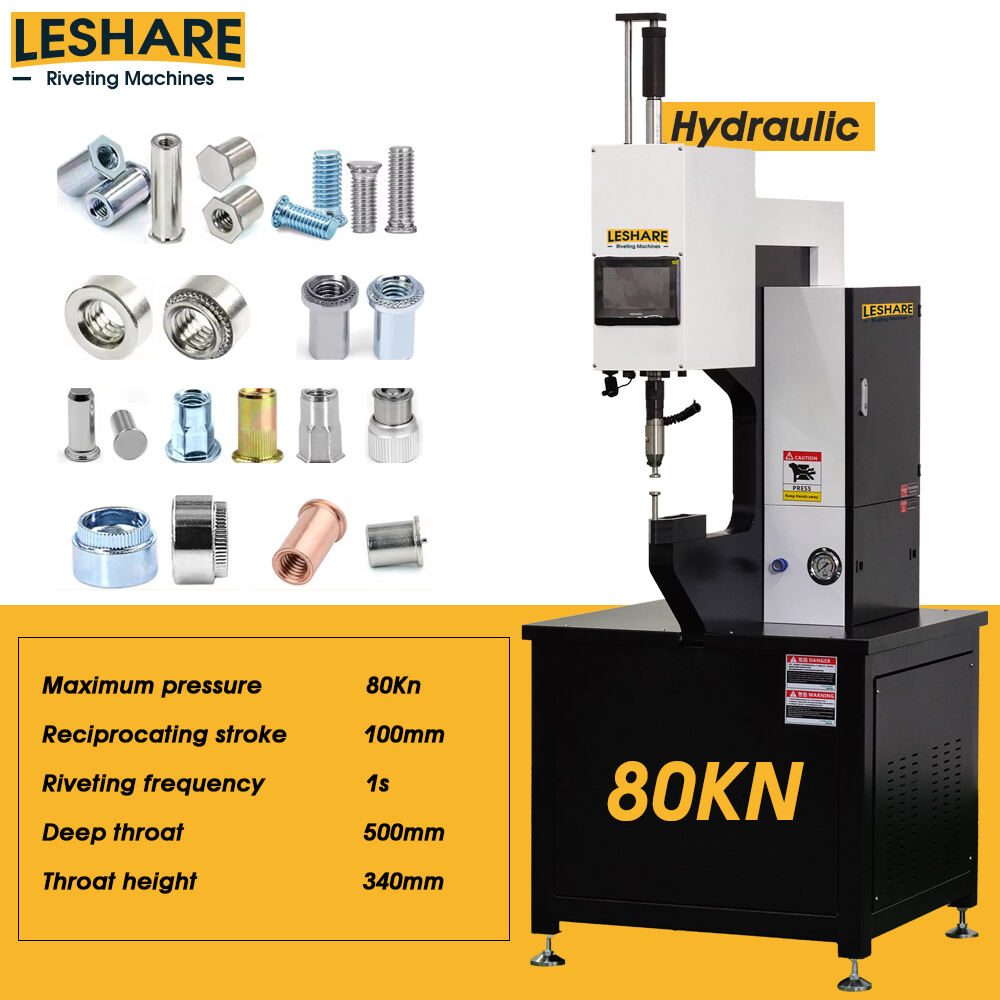
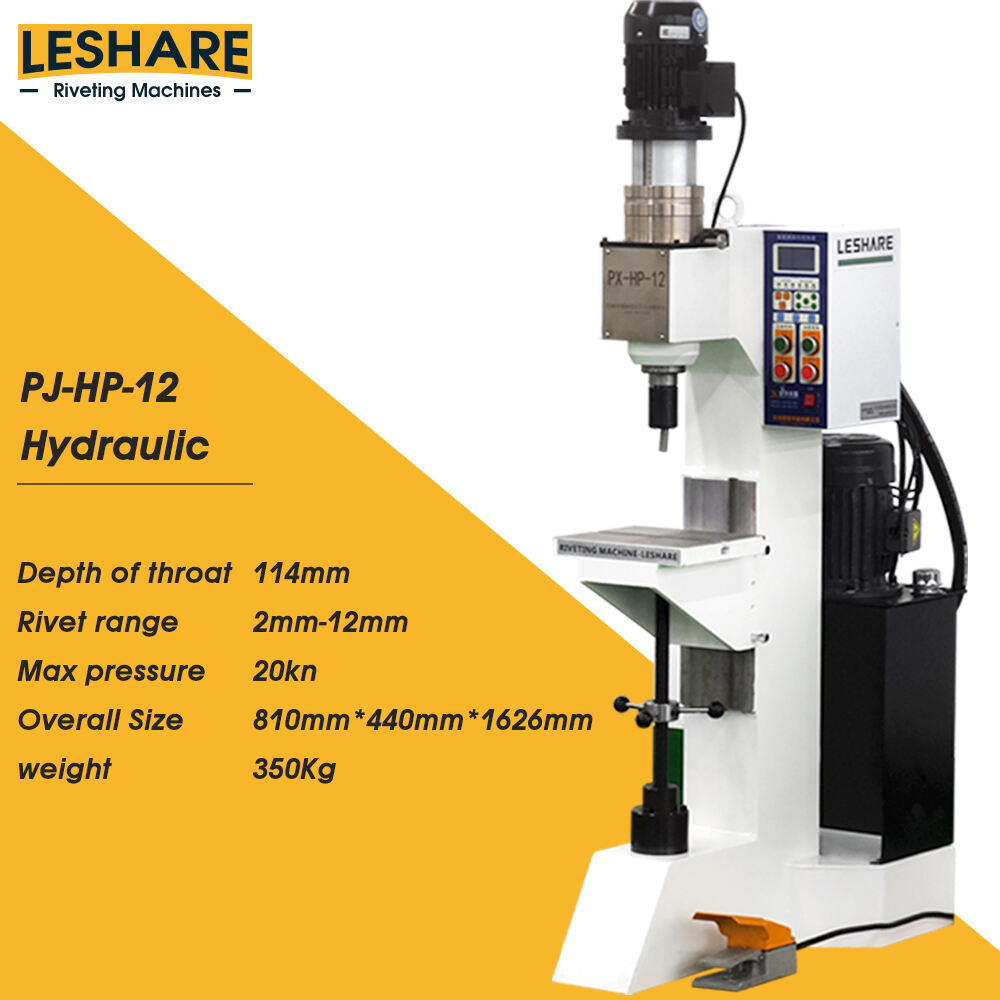
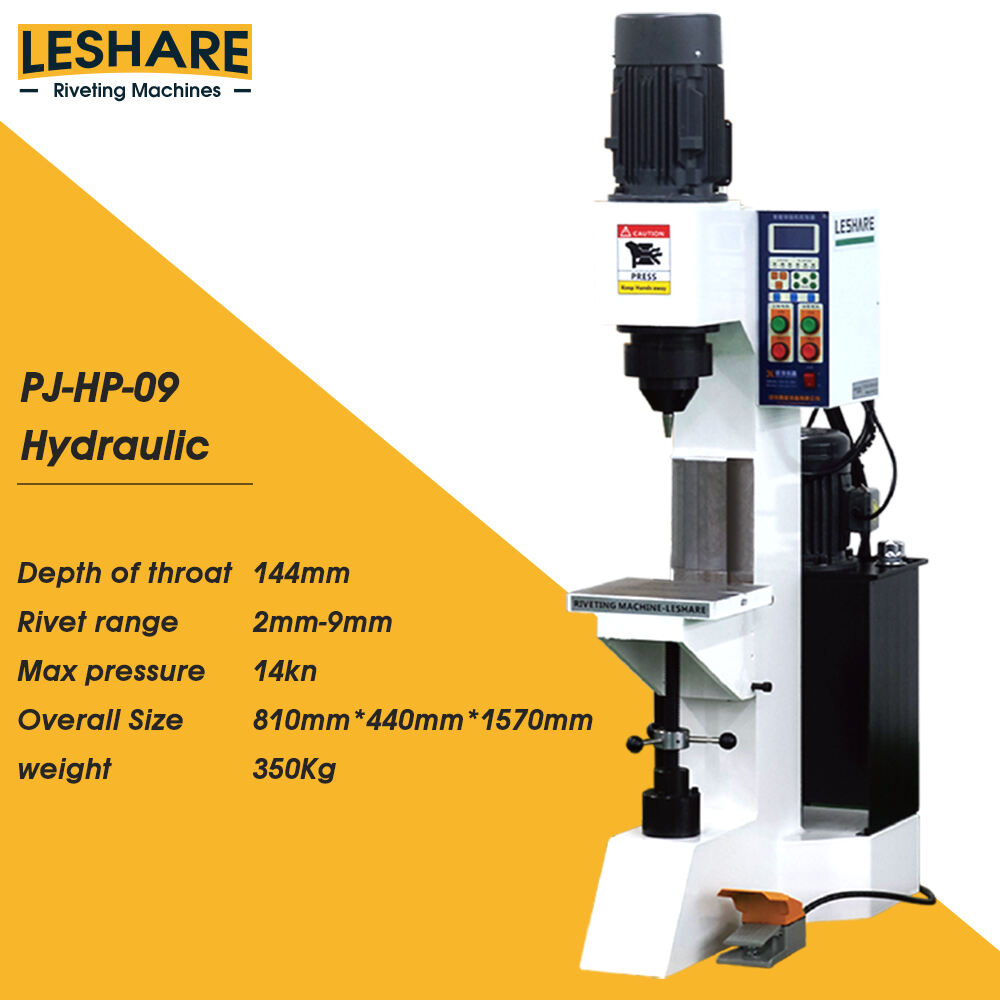
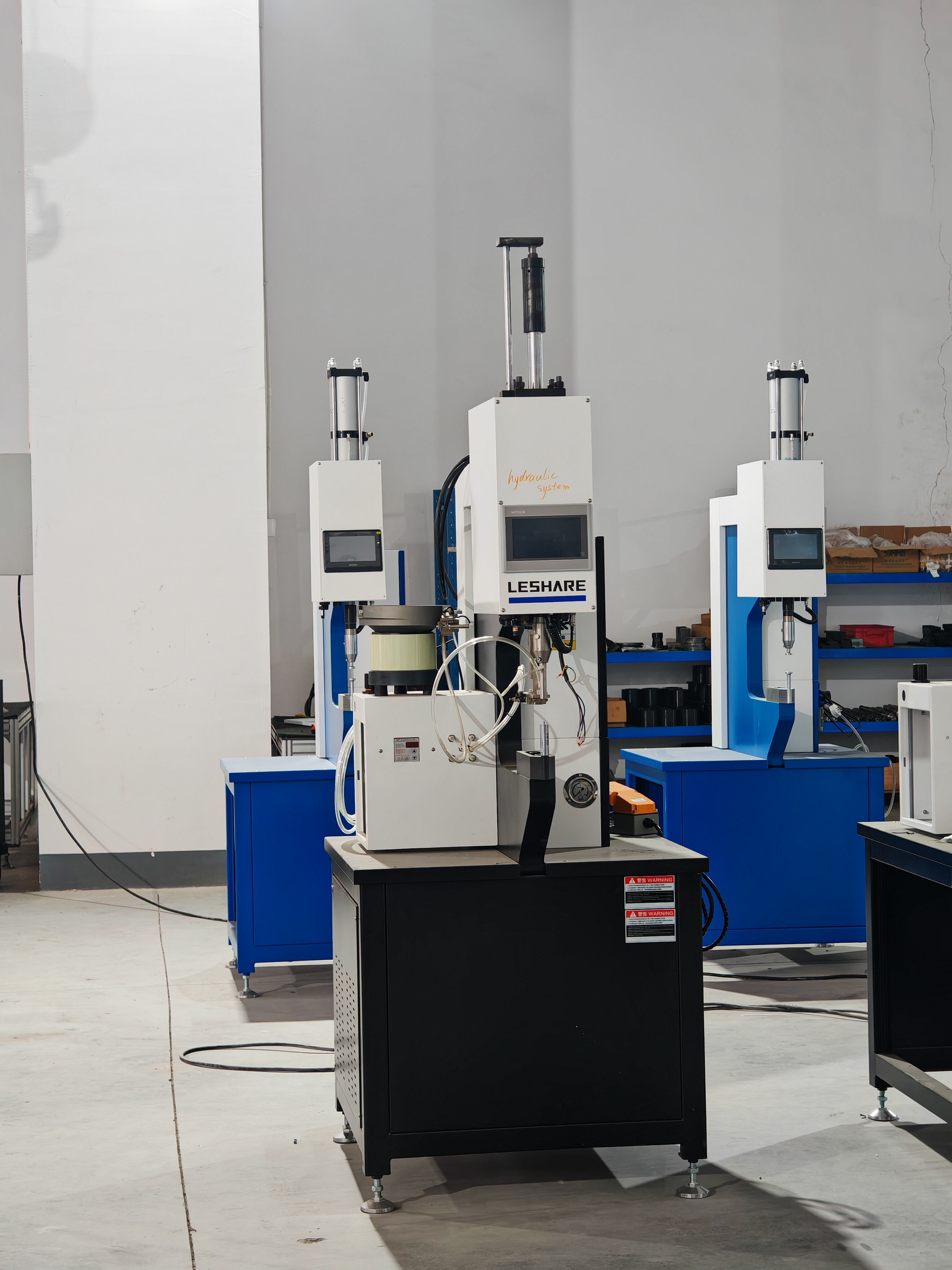
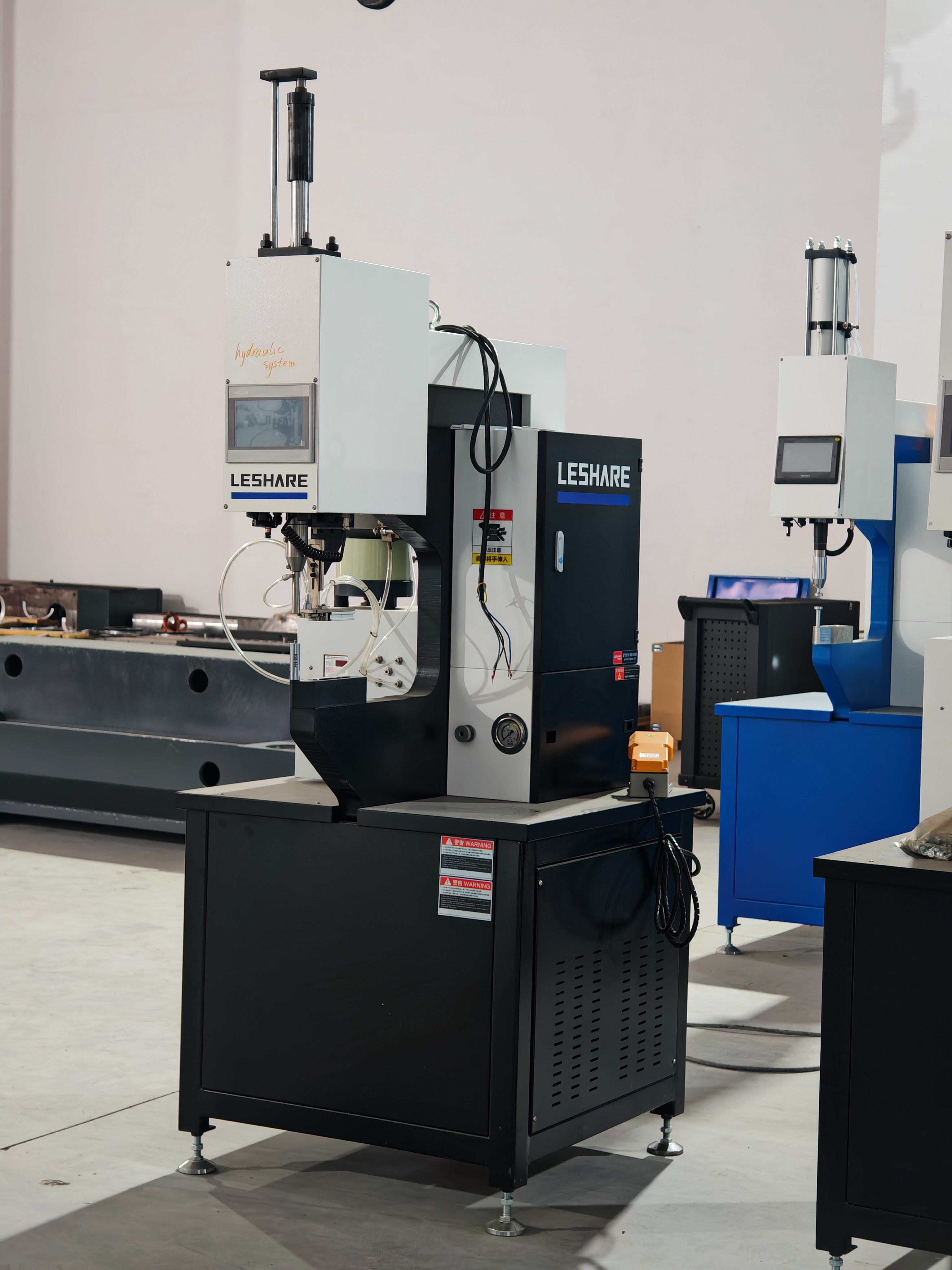
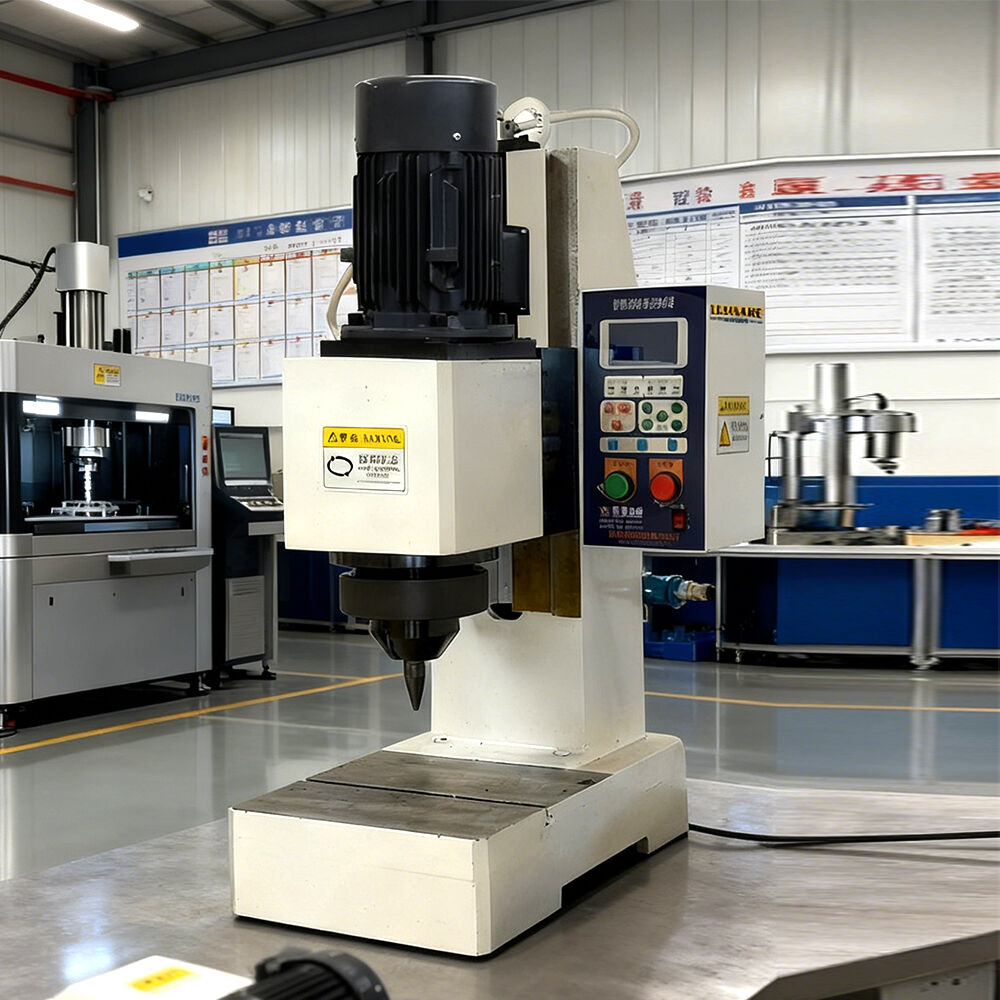
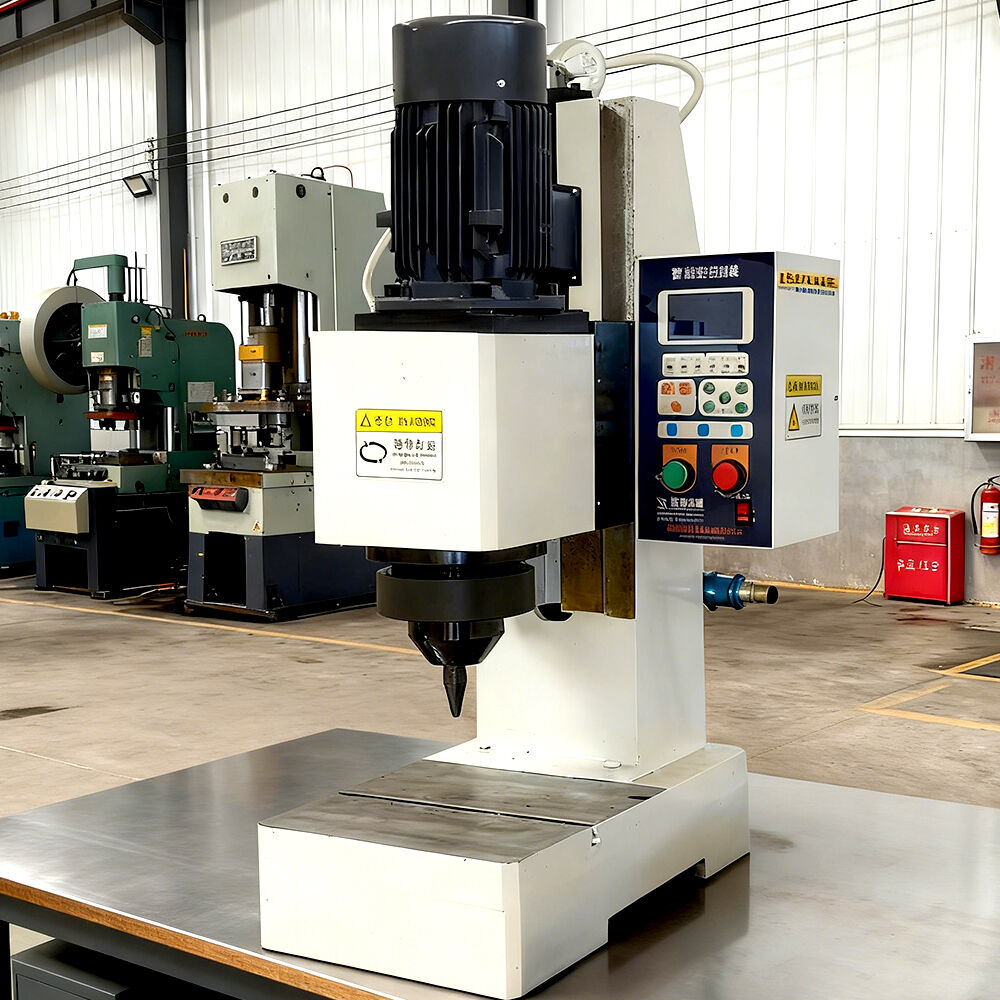
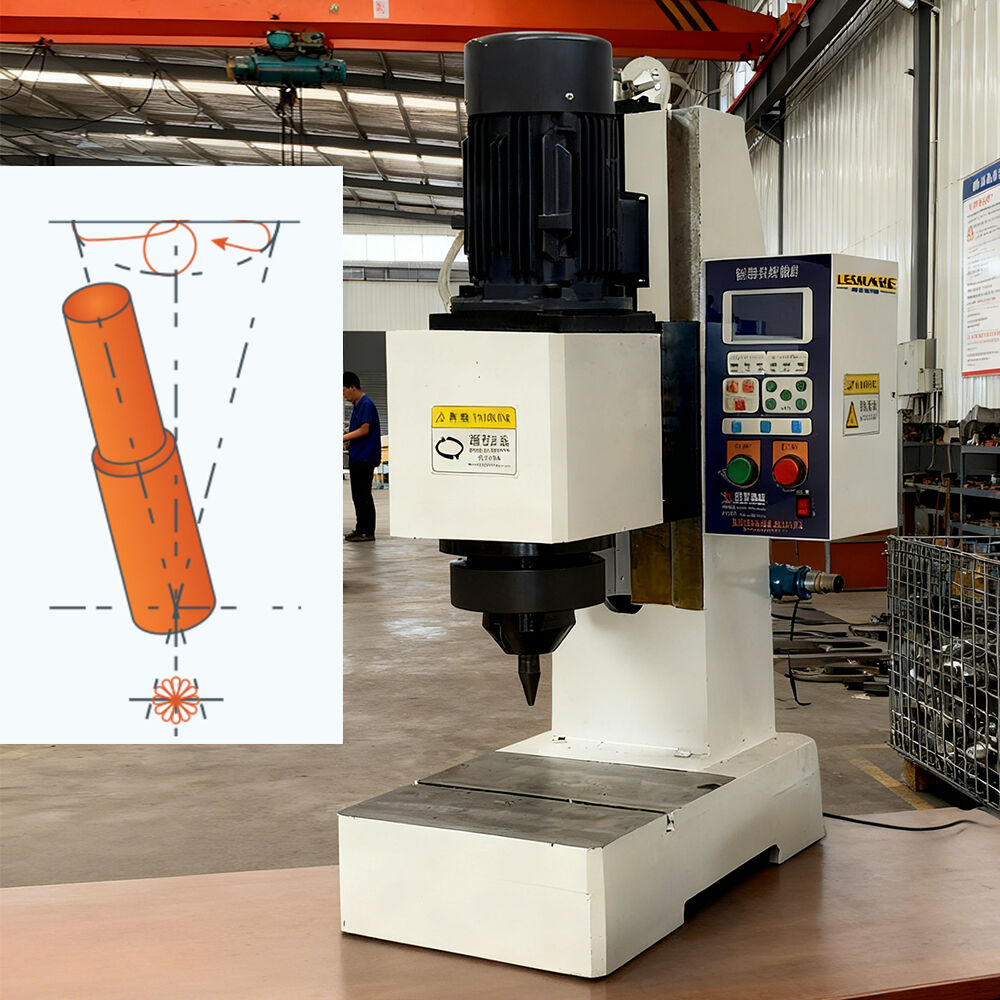
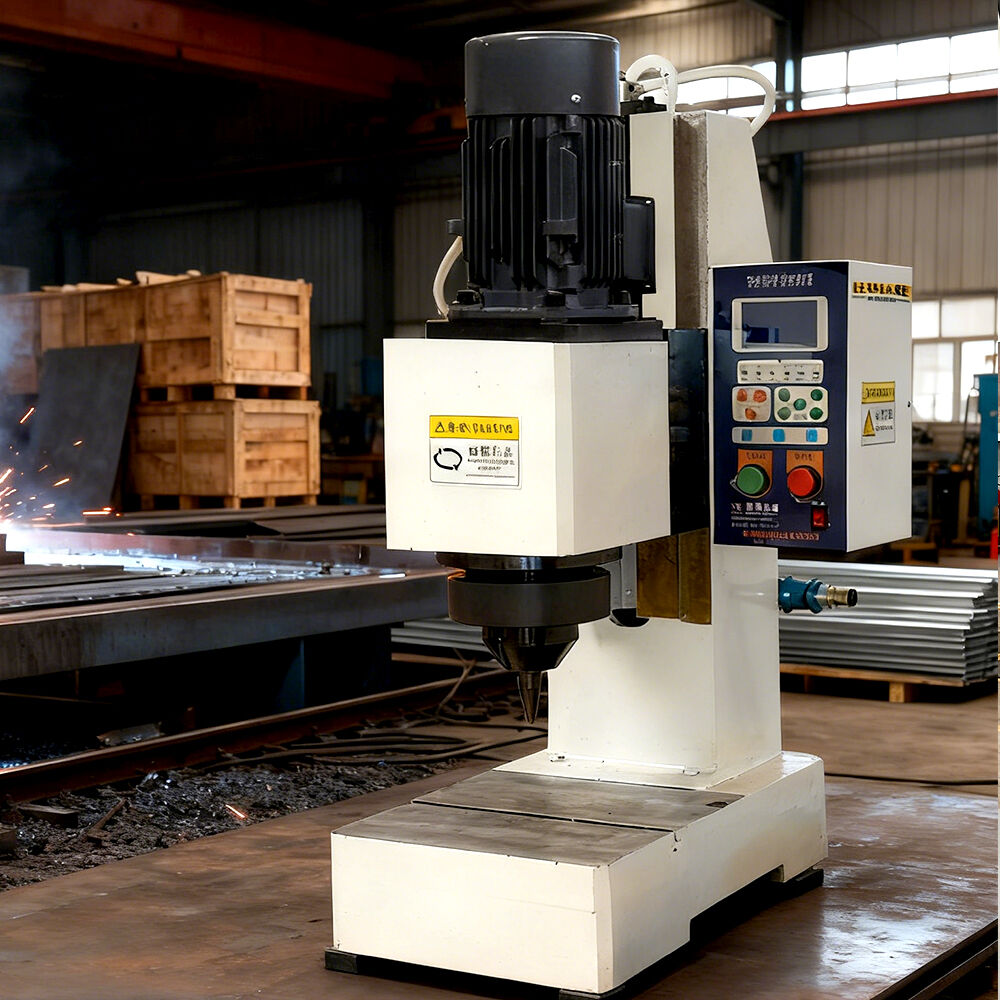
The automatic riveting system represents a revolutionary advancement in fastening technology, designed to streamline manufacturing processes across diverse industrial sectors. This sophisticated equipment combines precision engineering with intelligent automation to deliver consistent, high-quality riveting operations. The automatic riveting system integrates multiple components including pneumatic or hydraulic power units, programmable controllers, feeding mechanisms, and precision positioning systems to create a comprehensive fastening solution. At its core, the system functions by automatically feeding rivets, positioning workpieces, and executing the riveting process with minimal human intervention. The main functions encompass rivet feeding, workpiece positioning, force application control, quality monitoring, and cycle completion detection. These systems utilize advanced sensors and feedback mechanisms to ensure proper rivet placement and optimal compression forces. The technological features include programmable logic controllers that allow customization of riveting parameters, servo-driven positioning systems for precise alignment, and integrated quality control systems that monitor each operation. Modern automatic riveting systems incorporate touch-screen interfaces for easy operation and data logging capabilities for process tracking. The applications span numerous industries including aerospace, automotive, construction, electronics, and general manufacturing. In aerospace applications, these systems ensure consistent quality in aircraft assembly where reliability is paramount. Automotive manufacturers utilize automatic riveting systems for body panel assembly, interior components, and structural elements. Construction applications include HVAC ductwork, roofing systems, and architectural panels. The electronics industry benefits from precise micro-riveting capabilities for circuit board assembly and electronic enclosure manufacturing. General manufacturing applications encompass furniture assembly, appliance manufacturing, and industrial equipment production. The automatic riveting system delivers exceptional versatility through adjustable parameters that accommodate various rivet sizes, materials, and workpiece configurations. This adaptability makes it an invaluable asset for manufacturers seeking to optimize their fastening operations while maintaining superior quality standards.

New Products

The automatic riveting system delivers substantial benefits that transform manufacturing operations and provide measurable returns on investment. Speed enhancement stands as the primary advantage, with these systems capable of completing riveting operations up to ten times faster than manual methods. This acceleration directly translates to increased production capacity and shorter lead times. Consistency represents another critical benefit, as the automatic riveting system eliminates human variability and ensures uniform rivet placement, compression force, and quality across thousands of operations. This consistency reduces defect rates and minimizes costly rework while improving overall product reliability. Labor cost reduction emerges as a significant economic advantage, allowing manufacturers to redeploy skilled workers to higher-value tasks while reducing dependency on specialized riveting expertise. The system operates continuously with minimal supervision, maximizing productive hours and reducing labor-related bottlenecks. Safety improvements constitute a vital benefit, as automatic riveting systems remove operators from potentially hazardous environments involving repetitive motions, high forces, and flying debris. This protection reduces workplace injuries and associated costs while improving employee satisfaction. Quality enhancement occurs through precise force control and positioning accuracy that exceeds human capabilities. The automatic riveting system monitors each operation in real-time, detecting anomalies and ensuring proper rivet formation. This monitoring prevents weak joints and structural failures that could compromise product integrity. Flexibility advantages include rapid changeover capabilities that accommodate different rivet sizes and workpiece configurations without extensive setup time. Modern systems feature programmable parameters that store multiple job configurations, enabling quick transitions between production runs. Cost efficiency extends beyond labor savings to include material waste reduction through precise rivet placement and elimination of damaged workpieces. The automatic riveting system optimizes material usage while reducing scrap rates. Data collection capabilities provide valuable insights into production performance, enabling continuous improvement initiatives and predictive maintenance programs. Energy efficiency improvements result from optimized power consumption and reduced cycle times compared to traditional riveting methods. Long-term reliability ensures consistent performance over extended periods with minimal maintenance requirements, maximizing equipment uptime and return on investment.

Practical Tips

How Does a Fastener Insertion Machine Improve Productivity in Metal Fabrication?

11

Dec

How Does a Fastener Insertion Machine Improve Productivity in Metal Fabrication?

In today's competitive metal fabrication industry, manufacturers are constantly seeking innovative solutions to enhance production efficiency while maintaining quality standards. A fastener insertion machine represents a revolutionary advancement tha...
View More
Why Are Electronics Plants Adopting Fastener Insertion Machines for Enclosures?

29

Dec

Why Are Electronics Plants Adopting Fastener Insertion Machines for Enclosures?

Improving the Structural Integrity of Electronic Enclosures In modern electronics plants, manufacturers continually pursue efficiency, precision, and long-term durability in every part of the assembly process. When it comes to electronic enclosures, ...
View More
What factors affect radial riveting machines performance and stability?

28

Jan

What factors affect radial riveting machines performance and stability?

Manufacturing precision and operational reliability in industrial assembly processes depend heavily on the performance characteristics of radial riveting machines. These sophisticated pieces of equipment have become indispensable in automotive, aeros...
View More
Why choose lowspeed radial riveting for precision industrial assembly?

26

Feb

Why choose lowspeed radial riveting for precision industrial assembly?

Manufacturing precision and assembly quality have become critical differentiators in today's competitive industrial landscape. When it comes to joining metal components, lowspeed radial riveting stands out as a superior methodology that delivers cons...
View More

Get a Free Quote

Our representative will contact you soon.
Email
Name
Company Name
Message
0/1000

automatic riveting system

Advanced Precision Control Technology

Advanced Precision Control Technology

The automatic riveting system incorporates cutting-edge precision control technology that revolutionizes fastening accuracy and reliability. This sophisticated control system utilizes advanced servo motors and high-resolution encoders to achieve positioning accuracy within micrometers, ensuring perfect rivet alignment every time. The precision control technology integrates multiple feedback loops that continuously monitor and adjust positioning, force application, and timing parameters throughout each riveting cycle. This real-time adjustment capability compensates for material variations, wear factors, and environmental conditions that might otherwise compromise riveting quality. The system employs force-feedback mechanisms that detect the exact moment of optimal rivet deformation, preventing over-compression that could damage workpieces or under-compression that might result in weak joints. Advanced pressure sensors provide continuous monitoring of hydraulic or pneumatic systems, maintaining consistent force delivery across millions of cycles. The precision control technology extends to rivet feeding mechanisms that utilize vision systems and sensors to verify proper rivet orientation and placement before operation initiation. This verification process eliminates costly mistakes and ensures every rivet meets specifications. The automatic riveting system features programmable control algorithms that adapt to different materials, rivet types, and joint configurations automatically. These algorithms store optimal parameters for various applications, enabling instant recall and consistent reproduction of successful riveting operations. The precision control system interfaces seamlessly with quality management systems, recording detailed data about each riveting operation including force curves, displacement measurements, and cycle times. This comprehensive data collection enables statistical process control and continuous improvement initiatives. The technology incorporates predictive algorithms that analyze performance trends and provide early warning of potential issues before they affect production quality. Vibration damping systems and rigid structural designs minimize external influences on precision, ensuring stable operation even in demanding industrial environments. The automatic riveting system delivers unprecedented accuracy that enables manufacturers to achieve tighter tolerances and superior joint quality compared to traditional riveting methods.
Intelligent Automation and Programming Capabilities

Intelligent Automation and Programming Capabilities

The intelligent automation capabilities of the automatic riveting system represent a paradigm shift in manufacturing flexibility and operational efficiency. This sophisticated automation platform combines artificial intelligence algorithms with intuitive programming interfaces to create a system that adapts seamlessly to changing production requirements. The automatic riveting system features a user-friendly touchscreen interface that allows operators to program complex riveting sequences without specialized coding knowledge. This accessibility democratizes advanced manufacturing technology, enabling rapid deployment across diverse skill levels within manufacturing organizations. The intelligent system learns from each operation, continuously refining its performance parameters to optimize cycle times while maintaining quality standards. Machine learning algorithms analyze historical data to predict optimal settings for new applications, reducing setup time and improving first-pass quality rates. The automation capabilities extend to automatic tool changing systems that accommodate different rivet sizes and types without manual intervention. This flexibility enables manufacturers to process mixed production runs efficiently, responding quickly to customer demands and market changes. Advanced scheduling algorithms coordinate multiple riveting stations and integrate with enterprise resource planning systems to optimize production flow. The automatic riveting system communicates with upstream and downstream equipment to synchronize operations and minimize bottlenecks. Remote monitoring capabilities enable supervisors to oversee multiple systems from central locations, receiving real-time alerts about performance issues or maintenance requirements. The intelligent system provides comprehensive diagnostics that identify root causes of problems and recommend corrective actions, minimizing downtime and repair costs. Predictive maintenance algorithms analyze vibration patterns, temperature variations, and performance metrics to schedule maintenance activities before failures occur. The automation platform supports Industry 4.0 connectivity standards, enabling seamless integration with smart factory initiatives and cloud-based analytics platforms. Quality control automation includes integrated inspection systems that verify rivet integrity using advanced imaging technology and force analysis. The automatic riveting system generates detailed production reports and quality certificates automatically, reducing administrative overhead while ensuring traceability. Customizable automation sequences accommodate unique manufacturing processes and special requirements, providing tailored solutions for specific applications.
Exceptional Versatility and Multi-Application Capability

Exceptional Versatility and Multi-Application Capability

The exceptional versatility of the automatic riveting system positions it as a comprehensive solution capable of addressing diverse manufacturing challenges across multiple industries and applications. This remarkable adaptability stems from sophisticated design engineering that accommodates varying rivet sizes, materials, and workpiece configurations through modular system architecture. The automatic riveting system handles rivets ranging from miniature electronics applications measuring just millimeters to heavy-duty structural rivets exceeding several centimeters in diameter. Material compatibility extends across aluminum, steel, stainless steel, copper, and specialized alloys used in aerospace and marine applications. The system processes both solid and blind rivets with equal proficiency, automatically adjusting parameters to ensure optimal results for each rivet type. Workpiece versatility encompasses flat panels, curved surfaces, tubular components, and complex three-dimensional assemblies. The automatic riveting system features adjustable fixtures and programmable positioning systems that accommodate workpieces ranging from delicate electronic components to robust structural assemblies weighing hundreds of pounds. Multi-axis positioning capabilities enable riveting at various angles and orientations, eliminating the need for complex workpiece manipulation or multiple setup operations. The system adapts to different production volumes seamlessly, operating efficiently for both high-volume production runs and small batch custom applications. Quick-change tooling systems enable rapid transitions between different rivet specifications and workpiece configurations, minimizing setup time and maximizing productive capacity. The automatic riveting system integrates with various material handling systems including conveyor belts, robotic arms, and automated guided vehicles to create comprehensive manufacturing cells. This integration capability enables manufacturers to develop fully automated production lines that operate with minimal human intervention. Industry-specific configurations address unique requirements in aerospace, automotive, construction, and electronics manufacturing. Aerospace variants incorporate specialized features for working with exotic materials and meeting stringent quality standards. Automotive configurations optimize for high-speed production and integration with assembly line operations. The versatility extends to maintenance and service capabilities, with modular designs that enable component replacement and system upgrades without extensive downtime. Training programs and technical support services ensure operators can maximize the automatic riveting system capabilities across all applications. Documentation and programming assistance help manufacturers optimize system performance for their specific requirements.

Get a Free Quote

Our representative will contact you soon.
Email
Name
Company Name
Message
0/1000