Professional Sheet Metal Riveting Solutions - Permanent Fastening Systems for Industrial Applications

Get a Free Quote

Our representative will contact you soon.
Email
Name
Company Name
Message
0/1000

sheet metal riveting

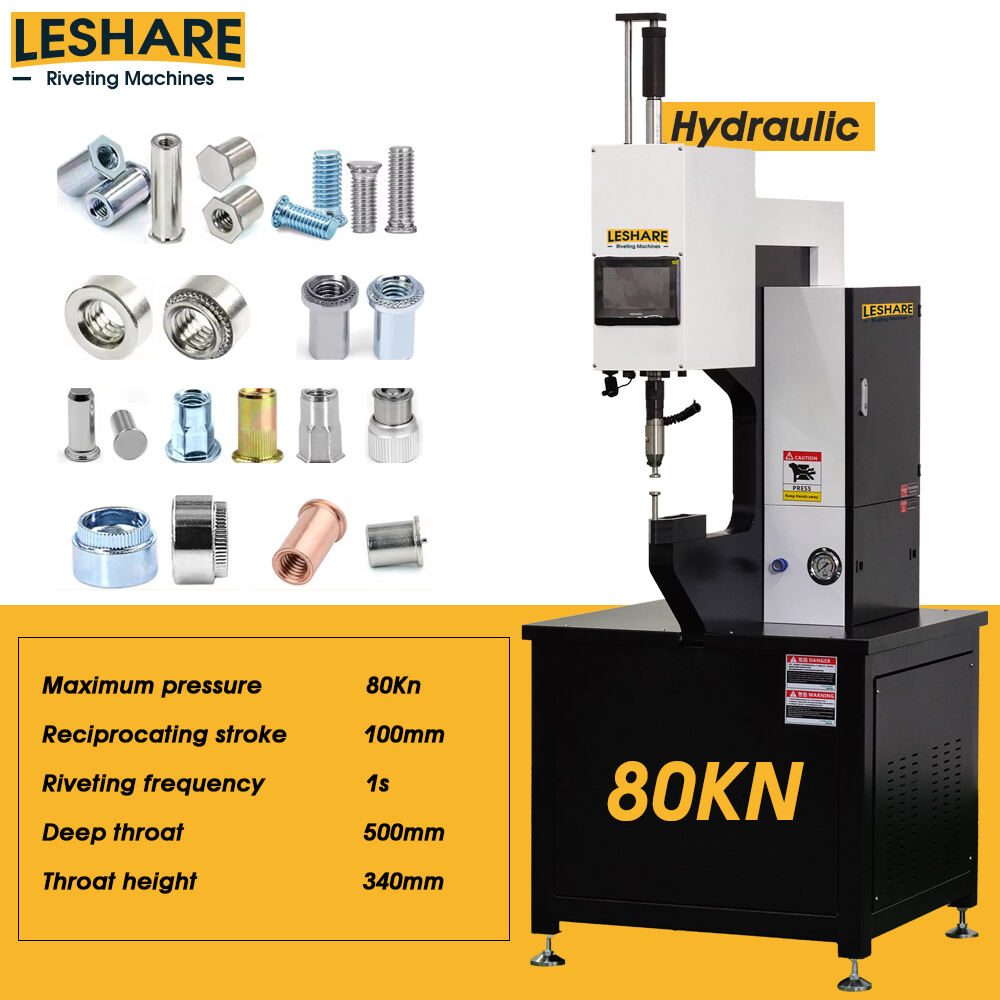
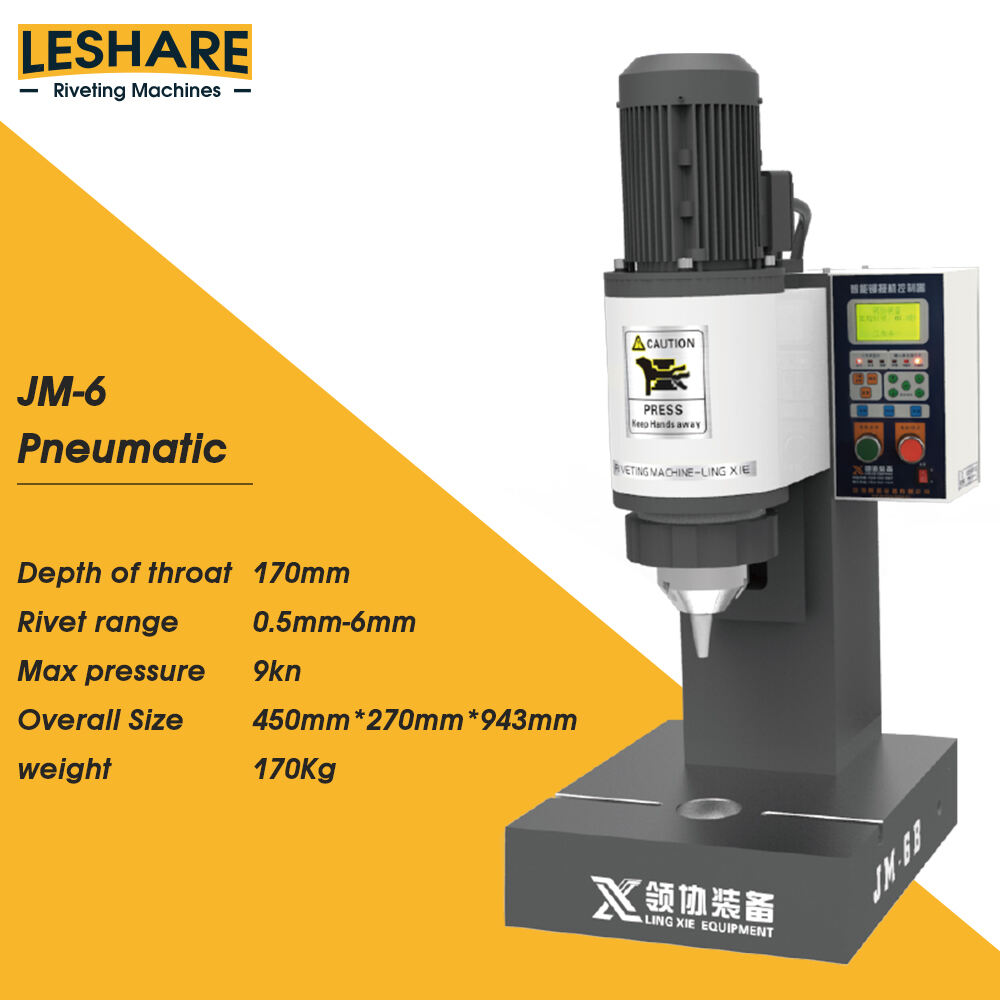
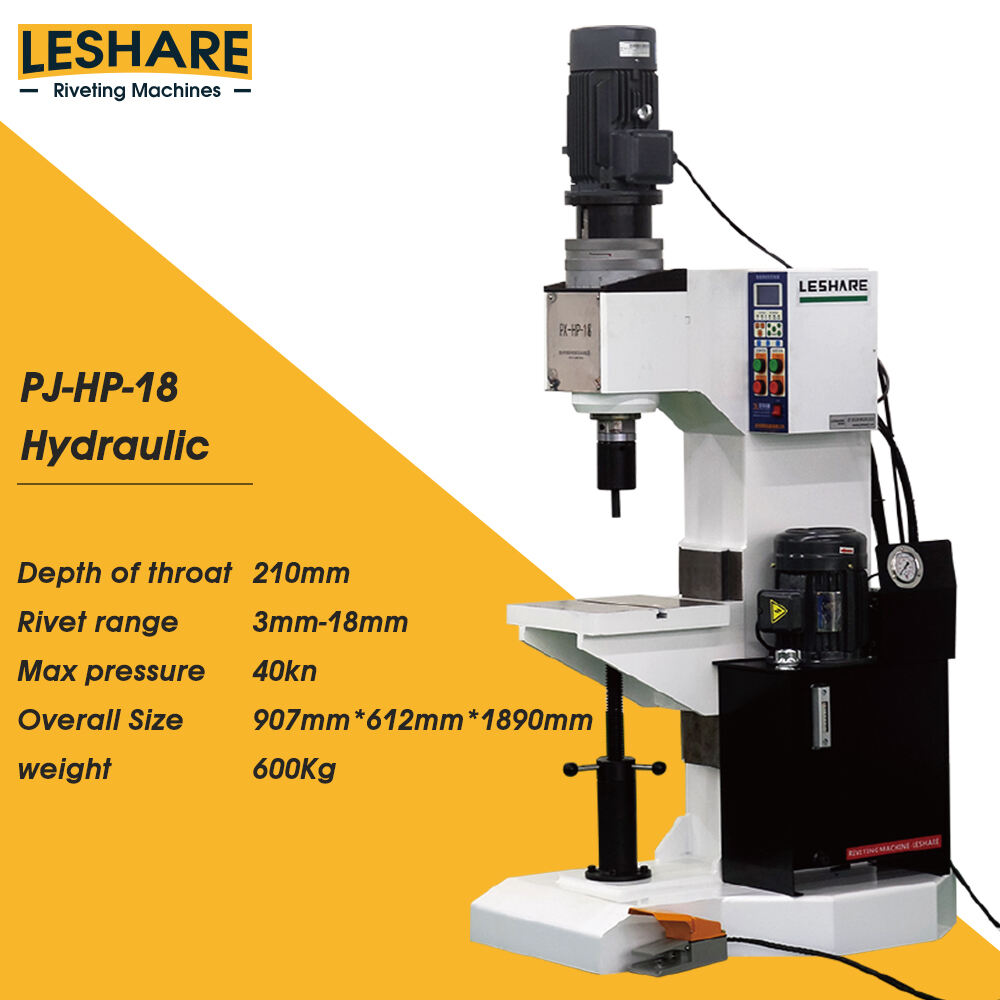
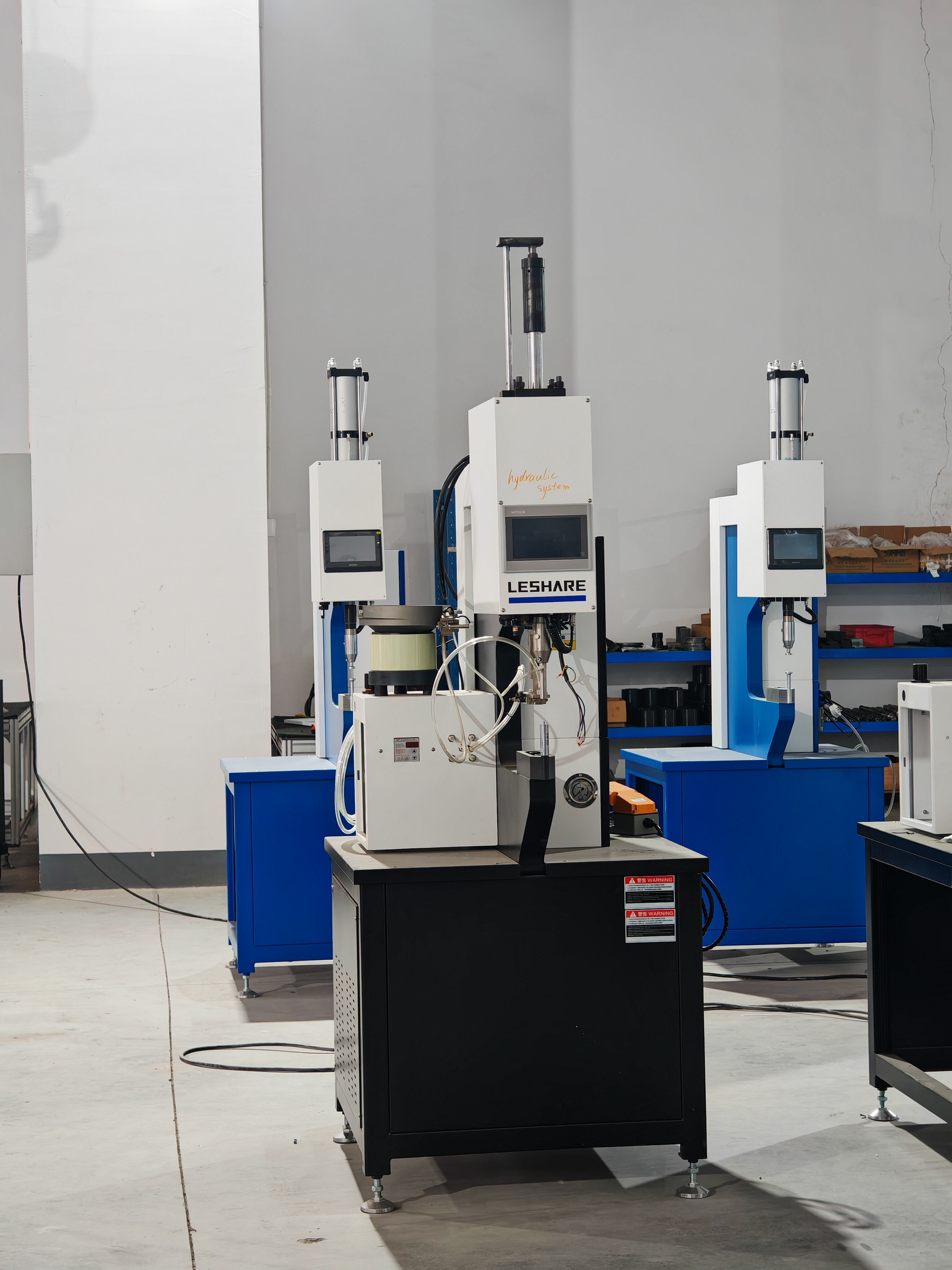
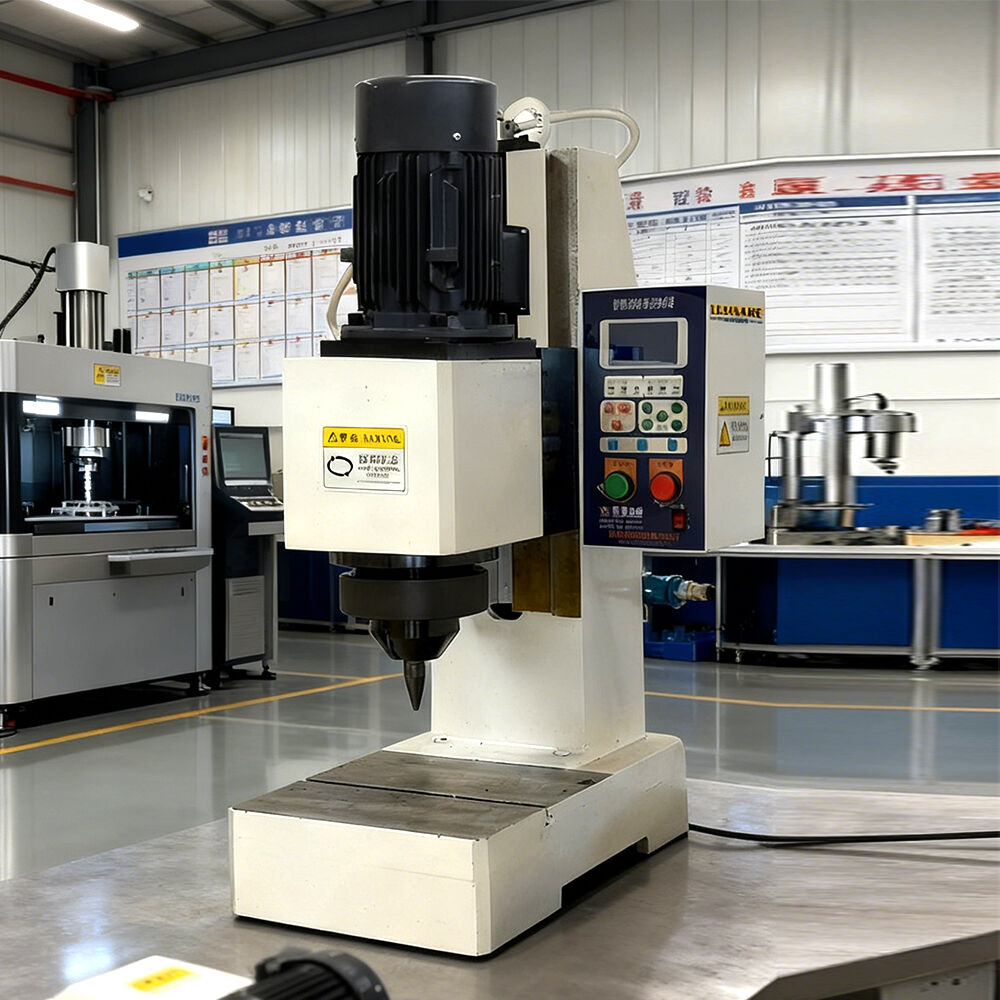
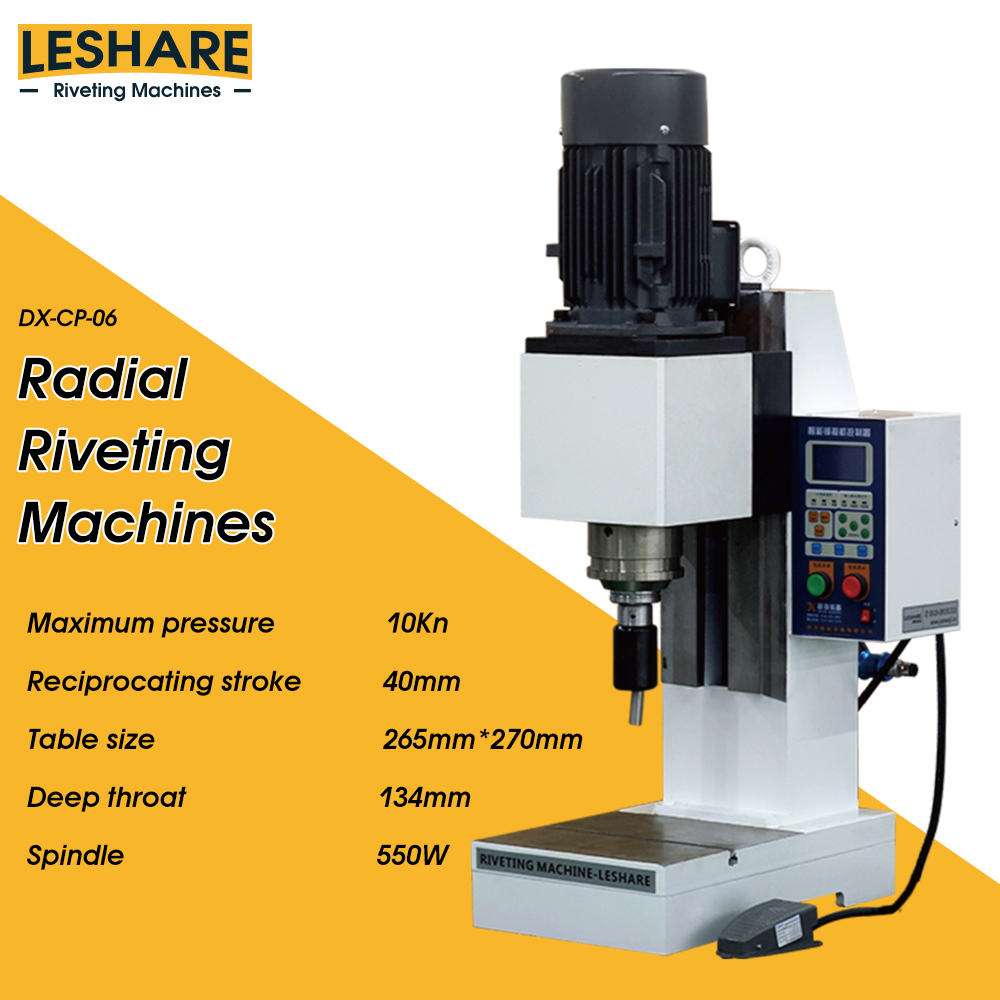
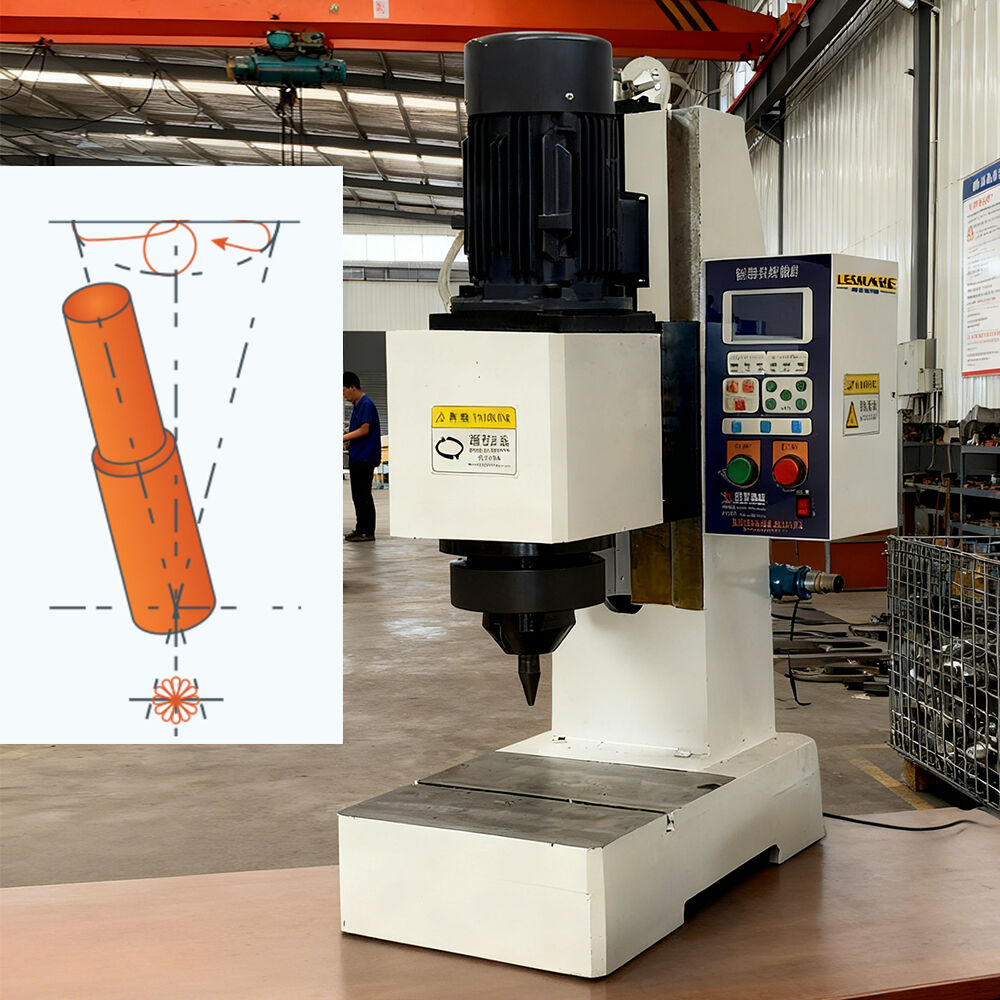
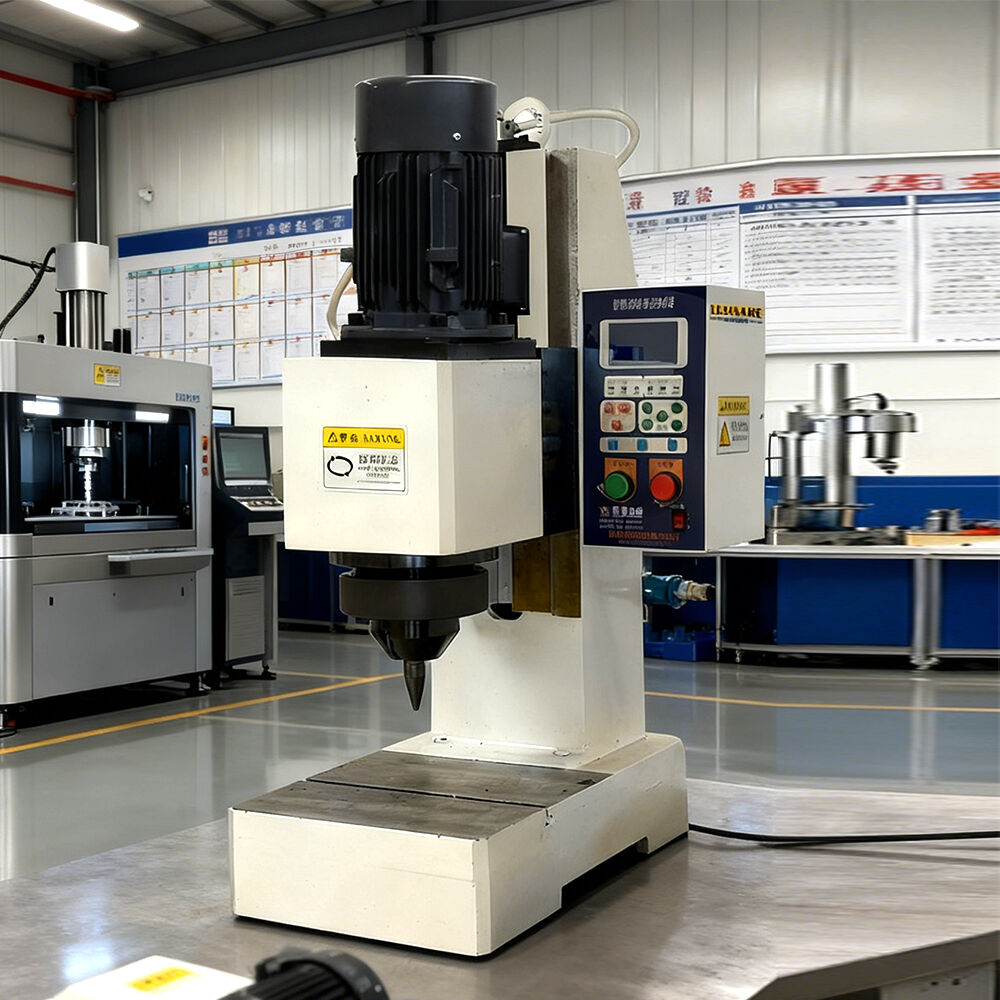
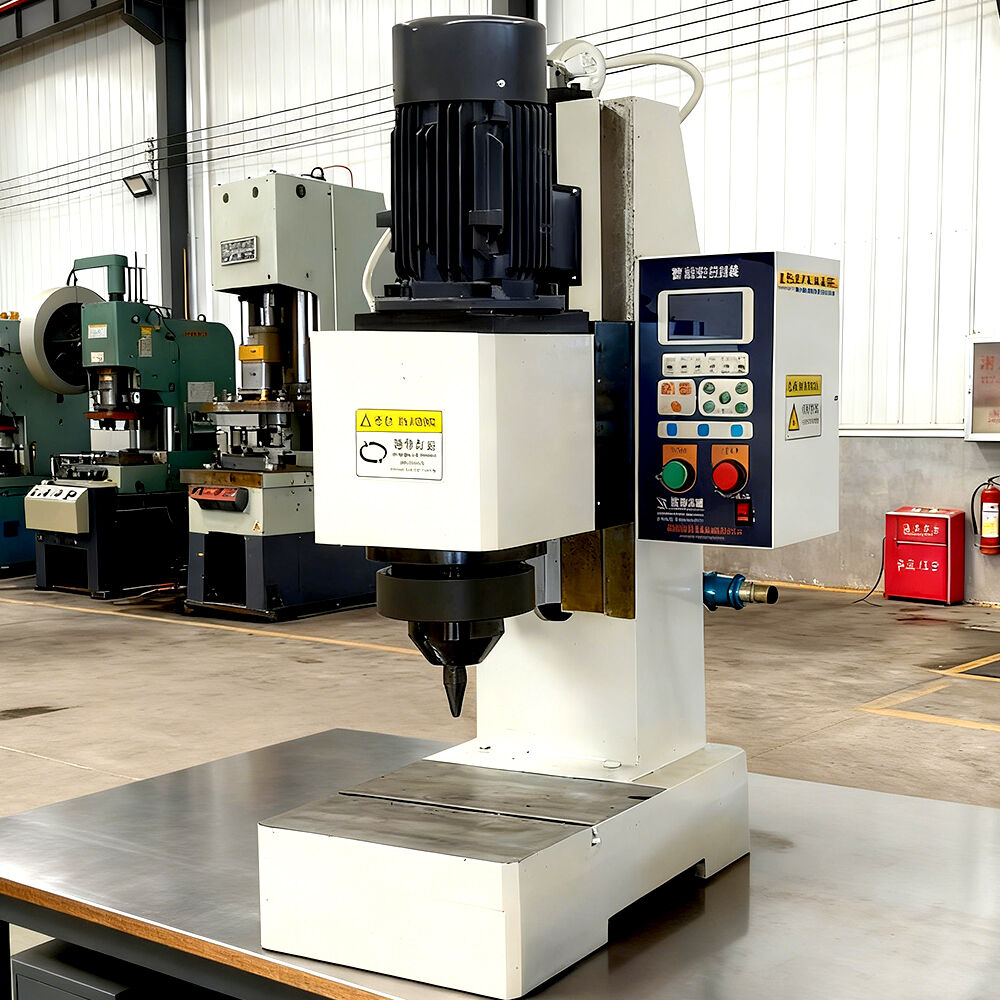
Sheet metal riveting represents a fundamental mechanical fastening technique that permanently joins thin metal sheets through the installation of cylindrical fasteners called rivets. This time-tested method creates strong, reliable connections by deforming the rivet shank to form a mechanical interlock between materials. The process involves drilling precise holes through aligned metal sheets, inserting rivets, and using specialized tools to expand the rivet tail, creating a mushroom-shaped head that secures the joint permanently. Sheet metal riveting serves multiple critical functions in manufacturing and construction industries. Its primary purpose centers on creating permanent structural connections that resist separation under stress, vibration, and environmental conditions. The technique excels at distributing loads across joint surfaces, preventing crack propagation, and maintaining structural integrity over extended periods. Unlike welding, sheet metal riveting preserves the original metallurgical properties of base materials while eliminating heat-affected zones that could compromise strength. The technological features of sheet metal riveting include exceptional versatility across different metal types, thicknesses, and applications. Modern riveting employs various rivet materials including aluminum, steel, stainless steel, and specialty alloys selected based on strength requirements, corrosion resistance, and environmental factors. Advanced pneumatic, hydraulic, and electromagnetic riveting tools ensure consistent installation quality while reducing operator fatigue. Automated riveting systems integrate seamlessly with production lines, delivering precise placement and uniform compression forces. Applications for sheet metal riveting span numerous industries including aerospace, automotive, construction, shipbuilding, and electronics manufacturing. Aircraft fuselages rely extensively on riveted joints for lightweight strength, while automotive body panels utilize riveting for enhanced crash safety. Construction projects employ sheet metal riveting in roofing systems, HVAC ductwork, and structural steel connections. The marine industry depends on riveted assemblies for hull construction and deck plating where welding limitations exist.

Popular Products

Sheet metal riveting delivers numerous practical advantages that make it the preferred joining method for countless manufacturing applications. The most significant benefit lies in creating permanent connections that maintain exceptional strength throughout the product lifecycle. Unlike temporary fasteners such as screws or bolts, riveted joints cannot loosen due to vibration, thermal cycling, or mechanical stress, ensuring long-term reliability in demanding environments. This permanence eliminates maintenance requirements associated with retightening loose fasteners, reducing operational costs and preventing potential failures. The installation process offers remarkable simplicity compared to other permanent joining methods. Sheet metal riveting requires minimal specialized training, making it accessible to workers across various skill levels. Basic hand tools or simple pneumatic equipment can accomplish most riveting tasks without expensive machinery or complex setup procedures. This accessibility translates directly into lower labor costs and faster production times, particularly beneficial for small-scale operations or field installations where portability matters. Quality control becomes straightforward with sheet metal riveting since visual inspection easily identifies proper installation. Correctly formed rivet heads display consistent shape and size, while improper installation shows obvious defects such as incomplete formation or material damage. This visual verification eliminates expensive non-destructive testing requirements common with welded joints, streamlining quality assurance processes and reducing inspection time. Material compatibility represents another crucial advantage of sheet metal riveting. The process works effectively with dissimilar metals that cannot be welded due to metallurgical incompatibility. Aluminum sheets can be riveted to steel structures without galvanic corrosion concerns when appropriate rivet materials are selected. This flexibility enables designers to optimize material selection for specific performance requirements rather than limiting choices based on joining constraints. Cost effectiveness makes sheet metal riveting attractive for budget-conscious projects. The initial investment in riveting equipment remains relatively low compared to welding systems, while consumable costs stay minimal since rivets cost less than welding consumables per joint. Energy requirements are substantially lower than welding processes, reducing operational expenses. Additionally, the absence of heat input eliminates distortion issues that often require expensive straightening operations in welded assemblies. Environmental benefits distinguish sheet metal riveting from chemical adhesives or solvent-based joining methods. The process generates no toxic fumes, requires no special ventilation systems, and creates no hazardous waste disposal requirements. Workers face minimal health risks since no respiratory protection is needed during normal riveting operations. These factors contribute to safer working conditions and simplified regulatory compliance.

Latest News

How Does a Fastener Insertion Machine Improve Productivity in Metal Fabrication?

11

Dec

How Does a Fastener Insertion Machine Improve Productivity in Metal Fabrication?

In today's competitive metal fabrication industry, manufacturers are constantly seeking innovative solutions to enhance production efficiency while maintaining quality standards. A fastener insertion machine represents a revolutionary advancement tha...
View More
What factors affect radial riveting machines performance and stability?

28

Jan

What factors affect radial riveting machines performance and stability?

Manufacturing precision and operational reliability in industrial assembly processes depend heavily on the performance characteristics of radial riveting machines. These sophisticated pieces of equipment have become indispensable in automotive, aeros...
View More
What to consider when sourcing nonrotating shaft radial riveter systems?

26

Feb

What to consider when sourcing nonrotating shaft radial riveter systems?

Manufacturing precision and assembly efficiency depend heavily on selecting the right fastening equipment for your production line. When evaluating nonrotating shaft radial riveter systems, understanding the critical factors that influence performanc...
View More
How to Choose the Right Automatic Riveting Machine for Your Line?

18

Mar

How to Choose the Right Automatic Riveting Machine for Your Line?

Manufacturing efficiency depends heavily on selecting the right equipment for your production line. An automatic riveting machine represents a critical investment that can significantly impact your operational productivity, product quality, and overa...
View More

Get a Free Quote

Our representative will contact you soon.
Email
Name
Company Name
Message
0/1000

sheet metal riveting

Superior Joint Integrity and Structural Performance

Superior Joint Integrity and Structural Performance

Sheet metal riveting creates exceptionally robust mechanical connections that outperform many alternative joining methods in critical structural applications. The fundamental strength of riveted joints stems from the unique load distribution mechanism that develops when the rivet expands to fill the hole completely. This expansion creates intimate contact between the rivet shank and hole walls, establishing a mechanical interlock that resists both tensile and shear forces effectively. Unlike adhesive bonds that may fail suddenly without warning, riveted connections exhibit progressive failure characteristics that provide advance notice of impending problems. The multi-directional strength capabilities of sheet metal riveting make it ideal for applications experiencing complex loading conditions. Riveted joints effectively handle combinations of tension, compression, shear, and bending forces simultaneously without degradation. This versatility proves particularly valuable in dynamic applications such as aircraft structures where flight loads create constantly changing stress patterns. The rivet material itself contributes additional strength through work hardening that occurs during installation, actually improving joint performance beyond the base rivet strength. Fatigue resistance represents another critical advantage of sheet metal riveting in cyclically loaded applications. The smooth load transfer characteristics and absence of stress concentrations common in threaded fasteners contribute to extended service life under repetitive loading. Properly installed rivets distribute stresses over relatively large contact areas, reducing peak stress levels that initiate fatigue cracks. This performance advantage becomes increasingly important in transportation applications where millions of load cycles occur over the product lifespan. Quality assurance for sheet metal riveting connections relies on straightforward visual and tactile inspection methods that ensure consistent joint integrity. Properly formed shop heads display uniform shape and size, indicating complete hole fill and adequate compression. Experienced technicians can identify installation problems immediately, preventing defective joints from proceeding through manufacturing processes. This real-time quality control capability significantly reduces the risk of field failures and associated warranty costs, providing peace of mind for both manufacturers and end users seeking reliable performance in mission-critical applications.
Exceptional Versatility Across Materials and Applications

Exceptional Versatility Across Materials and Applications

The remarkable adaptability of sheet metal riveting across diverse materials, thicknesses, and environmental conditions establishes it as the most versatile mechanical fastening solution available today. This flexibility enables engineers to optimize material selection for specific performance requirements without being constrained by joining method limitations. Aluminum rivets work excellently with aluminum sheets in aerospace applications where weight reduction remains paramount, while stainless steel rivets provide superior corrosion resistance in marine environments. The ability to join dissimilar materials opens design possibilities that would be impossible with fusion welding processes. Sheet metal riveting accommodates an impressive range of material thicknesses from ultra-thin electronic enclosures to heavy structural steel plates. Blind rivets enable access-limited installations where only one side of the joint remains reachable, expanding application possibilities in confined spaces or complex assemblies. Self-piercing rivets eliminate pre-drilling requirements, streamlining production processes while maintaining joint quality. Pop rivets provide rapid installation capabilities that significantly reduce assembly time in high-volume manufacturing operations. Temperature performance of sheet metal riveting surpasses many alternative joining methods across extreme operating ranges. Riveted joints maintain structural integrity from cryogenic temperatures encountered in aerospace applications to elevated temperatures found in industrial processing equipment. The mechanical nature of the connection prevents degradation mechanisms that affect adhesive bonds or gasket materials under thermal cycling. This temperature stability ensures consistent performance regardless of seasonal variations or process temperature fluctuations. Environmental resistance makes sheet metal riveting ideal for outdoor applications exposed to moisture, UV radiation, and atmospheric pollutants. Properly selected rivet materials resist corrosion, preventing joint degradation that could compromise structural integrity. Galvanized or coated rivets provide additional protection in harsh environments while maintaining the mechanical advantages of riveted connections. The absence of organic materials eliminates aging concerns associated with polymer-based joining systems, ensuring decades of reliable service life. Manufacturing flexibility allows sheet metal riveting to integrate seamlessly with automated production systems while remaining suitable for manual assembly operations. Robotic riveting systems deliver consistent quality and high throughput rates in mass production environments, while portable pneumatic tools enable field installation and repair operations where permanent power sources may not be available.
Cost-Effective Installation and Long-Term Value

Cost-Effective Installation and Long-Term Value

Sheet metal riveting delivers outstanding economic benefits through low initial investment requirements, minimal operational costs, and exceptional long-term value proposition that makes it the financially optimal choice for permanent joining applications. The equipment investment needed for basic riveting operations remains remarkably modest compared to welding systems, plasma cutters, or laser processing equipment. Hand-operated rivet guns cost only a fraction of welding machine prices while providing years of reliable service with minimal maintenance requirements. Pneumatic riveting tools offer increased productivity at reasonable cost levels that small shops can easily afford. This accessibility democratizes high-quality joining capabilities, enabling smaller manufacturers to compete effectively with larger operations. Operational efficiency of sheet metal riveting translates directly into reduced labor costs and increased productivity. The installation process requires no complex setup procedures, elaborate safety precautions, or specialized environmental controls that slow production rates. Workers can begin riveting immediately after brief training periods, unlike welding operations that require extensive certification processes. The speed of rivet installation, particularly with pneumatic tools, allows rapid assembly of complex structures with multiple joints. Single-sided installation methods further enhance productivity by eliminating the need for access to both sides of the assembly during installation. Energy consumption for sheet metal riveting remains minimal compared to thermal joining processes. No electrical power is required for hand tool operations, while pneumatic systems use compressed air that many facilities already provide for other operations. The absence of high electrical demands eliminates concerns about power supply capacity or electrical safety requirements. This low energy profile contributes to reduced operational costs while supporting sustainability initiatives in environmentally conscious manufacturing operations. Maintenance requirements for riveted assemblies are virtually nonexistent once proper installation is completed. The permanent nature of the connection eliminates periodic retightening schedules common with threaded fasteners. No consumable materials require regular replacement, and no calibration procedures are needed to maintain joint quality. This maintenance-free characteristic provides substantial cost savings over the product lifecycle while reducing downtime for service operations. Long-term value proposition of sheet metal riveting includes exceptional durability that often exceeds the service life of the assembled components. Properly installed rivets can last for decades without degradation, making them ideal for infrastructure projects and durable goods applications where replacement costs would be prohibitive. The predictable performance characteristics enable accurate lifecycle cost calculations that support informed purchasing decisions.

Get a Free Quote

Our representative will contact you soon.
Email
Name
Company Name
Message
0/1000