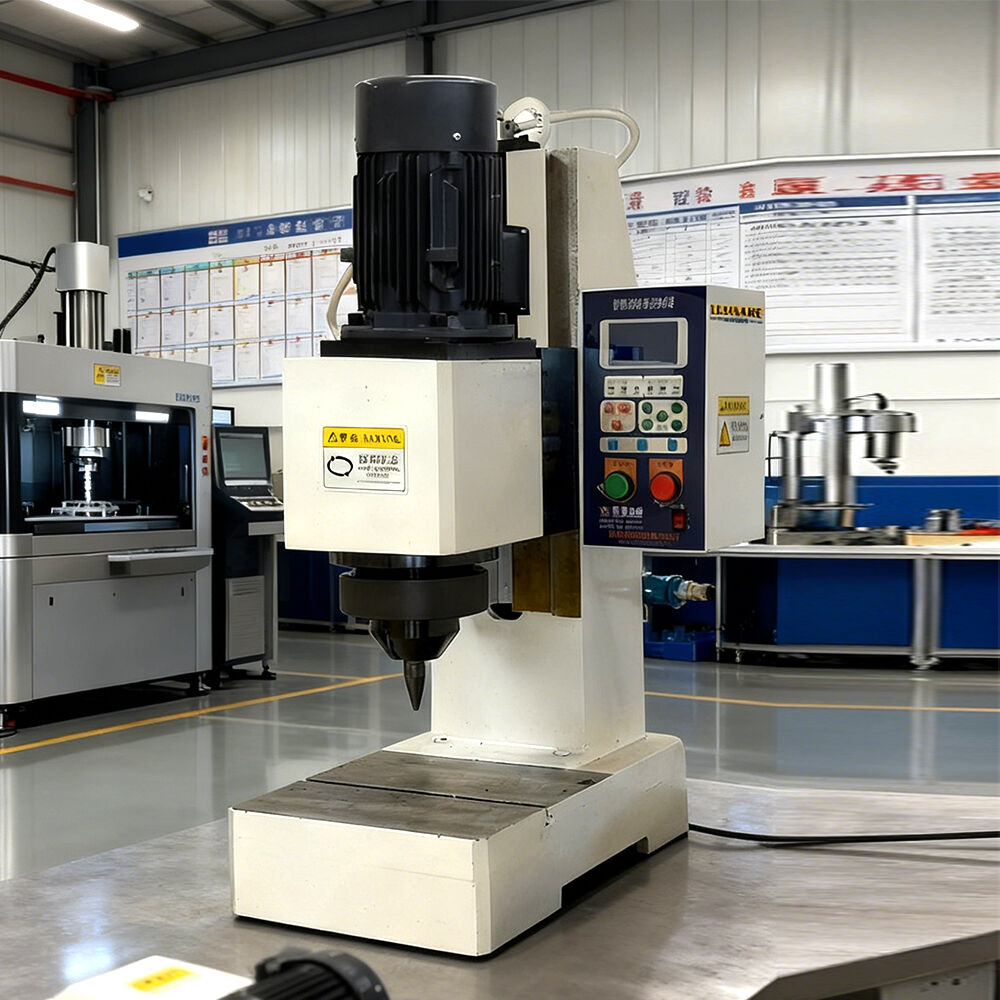
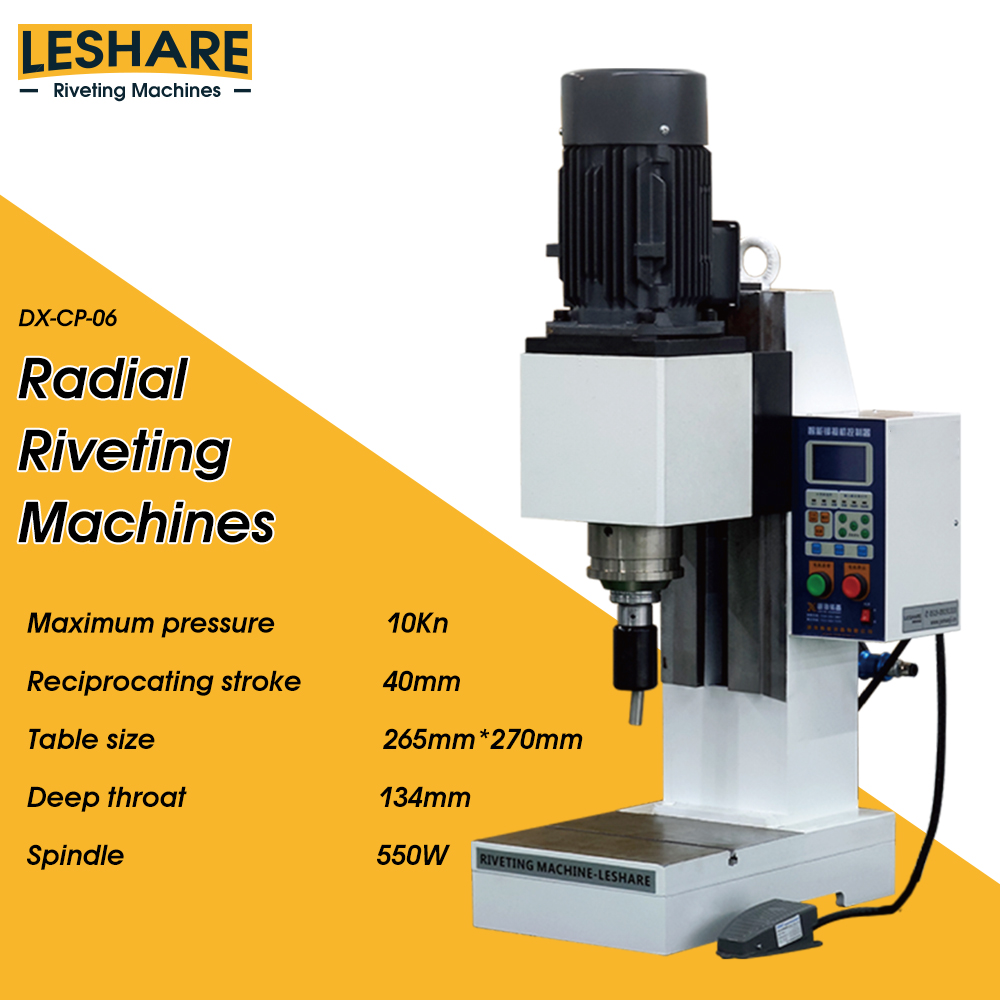
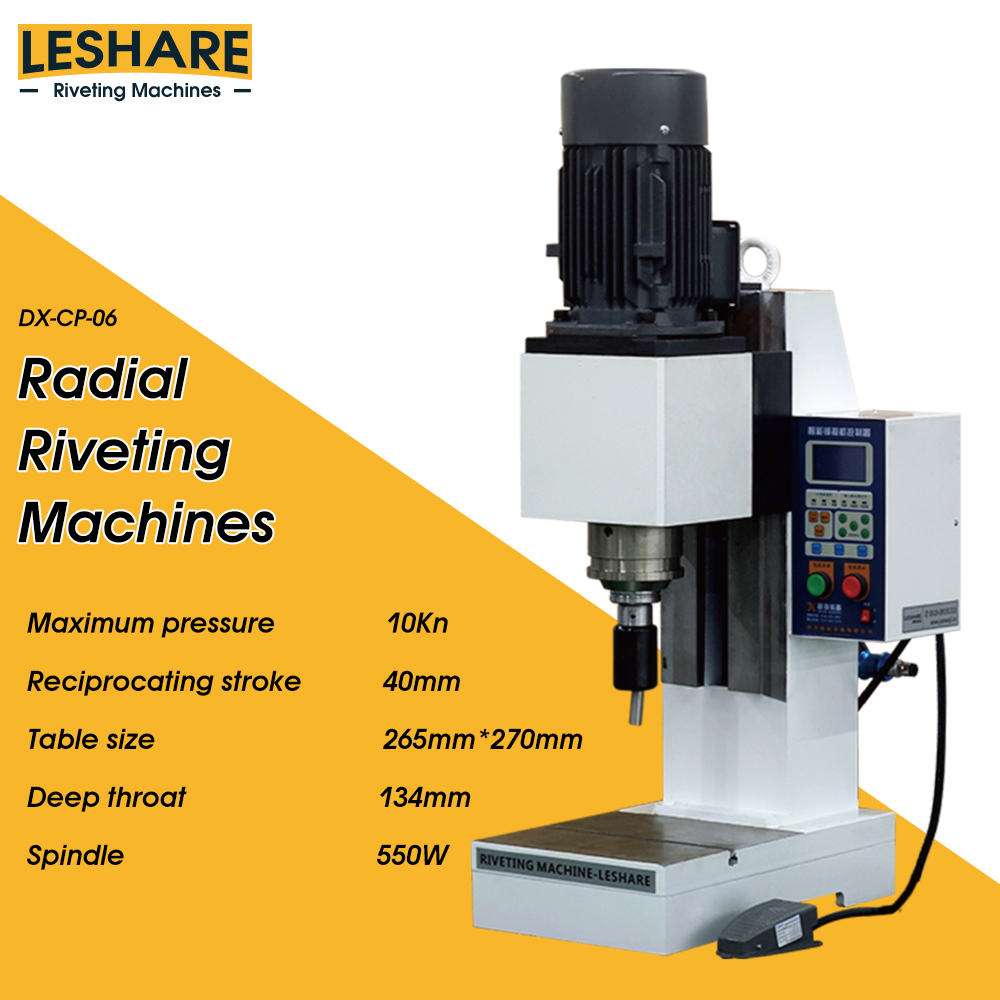
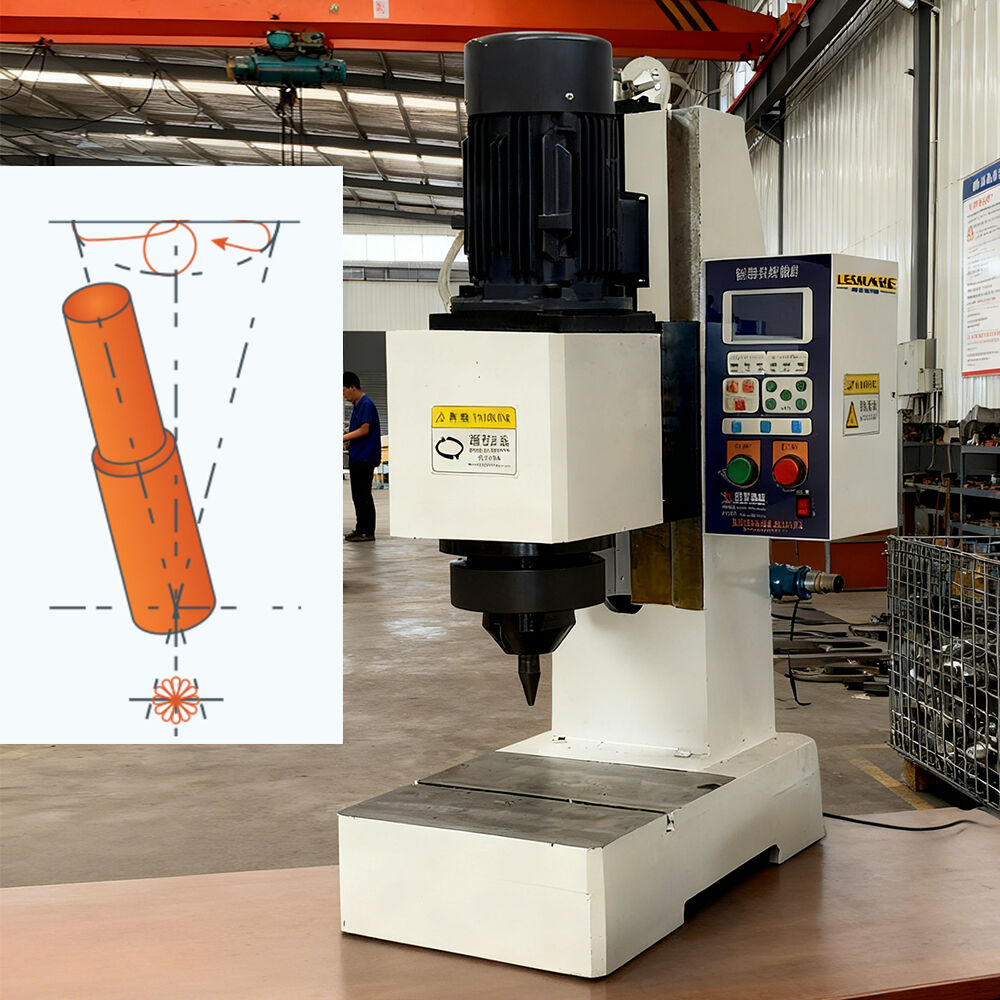
automated riveting
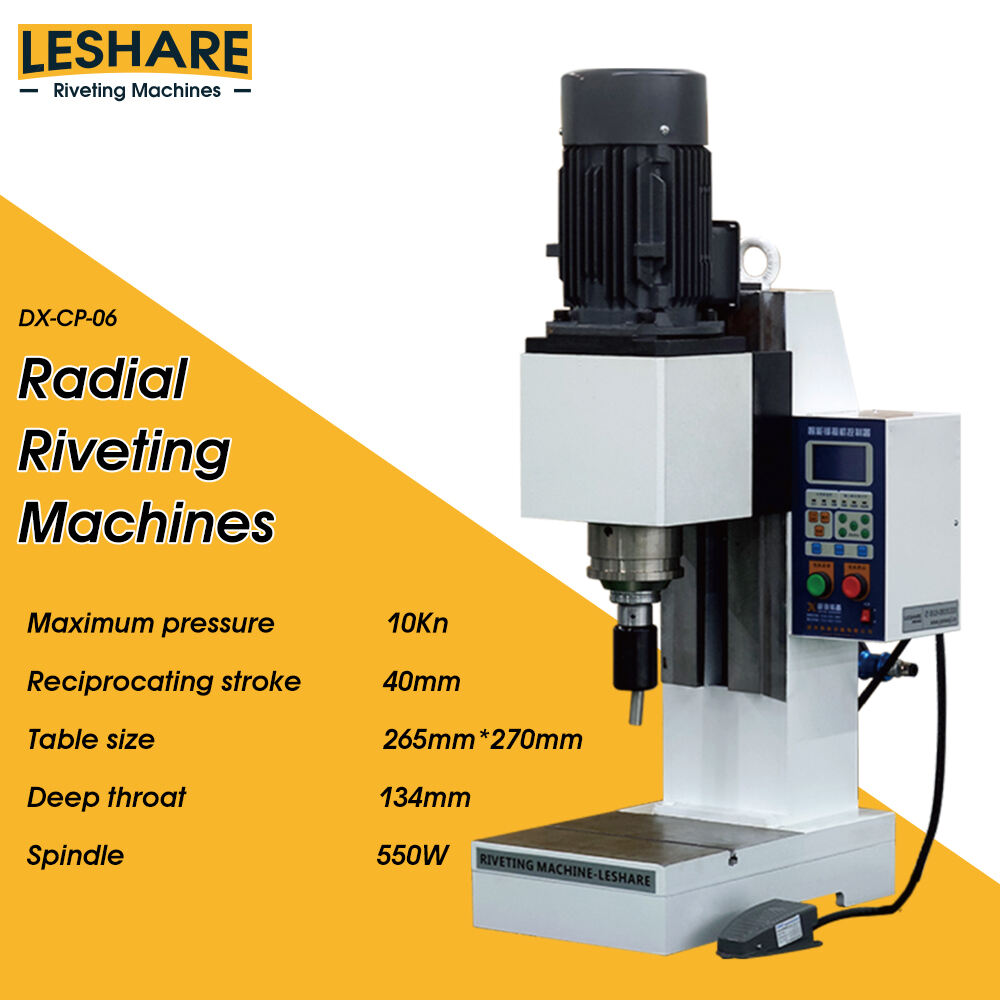
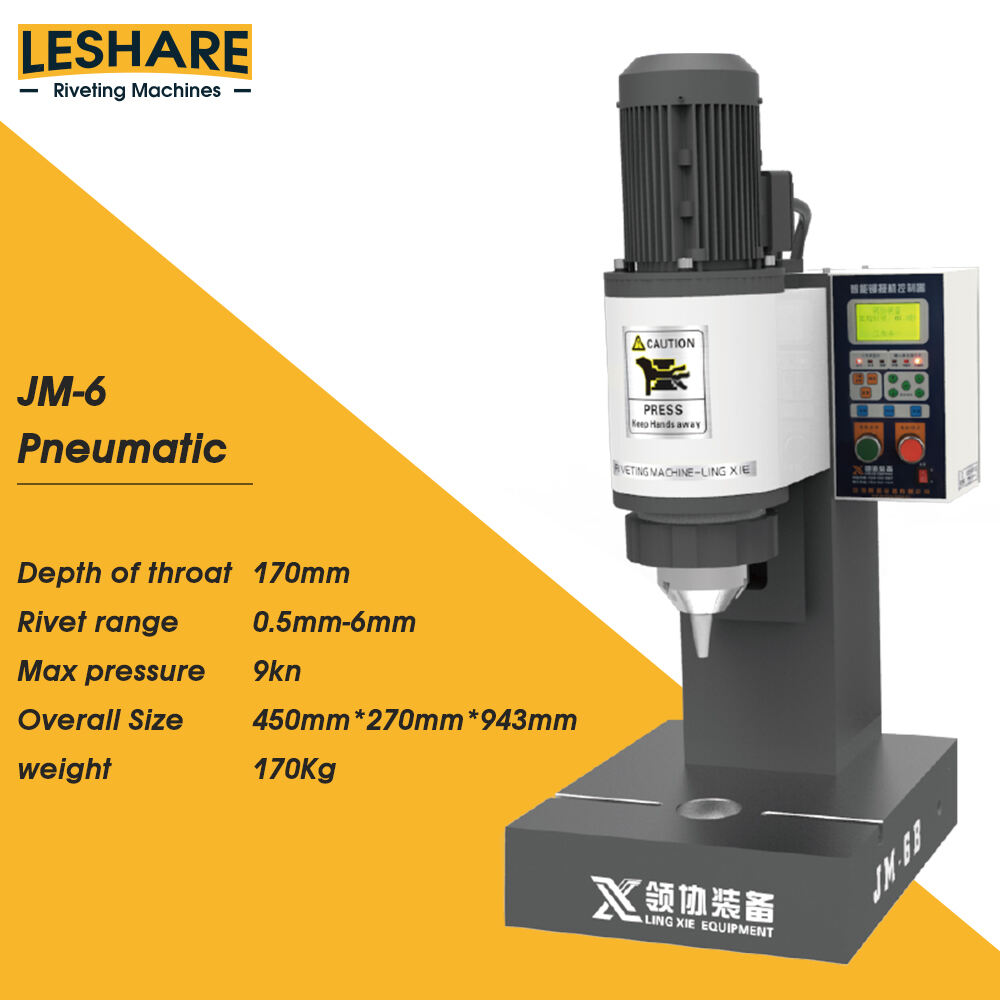
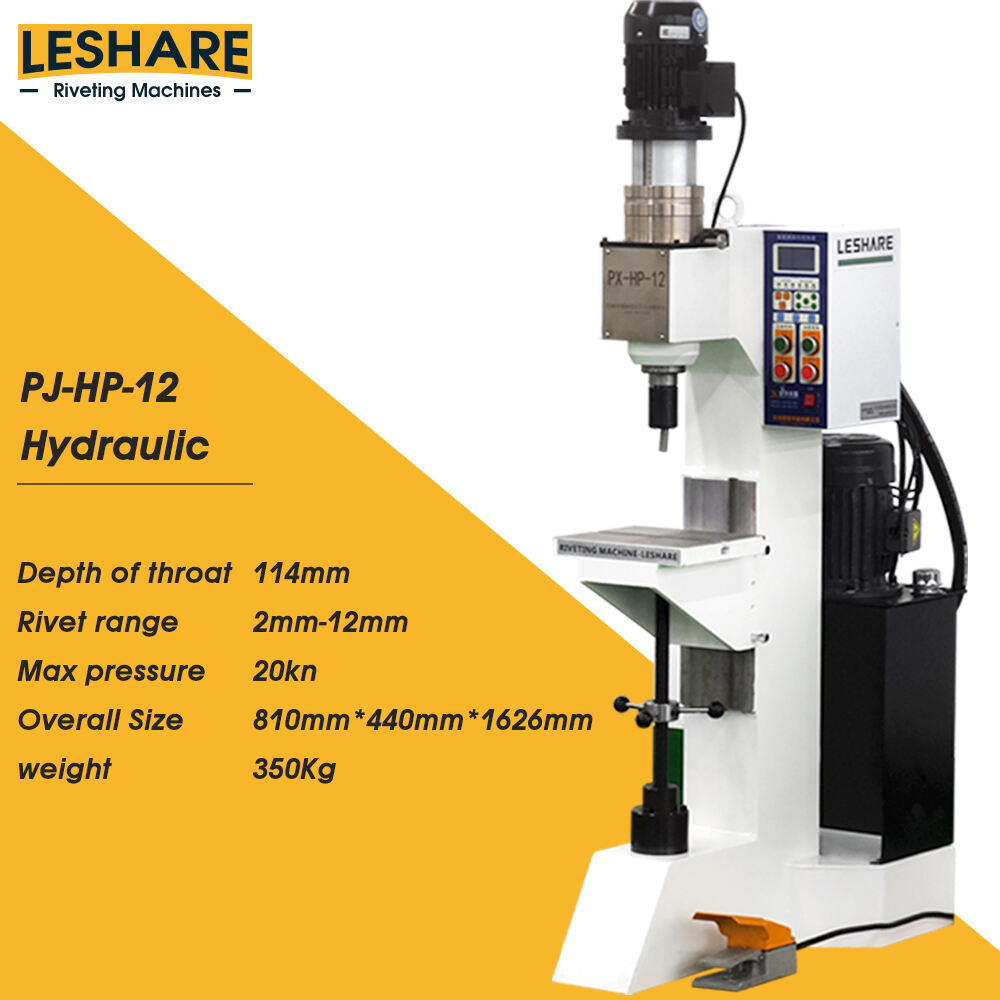
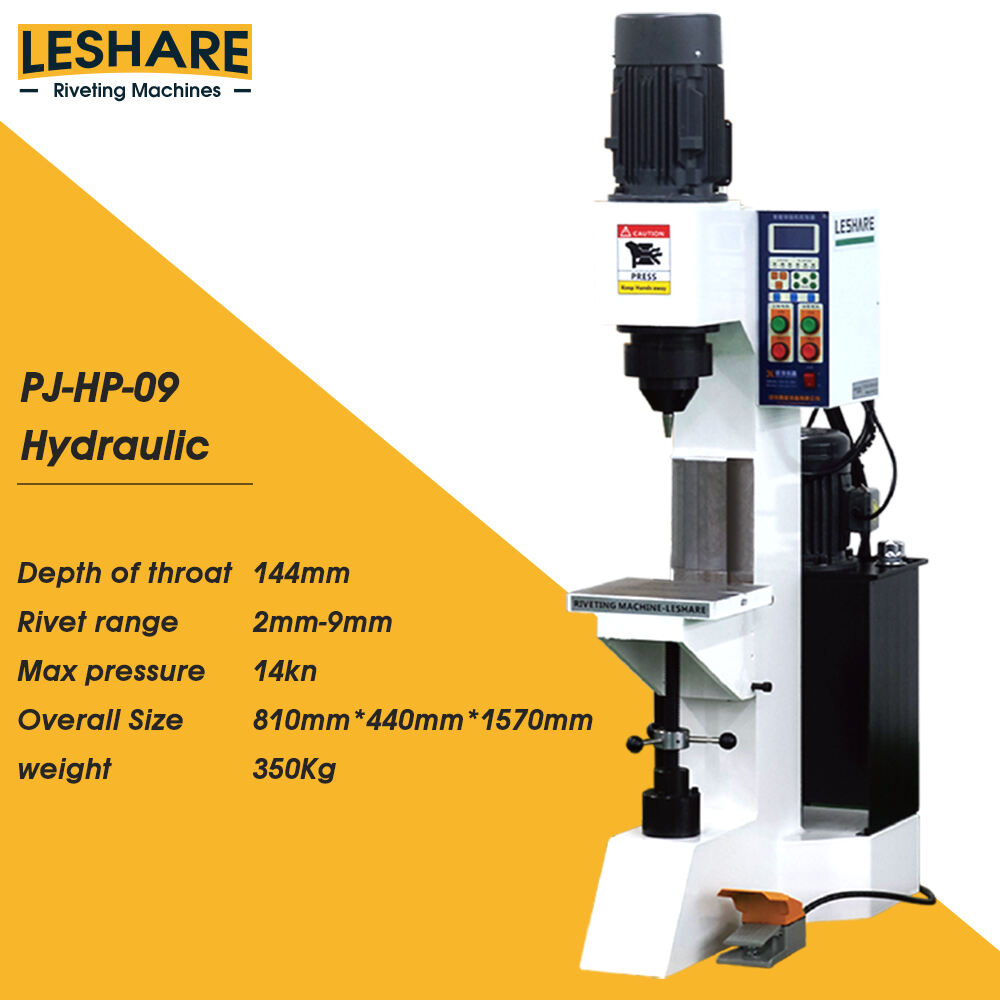
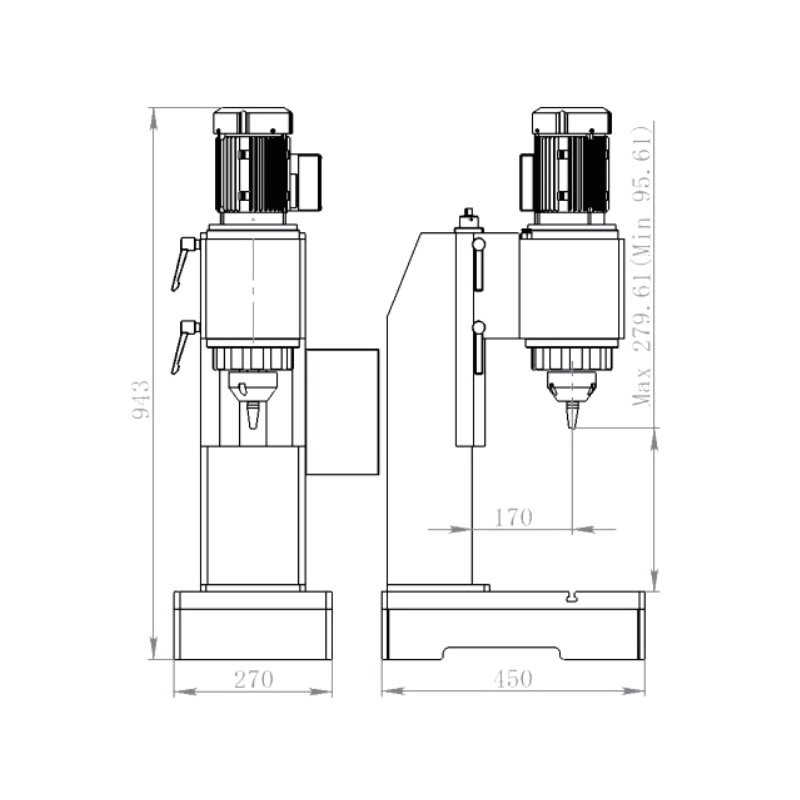
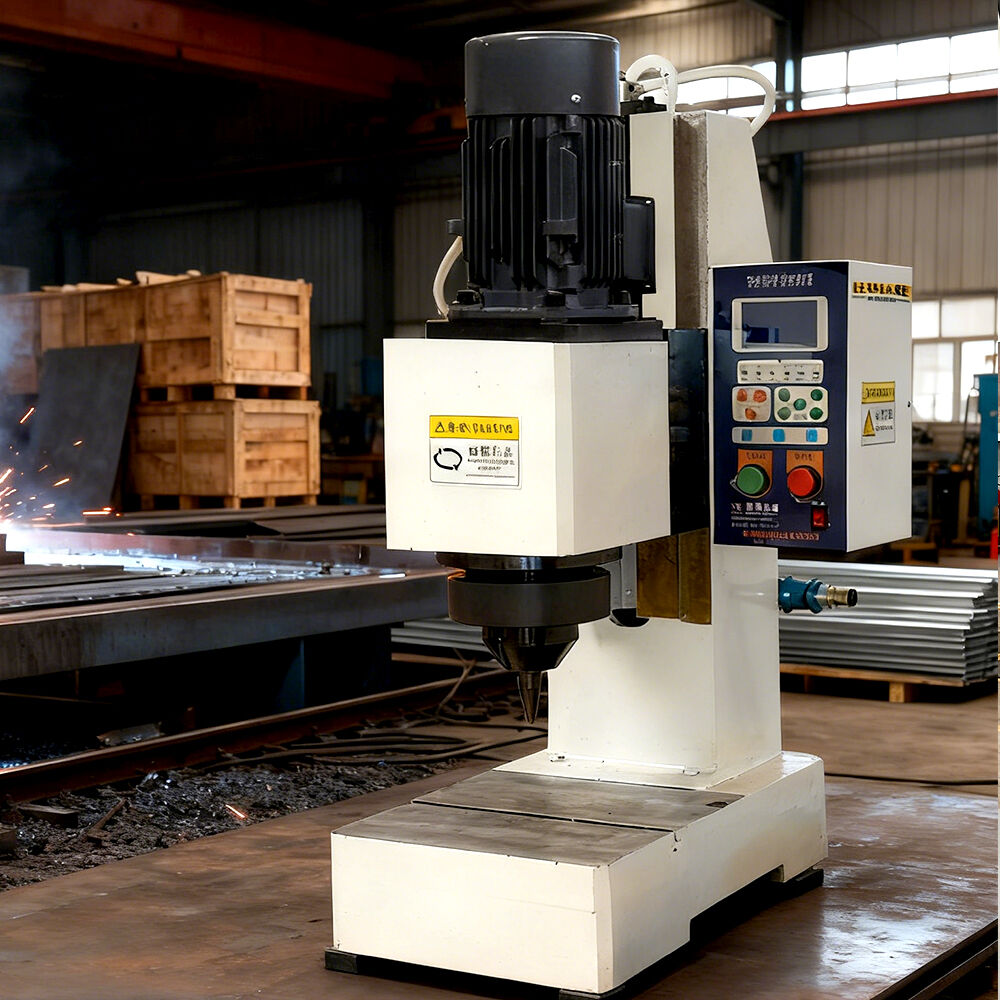
Automated riveting represents a revolutionary advancement in manufacturing technology that transforms traditional fastening processes through precision-engineered machinery and computerized control systems. This sophisticated technology eliminates the need for manual labor in rivet installation, delivering consistent, high-quality joints across various materials and applications. The automated riveting system integrates advanced robotics, servo-driven mechanisms, and intelligent monitoring capabilities to ensure optimal performance in demanding production environments. At its core, automated riveting machinery utilizes programmable logic controllers that coordinate multiple operational parameters, including rivet feeding, positioning accuracy, and force application. The system's primary functions encompass automatic rivet selection, precise hole alignment, controlled insertion pressure, and real-time quality verification. Modern automated riveting equipment features adaptive force control technology that adjusts compression parameters based on material thickness and rivet specifications, ensuring uniform joint integrity throughout the production cycle. The technological architecture incorporates sophisticated sensor networks that monitor critical variables such as rivet deformation, insertion depth, and joint tension. These systems employ advanced vision recognition technology for accurate component positioning and defect detection, significantly reducing human error and material waste. Automated riveting finds extensive applications across aerospace manufacturing, automotive assembly, construction equipment production, and electronics manufacturing. In aerospace applications, the technology ensures critical structural connections meet stringent safety standards while maintaining lightweight design requirements. Automotive manufacturers leverage automated riveting for body panel assembly, chassis construction, and interior component installation. The construction industry benefits from automated riveting in steel framework assembly, where consistent joint strength and weather resistance are paramount. Electronics manufacturers utilize miniaturized automated riveting systems for circuit board assembly and component mounting applications.
 EN
EN