Semi Automatic Riveting Machine - Precision Fastening Solutions for Industrial Manufacturing

Get a Free Quote

Our representative will contact you soon.
Email
Name
Company Name
Message
0/1000

semi automatic riveting machine

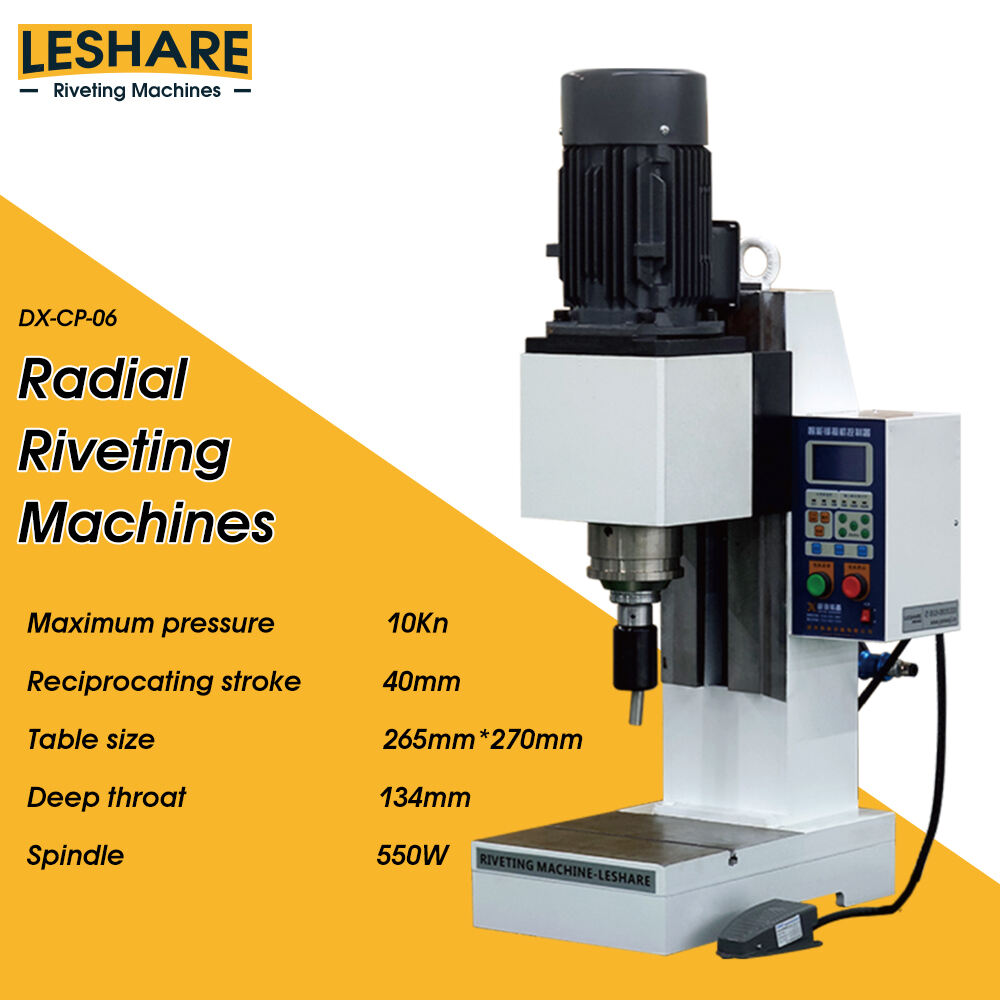
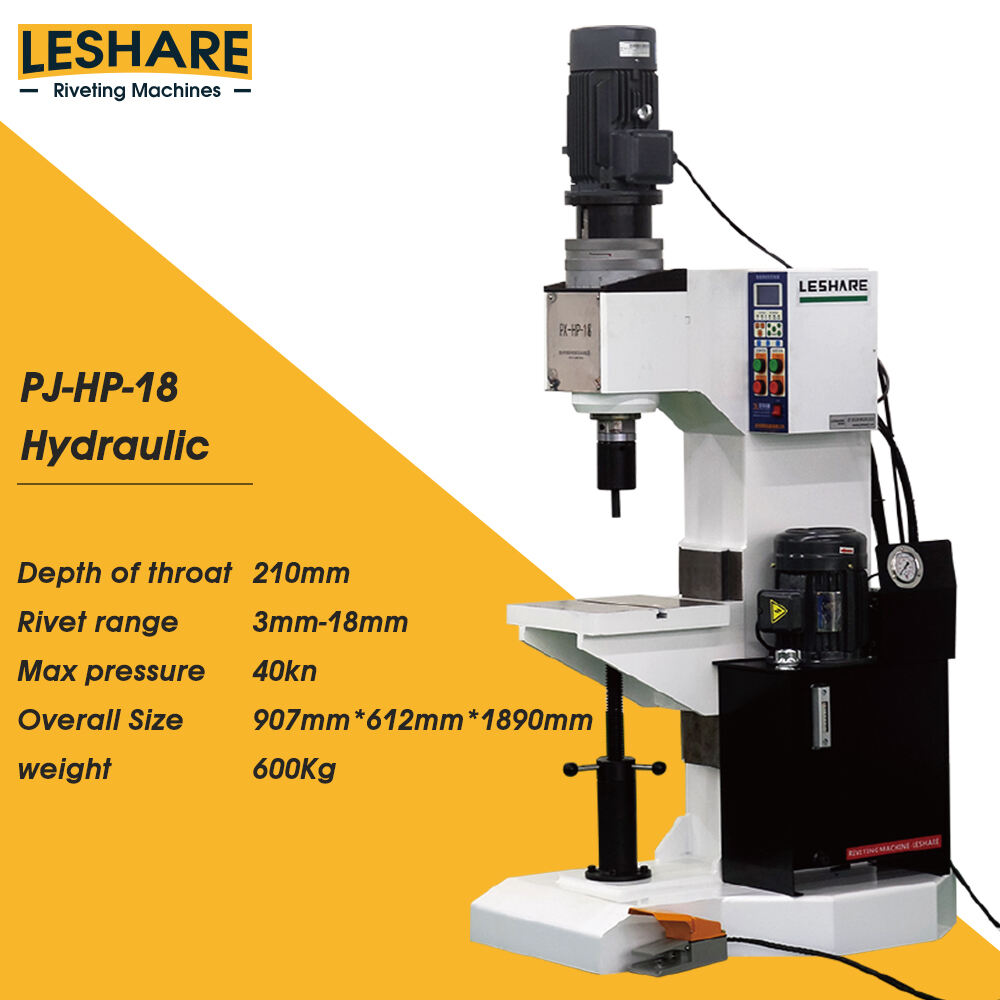
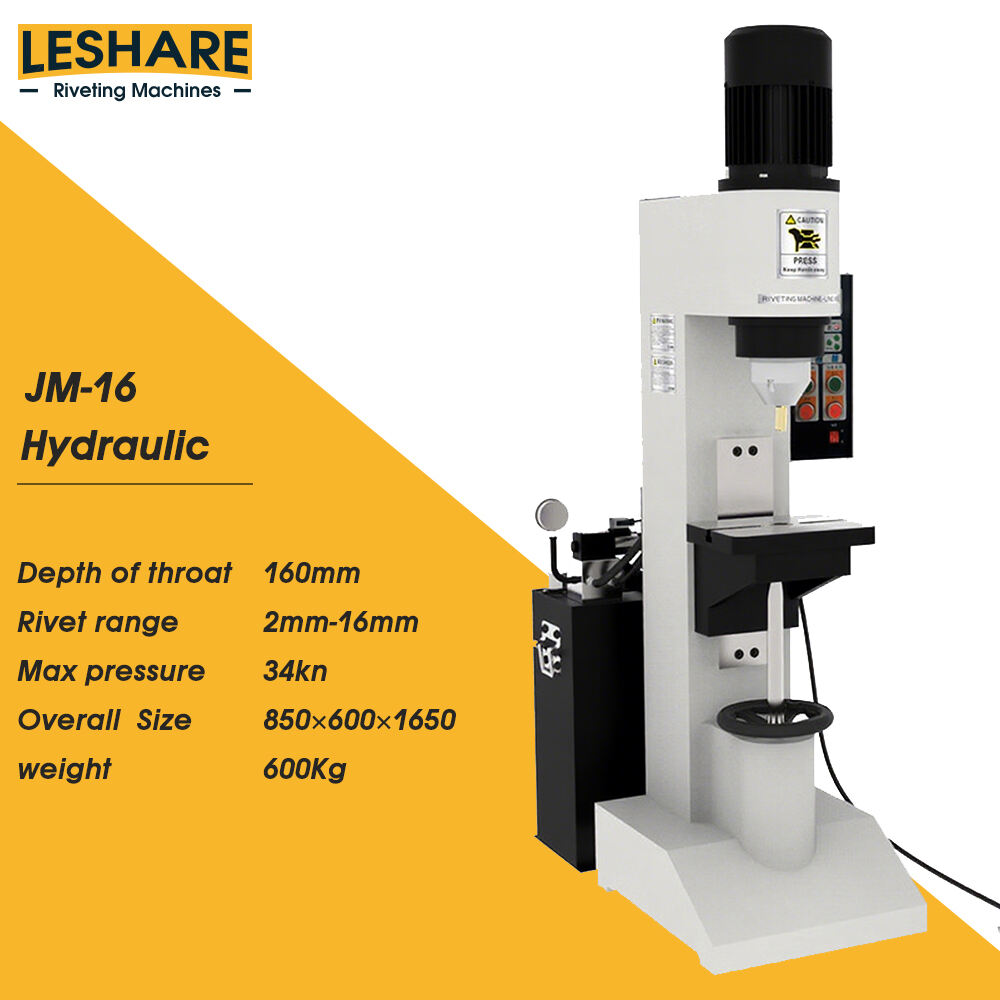
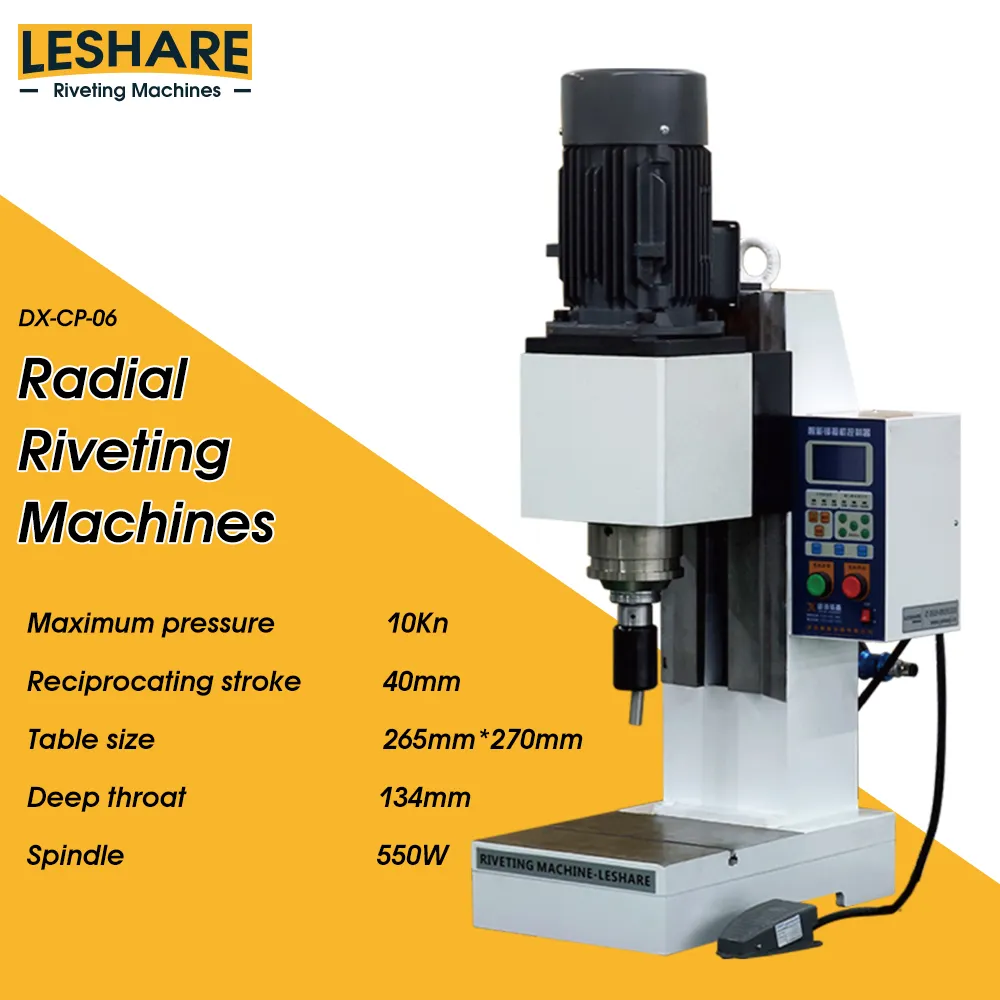
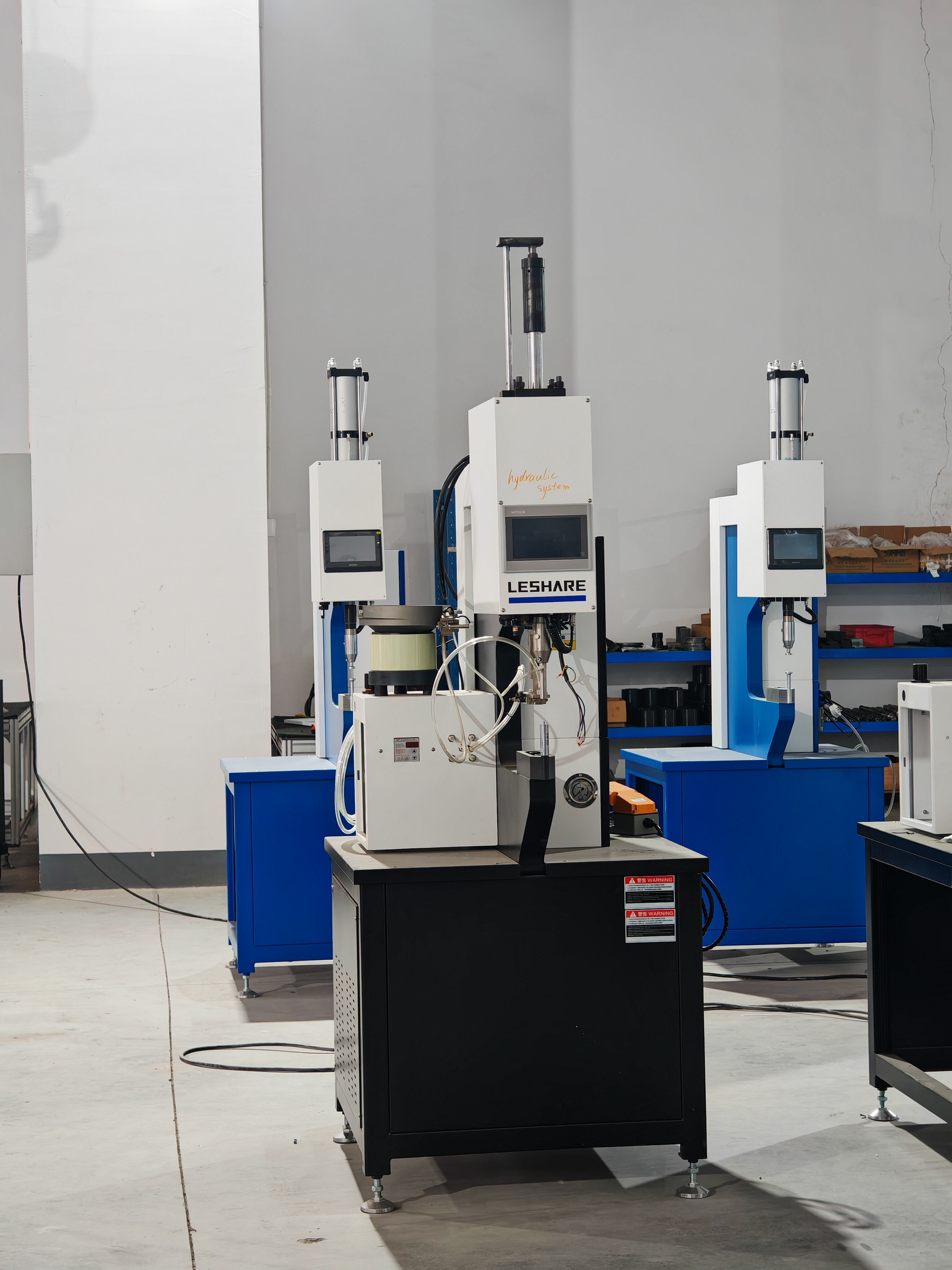
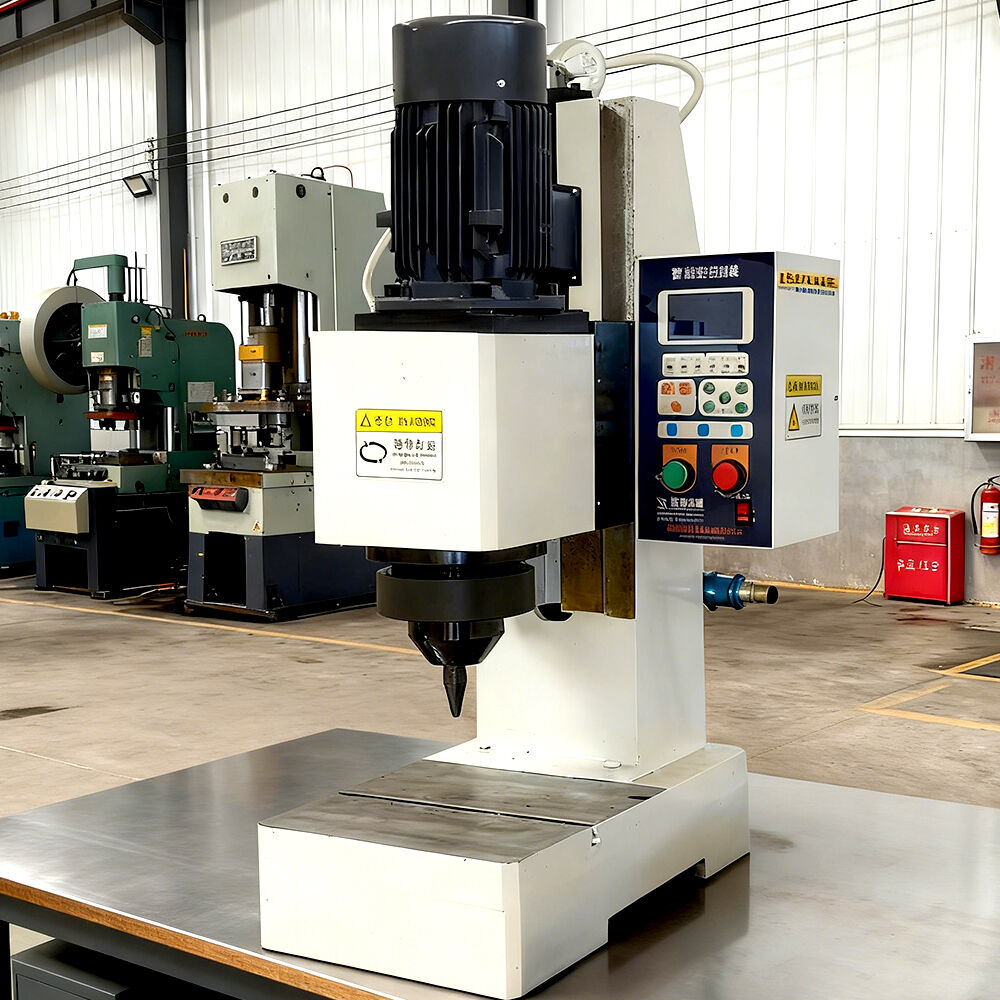
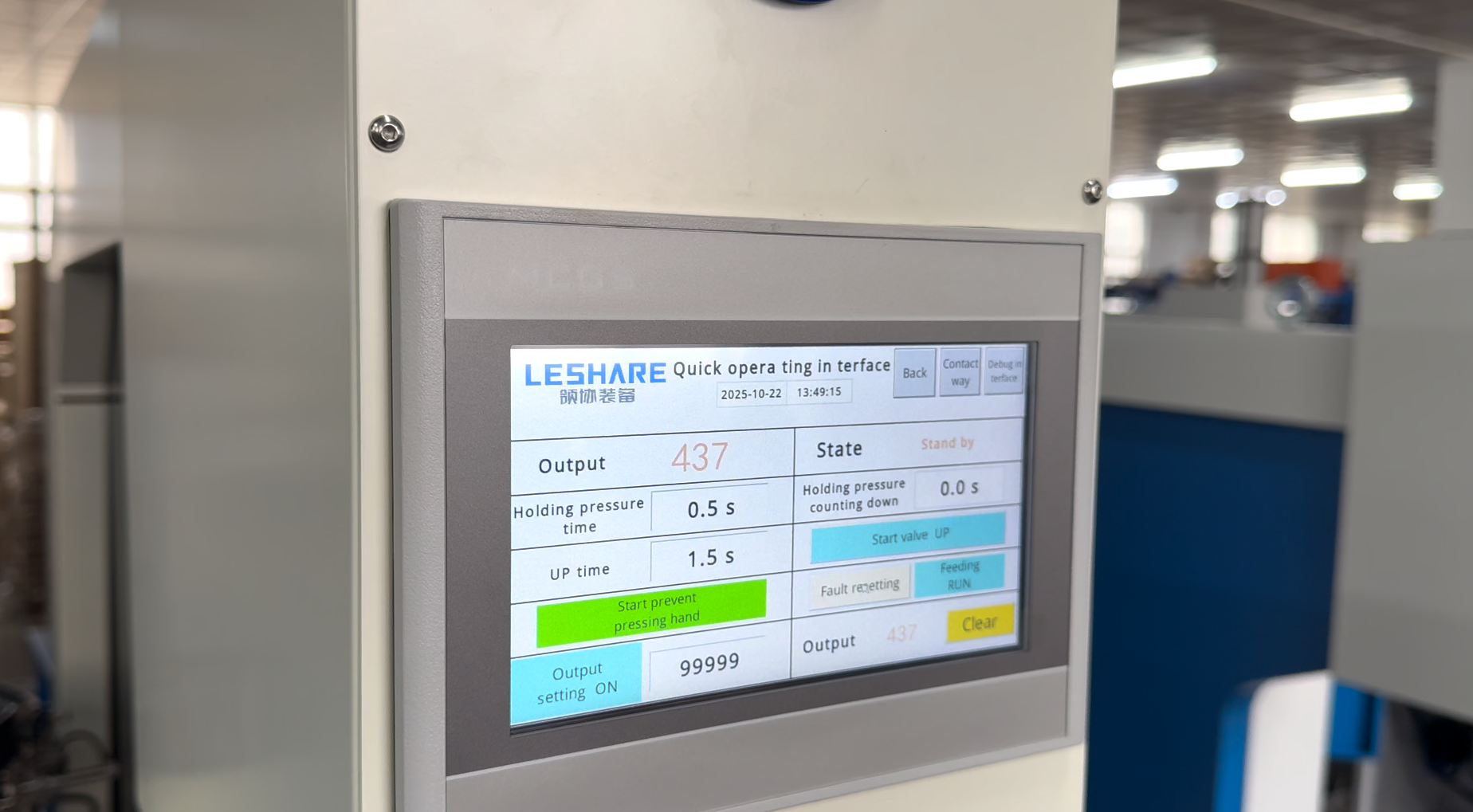
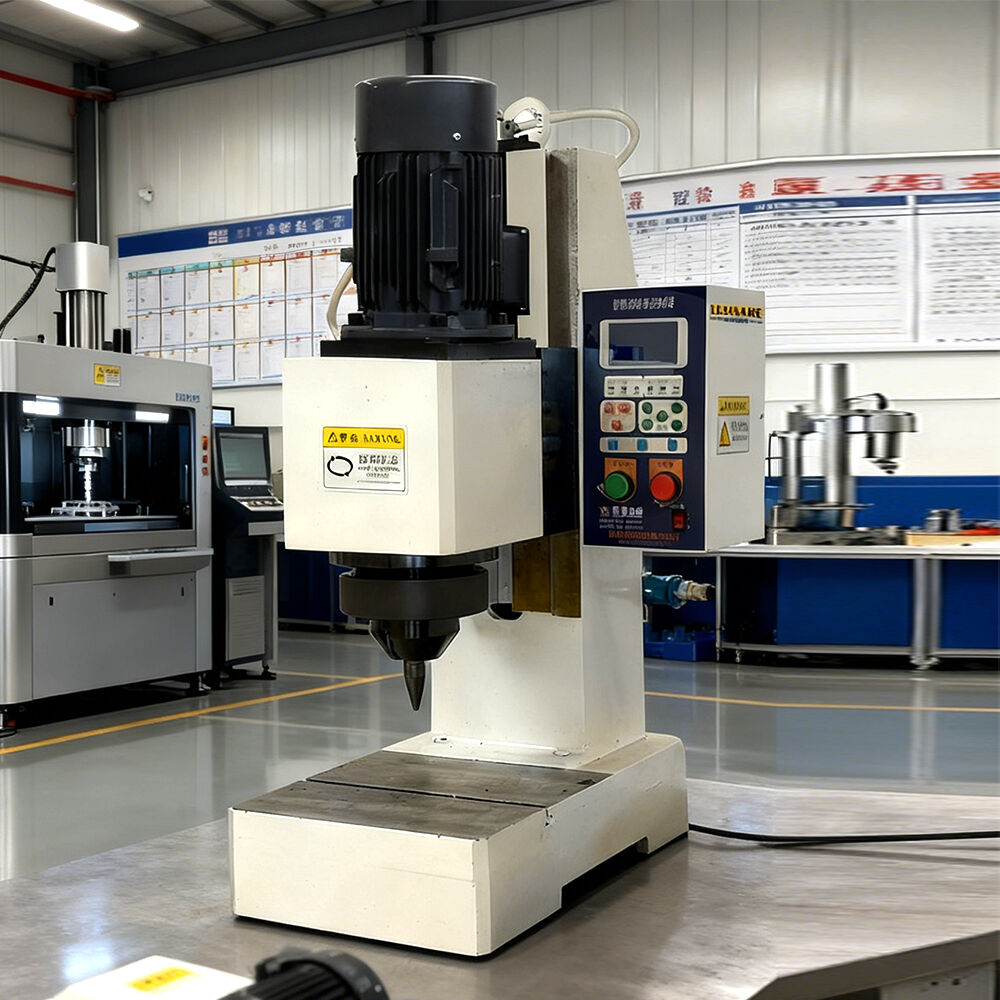
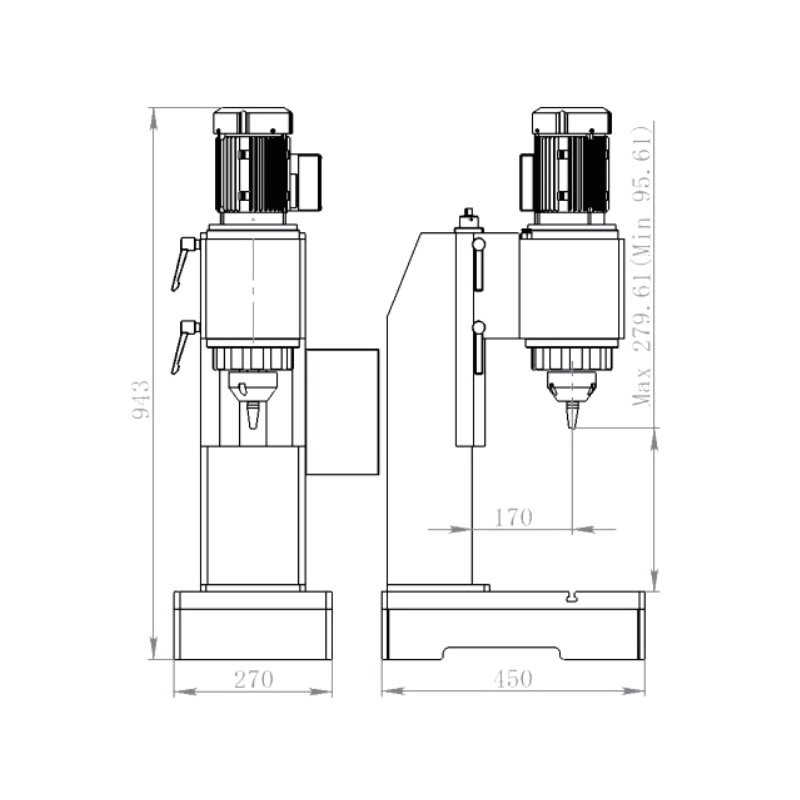
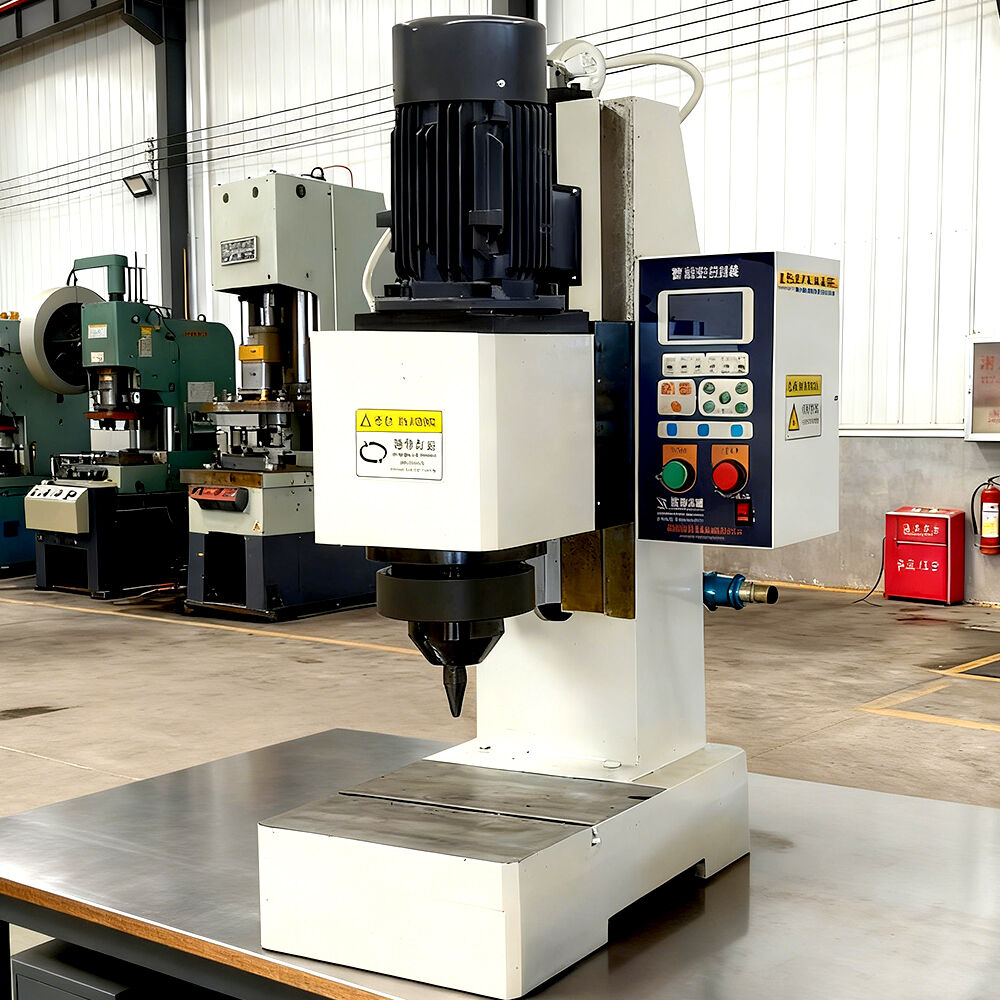
The semi automatic riveting machine represents a significant advancement in industrial fastening technology, combining manual operation control with automated mechanical processes to deliver consistent and efficient riveting solutions. This sophisticated equipment bridges the gap between fully manual riveting operations and completely automated systems, providing manufacturers with an optimal balance of precision, speed, and operational flexibility. The semi automatic riveting machine incorporates advanced pneumatic or hydraulic systems that generate controlled force application while allowing operators to maintain direct oversight of the riveting process. These machines feature adjustable pressure settings, precise positioning mechanisms, and ergonomic design elements that enhance both productivity and worker comfort. The technological framework includes digital pressure monitoring systems, automated feed mechanisms for rivets, and safety interlocks that prevent accidental operation. Most semi automatic riveting machine models incorporate quick-change tooling systems that accommodate various rivet sizes and materials without extensive setup time. The control interface typically features intuitive buttons and displays that allow operators to adjust parameters such as pressure levels, cycle timing, and positioning accuracy. Advanced models include programmable memory functions that store frequently used settings for different riveting applications. The semi automatic riveting machine excels in applications requiring moderate production volumes where complete automation may not be economically justified but manual riveting proves insufficient for consistency requirements. These versatile machines handle materials ranging from aluminum and steel to composite materials, making them suitable for aerospace, automotive, construction, and general manufacturing industries. The precision engineering ensures uniform rivet installation with minimal material distortion, while the automated force application eliminates variations typically associated with manual hammering techniques. Safety features include emergency stop mechanisms, protective shields, and proper exhaust systems for pneumatic models.

New Products

The semi automatic riveting machine delivers substantial benefits that transform manufacturing operations across multiple dimensions of performance and efficiency. Cost reduction represents one of the most compelling advantages, as these machines significantly decrease labor requirements while maintaining high-quality output standards. Unlike fully manual riveting that demands skilled operators and results in inconsistent quality, the semi automatic riveting machine enables less experienced workers to achieve professional-grade results through guided automation. This capability reduces training time and associated costs while expanding the available workforce pool. Production speed increases dramatically compared to manual methods, with the semi automatic riveting machine capable of completing riveting cycles in seconds rather than minutes. The automated force application eliminates the time-consuming hammering process while ensuring optimal rivet formation every time. Quality consistency emerges as another major advantage, as the semi automatic riveting machine applies precisely controlled pressure that creates uniform rivet installations across entire production runs. This consistency reduces rejection rates, minimizes rework requirements, and enhances overall product reliability. Operator safety improves significantly through the elimination of repetitive hammering motions that can cause strain injuries and fatigue. The semi automatic riveting machine reduces noise levels compared to pneumatic hammers, creating a more comfortable work environment while meeting occupational health standards. Flexibility stands out as a key operational advantage, allowing manufacturers to quickly switch between different rivet sizes and materials without extensive retooling. The programmable settings enable rapid changeovers between production runs, maximizing machine utilization and minimizing downtime. Material compatibility extends beyond traditional metals to include modern composites and specialized alloys, making the semi automatic riveting machine suitable for advanced manufacturing applications. Energy efficiency surpasses manual methods by utilizing controlled pneumatic or hydraulic systems that consume power only during active riveting cycles. Maintenance requirements remain minimal due to robust construction and fewer moving parts compared to fully automated systems. The semi automatic riveting machine provides excellent return on investment through increased productivity, reduced labor costs, improved quality, and enhanced worker satisfaction. These combined advantages make the semi automatic riveting machine an essential tool for manufacturers seeking to modernize their fastening operations while maintaining cost-effective production methods.

Latest News

Why Are Automotive Suppliers Increasingly Relying on Clinching Machines?

11

Dec

Why Are Automotive Suppliers Increasingly Relying on Clinching Machines?

The automotive manufacturing industry has witnessed a remarkable transformation in recent years, driven by the need for lighter, stronger, and more cost-effective production methods. Among the various technological advancements reshaping the sector, ...
View More
How Does a Fastener Insertion Machine Improve Productivity in Metal Fabrication?

11

Dec

How Does a Fastener Insertion Machine Improve Productivity in Metal Fabrication?

In today's competitive metal fabrication industry, manufacturers are constantly seeking innovative solutions to enhance production efficiency while maintaining quality standards. A fastener insertion machine represents a revolutionary advancement tha...
View More
Why choose lowspeed radial riveting for precision industrial assembly?

26

Feb

Why choose lowspeed radial riveting for precision industrial assembly?

Manufacturing precision and assembly quality have become critical differentiators in today's competitive industrial landscape. When it comes to joining metal components, lowspeed radial riveting stands out as a superior methodology that delivers cons...
View More
What Are the Key Benefits of Using a Fastener Insertion Machine?

18

Mar

What Are the Key Benefits of Using a Fastener Insertion Machine?

Manufacturing efficiency has become a critical factor for businesses seeking competitive advantages in today's industrial landscape. A fastener insertion machine represents a transformative solution that automates the precise placement of threaded in...
View More

Get a Free Quote

Our representative will contact you soon.
Email
Name
Company Name
Message
0/1000

semi automatic riveting machine

Precision Force Control Technology

Precision Force Control Technology

The precision force control technology integrated into the semi automatic riveting machine represents a revolutionary advancement that transforms how manufacturers approach fastening operations. This sophisticated system utilizes advanced pressure regulation mechanisms that deliver exactly the right amount of force for each specific rivet and material combination, eliminating the guesswork and inconsistency associated with manual riveting techniques. The technology incorporates digital pressure sensors that continuously monitor force application throughout the entire riveting cycle, ensuring optimal rivet formation without material damage or inadequate fastening. This precision control prevents over-compression that can weaken joints or under-compression that leads to loose connections, both of which compromise structural integrity and product reliability. The semi automatic riveting machine achieves force accuracy within tight tolerances, typically maintaining variations of less than 5 percent across thousands of riveting cycles. This consistency proves crucial for applications requiring certified joint strength, such as aerospace components, automotive safety systems, and structural assemblies. The adjustable pressure settings accommodate various material thicknesses and rivet specifications, allowing operators to optimize settings for each unique application. Advanced models feature programmable force profiles that can vary pressure throughout the riveting cycle, providing initial seating force followed by final compression pressure for optimal results. The technology includes pressure feedback systems that automatically compensate for material variations, tool wear, and environmental factors that might affect riveting quality. Real-time monitoring capabilities alert operators to pressure deviations, enabling immediate corrections before defective parts are produced. The precision force control system significantly reduces material waste by eliminating over-driven rivets that damage surrounding materials or under-driven rivets that require rework. This technology also extends tool life by preventing excessive force application that accelerates wear on riveting dies and punches. The semi automatic riveting machine with precision force control delivers measurable improvements in joint consistency, structural reliability, and production efficiency while reducing operator skill requirements and training time.
Ergonomic Design Excellence

Ergonomic Design Excellence

The ergonomic design excellence of the semi automatic riveting machine demonstrates a commitment to operator welfare and productivity that sets these machines apart from traditional riveting solutions. Every aspect of the machine design considers human factors engineering principles to minimize operator fatigue, reduce injury risk, and maximize work efficiency throughout extended production shifts. The semi automatic riveting machine features carefully positioned controls that fall within natural reach zones, eliminating awkward stretching or bending that can cause musculoskeletal strain. The operating height adjusts to accommodate different operator statures, ensuring comfortable working positions that maintain proper posture and reduce back stress. Intuitive control layouts place frequently used functions within easy thumb and finger reach, while emergency stops remain prominently positioned for immediate access. The machine incorporates vibration dampening systems that isolate operators from mechanical oscillations, preventing hand-arm vibration syndrome and improving comfort during extended use. Noise reduction engineering creates quieter operation compared to pneumatic hammers, protecting hearing while enabling better communication in production environments. The semi automatic riveting machine includes proper lighting systems that illuminate work areas without creating shadows or glare, reducing eye strain and improving accuracy. Quick-release mechanisms allow rapid tool changes without requiring excessive force or specialized tools, minimizing repetitive stress on hands and wrists. The workpiece positioning system features smooth sliding surfaces and balanced counterweights that reduce the physical effort required to manipulate heavy components. Safety guards and shields protect operators from moving parts while maintaining visibility of the work area, combining protection with operational awareness. The machine base design provides stable footing areas with anti-slip surfaces that prevent accidents while maintaining comfortable standing positions. Maintenance access points are strategically located to minimize awkward reaching or climbing requirements during routine service procedures. The semi automatic riveting machine incorporates adjustable work surfaces that accommodate various component sizes while maintaining optimal operator positioning. These comprehensive ergonomic features result in reduced worker compensation claims, increased job satisfaction, improved productivity, and enhanced quality through reduced operator fatigue and improved concentration.
Versatile Application Capability

Versatile Application Capability

The versatile application capability of the semi automatic riveting machine makes it an indispensable asset for manufacturers operating across diverse industries and working with varied materials, components, and production requirements. This adaptability stems from sophisticated engineering that accommodates multiple rivet types, material combinations, and assembly configurations without requiring expensive specialized equipment for each application. The semi automatic riveting machine handles solid rivets, blind rivets, tubular rivets, and specialty fasteners across size ranges from micro-rivets used in electronics to heavy-duty structural rivets for construction applications. Material compatibility extends beyond traditional aluminum and steel to include titanium, stainless steel, brass, copper, and advanced composite materials used in aerospace and automotive industries. The machine easily processes layered assemblies involving dissimilar materials, such as metal-to-composite joints that require precise pressure control to prevent delamination or crushing. Quick-change tooling systems enable operators to switch between different rivet sizes and types within minutes, maximizing machine utilization and minimizing setup time between production runs. The semi automatic riveting machine accommodates workpieces ranging from delicate electronic housings requiring gentle handling to robust structural components demanding high-force installation. Adjustable throat depth and reach capabilities allow access to confined spaces and complex geometries that challenge other riveting methods. The machine handles both production riveting for high-volume manufacturing and prototype work requiring frequent setup changes and specialized configurations. Programmable memory functions store optimal settings for frequently used applications, enabling consistent results across different operators and production shifts. The semi automatic riveting machine excels in assembly operations requiring precise rivet placement, such as aircraft skin panels, automotive body components, appliance housings, and electronic enclosures. Custom fixtures and positioning aids can be integrated to support specialized workpieces while maintaining the core machine versatility. The system adapts to various production environments, from clean-room electronics manufacturing to heavy industrial fabrication shops. Quality control features ensure consistent results regardless of application complexity, while data logging capabilities track performance metrics for process validation and continuous improvement. This comprehensive versatility eliminates the need for multiple specialized machines, reducing capital investment while providing manufacturers with the flexibility to adapt to changing market demands and new product requirements.

Get a Free Quote

Our representative will contact you soon.
Email
Name
Company Name
Message
0/1000