Professional Press Riveting Machine Solutions - Advanced Manufacturing Equipment

Get a Free Quote

Our representative will contact you soon.
Email
Name
Company Name
Message
0/1000

press riveting machine

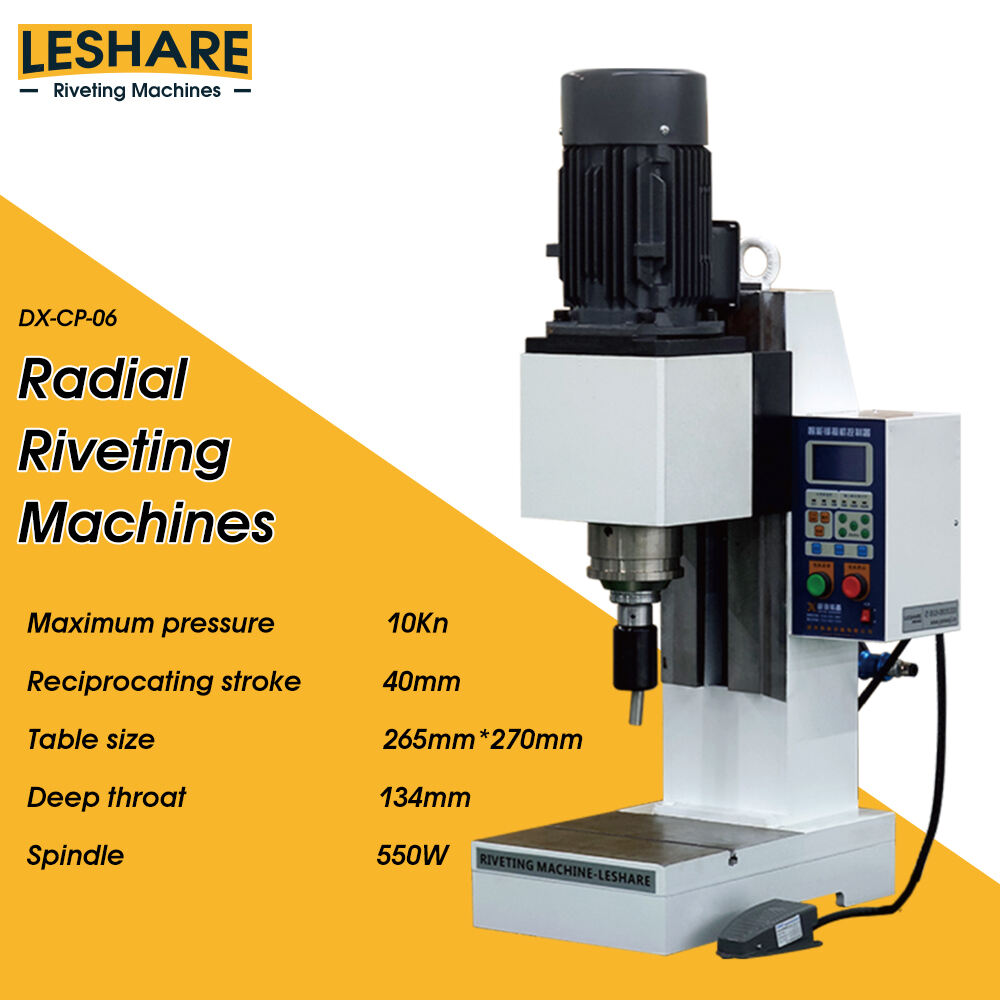
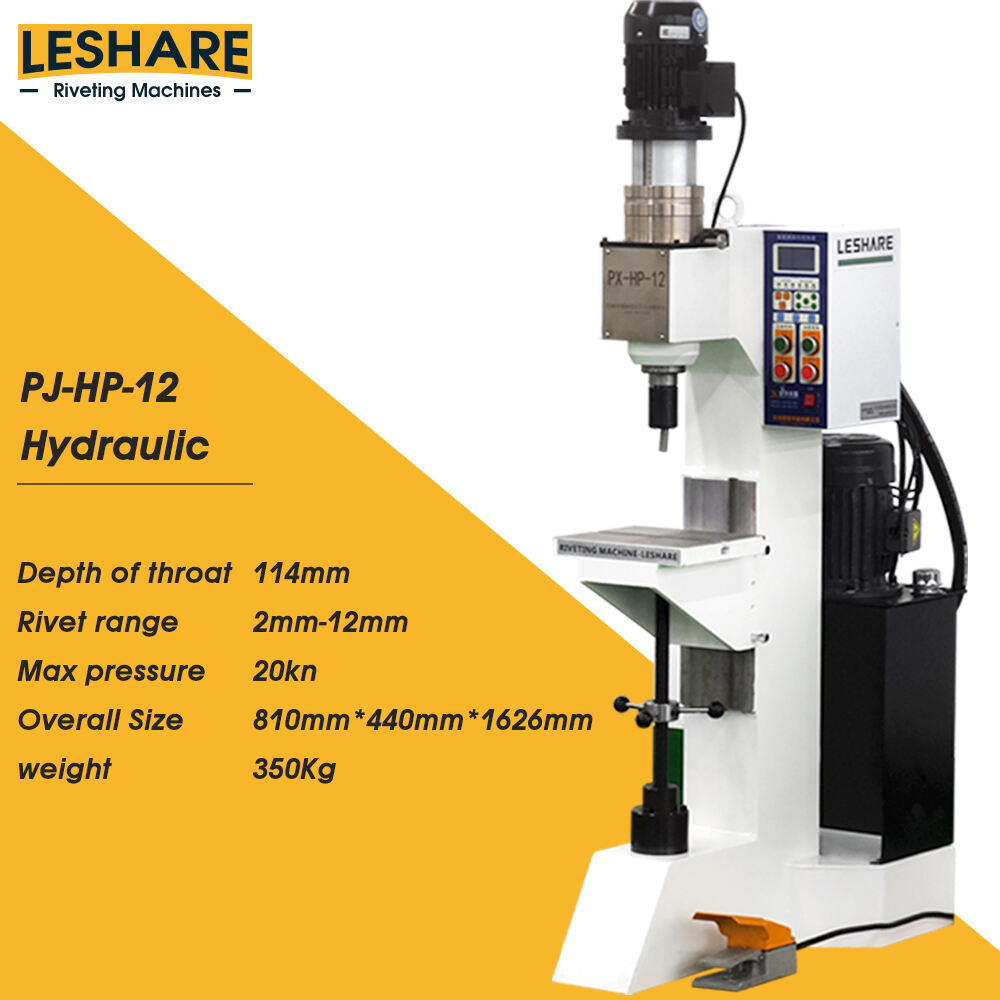
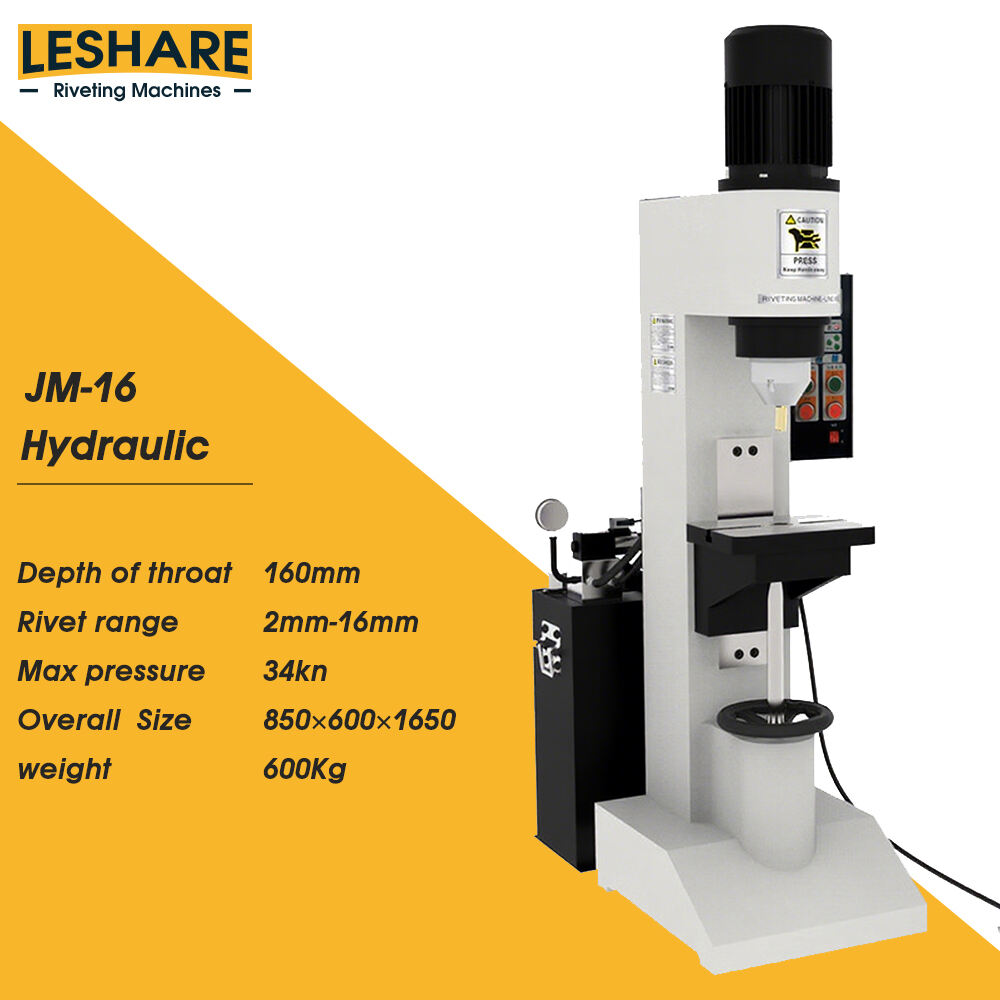
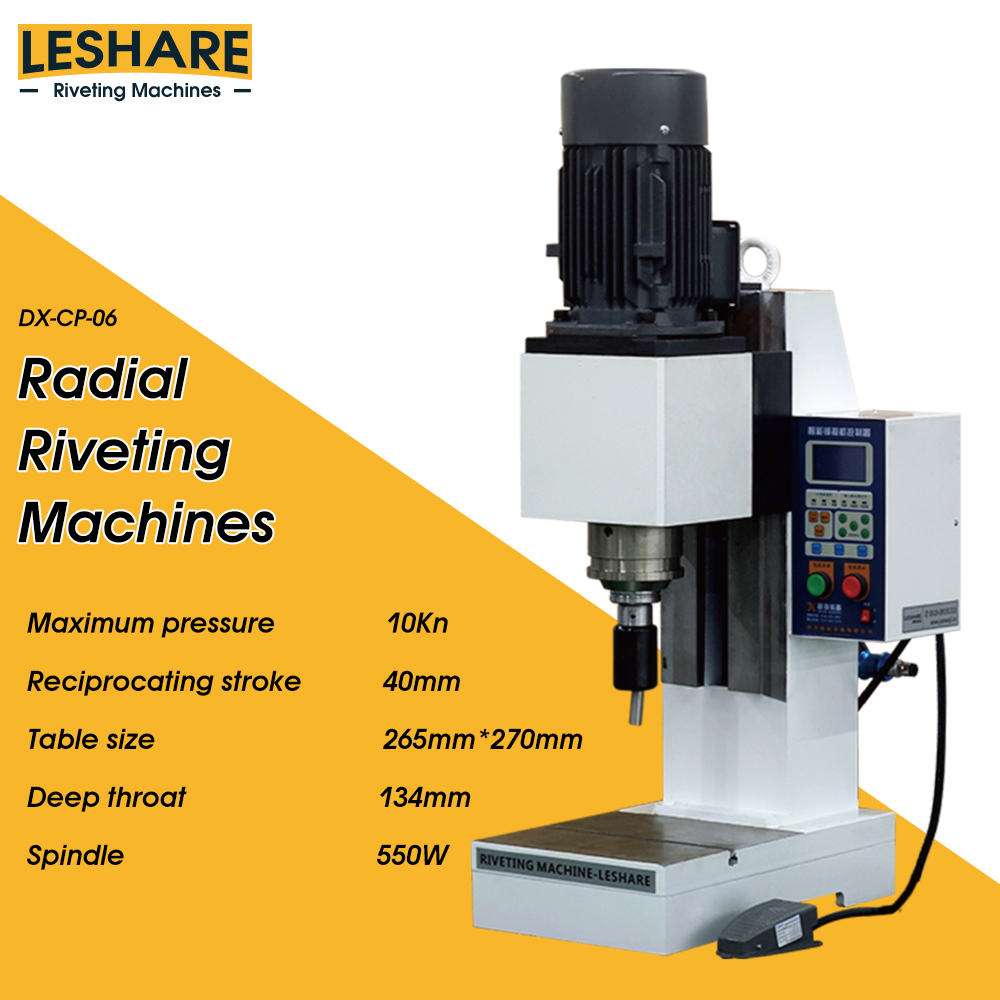
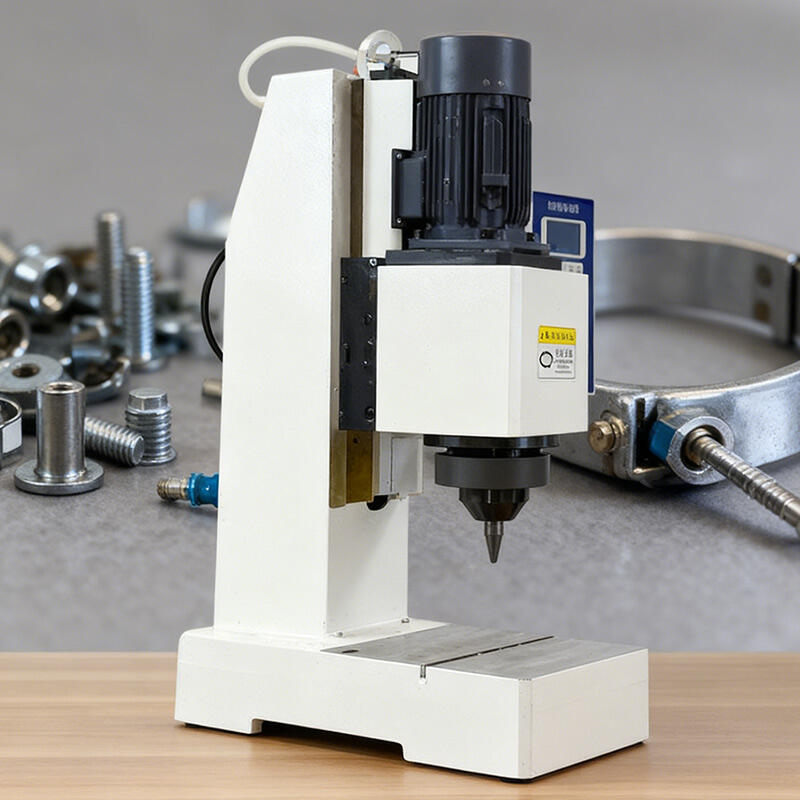
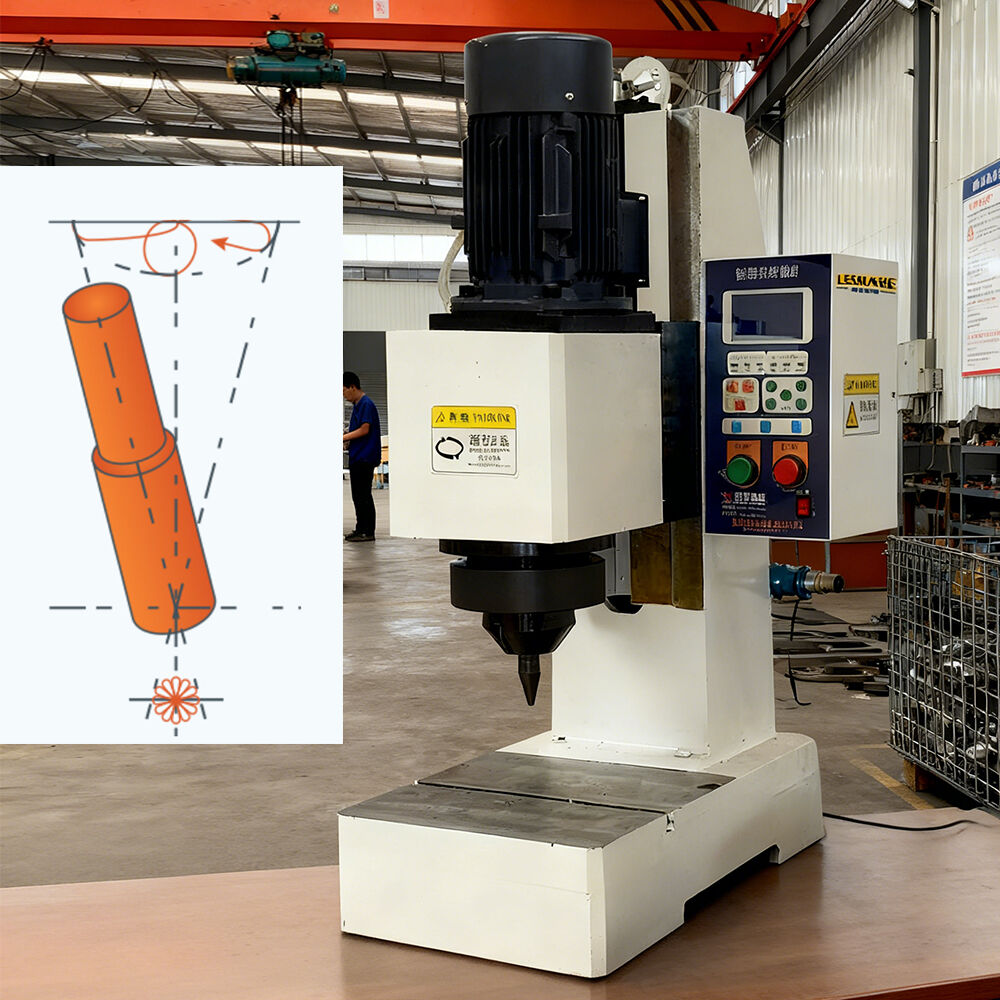
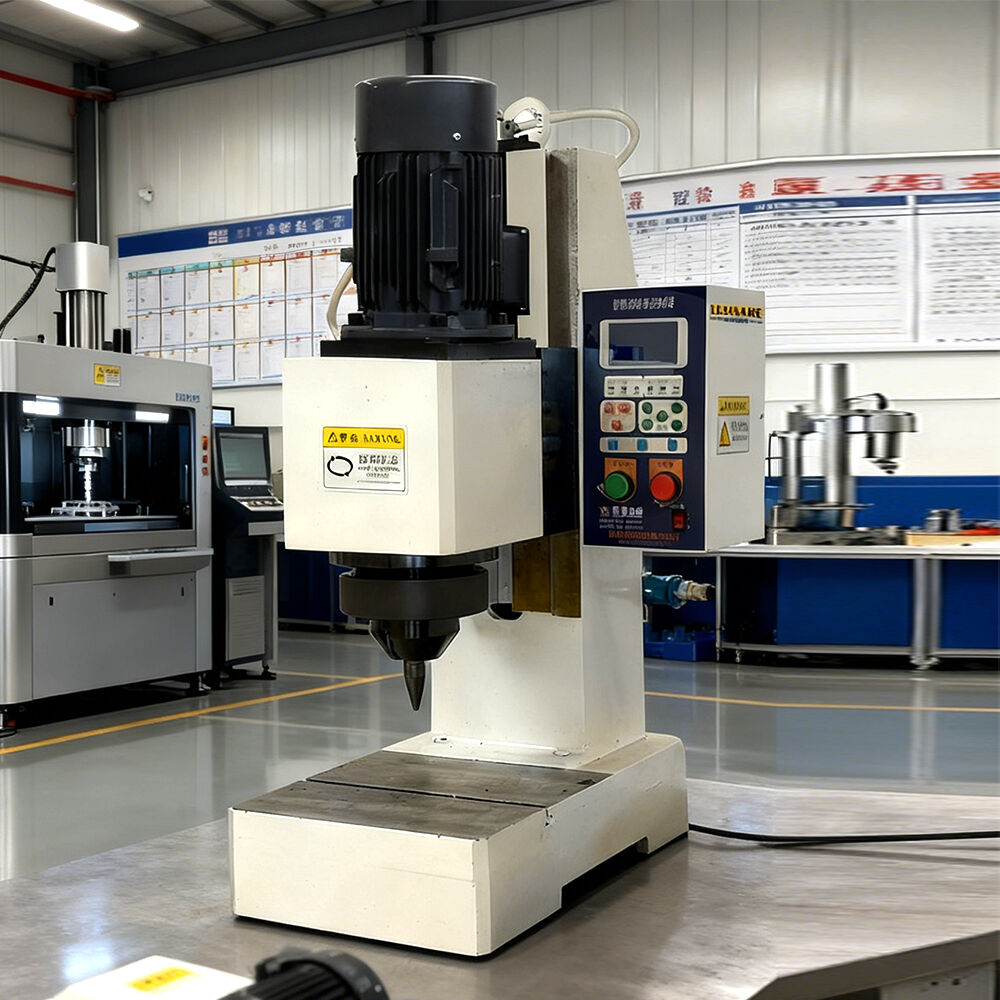
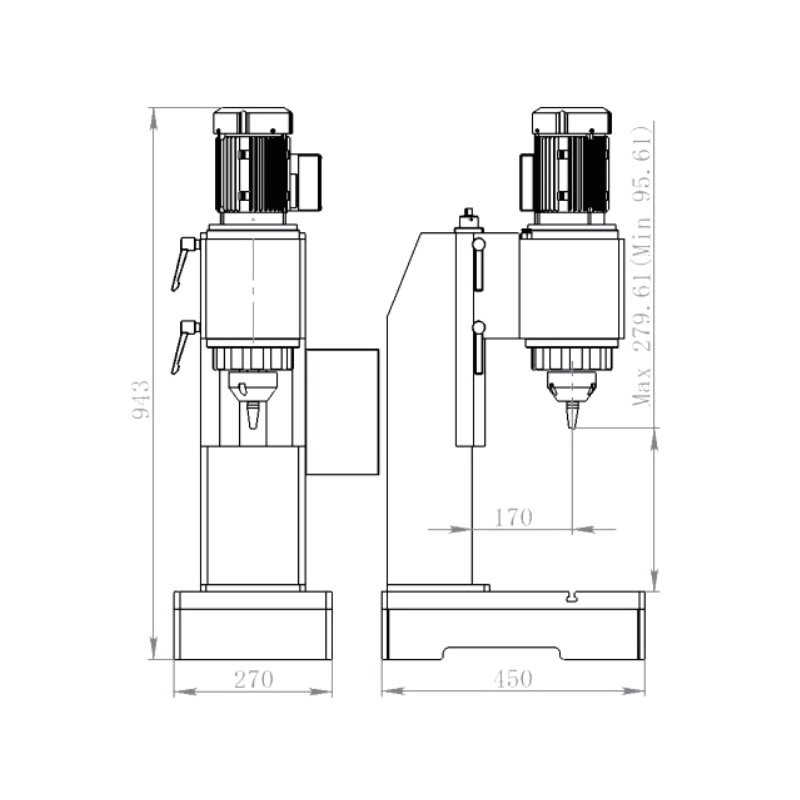
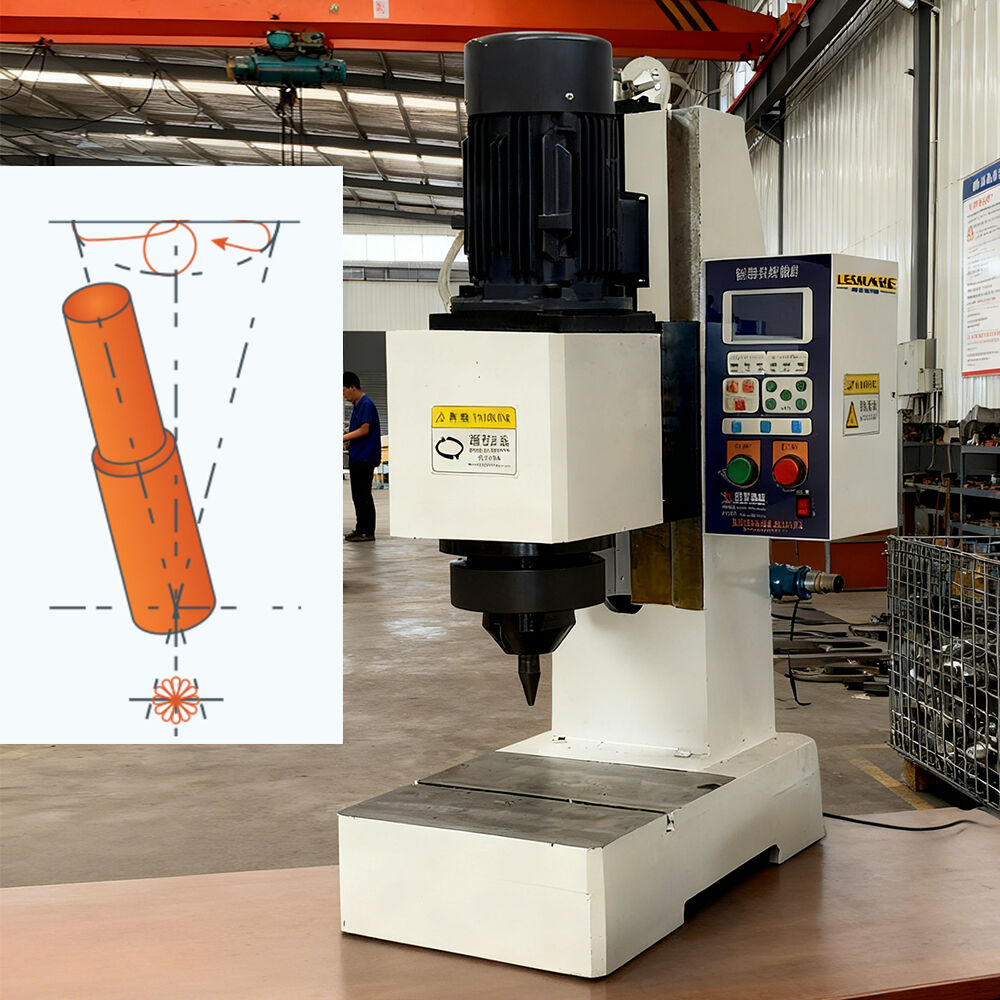
The press riveting machine represents a cornerstone of modern manufacturing technology, designed to create permanent mechanical joints through controlled force application. This sophisticated equipment utilizes hydraulic or pneumatic pressure systems to insert rivets into pre-drilled holes, forming strong, durable connections between materials. The press riveting machine operates by positioning workpieces precisely within its framework, then applying tremendous downward force to deform the rivet shaft, creating a secure mechanical bond that withstands significant stress and vibration. Modern press riveting machines incorporate advanced servo-motor technology, programmable logic controllers, and precision measurement systems to ensure consistent results across high-volume production runs. These machines feature adjustable pressure settings, allowing operators to customize force application based on material thickness, rivet specifications, and joint requirements. The technological architecture includes safety interlocks, emergency stop mechanisms, and operator protection shields to maintain workplace safety standards. Press riveting machines accommodate various rivet types including solid rivets, blind rivets, and specialty fasteners across diameter ranges from 2mm to 12mm. The equipment's modular design enables quick tooling changes, reducing setup times between different production batches. Advanced models incorporate quality monitoring systems that measure rivet installation parameters in real-time, automatically rejecting defective joints and maintaining production quality. The press riveting machine's frame construction utilizes heavy-duty steel components engineered to absorb operational forces without deflection, ensuring consistent rivet placement accuracy. Integration capabilities allow seamless connection with automated production lines, robotic handling systems, and manufacturing execution software. Temperature compensation features adjust operational parameters based on ambient conditions, maintaining consistent performance across varying environmental factors. The press riveting machine's versatility extends across multiple industries including automotive assembly, aerospace manufacturing, electronics production, and construction equipment fabrication.

New Product Releases

Press riveting machines deliver exceptional operational efficiency that transforms manufacturing workflows through automated precision joining processes. These machines eliminate manual hammering techniques, reducing worker fatigue while increasing production speeds by up to 300 percent compared to traditional riveting methods. The automated operation ensures consistent rivet installation quality, minimizing human error and reducing rework costs that typically plague manual assembly processes. Quality control becomes significantly enhanced as press riveting machines maintain uniform pressure application across every joint, creating reliable connections that meet stringent industry specifications. Cost reduction benefits manifest through decreased labor requirements, as single operators can manage multiple press riveting machines simultaneously, optimizing workforce allocation. Material waste reduction occurs through precise rivet placement and controlled deformation, eliminating the overdriven or underdriven installations common in manual operations. The press riveting machine's programmable settings accommodate rapid changeovers between different rivet sizes and materials, reducing downtime and increasing manufacturing flexibility. Safety improvements represent crucial advantages as operators remain protected from repetitive stress injuries associated with manual hammering while enclosed work areas prevent rivet debris from causing workplace hazards. Energy efficiency gains result from optimized pressure cycles that consume power only during active riveting operations, unlike continuous-operation alternatives. Maintenance requirements stay minimal due to robust construction and sealed hydraulic systems that operate reliably for extended periods without significant intervention. Production scalability becomes achievable as press riveting machines integrate seamlessly into automated assembly lines, supporting volume increases without proportional labor expansion. Traceability features embedded in modern press riveting machines record installation parameters for each rivet, supporting quality audits and compliance documentation required in regulated industries. The versatility advantage allows manufacturers to process diverse material combinations including aluminum-to-steel, composite-to-metal, and various thickness configurations within single equipment installations. Return on investment accelerates through reduced rejection rates, increased throughput, and lower operational costs that typically recover initial equipment investments within 18-24 months of implementation.

Latest News

What to consider when sourcing nonrotating shaft radial riveter systems?

26

Feb

What to consider when sourcing nonrotating shaft radial riveter systems?

Manufacturing precision and assembly efficiency depend heavily on selecting the right fastening equipment for your production line. When evaluating nonrotating shaft radial riveter systems, understanding the critical factors that influence performanc...
View More
How to implement lowspeed radial riveting in automated production lines?

26

Feb

How to implement lowspeed radial riveting in automated production lines?

Manufacturing excellence in modern production environments demands precision joining techniques that deliver consistent results while maintaining operational efficiency. Lowspeed radial riveting has emerged as a cornerstone technology for automated a...
View More
How Does an Orbital Riveting Machine Improve Assembly Efficiency?

26

Feb

How Does an Orbital Riveting Machine Improve Assembly Efficiency?

Manufacturing industries constantly seek innovative solutions to enhance assembly efficiency while maintaining superior product quality. An orbital riveting machine represents a breakthrough technology that revolutionizes traditional fastening method...
View More
What Are the Key Benefits of Using a Fastener Insertion Machine?

18

Mar

What Are the Key Benefits of Using a Fastener Insertion Machine?

Manufacturing efficiency has become a critical factor for businesses seeking competitive advantages in today's industrial landscape. A fastener insertion machine represents a transformative solution that automates the precise placement of threaded in...
View More

Get a Free Quote

Our representative will contact you soon.
Email
Name
Company Name
Message
0/1000

press riveting machine

Advanced Force Control Technology

Advanced Force Control Technology

The press riveting machine's advanced force control technology represents a revolutionary breakthrough in precision joining applications, delivering unparalleled accuracy and consistency across diverse manufacturing requirements. This sophisticated system employs servo-controlled hydraulic actuators combined with real-time force feedback sensors to maintain exact pressure parameters throughout the riveting process. The technology continuously monitors applied forces, automatically adjusting pressure delivery to accommodate material variations, rivet hardness differences, and joint geometry changes that occur during production runs. Force control precision reaches tolerances within 1 percent of target values, ensuring every rivet installation meets exact specifications regardless of operator experience or environmental conditions. The system's intelligent algorithms predict optimal force curves based on material properties and rivet specifications, automatically configuring pressure profiles that maximize joint strength while preventing over-deformation damage. Multiple force stages can be programmed into single riveting cycles, allowing gradual material deformation that reduces stress concentrations and improves fatigue resistance in critical applications. Safety integration features prevent excessive force application that could damage workpieces or tooling, while under-force detection systems identify incomplete installations before parts leave the work station. The press riveting machine's force control technology adapts dynamically to material stack-up variations, automatically compensating for thickness tolerances that would otherwise create inconsistent joint quality. Data logging capabilities record force profiles for every rivet installation, creating comprehensive quality documentation that supports traceability requirements and process optimization initiatives. Advanced diagnostic functions analyze force signature patterns to predict maintenance needs, identifying worn tooling or hydraulic system degradation before quality issues occur. The technology's flexibility accommodates specialized applications including heat-treated materials, dissimilar metal joining, and composite assemblies that require precise force management to prevent delamination or cracking. Integration with manufacturing execution systems enables real-time quality monitoring and automatic rejection of out-of-specification installations, maintaining consistent production standards without operator intervention.
Versatile Multi-Material Compatibility

Versatile Multi-Material Compatibility

Press riveting machines demonstrate exceptional versatility through comprehensive multi-material compatibility that addresses diverse manufacturing challenges across numerous industries and applications. This adaptability stems from sophisticated tooling systems and programmable parameters that accommodate material combinations ranging from soft aluminum alloys to high-strength aerospace steels without requiring equipment modifications. The press riveting machine's universal design handles thickness variations from 0.5mm thin sheet applications to 25mm heavy-duty structural assemblies, making it suitable for electronics manufacturing through heavy machinery production. Material compatibility extends to challenging combinations including aluminum-to-steel joints, composite-to-metal assemblies, and dissimilar thickness applications that traditional joining methods cannot reliably accommodate. The equipment's programmable force curves automatically adjust deformation patterns based on material properties, ensuring optimal joint formation regardless of hardness differentials or thermal expansion coefficients between joined materials. Specialized tooling options support unique applications including countersunk installations, flush-surface requirements, and blind-side access situations where traditional riveting approaches prove impractical. The press riveting machine processes various rivet materials including aluminum, steel, stainless steel, and specialty alloys, while accommodating different head configurations such as round heads, countersunk heads, and large flange designs. Coating compatibility ensures proper installation of anodized, painted, or plated components without surface damage that compromises corrosion protection or aesthetic requirements. Temperature-sensitive materials receive appropriate handling through controlled deformation rates that minimize heat generation during the riveting process, preventing damage to heat-sensitive substrates or adhesive bonds in hybrid assemblies. The versatility extends to workpiece configurations including flat sheets, formed components, curved surfaces, and complex geometries that require specialized fixturing solutions integrated with the press riveting machine's standard equipment. Quality consistency across different material combinations results from adaptive control algorithms that automatically optimize installation parameters based on real-time feedback from force sensors and displacement measurements, ensuring reliable joints regardless of material variations within production batches.
Automated Quality Assurance Integration

Automated Quality Assurance Integration

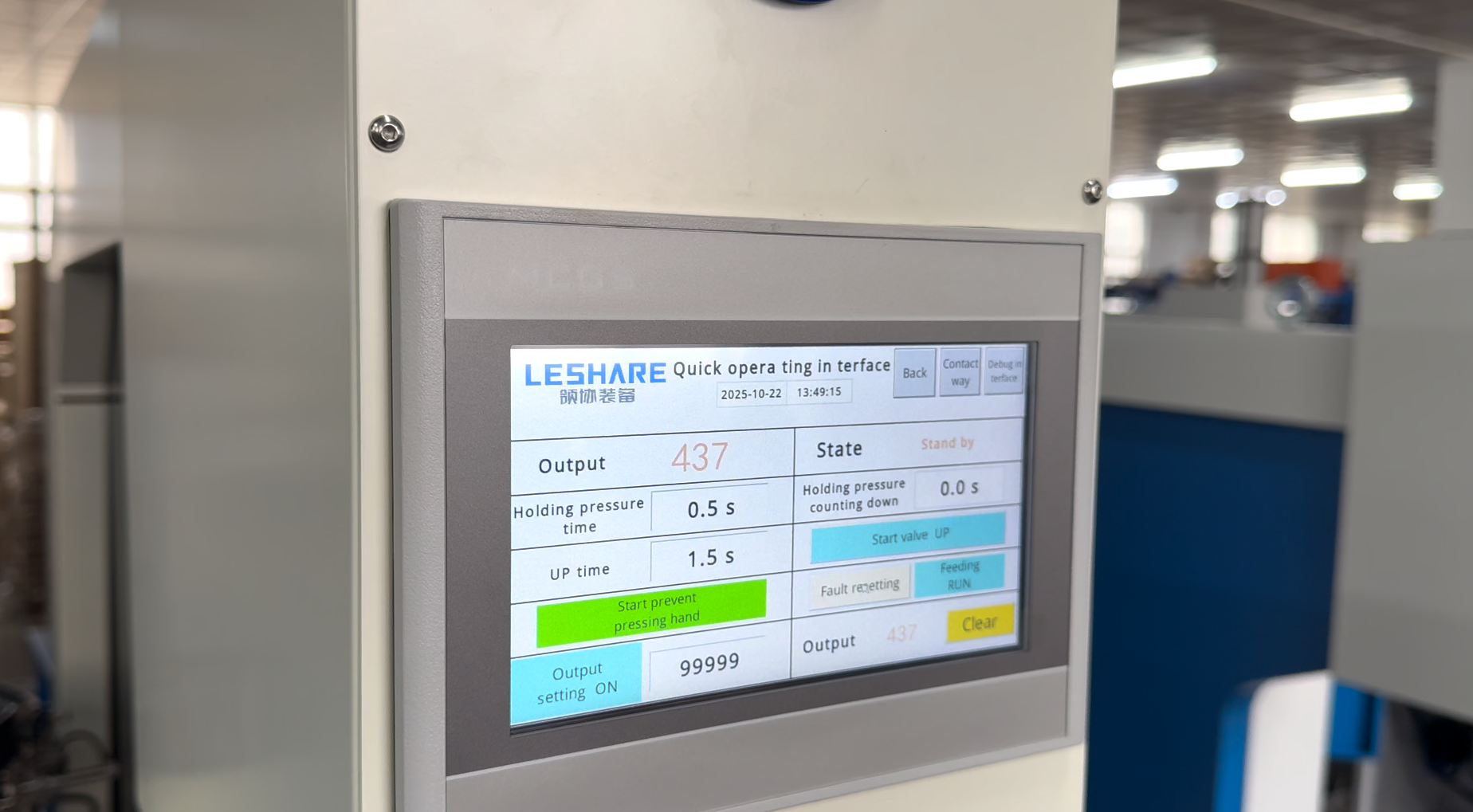
The press riveting machine's automated quality assurance integration revolutionizes manufacturing quality control through comprehensive monitoring systems that eliminate defective installations while maintaining production efficiency. This advanced integration combines multiple sensor technologies including force measurement, displacement tracking, and acoustic monitoring to create a complete quality verification system that operates in real-time during each riveting cycle. The quality assurance system automatically establishes acceptance criteria based on rivet specifications and material properties, creating dynamic quality windows that accommodate normal process variations while rejecting true defects. Multi-parameter monitoring simultaneously evaluates installation force curves, rivet deformation patterns, and final dimensions to identify issues including incomplete installations, over-driven rivets, and improper material deformation that could compromise joint integrity. Statistical process control functions continuously analyze quality data streams, identifying trends that indicate tooling wear, material variations, or process drift before defective parts are produced. The press riveting machine's quality integration provides immediate feedback to operators through visual and audible alerts when installations fall outside acceptable parameters, enabling immediate corrective action that prevents defective products from advancing to subsequent operations. Automated documentation systems record detailed installation data for every rivet, creating comprehensive quality records that support traceability requirements and customer audit expectations without additional operator tasks. The quality assurance integration interfaces seamlessly with manufacturing execution systems, automatically updating production records and triggering downstream process adjustments when quality issues are detected. Machine learning algorithms analyze historical quality data to predict optimal process parameters for new applications, reducing setup time and improving first-run success rates when processing unfamiliar material combinations. Defect classification capabilities categorize rejection reasons, providing valuable feedback for process improvement initiatives and supplier quality discussions. The system's flexibility allows customization of quality criteria for different product lines, automatically switching between inspection protocols based on part identification or production recipes loaded into the press riveting machine's control system. Remote monitoring capabilities enable quality engineers to observe installation parameters from central locations, supporting multi-machine quality oversight and rapid response to quality issues across manufacturing facilities.

Get a Free Quote

Our representative will contact you soon.
Email
Name
Company Name
Message
0/1000