Comprehensive Quality Monitoring Capabilities
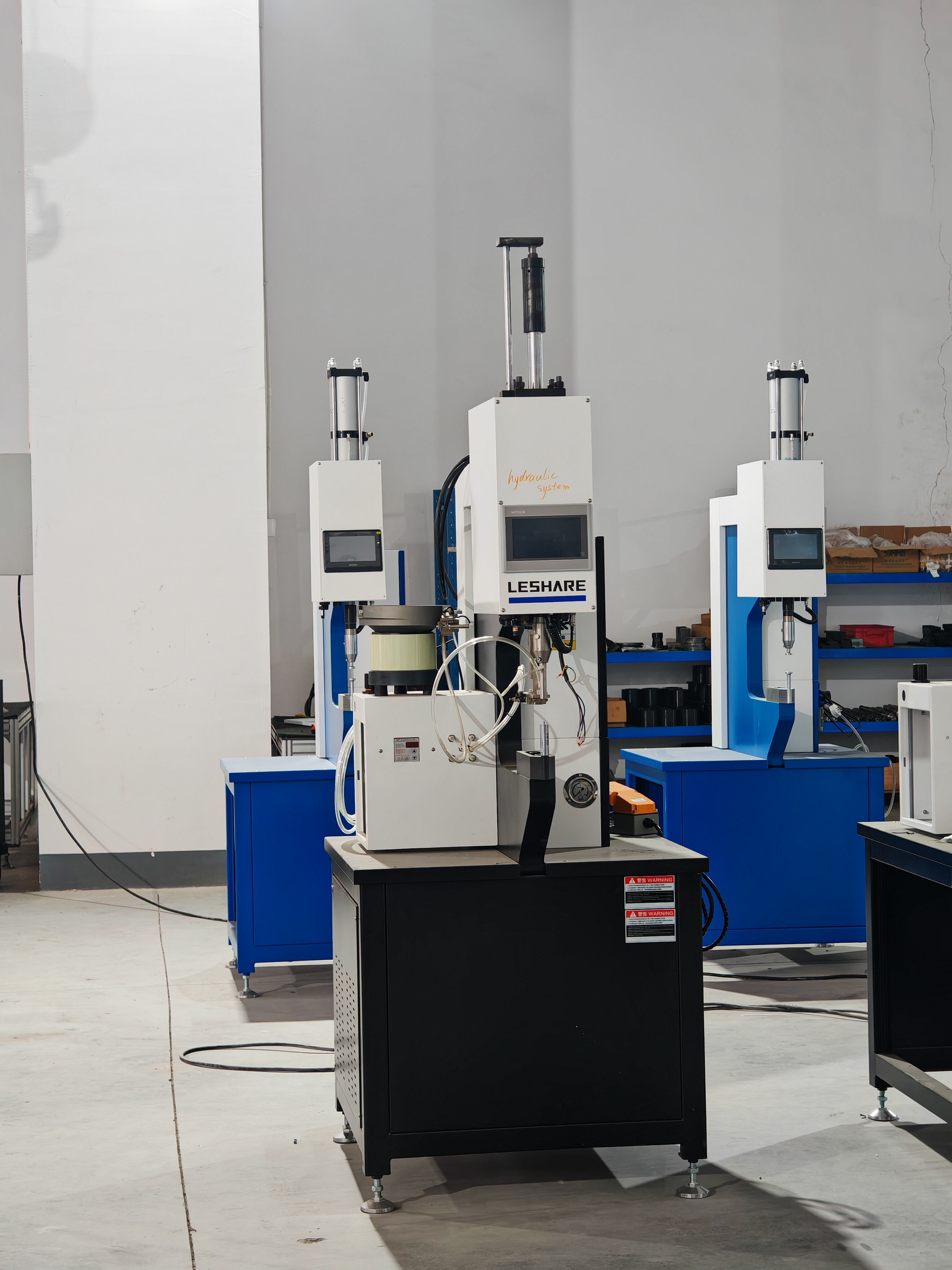
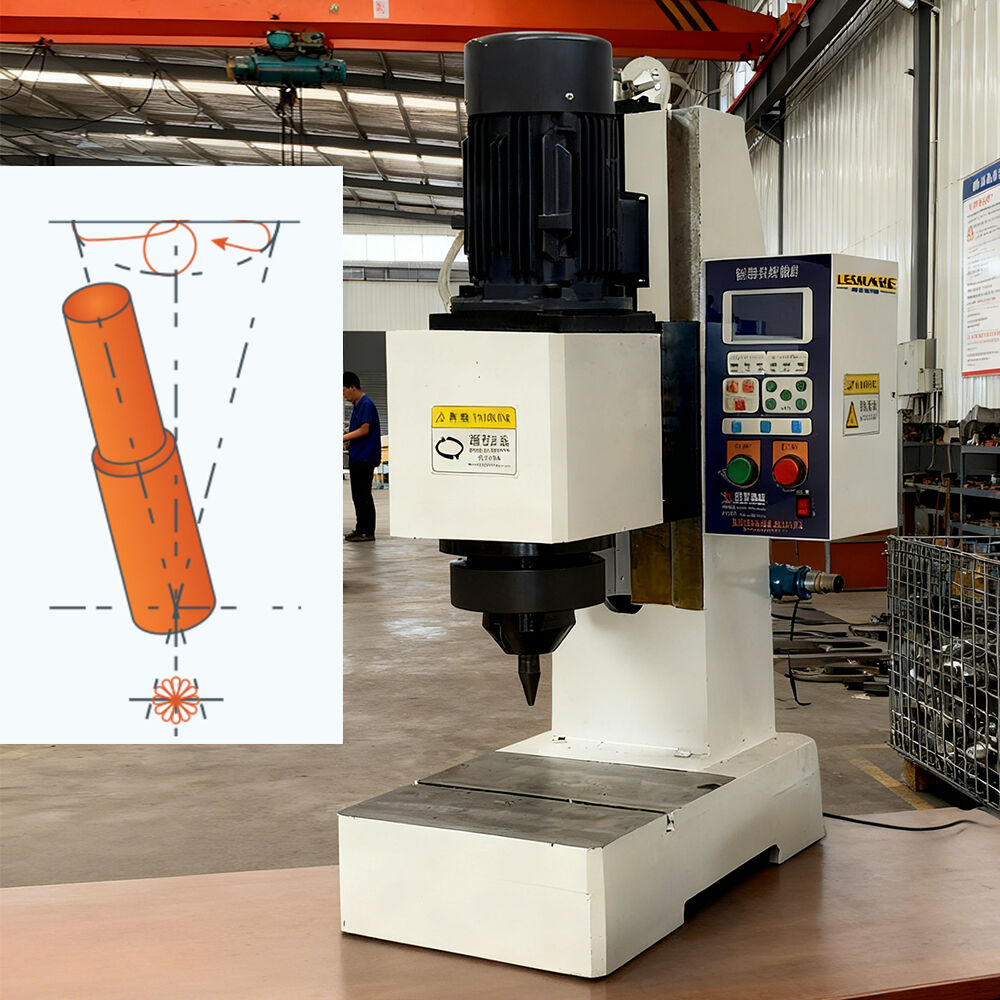
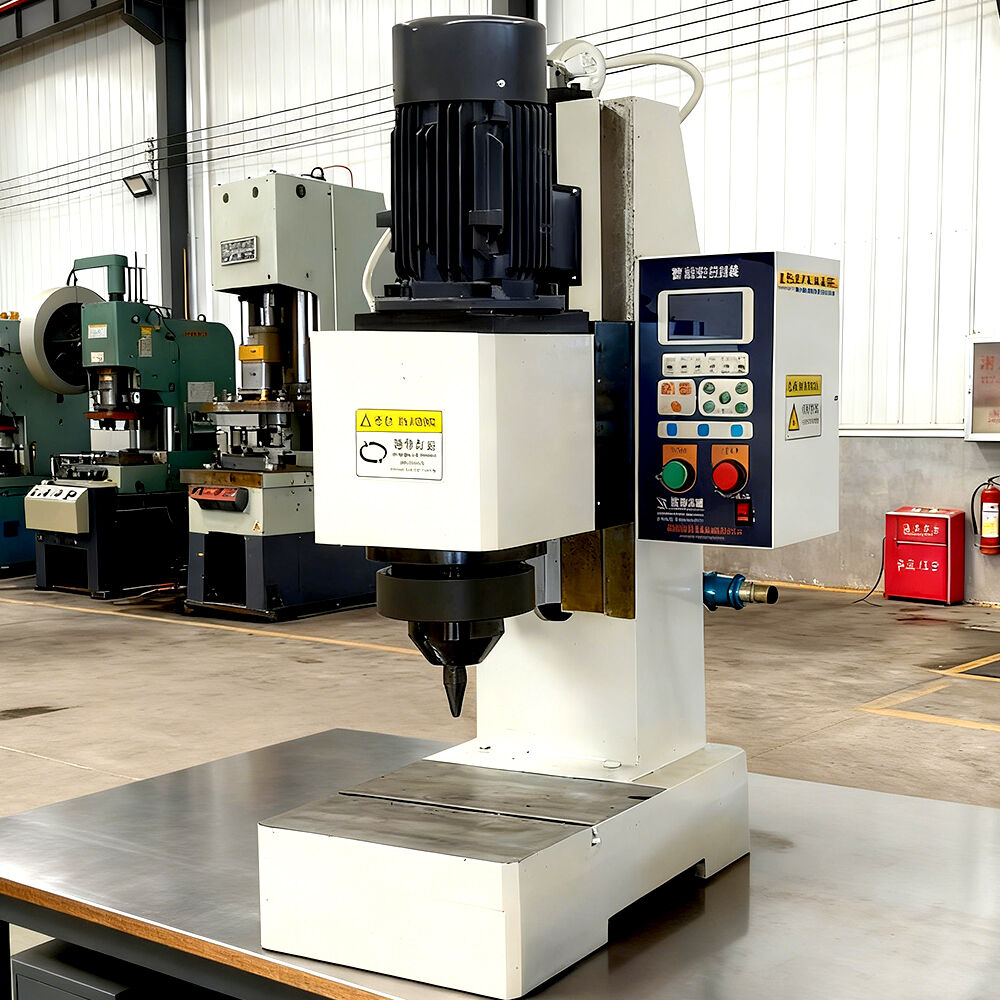
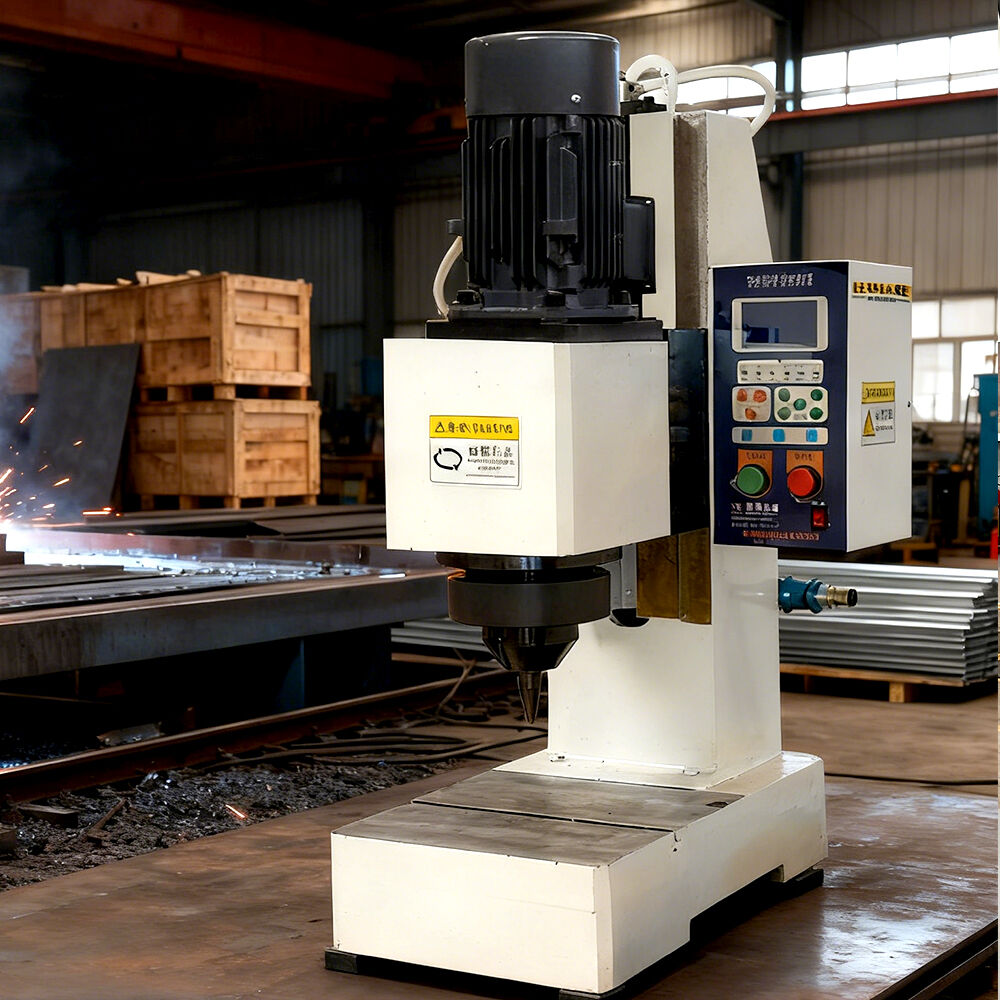
The comprehensive quality monitoring capabilities built into the auto feed riveting machine establish new standards for fastening process control and product assurance, providing manufacturers with unprecedented visibility into every aspect of their riveting operations. This sophisticated monitoring system combines multiple sensor technologies, including force transducers, displacement encoders, vibration sensors, and optical inspection systems, to create a complete quality profile for each rivet installation. The auto feed riveting machine continuously analyzes critical parameters such as installation force, rivet deformation, joint gap closure, and cycle consistency to ensure that every fastener meets specified quality standards before the assembly moves to the next production stage. Real-time statistical process control algorithms track trends and variations in key quality metrics, alerting operators to potential process drift before defects occur, thereby preventing costly production runs of substandard parts. The system's data acquisition capabilities capture and store detailed information about each riveting cycle, including time stamps, force curves, displacement profiles, and pass/fail status, creating a comprehensive audit trail for quality assurance and regulatory compliance purposes. Advanced visualization tools present quality data through intuitive dashboards and trend charts, enabling production managers to quickly identify patterns, optimize process parameters, and implement continuous improvement initiatives. The monitoring system includes configurable alarm thresholds that can be customized for different products and quality requirements, ensuring that operators receive immediate notification when installations fall outside acceptable limits. Integration capabilities allow the auto feed riveting machine to communicate quality data to higher-level manufacturing execution systems and enterprise resource planning platforms, facilitating seamless information flow throughout the organization. The system supports multiple quality standards and protocols, including ISO 9001, AS9100, and TS 16949, helping manufacturers maintain compliance with industry-specific requirements. Automated reject handling ensures that any assemblies failing quality checks are immediately identified and removed from the production stream, preventing defective products from reaching customers. The comprehensive nature of these monitoring capabilities makes the auto feed riveting machine particularly valuable for industries with stringent quality requirements, such as medical device manufacturing, aerospace applications, and automotive safety components, where the cost of field failures far exceeds the investment in prevention through superior process control.
 EN
EN