Professional Hot Riveting Machine - Advanced Industrial Riveting Solutions for Manufacturing Excellence

Get a Free Quote

Our representative will contact you soon.
Email
Name
Company Name
Message
0/1000

hot riveting machine

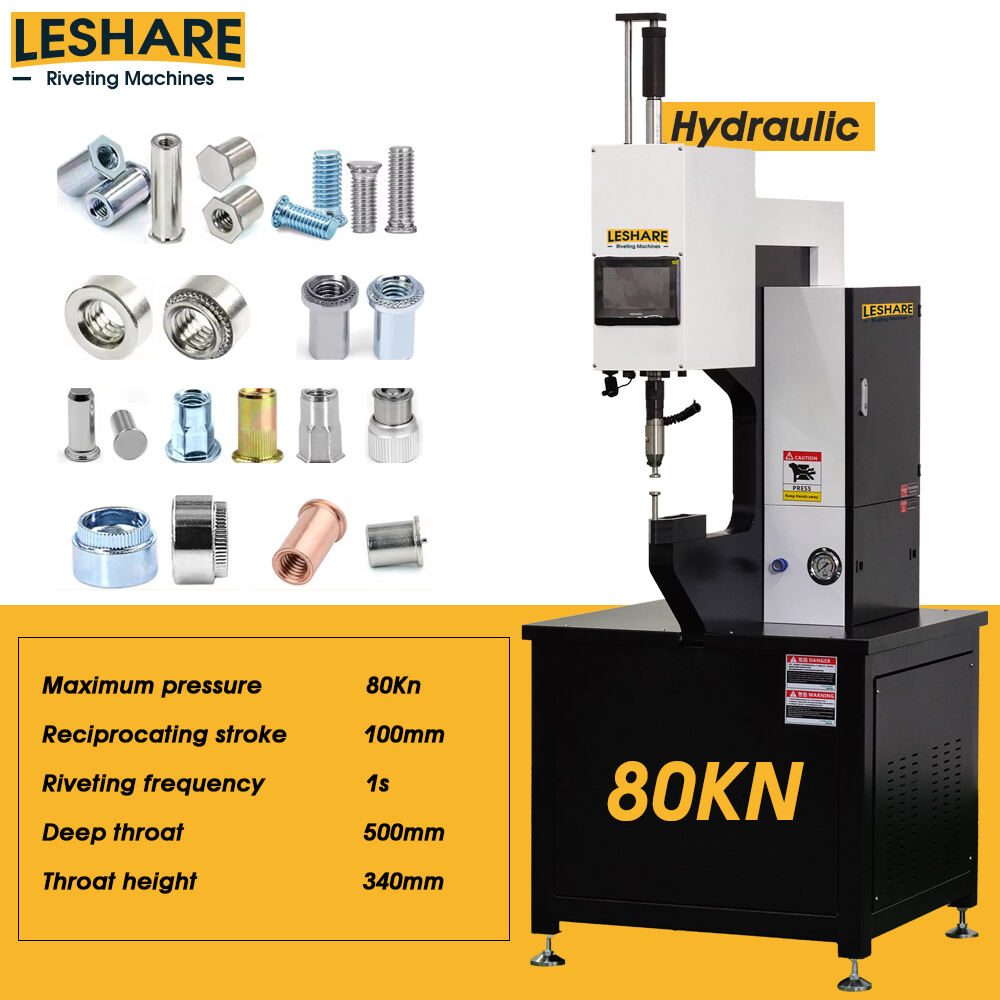
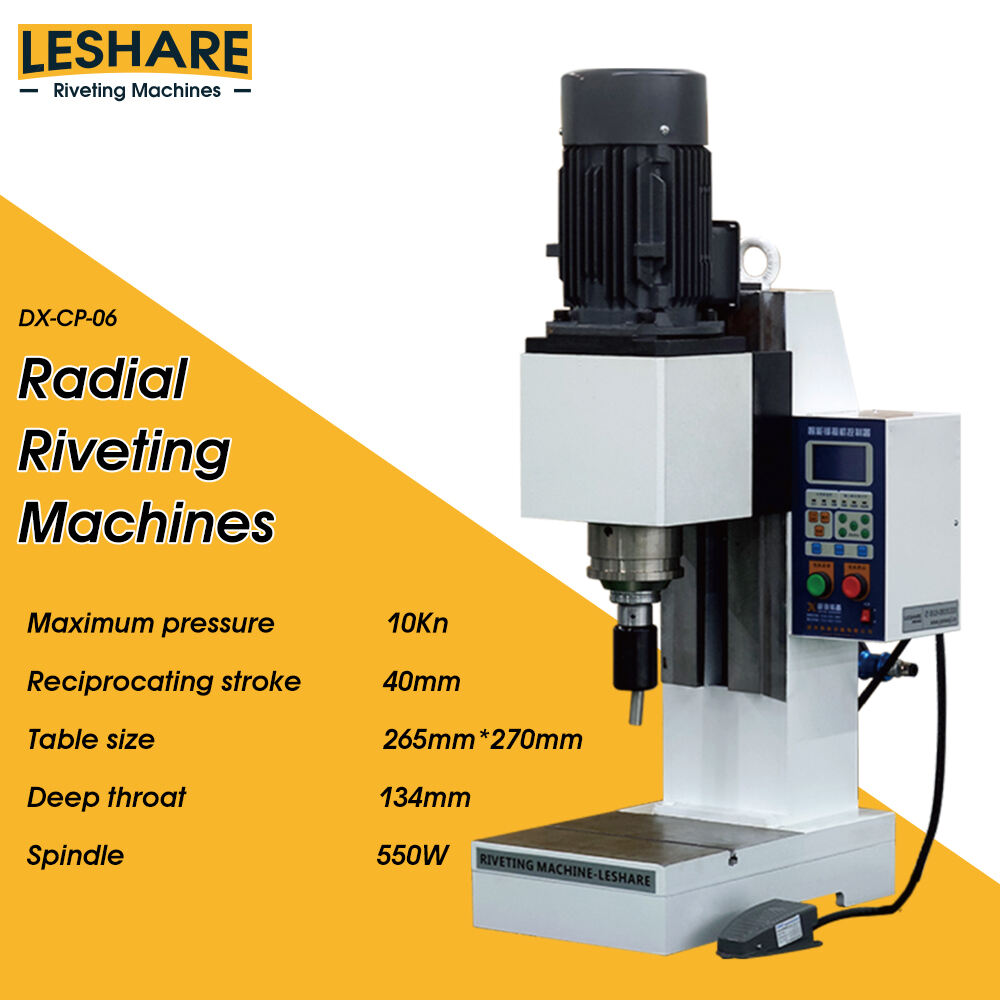
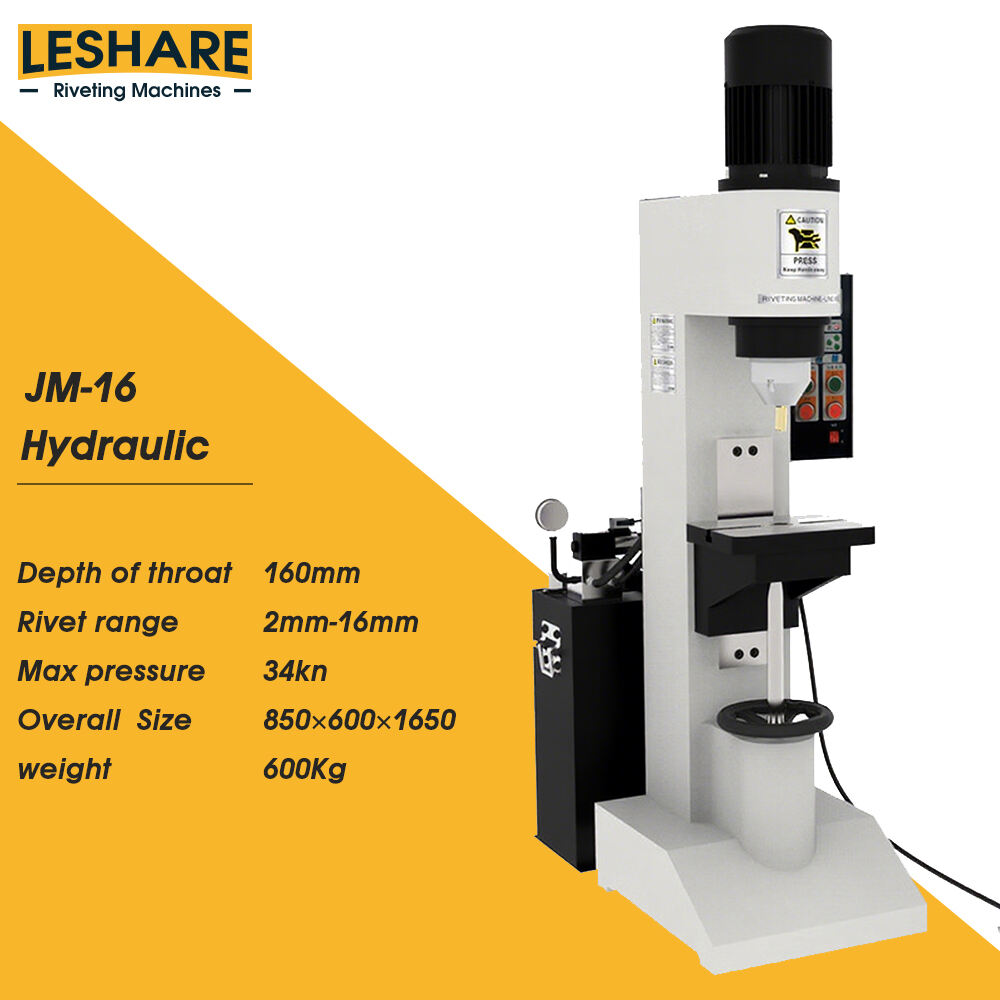
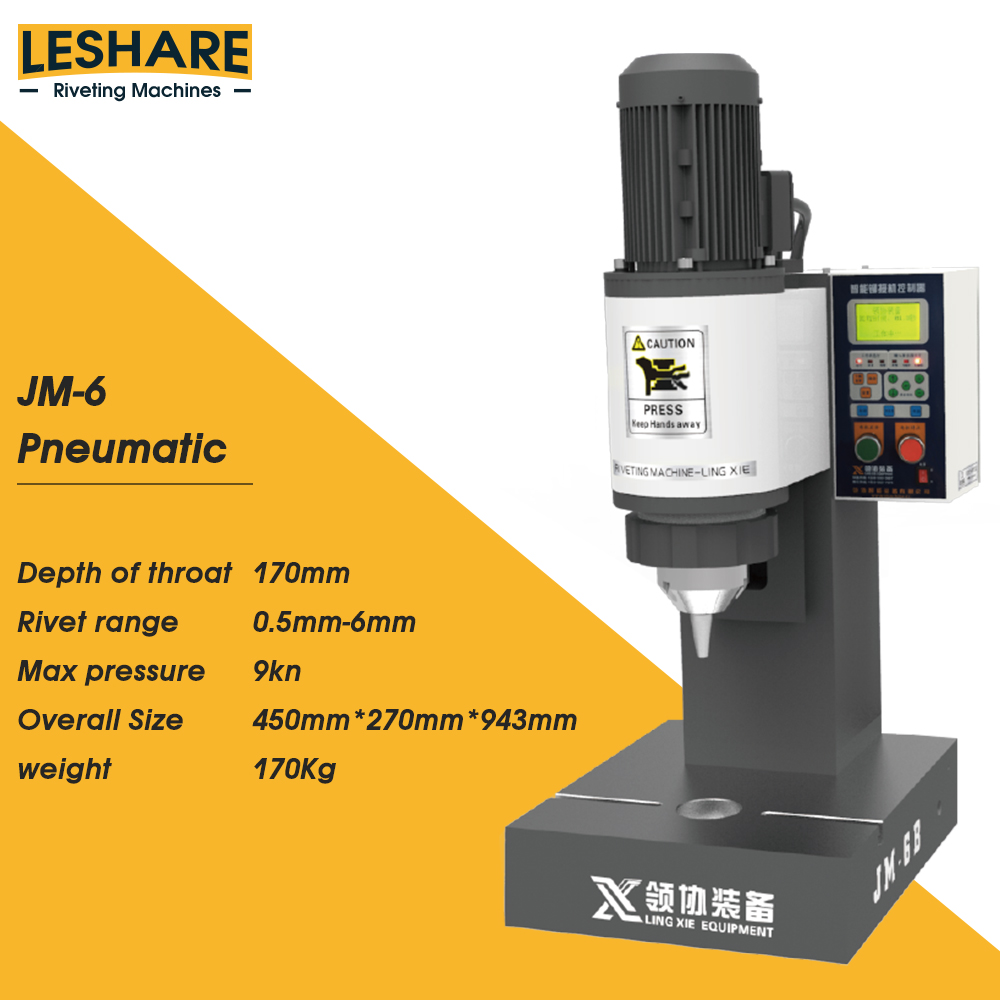
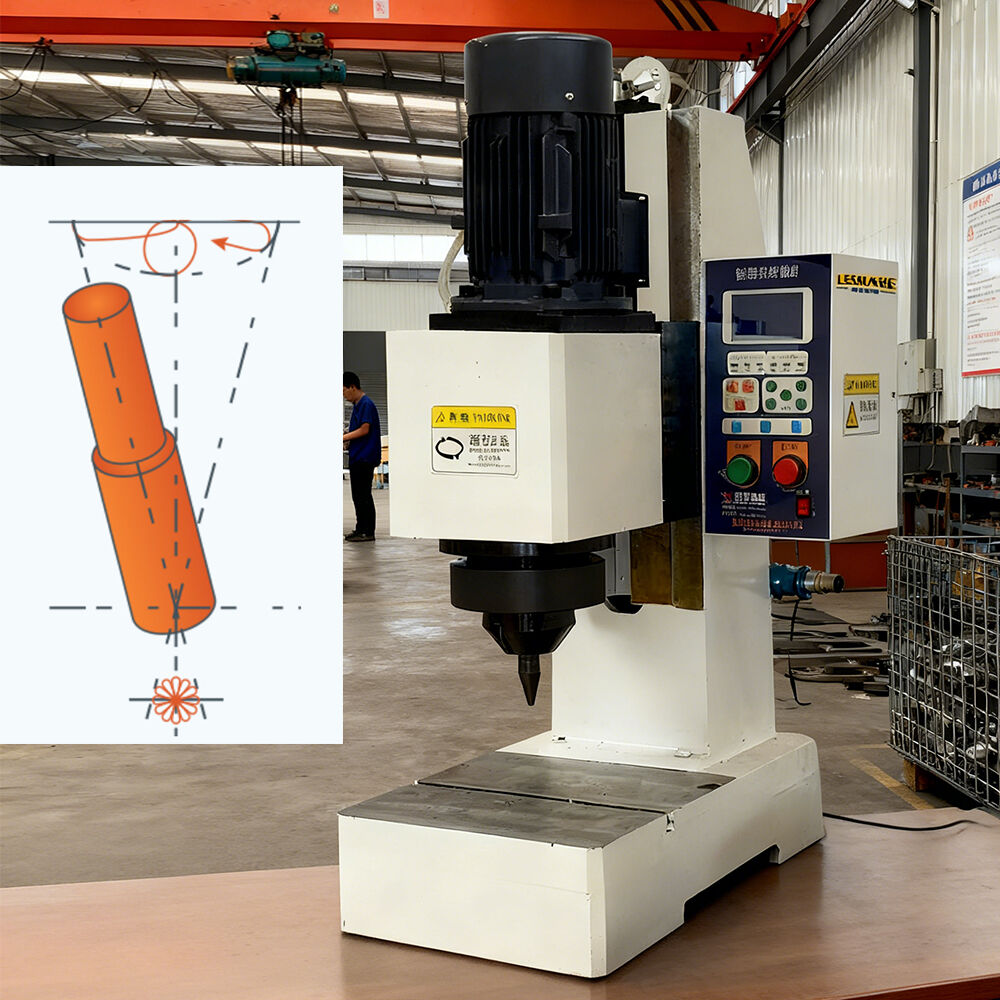
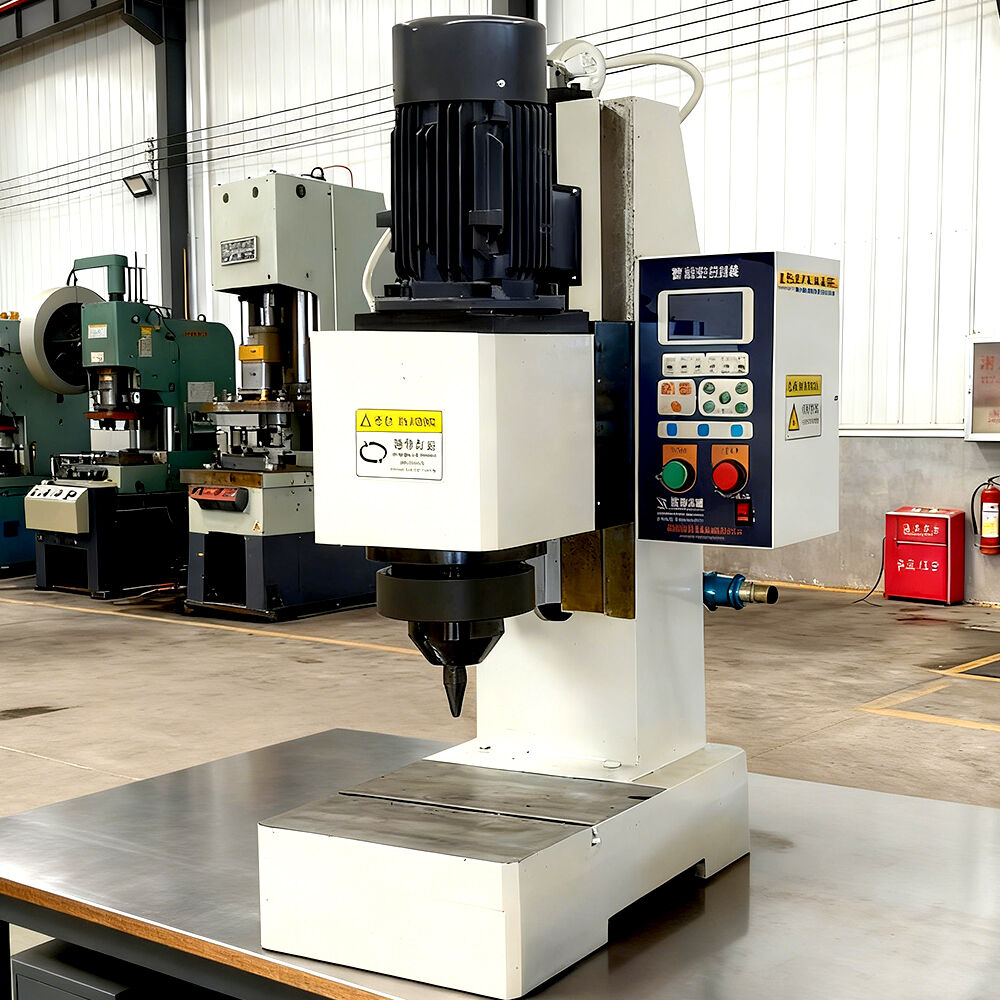
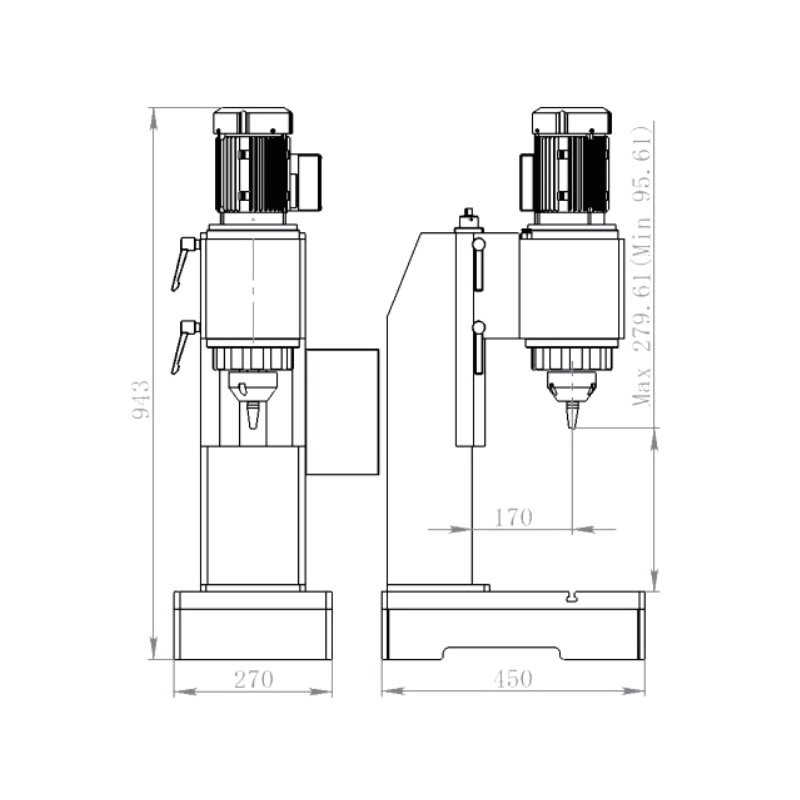
The hot riveting machine represents a sophisticated piece of industrial equipment designed to create permanent mechanical joints through the controlled application of heat and pressure. This specialized machinery operates by heating rivets to optimal temperatures before inserting them into pre-drilled holes, where they are subsequently deformed to create secure, lasting connections between multiple material layers. Modern hot riveting machines incorporate advanced heating elements, precise temperature control systems, and automated feeding mechanisms that ensure consistent rivet placement and quality. The machine's core functionality centers around its ability to maintain exact temperature parameters while delivering controlled pressure through hydraulic or pneumatic actuators. Temperature monitoring systems continuously track heating zones, preventing overheating that could compromise rivet integrity or damage surrounding materials. The feeding system automatically positions rivets for optimal placement, reducing operator fatigue and improving production speed. These machines accommodate various rivet sizes and materials, from standard steel rivets to specialized alloys requiring specific temperature profiles. Control interfaces allow operators to program different settings for various applications, storing parameters for repeat jobs and ensuring consistency across production runs. Safety features include protective shields, emergency stop systems, and temperature lockouts that prevent operation outside safe parameters. The hot riveting machine's construction typically features robust steel frames designed to withstand repeated high-pressure operations, with replaceable components that minimize maintenance downtime. Modern units often include data logging capabilities that track performance metrics, helping optimize production efficiency and identify maintenance needs before failures occur. Integration capabilities allow these machines to connect with existing production line systems, enabling automated workflow management and quality control monitoring throughout the riveting process.

Popular Products

Hot riveting machines deliver exceptional productivity improvements that directly impact manufacturing efficiency and cost-effectiveness. These machines significantly reduce labor requirements compared to manual riveting processes, allowing single operators to complete tasks that previously required multiple workers. The automated heating and feeding systems eliminate time-consuming manual preparation steps, increasing throughput rates by up to 300 percent in typical applications. Consistent temperature control ensures uniform rivet expansion and joint strength across all connections, reducing quality variations that plague manual processes. The precision heating eliminates guesswork and operator skill dependencies, creating reliable joints regardless of individual worker experience levels. Energy efficiency represents another major advantage, as modern hot riveting machines utilize advanced heating technologies that minimize power consumption while maintaining optimal operating temperatures. The controlled heating process reduces material waste by preventing overheating damage and ensuring proper rivet formation on the first attempt. Maintenance costs remain low due to robust construction and replaceable component design, with most machines requiring only routine lubrication and occasional part replacement. Safety improvements are substantial, as automated systems keep operators away from high-temperature components and reduce repetitive motion injuries associated with manual riveting. The enclosed heating chambers contain heat and fumes, creating healthier work environments compared to traditional torch-based methods. Quality control becomes more predictable with programmable temperature profiles and pressure settings that eliminate human error variables. Documentation capabilities help meet quality standards and traceability requirements in regulated industries. Cost savings accumulate through reduced labor expenses, lower material waste, decreased rework rates, and improved production scheduling flexibility. The machine's ability to handle various rivet types and sizes within a single setup reduces changeover times and inventory complexity. Training requirements are minimal, as intuitive controls and automated processes allow new operators to achieve proficiency quickly. Long-term reliability ensures consistent production capacity without unexpected downtime that disrupts manufacturing schedules and customer commitments.

Tips And Tricks

How Do You Match Fastener Types to the Right Fastener Insertion Machine?

29

Dec

How Do You Match Fastener Types to the Right Fastener Insertion Machine?

Selecting the appropriate fastener insertion machine for your manufacturing operation requires careful consideration of multiple technical factors that directly impact production efficiency, quality, and cost-effectiveness. Modern industrial applicat...
View More
How can radial riveting machines reduce failure rates in mass production?

28

Jan

How can radial riveting machines reduce failure rates in mass production?

Manufacturing industries constantly seek solutions to minimize production failures and enhance product reliability. Radial riveting machines have emerged as a critical technology for achieving superior joint quality in mass production environments. T...
View More
How Does an Orbital Riveting Machine Improve Assembly Efficiency?

26

Feb

How Does an Orbital Riveting Machine Improve Assembly Efficiency?

Manufacturing industries constantly seek innovative solutions to enhance assembly efficiency while maintaining superior product quality. An orbital riveting machine represents a breakthrough technology that revolutionizes traditional fastening method...
View More
What Industries Benefit from Automatic Riveting Machines?

18

Mar

What Industries Benefit from Automatic Riveting Machines?

Modern manufacturing demands precision, speed, and reliability in every assembly process. Automatic riveting machines have emerged as essential tools across numerous industries, revolutionizing how manufacturers approach fastening operations. These s...
View More

Get a Free Quote

Our representative will contact you soon.
Email
Name
Company Name
Message
0/1000

hot riveting machine

Advanced Temperature Control Technology

Advanced Temperature Control Technology

The hot riveting machine's sophisticated temperature control system stands as its most critical technological advancement, delivering unprecedented precision in rivet heating processes. This system employs multiple thermal sensors strategically positioned throughout the heating chamber to monitor temperature variations and ensure uniform heat distribution across all rivet contact points. The advanced microprocessor-controlled heating elements respond instantly to temperature fluctuations, maintaining exact thermal parameters within narrow tolerances that guarantee optimal rivet malleability without compromising structural integrity. Digital temperature displays provide real-time feedback to operators, while programmable temperature profiles accommodate different rivet materials and sizes automatically. The system's rapid heating capability reduces cycle times significantly, allowing rivets to reach optimal temperatures in seconds rather than minutes required by conventional methods. Thermal isolation prevents heat transfer to surrounding machine components, protecting sensitive electronics and reducing overall energy consumption. The temperature control system includes multiple safety interlocks that prevent operation if heating elements malfunction or temperatures exceed safe limits. Automatic temperature compensation adjusts heating parameters based on ambient conditions and workpiece thermal mass, ensuring consistent results regardless of environmental factors. The system's memory function stores temperature profiles for different applications, enabling quick setup changes and maintaining consistency across production runs. Heat recovery systems capture and redirect waste thermal energy, improving overall machine efficiency and reducing operating costs. The precise temperature control eliminates common riveting problems such as incomplete rivet expansion, overheating damage, and inconsistent joint strength that plague traditional heating methods. Calibration procedures ensure long-term accuracy, with built-in diagnostics alerting operators to calibration needs before quality issues arise. The temperature monitoring system generates detailed logs for quality assurance documentation and process optimization analysis, helping manufacturers identify improvement opportunities and maintain compliance with industry standards.
Automated Rivet Feeding and Positioning System

Automated Rivet Feeding and Positioning System

The automated rivet feeding and positioning system transforms the hot riveting machine into a highly efficient production tool that eliminates manual handling inefficiencies and improves operational safety. This sophisticated mechanism incorporates precision conveyor systems that automatically sort, orient, and position rivets for optimal insertion into heating chambers and subsequent placement into workpieces. The feeding system accommodates multiple rivet sizes simultaneously through adjustable guide channels and sorting mechanisms that prevent jams and misfeeds common in manual operations. Vibratory bowl feeders ensure consistent rivet orientation, while photoelectric sensors verify proper positioning before initiating heating cycles. The pneumatic positioning system delivers rivets with exceptional accuracy, maintaining precise alignment with pre-drilled holes even in complex geometries and multi-layer assemblies. Speed control mechanisms allow operators to match feeding rates with production requirements, optimizing throughput while maintaining quality standards. The system's buffer capacity stores adequate rivet supplies for extended operation periods, reducing operator intervention and improving production flow consistency. Jam detection sensors immediately halt operation when feeding irregularities occur, preventing damage to rivets and machine components while alerting operators to resolve issues quickly. The modular design enables easy configuration changes for different rivet types and sizes, with tool-free adjustments that minimize changeover times between production runs. Quality verification systems inspect each rivet for dimensional accuracy and surface condition before heating, rejecting defective components that could compromise joint integrity. The feeding system integrates seamlessly with the machine's control systems, coordinating rivet delivery with heating cycles and positioning operations for optimal efficiency. Maintenance requirements remain minimal through self-lubricating components and easily replaceable wear parts that extend service life. The enclosed design protects rivets from contamination while preventing accidental contact with moving components, enhancing workplace safety. Statistical monitoring tracks feeding performance and identifies trends that indicate maintenance needs or process optimization opportunities.
Hydraulic Pressure Control and Force Application

Hydraulic Pressure Control and Force Application

The hydraulic pressure control system represents the hot riveting machine's muscle, delivering precise force application that creates consistently strong and reliable mechanical joints. This sophisticated system utilizes high-pressure hydraulic cylinders controlled by proportional valves that provide infinitely variable force adjustment within the machine's operating range. The pressure control system maintains exact force parameters throughout the entire riveting cycle, compensating for material variations and ensuring complete rivet deformation regardless of workpiece thickness or hardness variations. Digital pressure monitoring displays real-time force measurements while programmable pressure profiles automatically adjust application rates for different materials and joint configurations. The system's rapid response capabilities enable precise control during critical deformation phases, preventing over-compression that could damage components or under-compression that compromises joint strength. Safety relief valves protect against excessive pressure buildup while pressure sensors continuously monitor system performance and alert operators to potential issues before failures occur. The hydraulic system's smooth operation eliminates vibration and shock that could affect joint quality or damage sensitive workpieces during the riveting process. Multiple pressure settings accommodate various rivet types and materials, from soft aluminum rivets requiring gentle pressure to hardened steel rivets demanding maximum force application. The closed-loop control system automatically adjusts pressure based on real-time feedback from position sensors, ensuring consistent rivet upset regardless of material property variations. Energy-efficient hydraulic pumps with variable displacement technology reduce power consumption during standby periods while maintaining instant response capability when full pressure is required. The system includes comprehensive filtration that maintains hydraulic fluid cleanliness and extends component life while reducing maintenance requirements. Pressure profiling capabilities allow complex force application patterns that optimize rivet flow and joint formation for specific applications. The hydraulic system's robust construction withstands continuous high-pressure operation while maintaining precise control accuracy over extended service periods. Integration with the machine's overall control system enables coordinated operation with heating and feeding systems for optimal production efficiency and quality consistency.

Get a Free Quote

Our representative will contact you soon.
Email
Name
Company Name
Message
0/1000