Versatile Application Capability
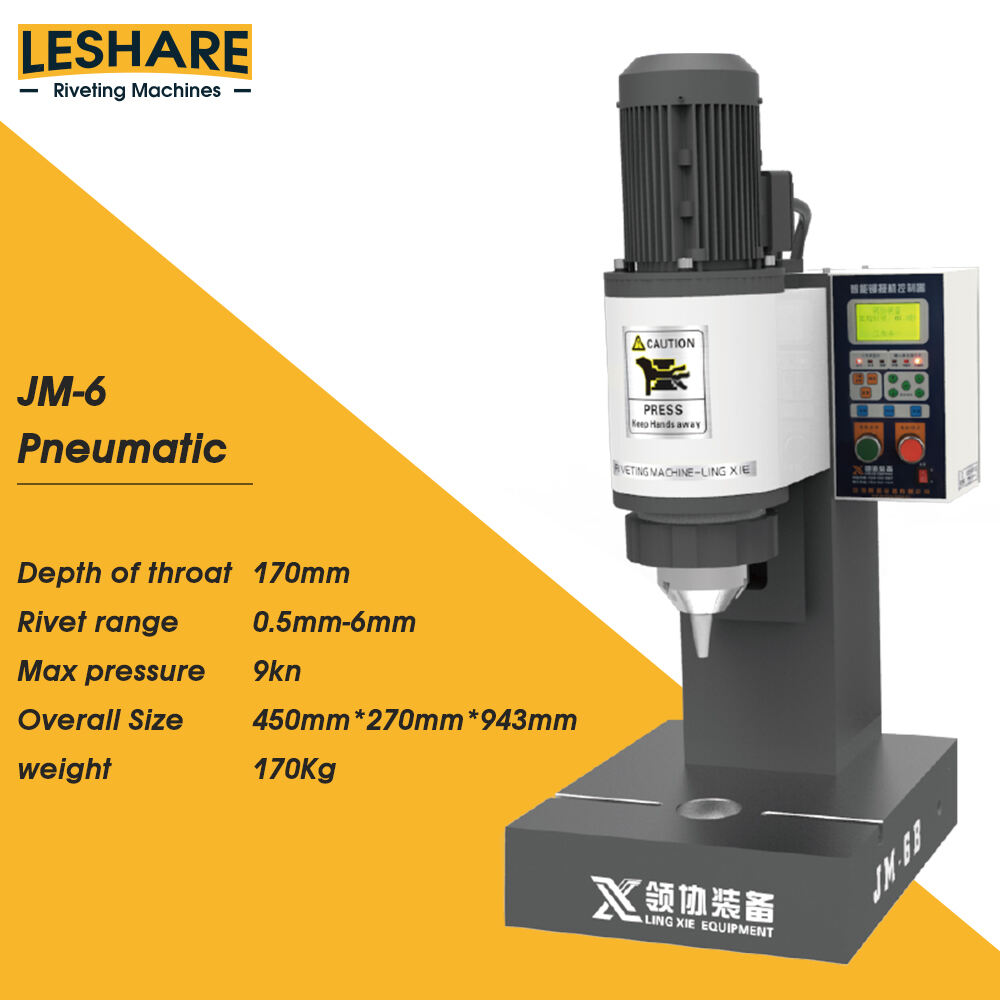
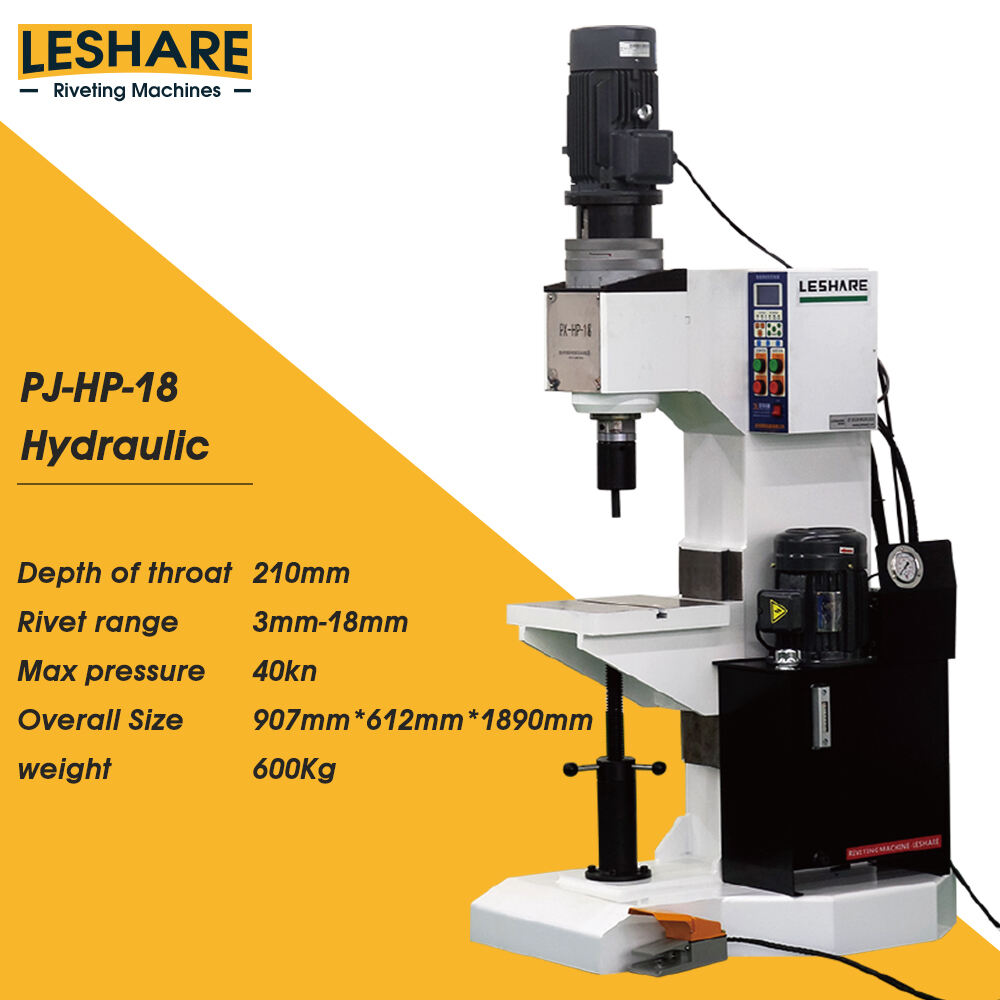
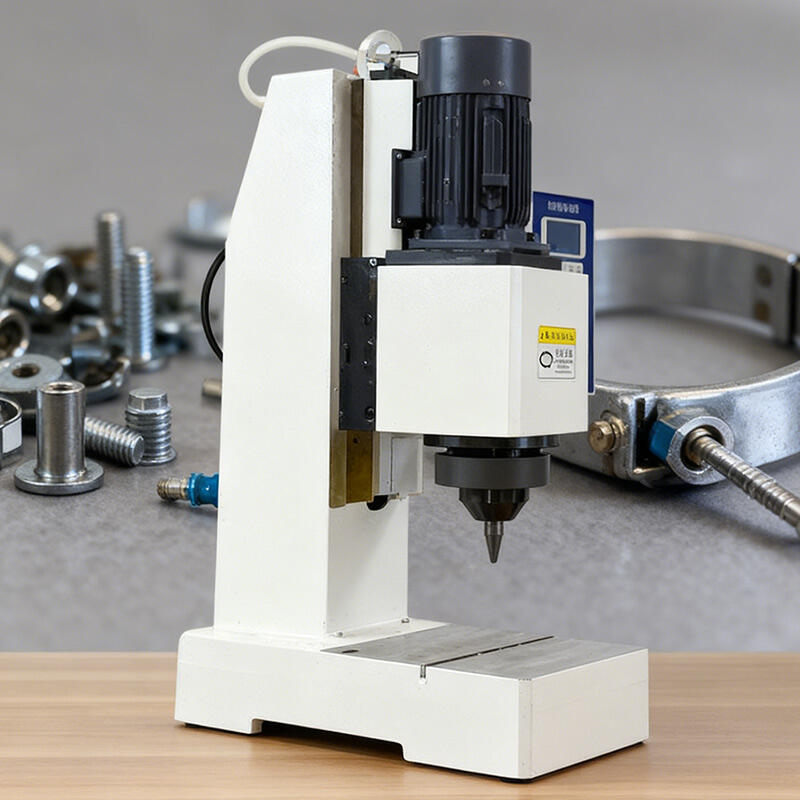
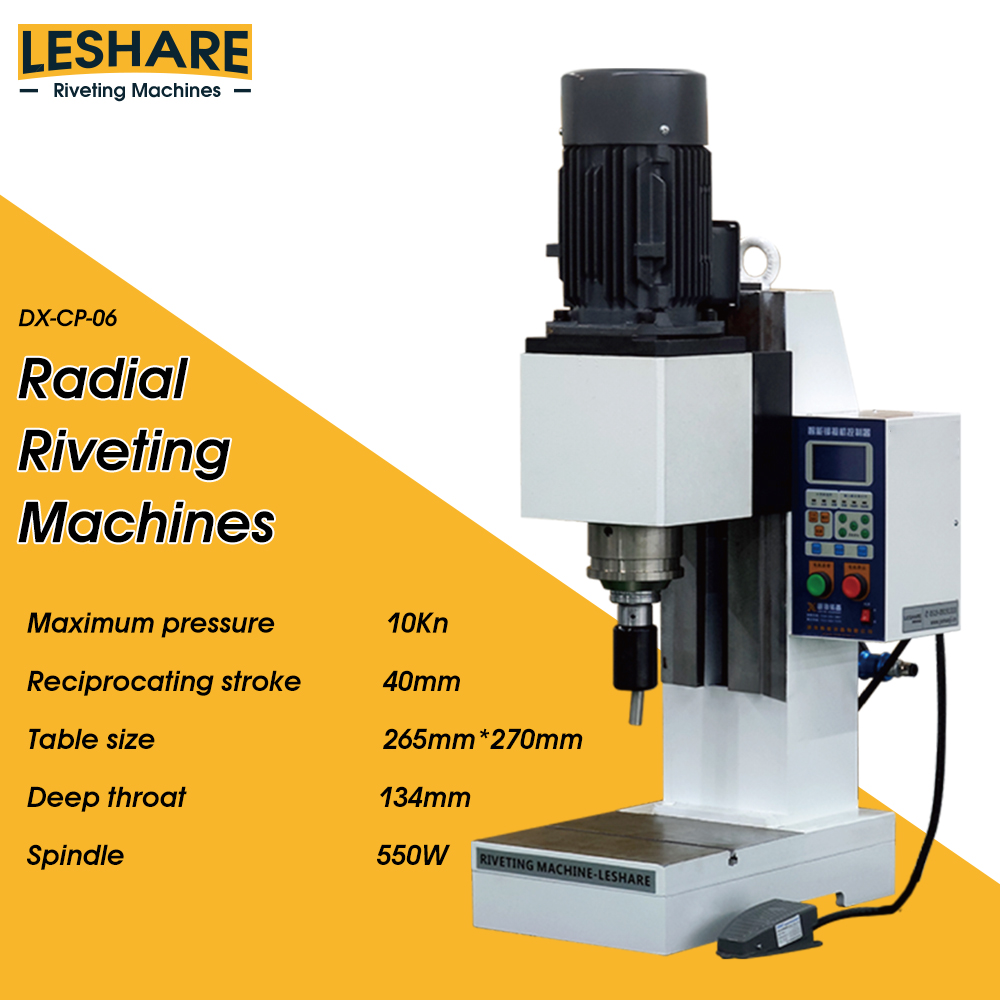
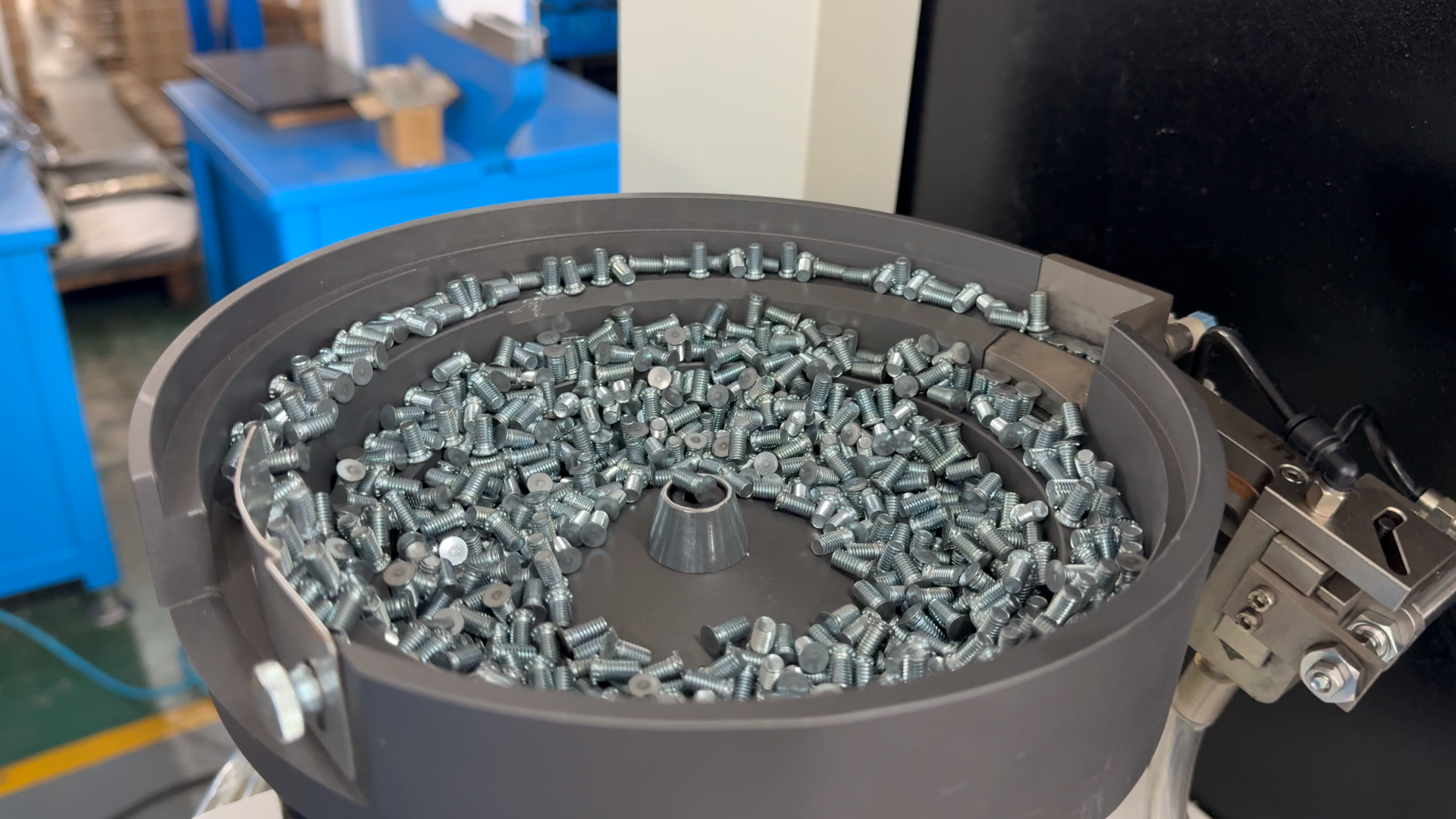
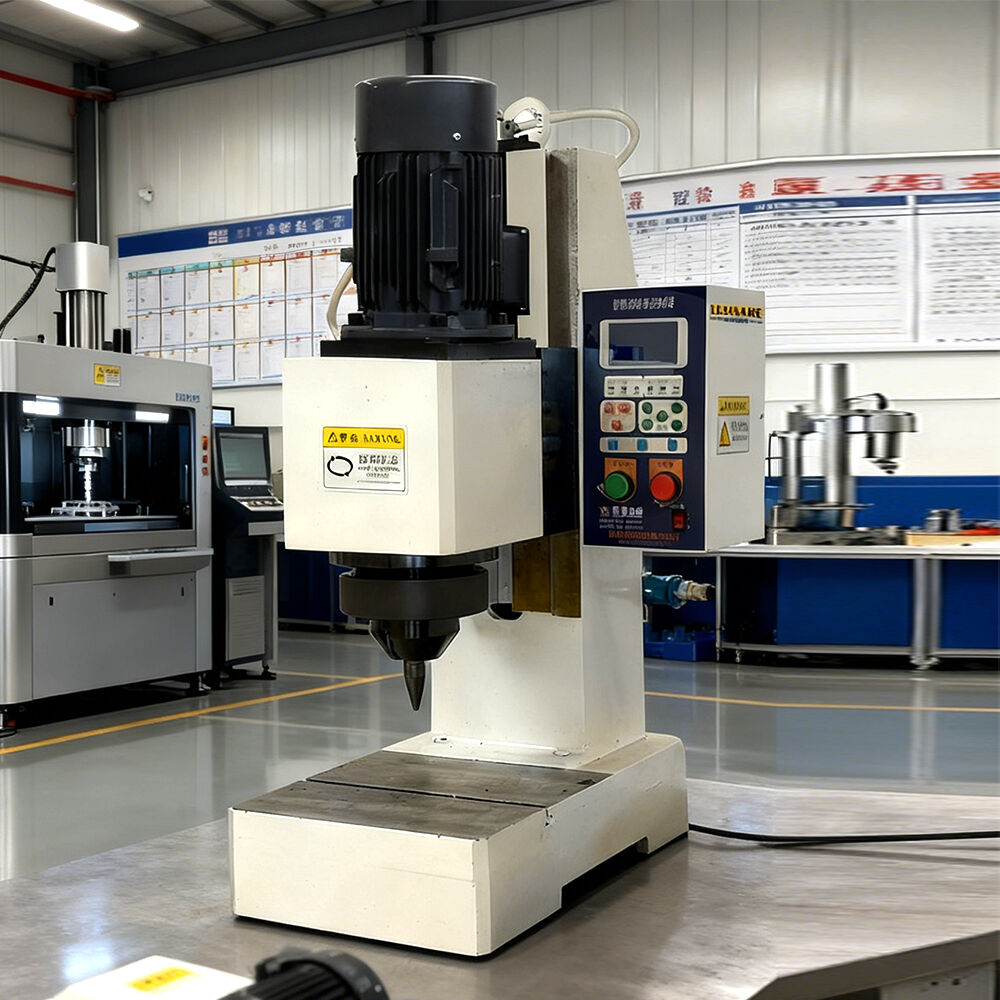
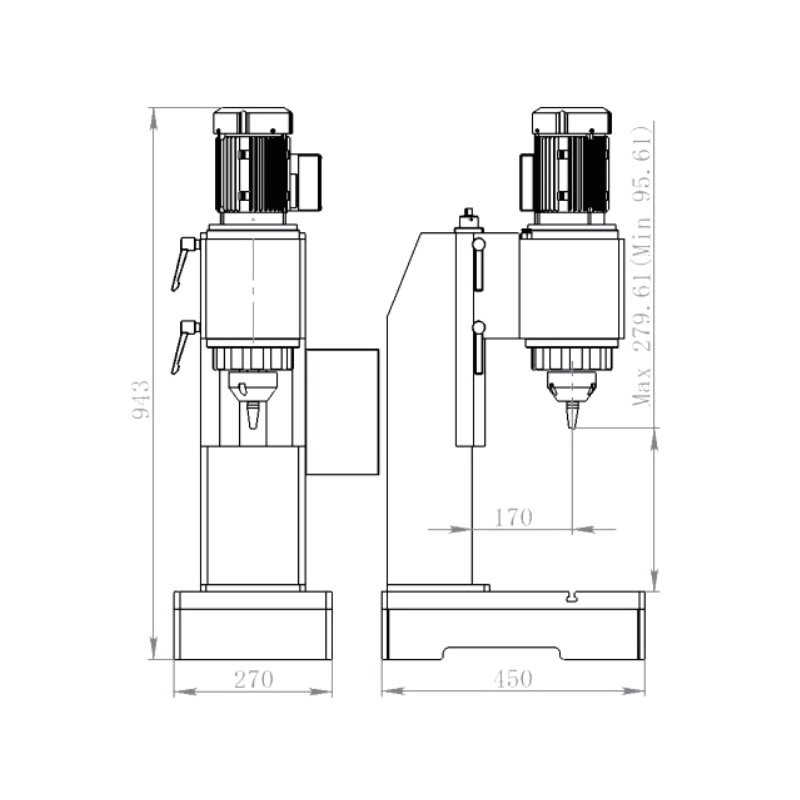
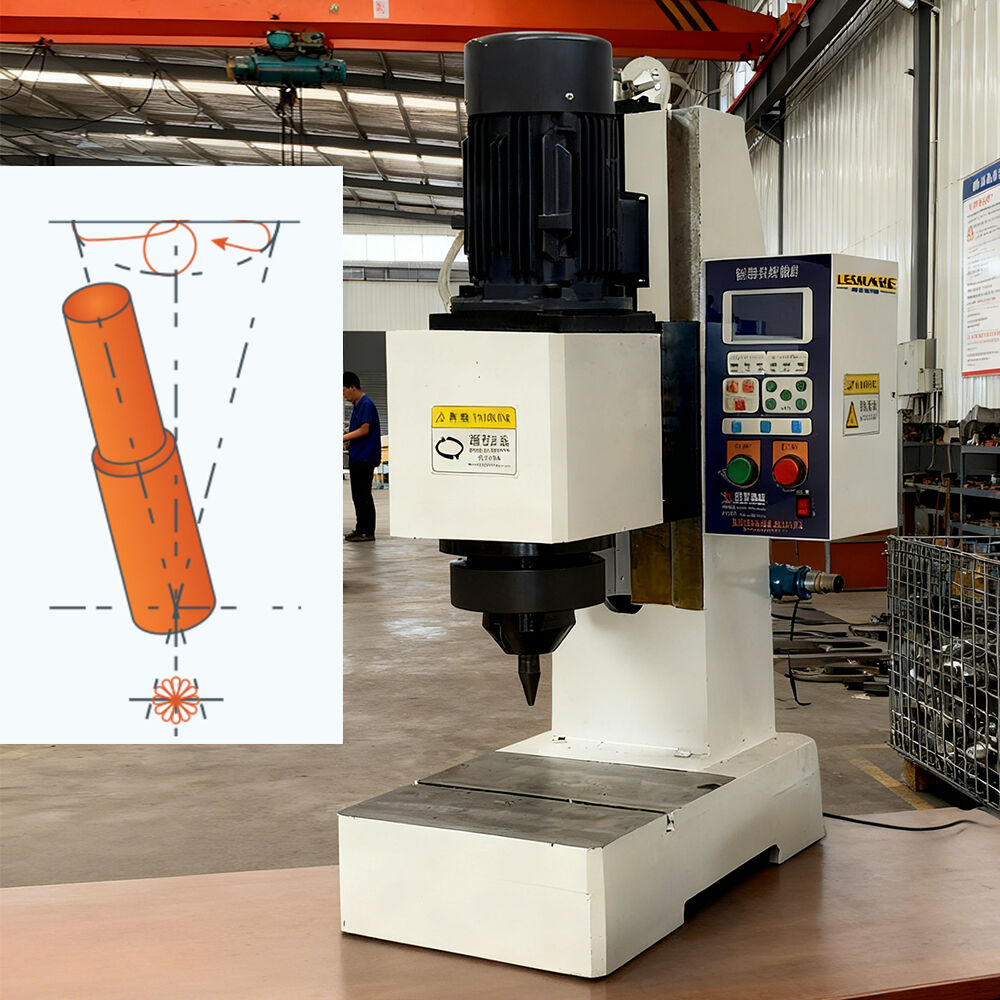
The exceptional versatile application capability of CNC riveting machines enables manufacturers to address diverse fastening requirements across multiple industries and material combinations with a single, highly adaptable platform. This remarkable flexibility stems from sophisticated tooling systems that accommodate rivet diameters ranging from miniature 1mm electronics applications to heavy-duty 12mm structural joints, while handling materials including aluminum alloys, stainless steel, carbon steel, titanium, and advanced composites. The modular design philosophy allows rapid reconfiguration for different product geometries, with interchangeable riveting heads, positioning fixtures, and feeding systems that transform the machine's capabilities within minutes rather than hours. Multi-axis positioning systems provide access to complex three-dimensional geometries, enabling riveting operations on curved surfaces, angled joints, and confined spaces that would be impossible with conventional equipment. The programmable nature of these machines means a single unit can store unlimited riveting sequences for different products, automatically adjusting force profiles, positioning coordinates, and cycle times based on specific application requirements. Advanced material handling systems integrate seamlessly with existing production lines, accepting parts from automated conveyors, robotic systems, or manual loading stations while maintaining precise positioning throughout the riveting cycle. The capability to process dissimilar materials opens new design possibilities for lightweight construction and multi-functional components that optimize performance while reducing overall system weight and cost. Quality monitoring systems adapt automatically to different material combinations, adjusting inspection parameters and acceptance criteria based on specific joint requirements and industry standards. This versatility extends to rivet types as well, with systems capable of installing solid rivets, blind rivets, structural fasteners, and specialty hardware with equal precision and reliability. The economic benefits of this versatility are substantial, as manufacturers can consolidate multiple specialized machines into a single CNC riveting platform that handles diverse production requirements while reducing equipment costs, maintenance complexity, and operator training requirements. Integration flexibility allows these machines to function as standalone workstations or as integrated components within automated manufacturing cells, adapting to existing production philosophies and future expansion plans.
 EN
EN