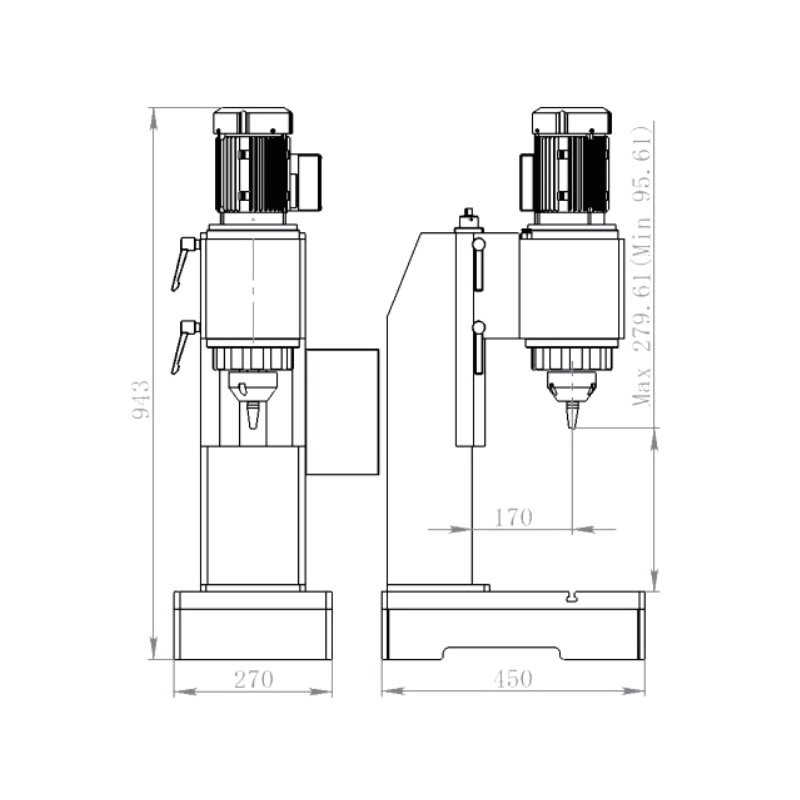
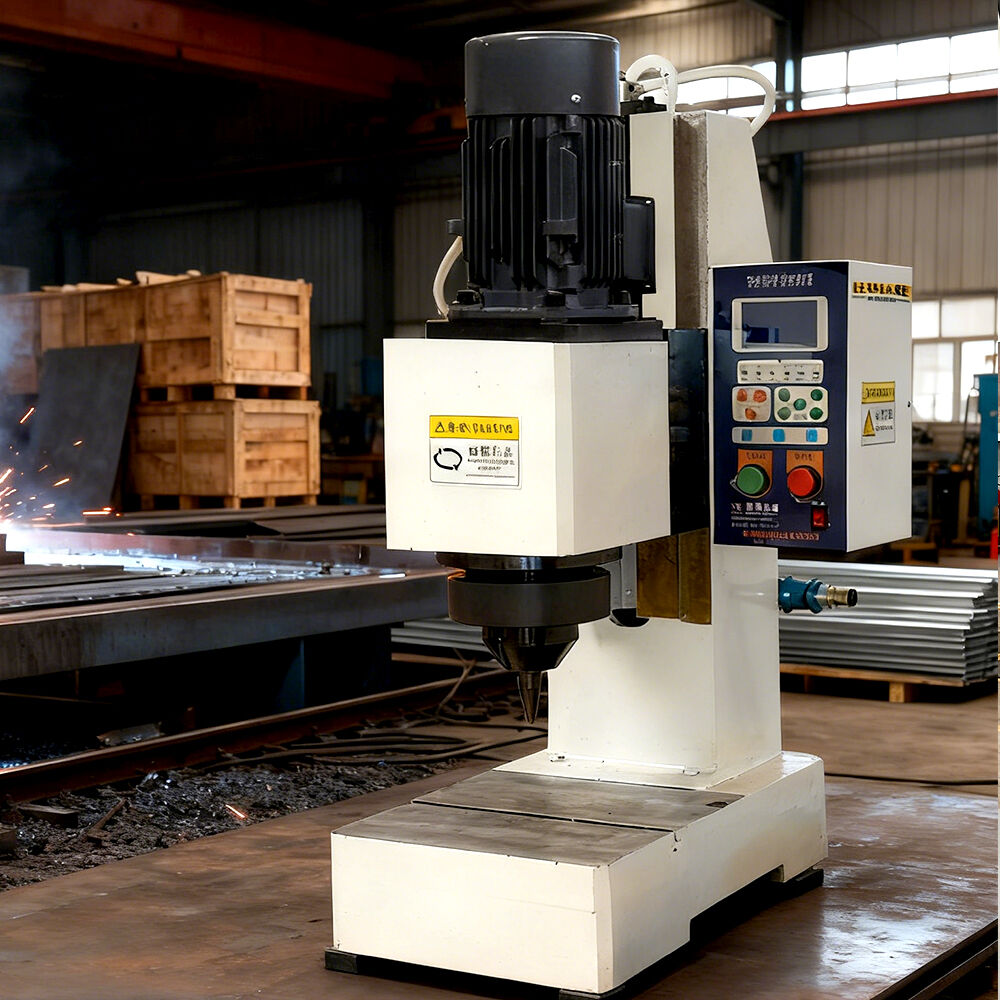
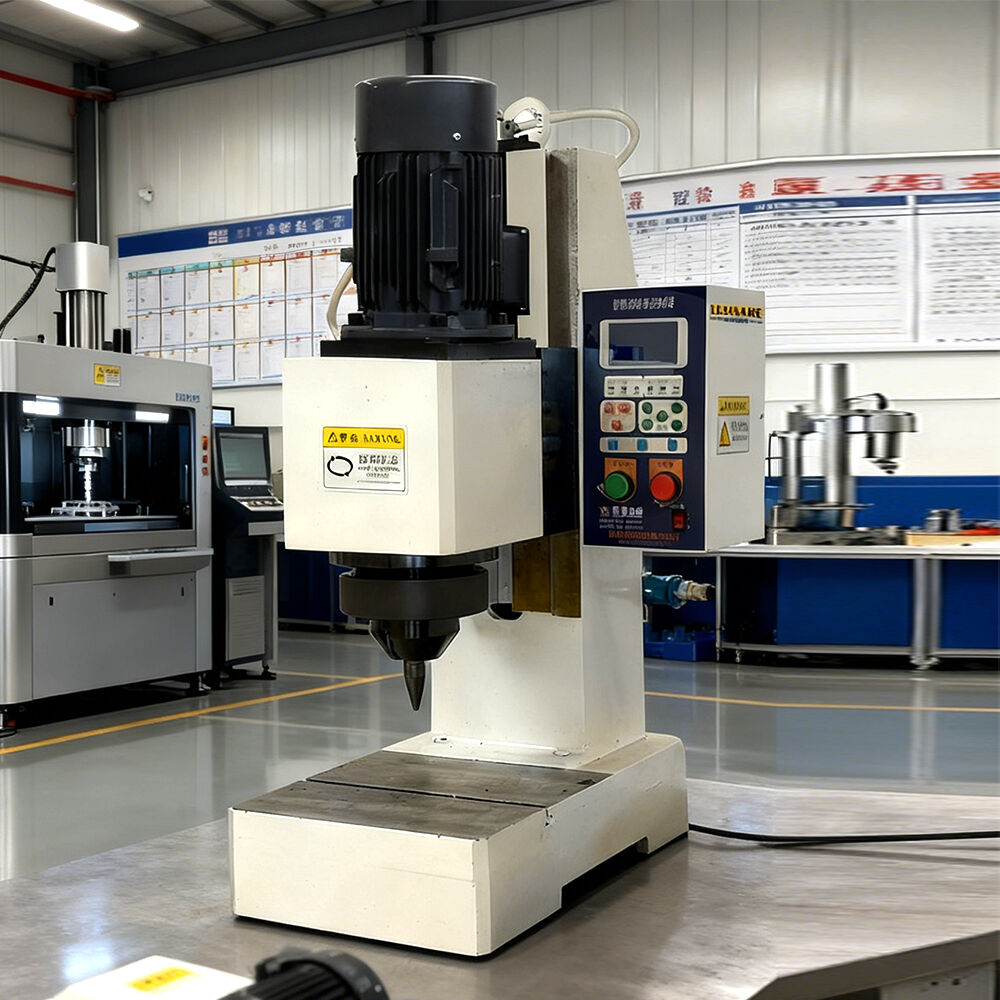
metalworking riveting machine
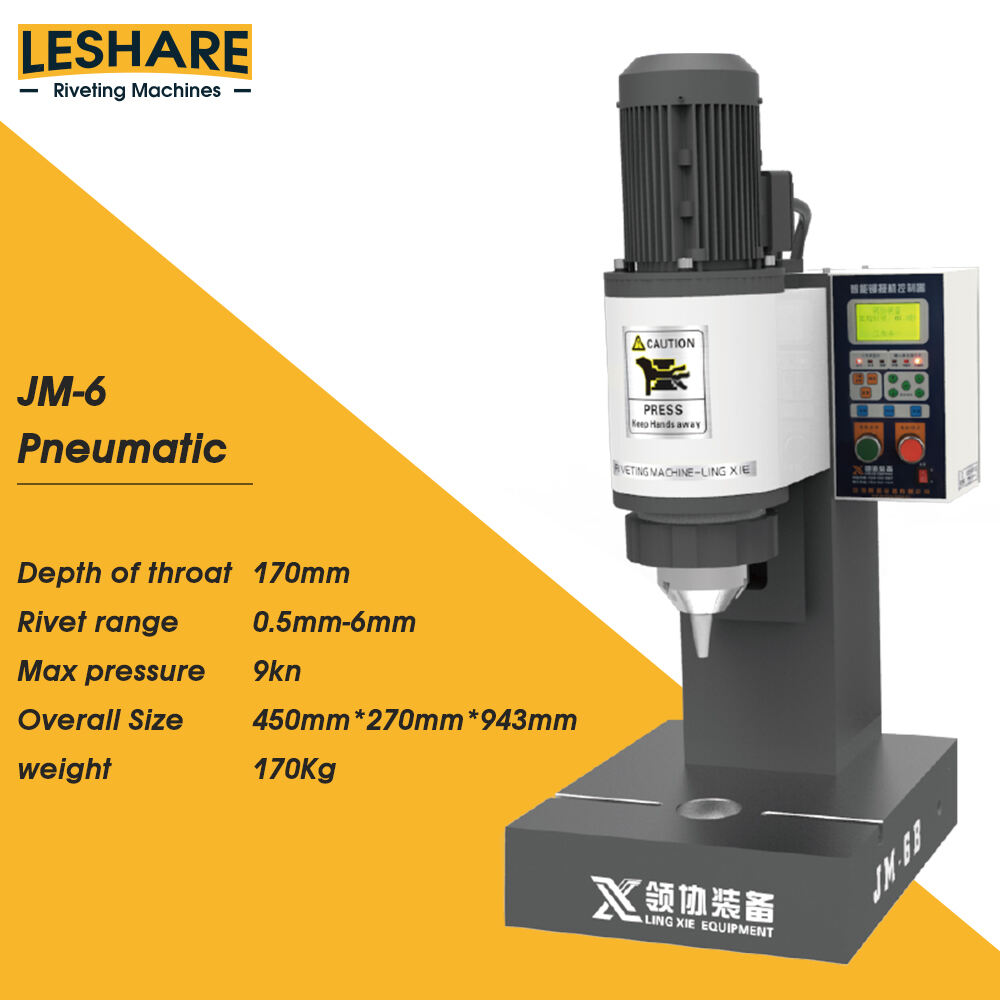
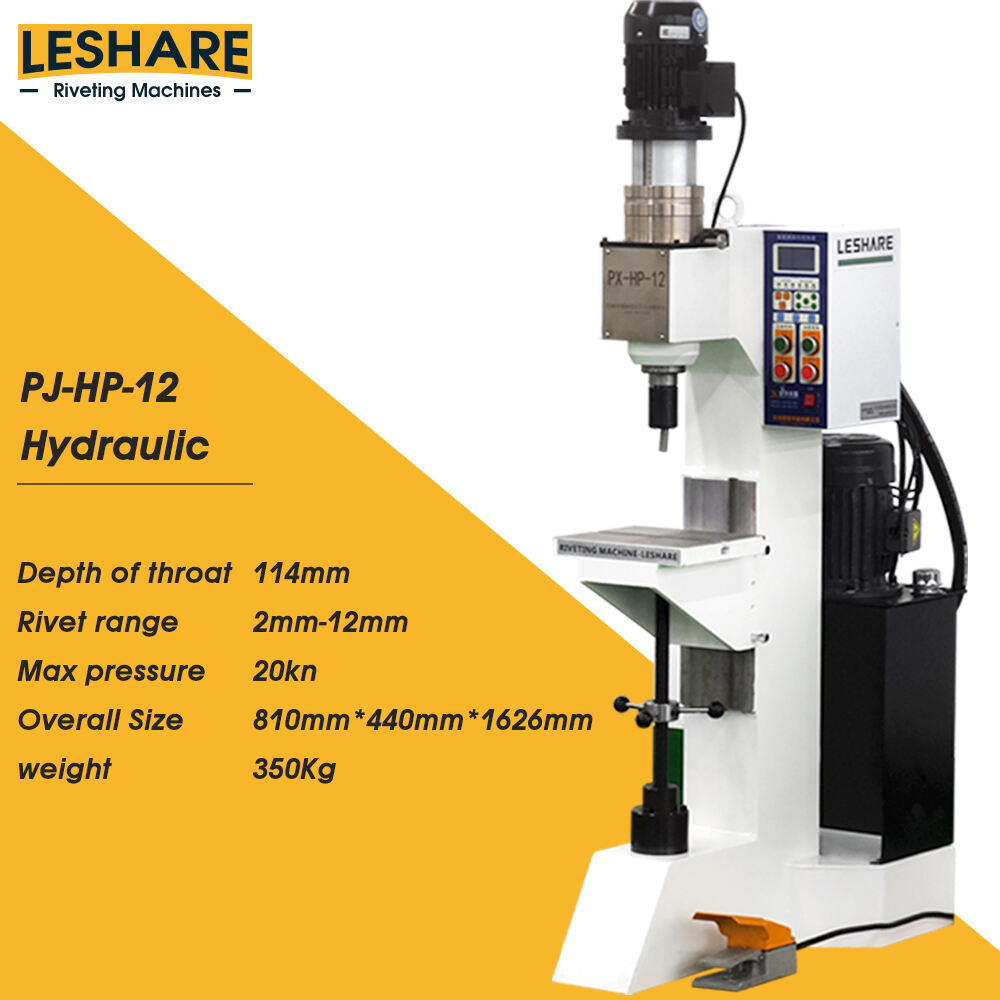
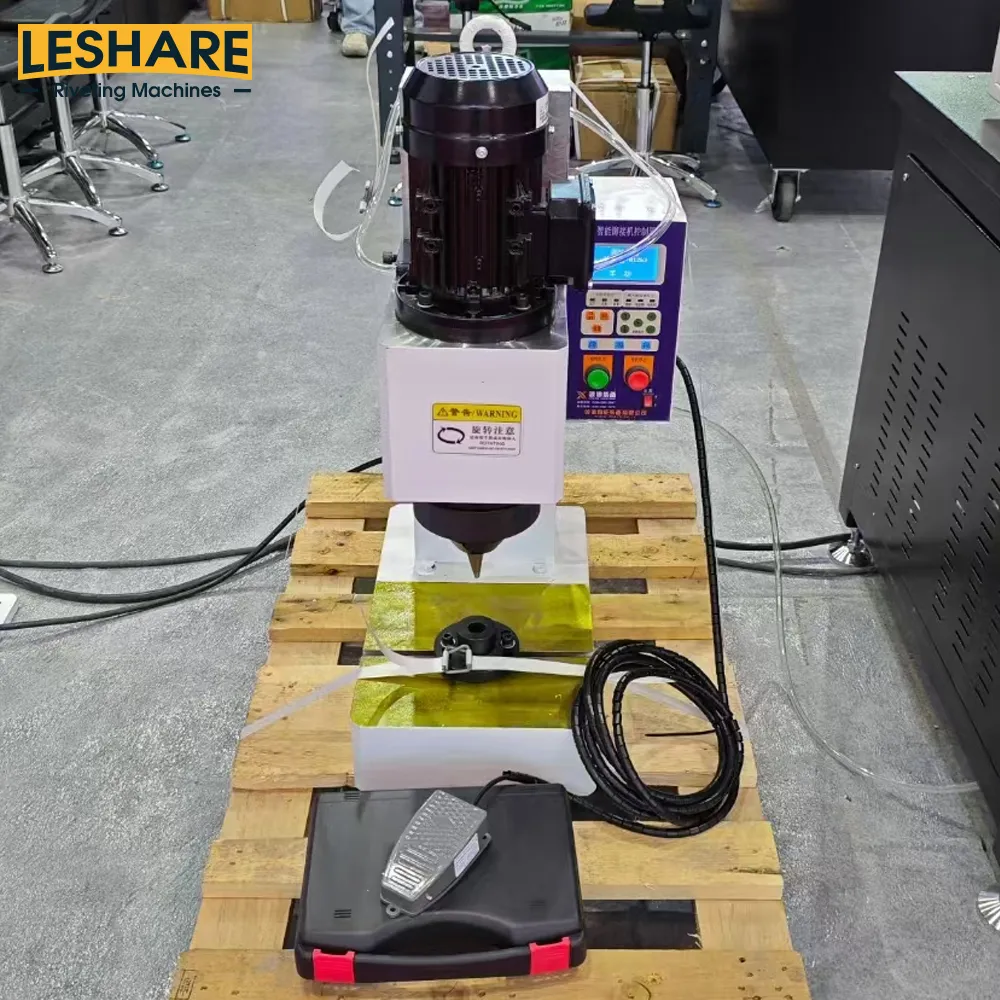
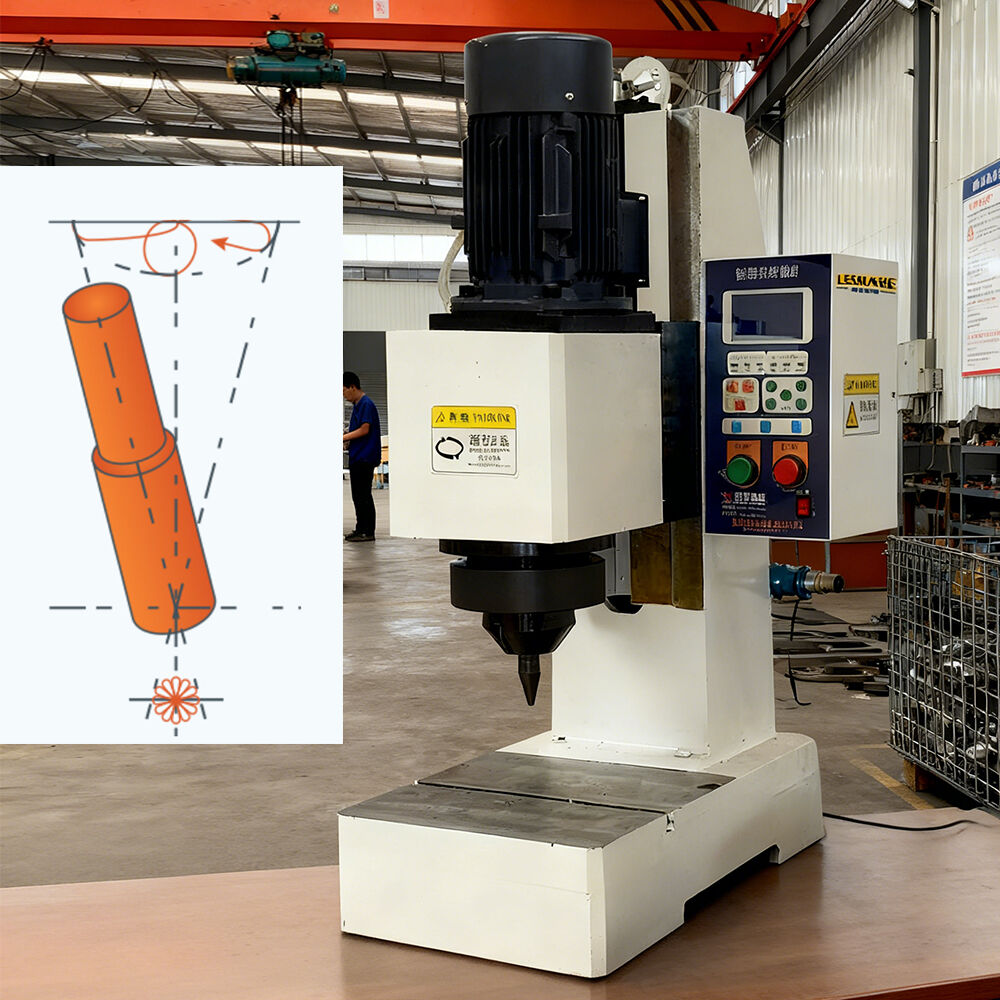
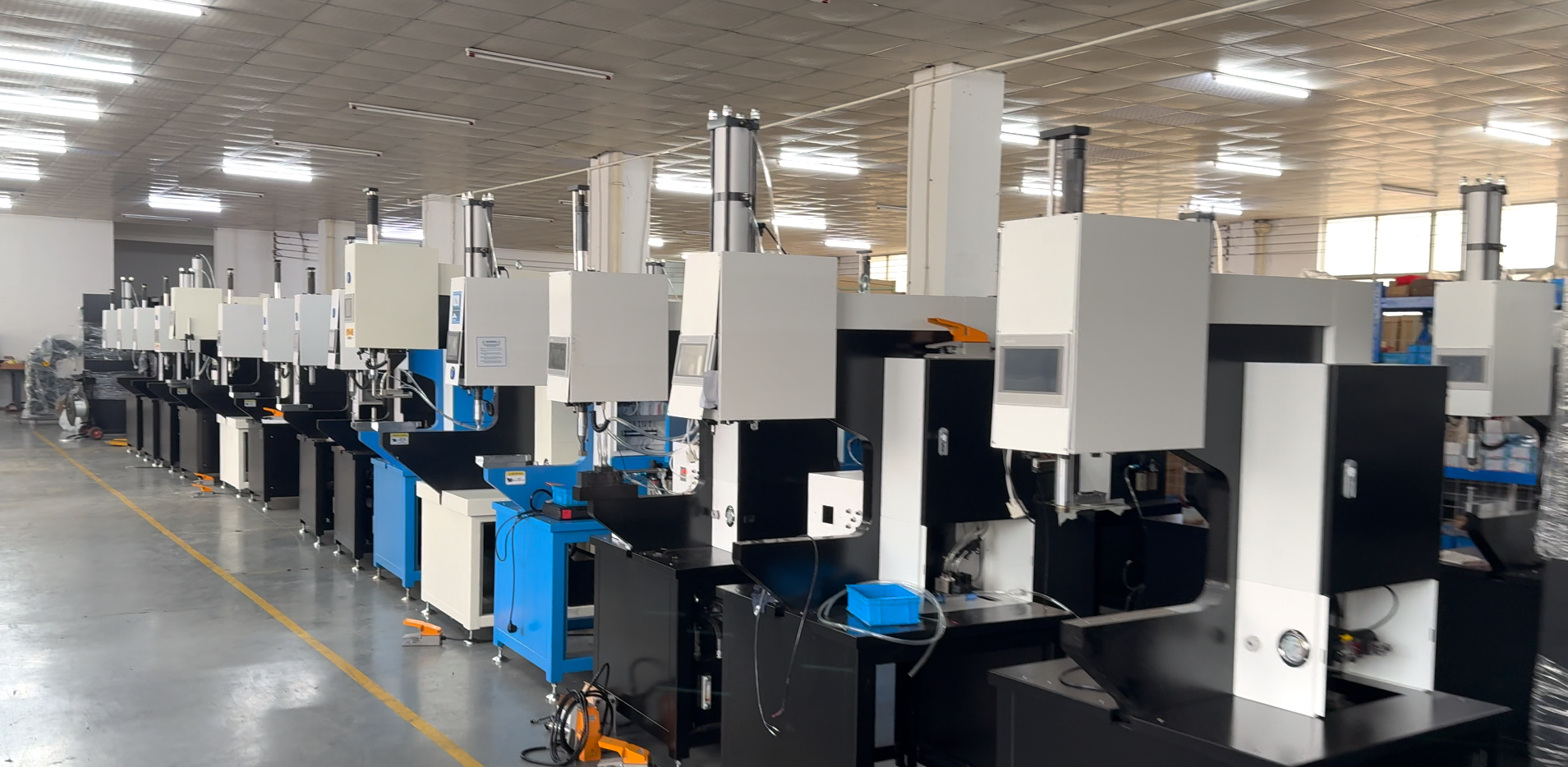
The metalworking riveting machine represents a cornerstone of modern manufacturing technology, designed to create permanent mechanical fastening solutions through the insertion and deformation of rivets in metal assemblies. This sophisticated equipment operates by driving rivets through pre-drilled holes in overlapping metal sheets or components, then forming the rivet tail to create a secure, leak-proof joint that withstands significant mechanical stress and environmental conditions. The primary function of a metalworking riveting machine involves positioning the rivet accurately, applying controlled pressure, and executing the forming process with precise force distribution to ensure optimal joint integrity. These machines incorporate advanced hydraulic or pneumatic systems that deliver consistent power output, enabling operators to achieve uniform results across multiple workpieces. The technological framework includes programmable control systems that allow for customization of pressure settings, cycle timing, and operational parameters to accommodate various rivet types and material thicknesses. Modern metalworking riveting machines feature ergonomic designs that reduce operator fatigue while maintaining high productivity levels throughout extended manufacturing runs. The equipment typically includes safety mechanisms such as two-hand operation controls, emergency stops, and protective guards that prevent accidental injury during operation. Applications span across numerous industries including aerospace manufacturing, where structural integrity is paramount, automotive assembly lines for body panel attachment, construction projects requiring durable connections, and marine applications where corrosion resistance and waterproof sealing are essential. The versatility of metalworking riveting machines extends to handling different rivet materials including aluminum, steel, stainless steel, and specialized alloys, making them indispensable tools in fabrication shops, manufacturing facilities, and repair operations. These machines accommodate various rivet sizes and configurations, from small diameter fasteners used in electronic enclosures to large structural rivets employed in bridge construction and heavy machinery assembly.
 EN
EN