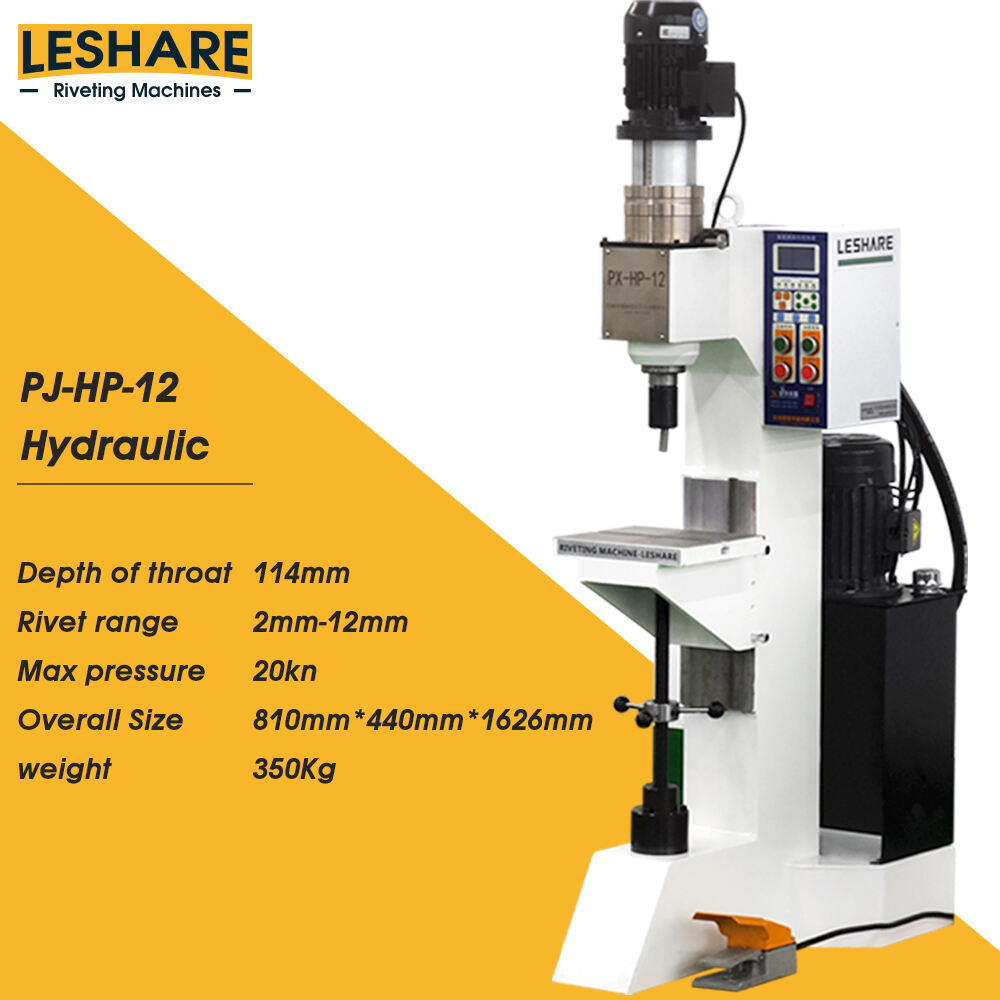
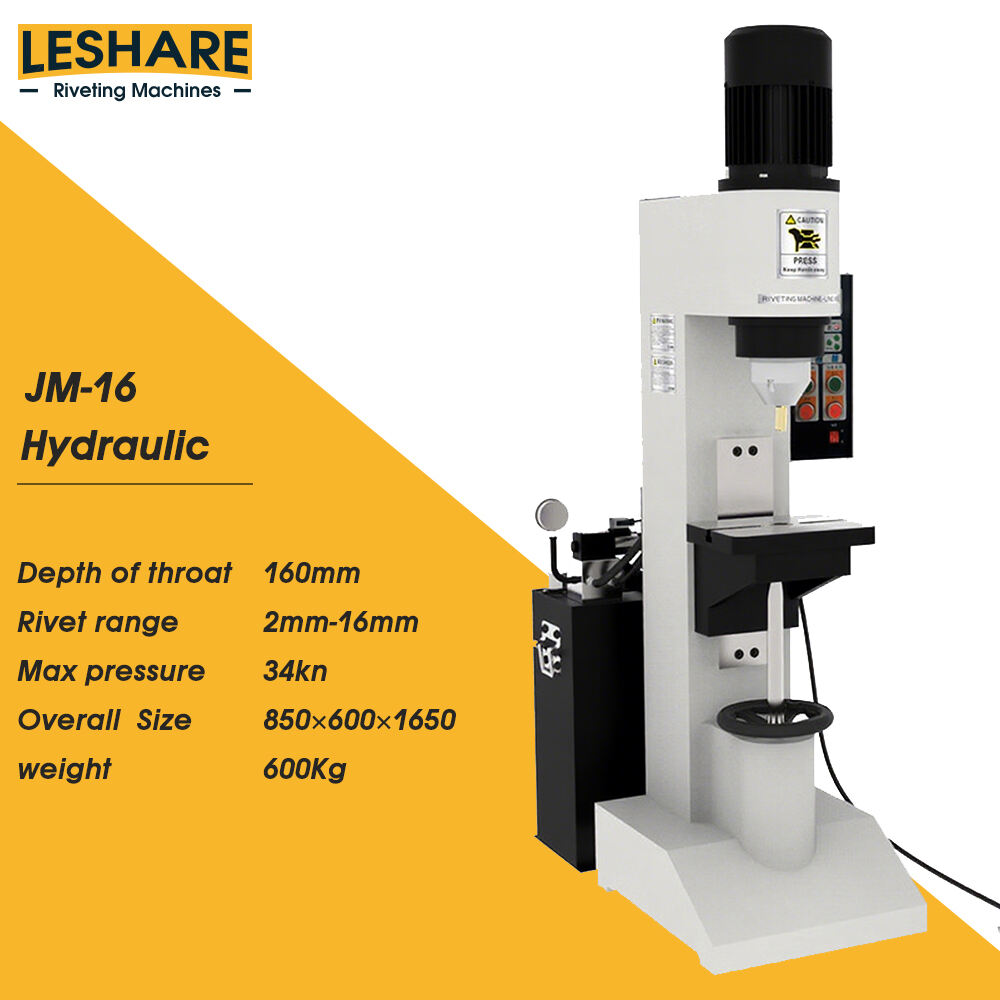
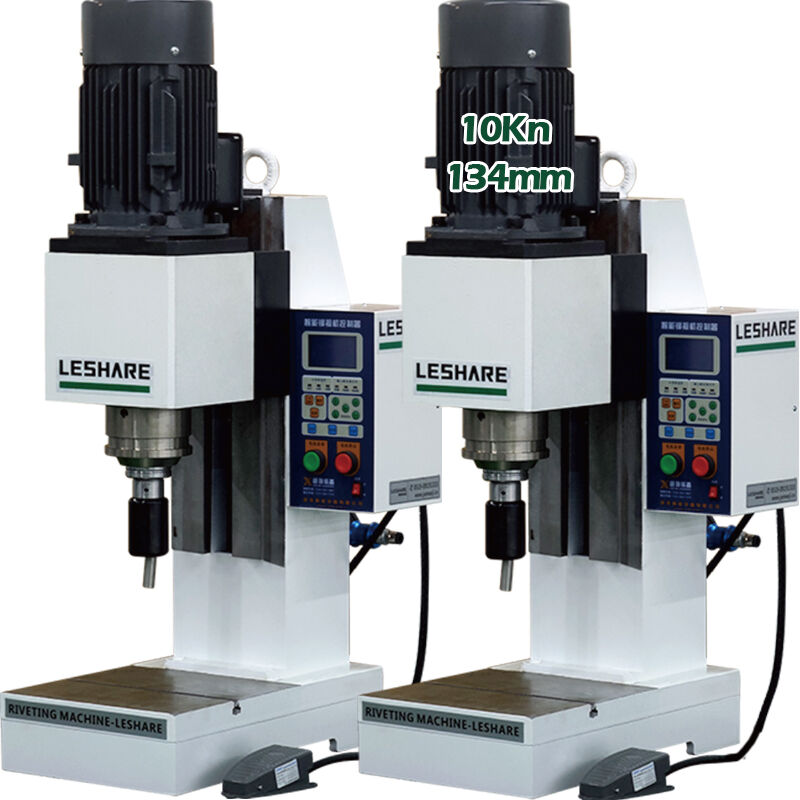
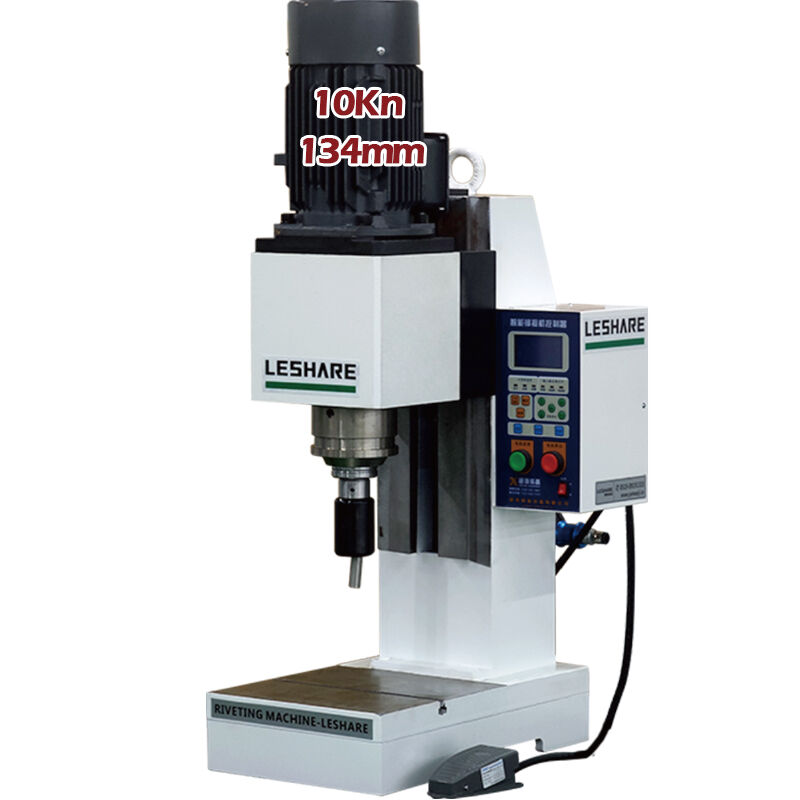
benchtop orbital riveter
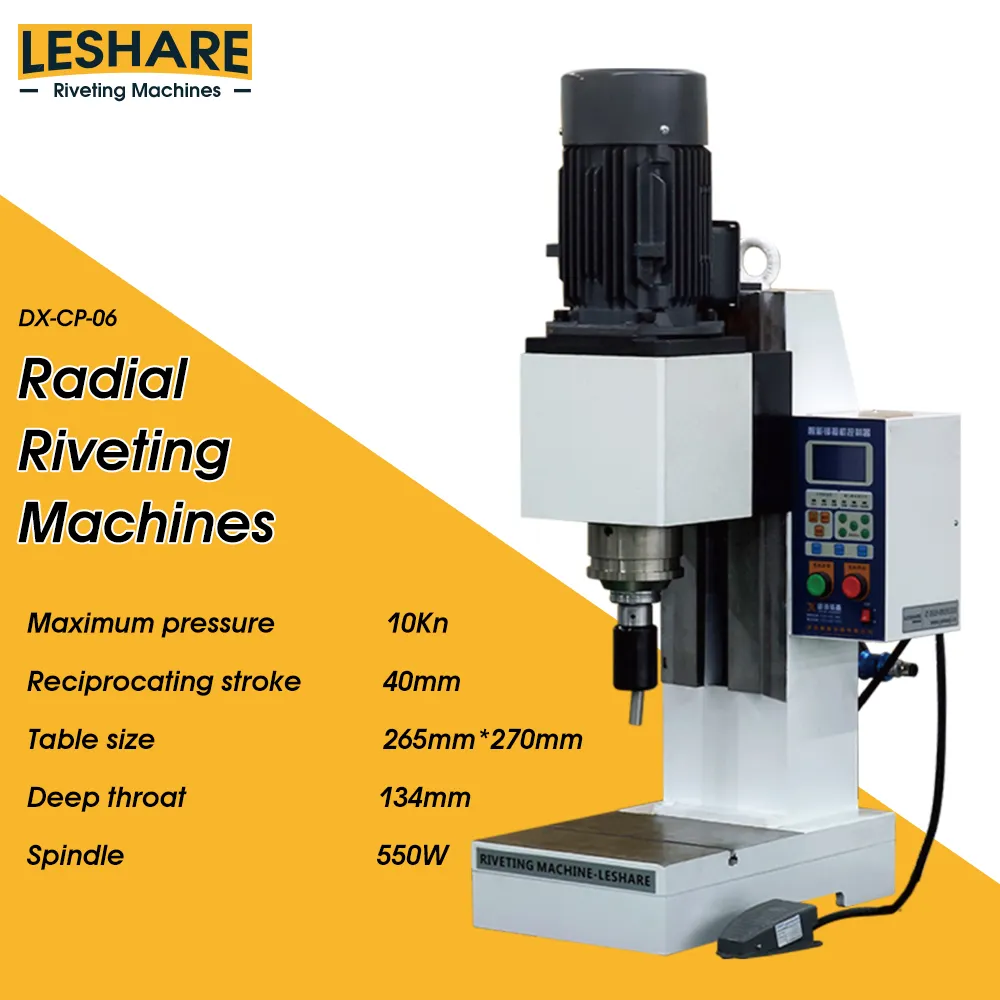
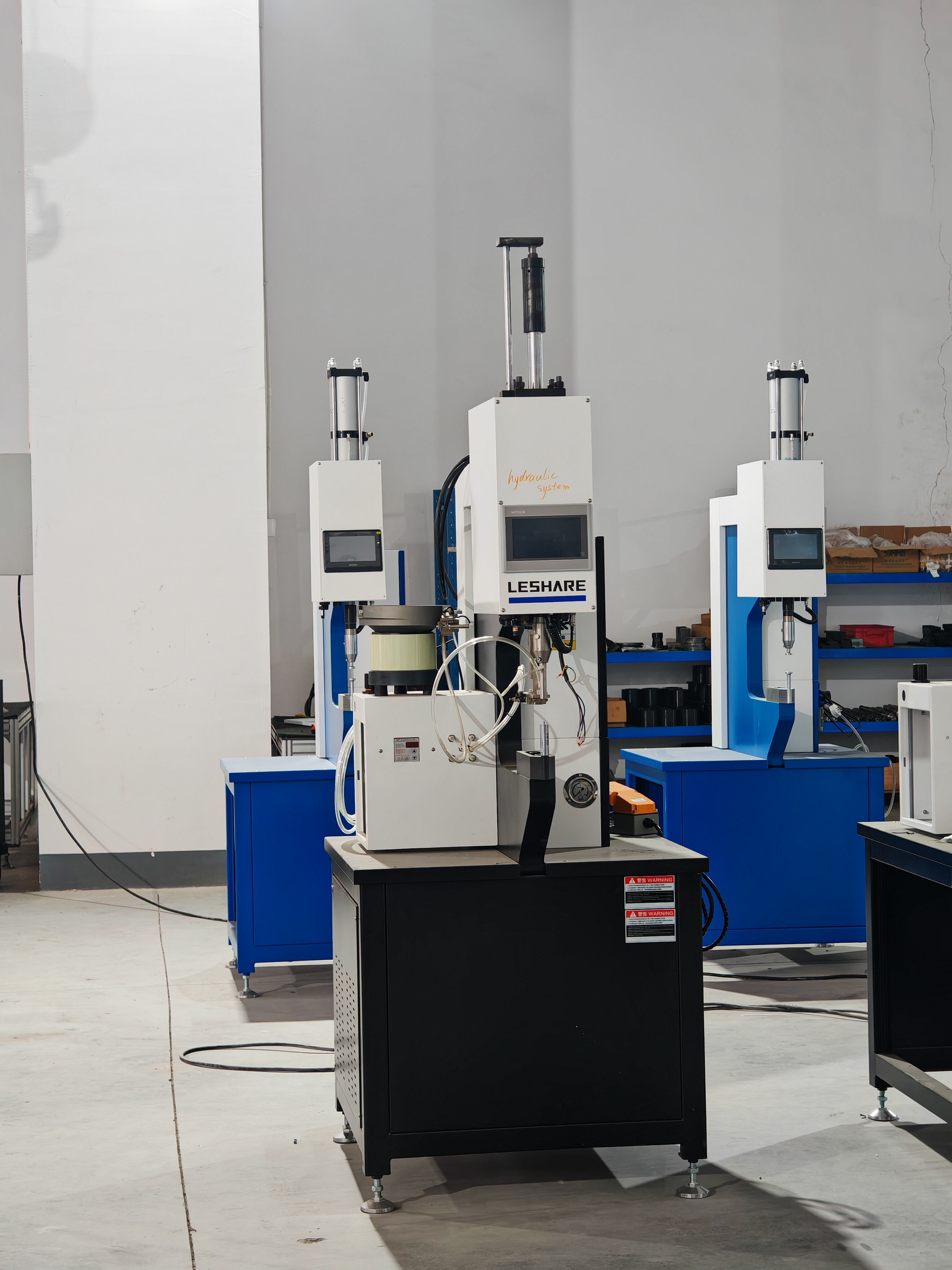
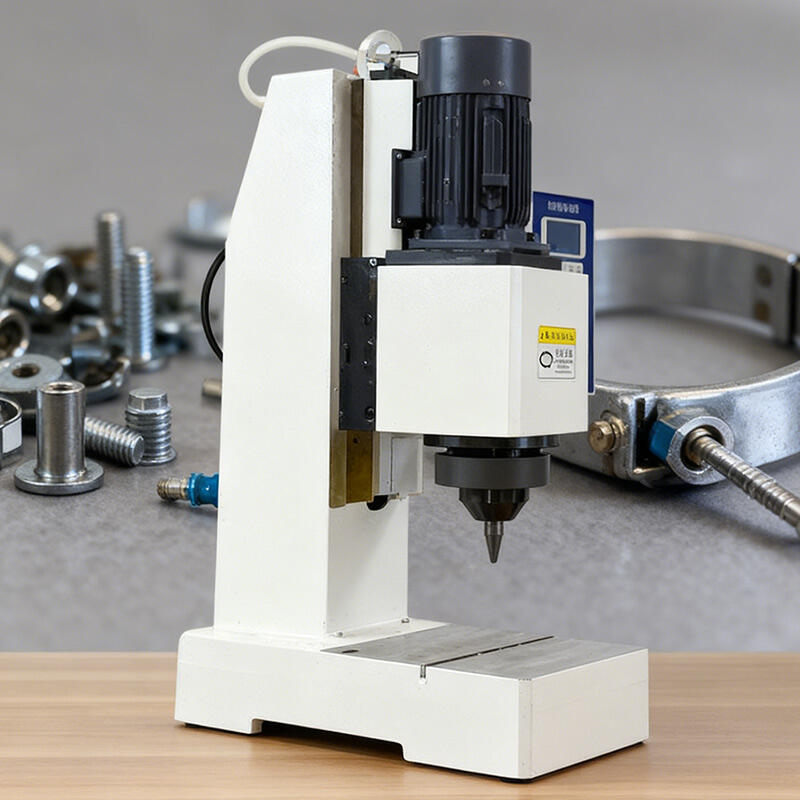
The benchtop orbital riveter represents a cutting-edge fastening solution designed to deliver precision, reliability, and efficiency in industrial assembly operations. This sophisticated machine operates through a unique orbital motion mechanism that creates superior joint quality compared to traditional riveting methods. The benchtop orbital riveter utilizes controlled orbital movement to form rivets gradually, ensuring consistent pressure distribution and optimal material flow during the fastening process. The technology behind this equipment involves precise orbital head movement that rotates around the rivet axis while applying controlled force, creating uniform deformation and exceptional joint strength. Modern benchtop orbital riveter systems incorporate advanced servo-motor controls, programmable parameters, and real-time monitoring capabilities that ensure repeatable results across production runs. The machine features robust construction with hardened steel components, precision bearings, and durable tooling systems designed for extended operational life. Key technological features include adjustable orbital speed control, variable pressure settings, programmable cycle times, and integrated safety systems that protect both operators and equipment. The benchtop orbital riveter excels in applications requiring high-strength joints, such as aerospace components, automotive assemblies, electronic housings, medical device manufacturing, and precision mechanical assemblies. Industries utilizing this technology benefit from improved joint quality, reduced material waste, enhanced production speed, and superior consistency compared to manual riveting or impact-based methods. The equipment accommodates various rivet materials including aluminum, steel, copper, and specialized alloys, making it versatile for diverse manufacturing requirements. Installation typically involves mounting the benchtop orbital riveter on stable work surfaces with appropriate electrical connections and compressed air supply where applicable. Regular maintenance involves lubrication of moving components, inspection of tooling wear, and calibration verification to maintain optimal performance standards throughout the equipment's operational lifecycle.
 EN
EN