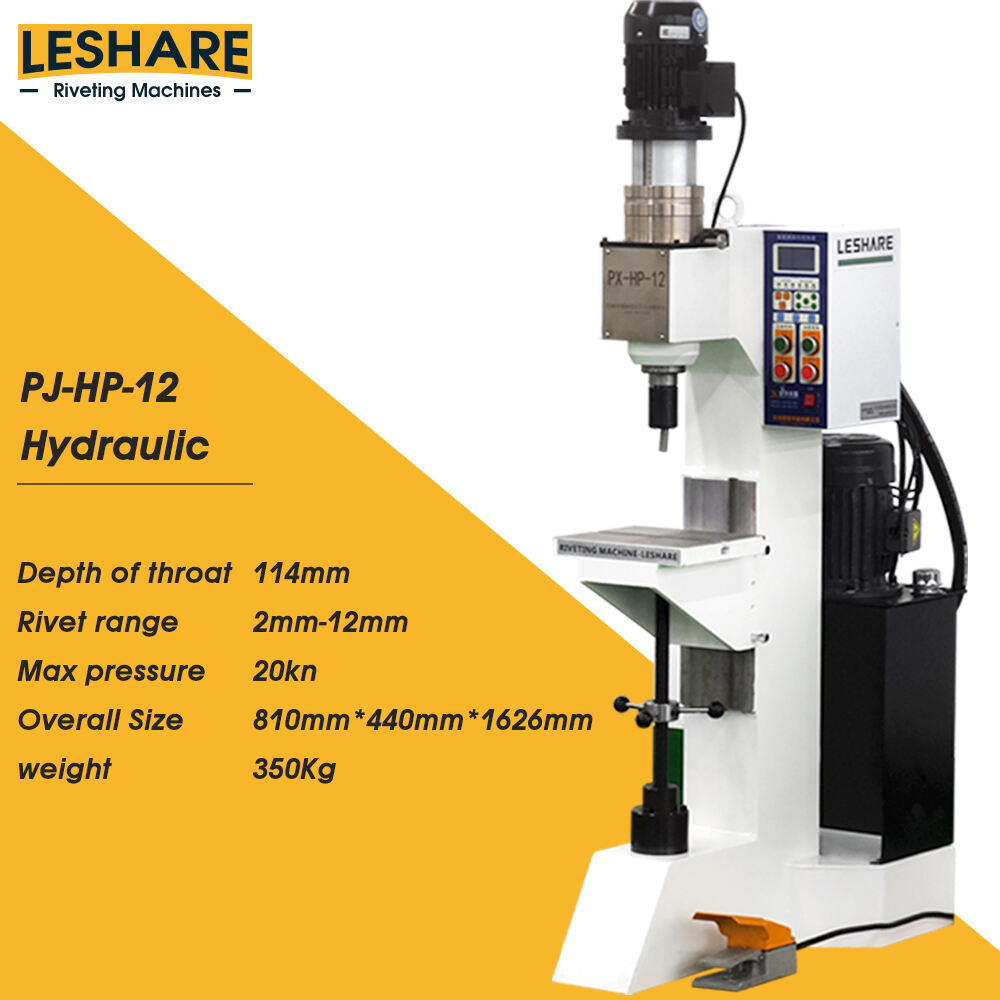
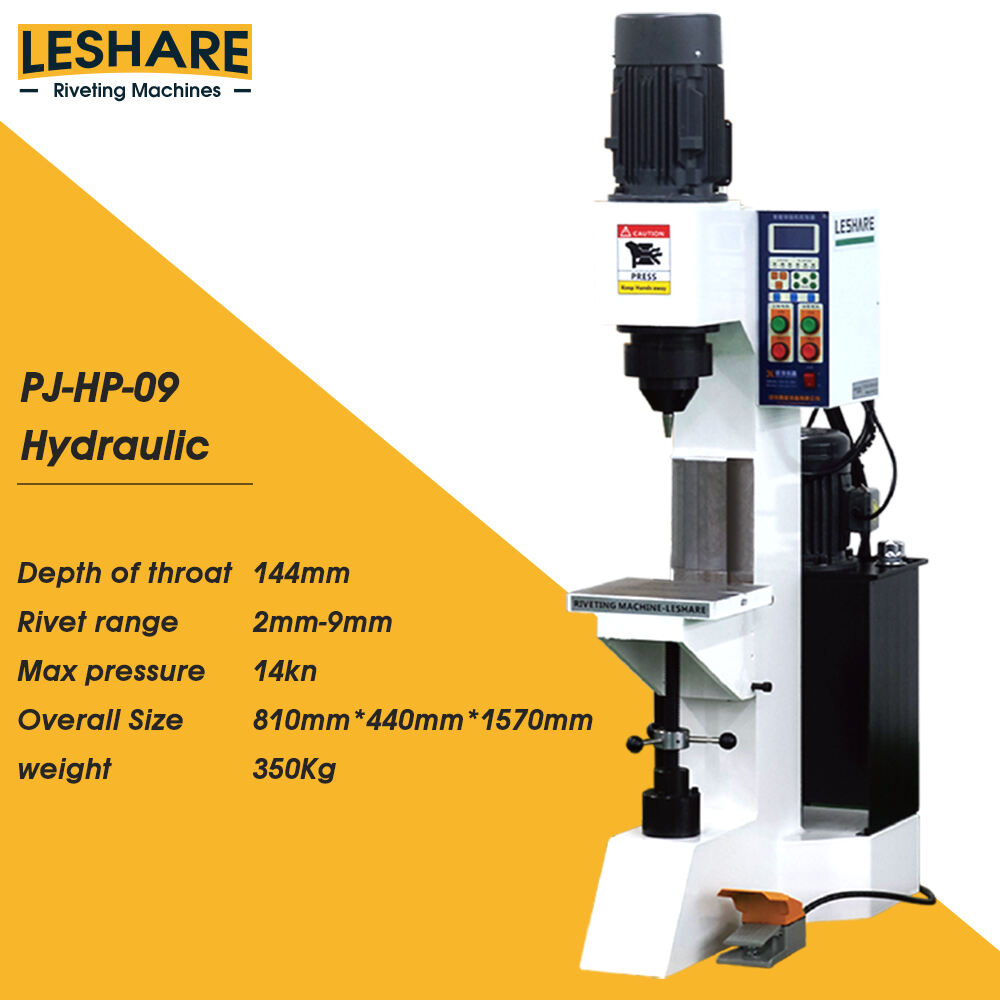
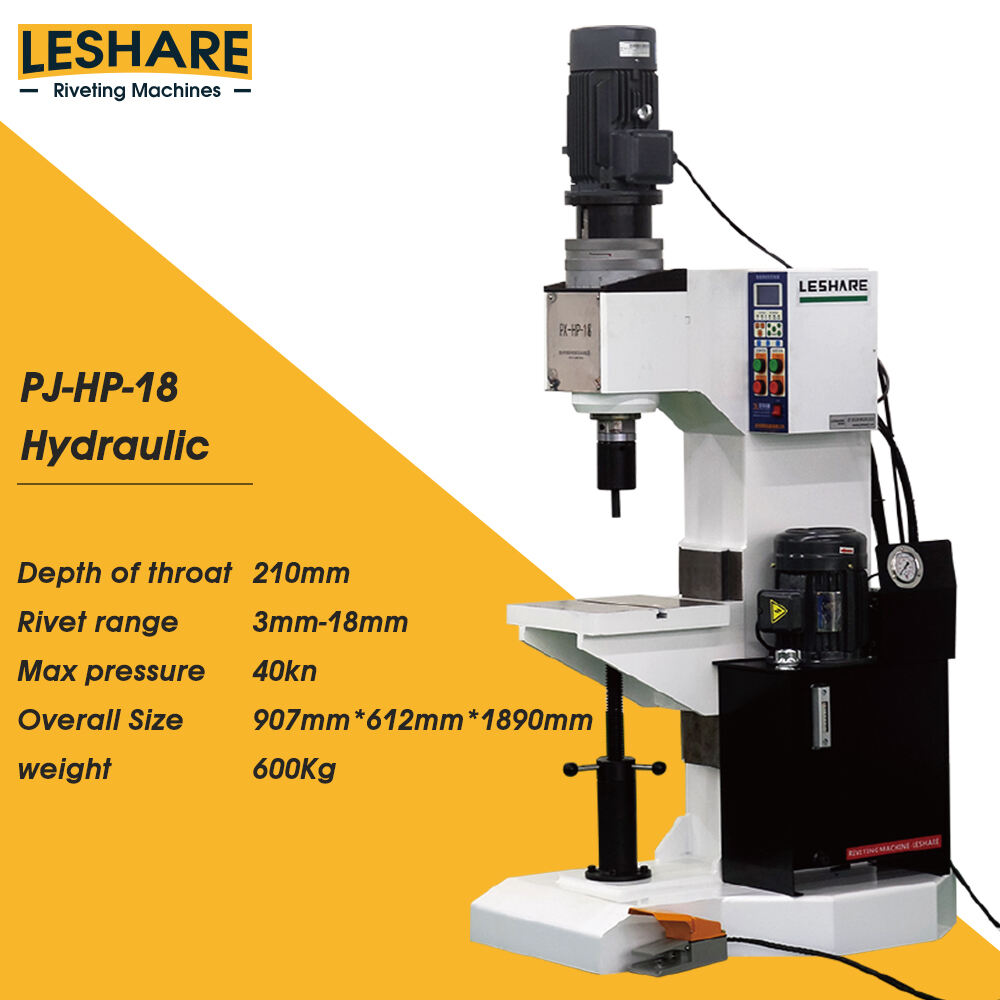
Professional Pneumatic Orbital Riveter - Advanced Assembly Solutions for Industrial Applications

Get a Free Quote

Our representative will contact you soon.
Email
Name
Company Name
Message
0/1000

pneumatic orbital riveter

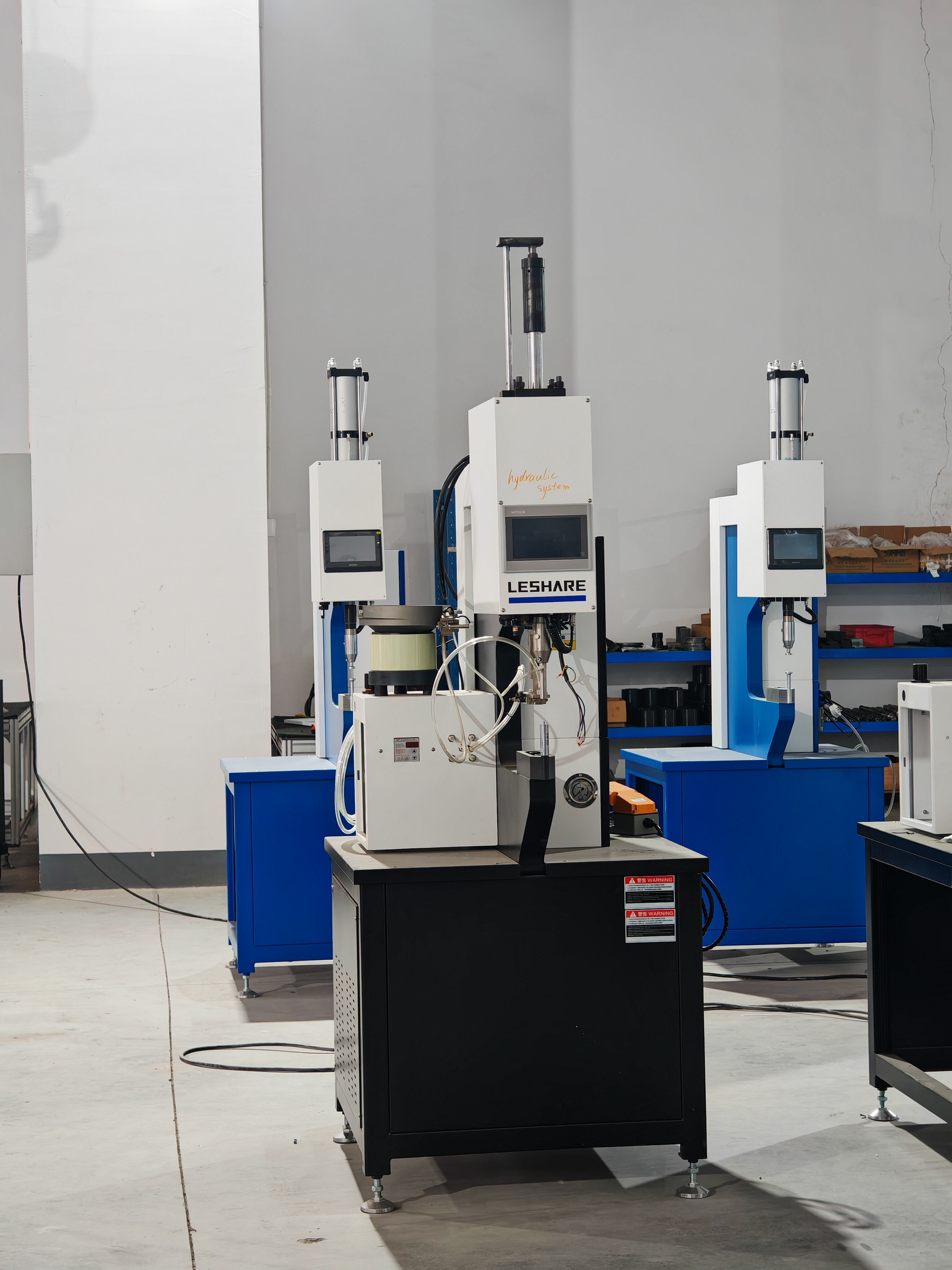
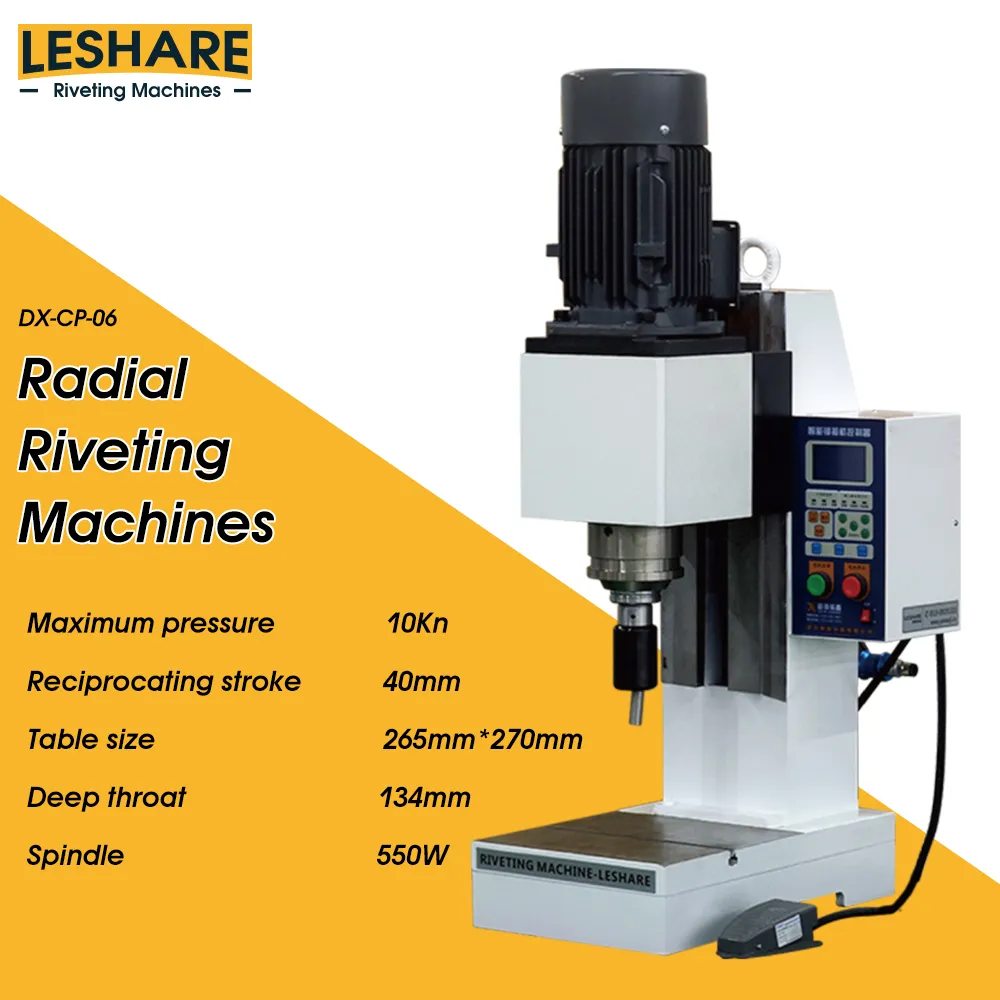
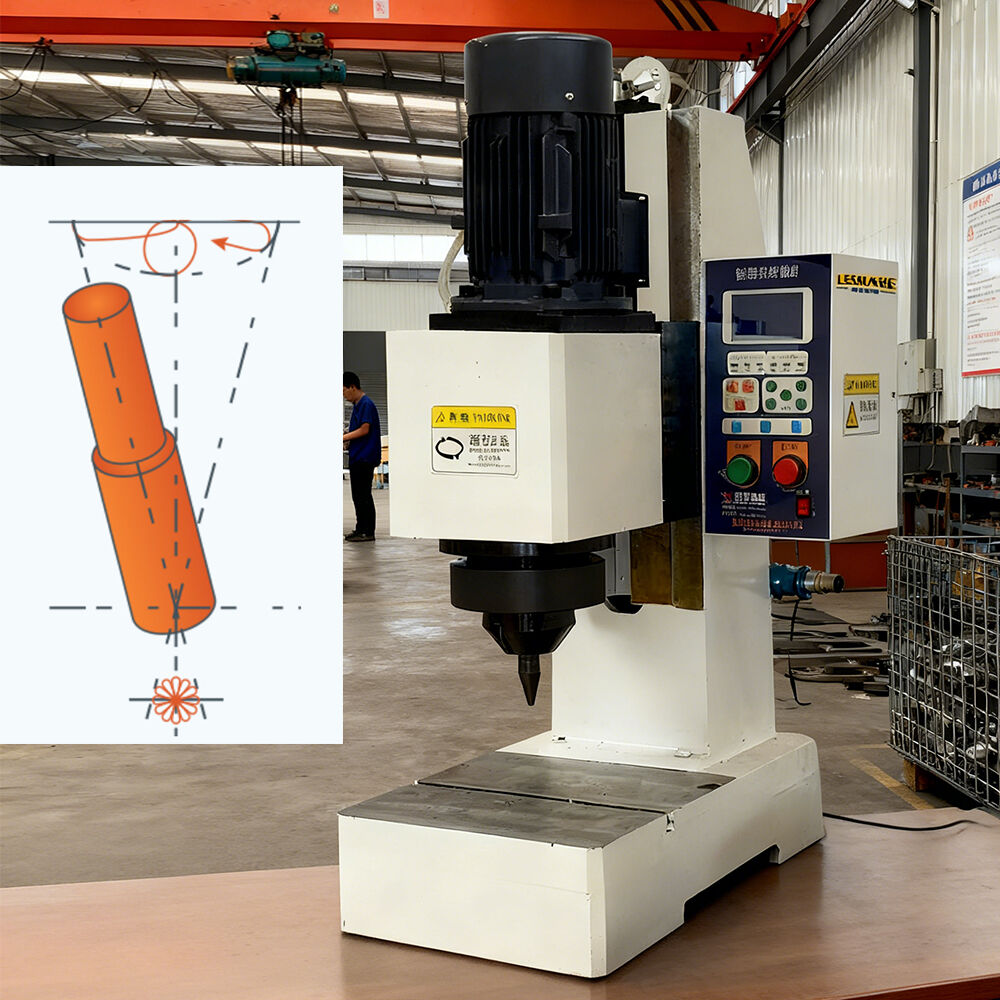
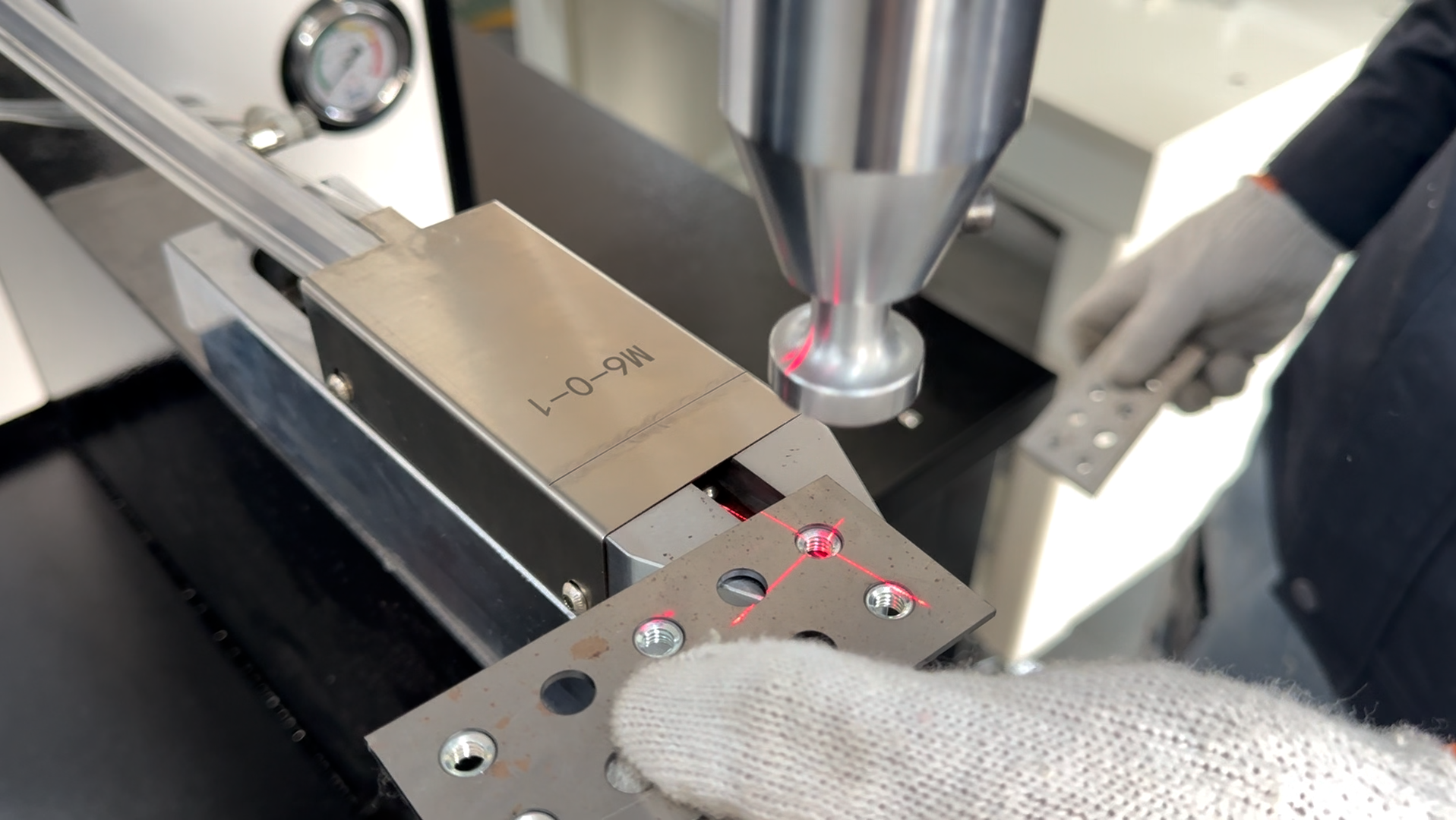
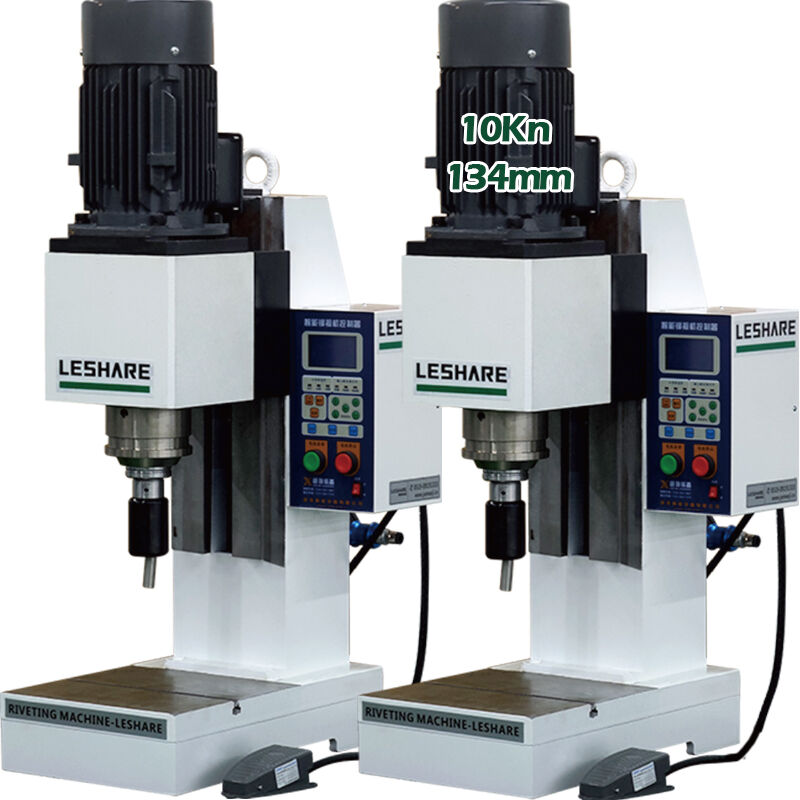
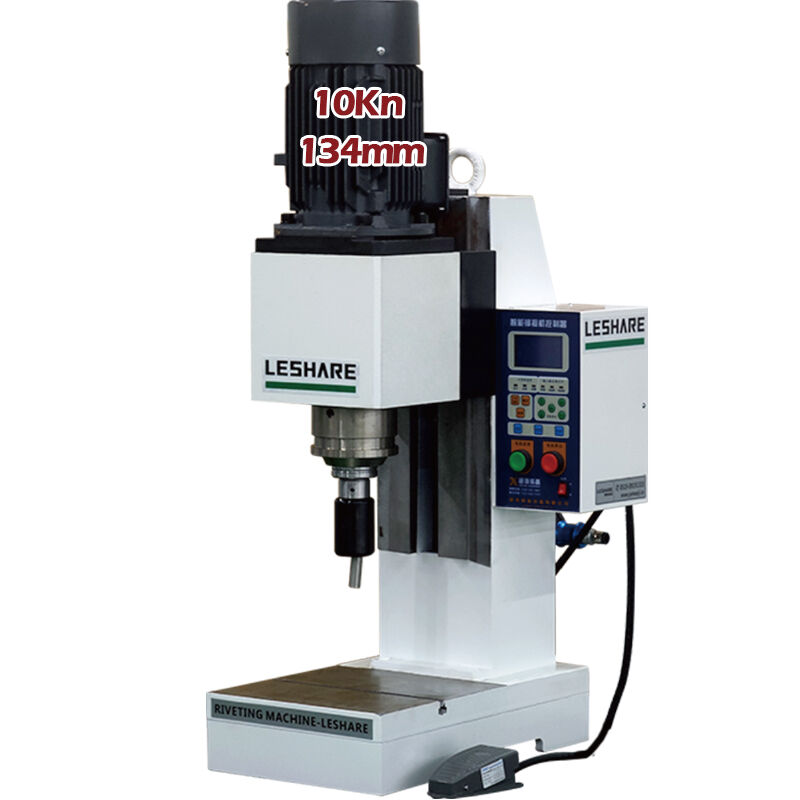
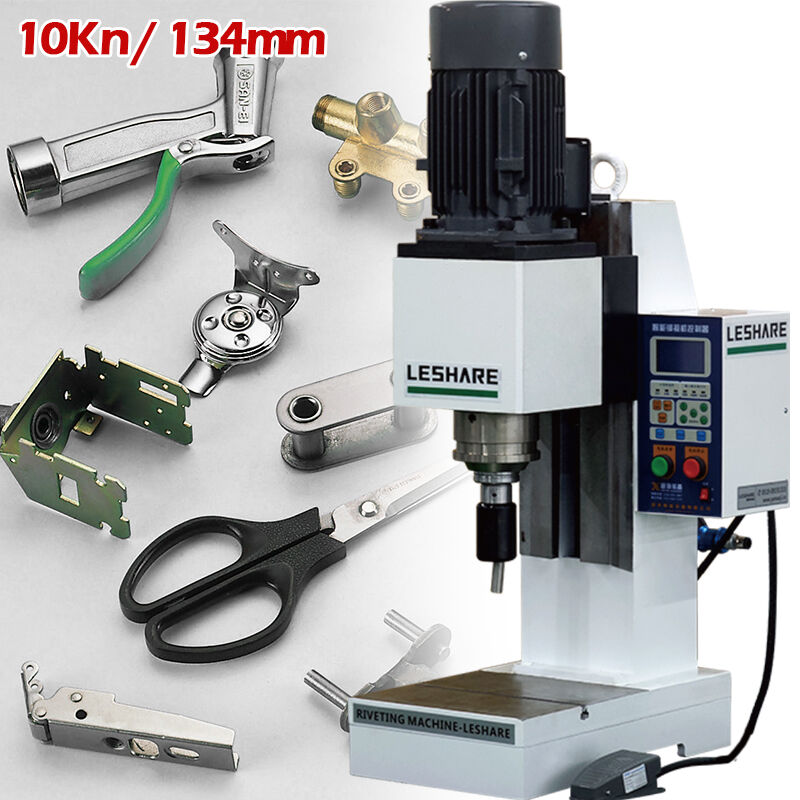
The pneumatic orbital riveter represents a sophisticated fastening solution engineered for precision assembly operations across diverse industrial sectors. This advanced tool utilizes compressed air to power an orbital motion mechanism, creating consistent and reliable riveted joints through controlled deformation processes. The pneumatic orbital riveter operates by combining rotational and oscillating movements, allowing the rivet head to form uniformly while maintaining optimal material flow characteristics. The system's primary function centers on creating permanent mechanical connections between multiple workpieces through precise rivet installation. The technological framework incorporates pressure regulation systems, orbital drive mechanisms, and ergonomic design elements that enhance operational efficiency. Key technological features include adjustable force control, variable speed settings, and integrated depth sensing capabilities that ensure consistent results across different materials and thicknesses. The pneumatic orbital riveter's applications span automotive manufacturing, aerospace assembly, construction equipment production, and general fabrication processes. In automotive applications, these tools excel at joining body panels, chassis components, and interior assemblies where structural integrity remains paramount. Aerospace manufacturers rely on pneumatic orbital riveters for critical fuselage assembly, wing construction, and engine mounting applications where precision tolerances are essential. Construction equipment manufacturers utilize these tools for heavy-duty frame assembly, hydraulic system mounting, and structural component joining. The versatility of pneumatic orbital riveters extends to marine applications, railway car assembly, and industrial equipment manufacturing. The tool's ability to work with various rivet materials including aluminum, steel, stainless steel, and specialized alloys makes it invaluable for diverse manufacturing environments. Modern pneumatic orbital riveters feature advanced control systems that monitor installation parameters, ensuring quality consistency throughout production runs while reducing operator fatigue through automated processes.

New Product Recommendations

The pneumatic orbital riveter delivers exceptional operational benefits that directly impact manufacturing productivity and quality outcomes. This innovative tool significantly reduces installation time compared to traditional riveting methods, allowing operators to complete assembly tasks faster while maintaining superior joint quality. The pneumatic power system provides consistent force delivery, eliminating variations that manual tools often introduce during repetitive operations. Users experience reduced physical strain because the pneumatic orbital riveter requires minimal operator force input, as compressed air handles the demanding work of rivet deformation. The orbital motion technology creates more uniform rivet heads compared to standard impact methods, resulting in improved aesthetic appearance and enhanced structural performance. Quality control becomes more predictable with pneumatic orbital riveters because the controlled orbital motion ensures consistent material flow and optimal rivet formation across all installations. The tool's precision capabilities minimize material waste by reducing the likelihood of improper installations that require rework or replacement. Operators can achieve higher accuracy levels when working on complex assemblies where precise positioning is critical for proper fit and function. The pneumatic system operates quietly compared to impact-based alternatives, creating a more comfortable working environment while reducing noise-related safety concerns. Maintenance requirements remain minimal due to the robust pneumatic design that handles continuous operation without significant wear patterns. The versatility of pneumatic orbital riveters allows manufacturers to standardize on one tool type across multiple applications, reducing training requirements and inventory management complexity. Energy efficiency represents another significant advantage, as compressed air systems typically consume less energy than electric alternatives while providing superior power-to-weight ratios. The consistent performance characteristics of pneumatic orbital riveters enable manufacturers to establish reliable production schedules and quality standards. Workers can operate these tools for extended periods without experiencing the fatigue associated with manual or vibration-intensive alternatives. The controlled orbital motion reduces the risk of workpiece damage that sometimes occurs with impact methods, protecting valuable components during assembly processes.

Tips And Tricks

How Does a Fastener Insertion Machine Improve Productivity in Metal Fabrication?

11

Dec

How Does a Fastener Insertion Machine Improve Productivity in Metal Fabrication?

In today's competitive metal fabrication industry, manufacturers are constantly seeking innovative solutions to enhance production efficiency while maintaining quality standards. A fastener insertion machine represents a revolutionary advancement tha...
View More
Why is a nonrotating shaft radial riveter critical in delicate assemblies?

28

Jan

Why is a nonrotating shaft radial riveter critical in delicate assemblies?

In precision manufacturing environments where component integrity and assembly quality determine product success, the choice of joining technology becomes paramount. A nonrotating shaft radial riveter represents a specialized solution engineered spec...
View More
How Does an Orbital Riveting Machine Improve Assembly Efficiency?

26

Feb

How Does an Orbital Riveting Machine Improve Assembly Efficiency?

Manufacturing industries constantly seek innovative solutions to enhance assembly efficiency while maintaining superior product quality. An orbital riveting machine represents a breakthrough technology that revolutionizes traditional fastening method...
View More
What Types of Fasteners Work with Insertion Machines?

18

Mar

What Types of Fasteners Work with Insertion Machines?

Insertion Machines play a critical role in today’s automated manufacturing environments, enabling precise, efficient, and repeatable installation of a wide range of fasteners. From sheet metal fabrication to automotive assembly lines, these mac...
View More

Get a Free Quote

Our representative will contact you soon.
Email
Name
Company Name
Message
0/1000

pneumatic orbital riveter

Superior Joint Quality Through Orbital Motion Technology

Superior Joint Quality Through Orbital Motion Technology

The pneumatic orbital riveter's most distinctive advantage lies in its revolutionary orbital motion technology that fundamentally transforms how riveted connections are formed. Unlike traditional impact-based methods that rely on sudden force application, the orbital motion creates a controlled, continuous forming process that produces superior joint quality through gradual material deformation. This advanced technology works by combining rotational and oscillating movements in a precise pattern that allows the rivet material to flow uniformly around the joint interface. The controlled nature of this process eliminates the shock loading that can cause micro-cracks or inconsistent material distribution in traditional riveting methods. Manufacturing engineers particularly value this technology because it produces joints with enhanced fatigue resistance, crucial for applications subjected to cyclic loading conditions. The orbital motion ensures complete rivet head formation without the material displacement irregularities common in impact methods, resulting in joints that meet or exceed engineering specifications consistently. This technology proves especially beneficial when working with sensitive materials that require gentle forming processes to maintain their structural properties. The gradual forming action prevents work hardening that can occur with rapid deformation methods, preserving the rivet material's optimal mechanical characteristics throughout the installation process. Quality assurance teams appreciate the predictable results that orbital motion technology delivers, as each rivet installation follows the same controlled forming pattern regardless of operator technique variations. The technology also enables successful riveting of dissimilar materials that might be problematic with conventional methods, expanding design possibilities for engineers. In critical applications where joint reliability directly impacts safety, the orbital motion technology provides the consistency and quality assurance that traditional methods cannot match, making it an essential tool for demanding manufacturing environments.
Enhanced Productivity Through Pneumatic Power Systems

Enhanced Productivity Through Pneumatic Power Systems

The pneumatic power system integrated into orbital riveters delivers remarkable productivity improvements that directly translate to measurable manufacturing benefits and operational cost reductions. This sophisticated power delivery method harnesses compressed air to provide consistent force output that remains stable throughout extended operating periods, unlike electric or manual alternatives that may experience performance variations. The pneumatic system's instant response characteristics enable rapid cycling between riveting operations, significantly reducing the time required for complex assembly processes. Manufacturing supervisors consistently report productivity increases of twenty to thirty percent when transitioning from manual or electric tools to pneumatic orbital riveters, primarily due to the elimination of operator fatigue factors that slow traditional methods. The power system's ability to maintain consistent performance regardless of ambient temperature conditions makes it particularly valuable in manufacturing environments where temperature variations could affect tool performance. Operators benefit from the reduced physical effort required, as the pneumatic system handles the demanding aspects of rivet formation while allowing precise control over positioning and timing. The instant availability of full power upon activation eliminates the warm-up periods associated with some electric tools, enabling immediate productive work at the start of each shift. The pneumatic system's reliability reduces unplanned downtime that can disrupt production schedules, as these systems typically require less maintenance than complex electric alternatives. Energy efficiency represents another productivity advantage, as properly sized pneumatic systems operate at lower overall energy costs while delivering superior power density compared to electric equivalents. The system's ability to operate continuously without overheating concerns enables sustained high-production runs that maximize manufacturing throughput during critical delivery periods. Quality consistency provided by stable pneumatic power reduces the need for inspection and rework activities that consume valuable production time and resources.
Operational Safety and Ergonomic Excellence

Operational Safety and Ergonomic Excellence

The pneumatic orbital riveter prioritizes operator safety and ergonomic comfort through thoughtful design features that address the physical demands and safety concerns inherent in repetitive assembly operations. The tool's balanced weight distribution and ergonomic grip design significantly reduce hand and wrist strain during extended use periods, preventing the repetitive stress injuries commonly associated with traditional riveting methods. The controlled orbital motion eliminates the jarring impacts and vibrations that characterize pneumatic hammers and similar tools, protecting operators from vibration-related health issues that can develop over time. Safety engineers appreciate the predictable operation characteristics that reduce the risk of accidental injury, as the controlled forming process eliminates the sudden force releases that can cause tool kickback or loss of control. The pneumatic system operates at lower noise levels compared to impact-based alternatives, protecting operator hearing while creating a more comfortable working environment that supports better concentration and accuracy. The tool's design incorporates multiple safety features including pressure regulation systems that prevent excessive force application and depth control mechanisms that ensure consistent results while protecting underlying components from damage. Operators experience reduced fatigue because the pneumatic power system eliminates the need for sustained physical force application, allowing workers to maintain productivity throughout full shifts without experiencing declining performance. The smooth operation characteristics enable precise positioning and control, reducing the likelihood of workpiece damage or improper installations that could create safety hazards in the finished product. Training requirements are minimized due to the intuitive operation and consistent performance characteristics that reduce the learning curve for new operators. The tool's reliability and predictable behavior enhance overall workplace safety by eliminating the unpredictable performance variations that can lead to accidents or quality issues in high-pressure production environments.

Get a Free Quote

Our representative will contact you soon.
Email
Name
Company Name
Message
0/1000