High-Precision Rotary Riveting Machine: Advanced Industrial Assembly Solutions

Get a Free Quote

Our representative will contact you soon.
Email
Name
Company Name
Message
0/1000

high-precision rotary riveting machine

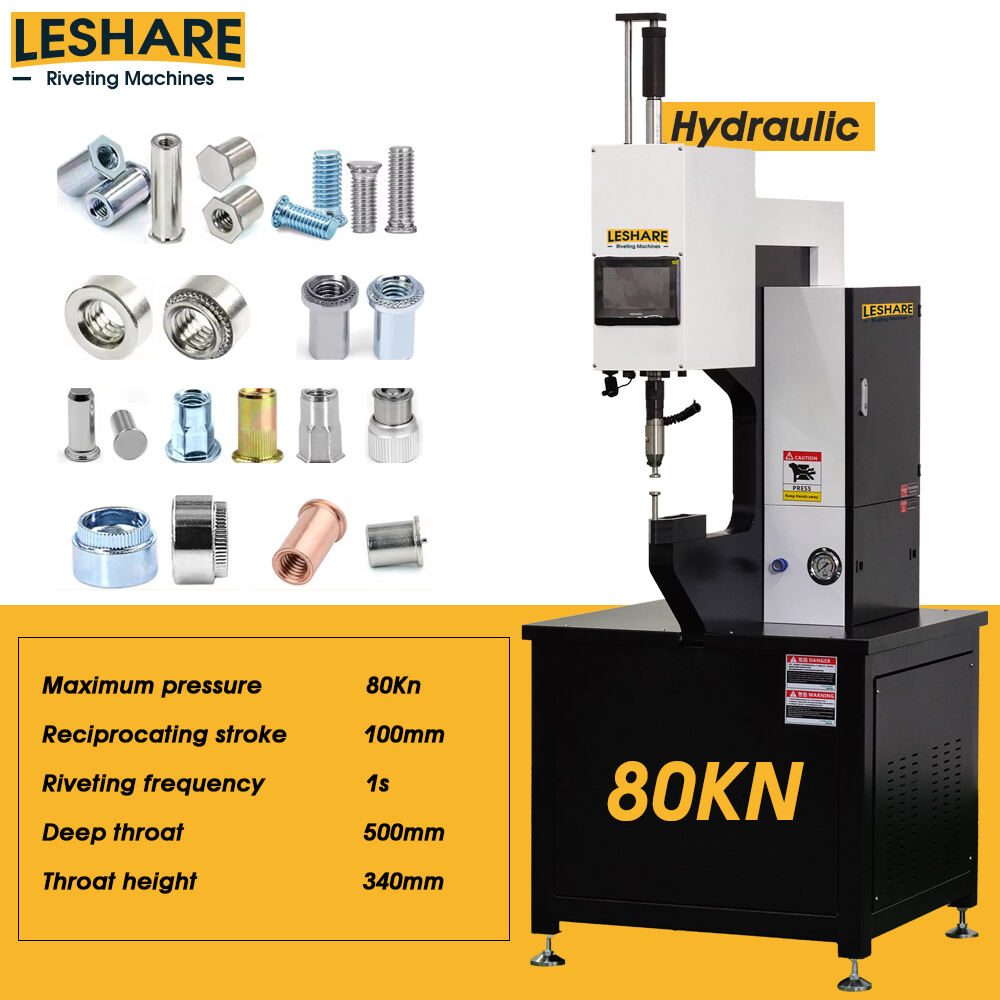
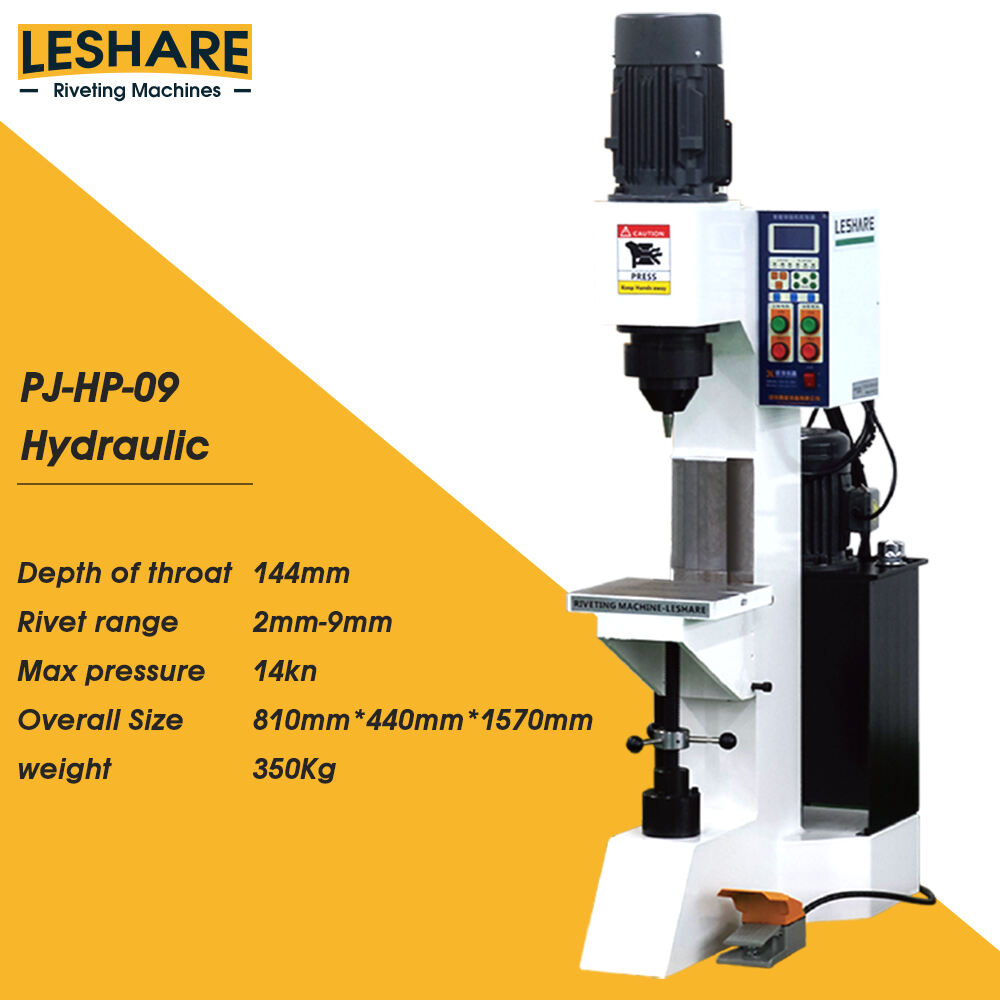
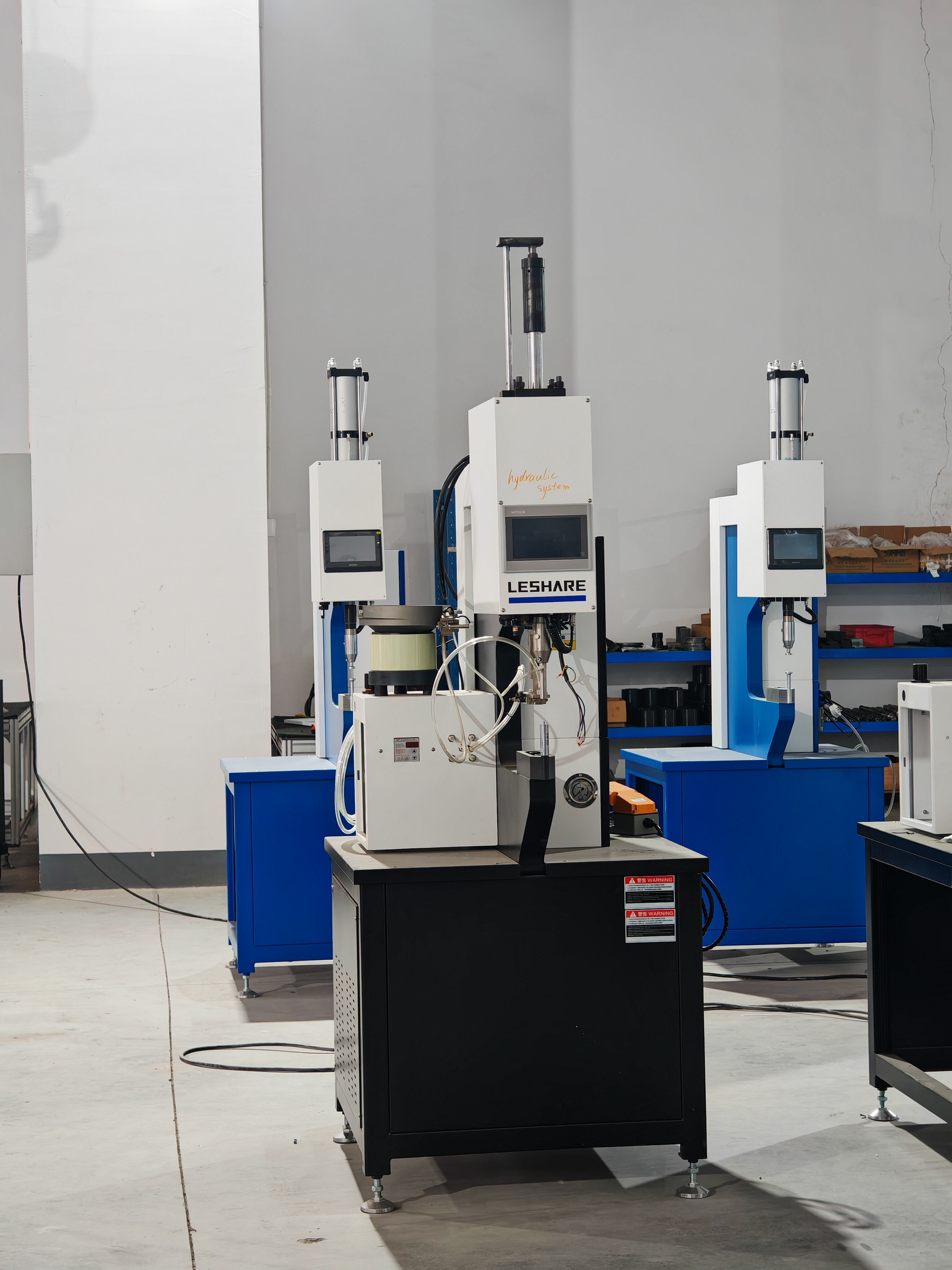
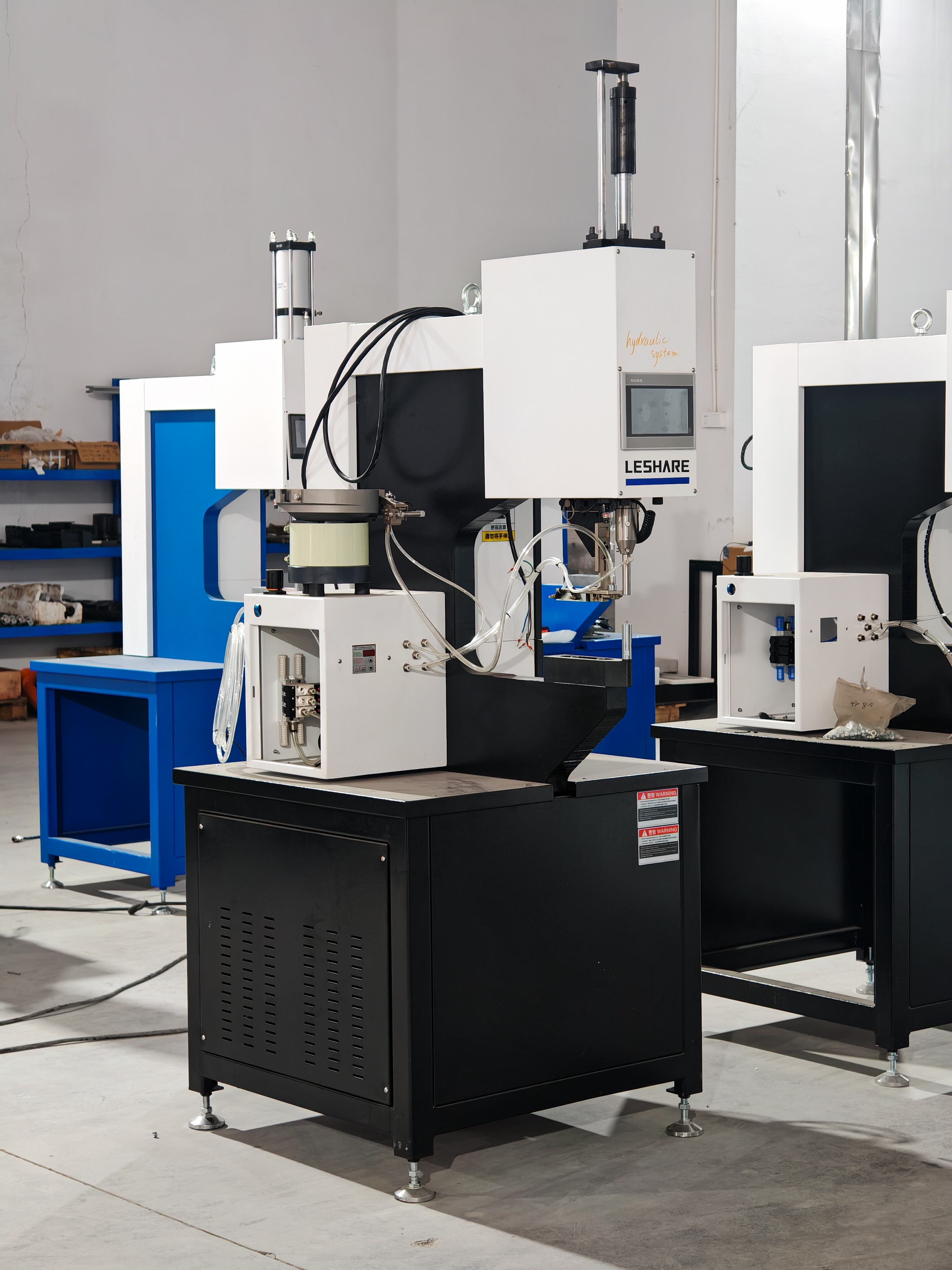
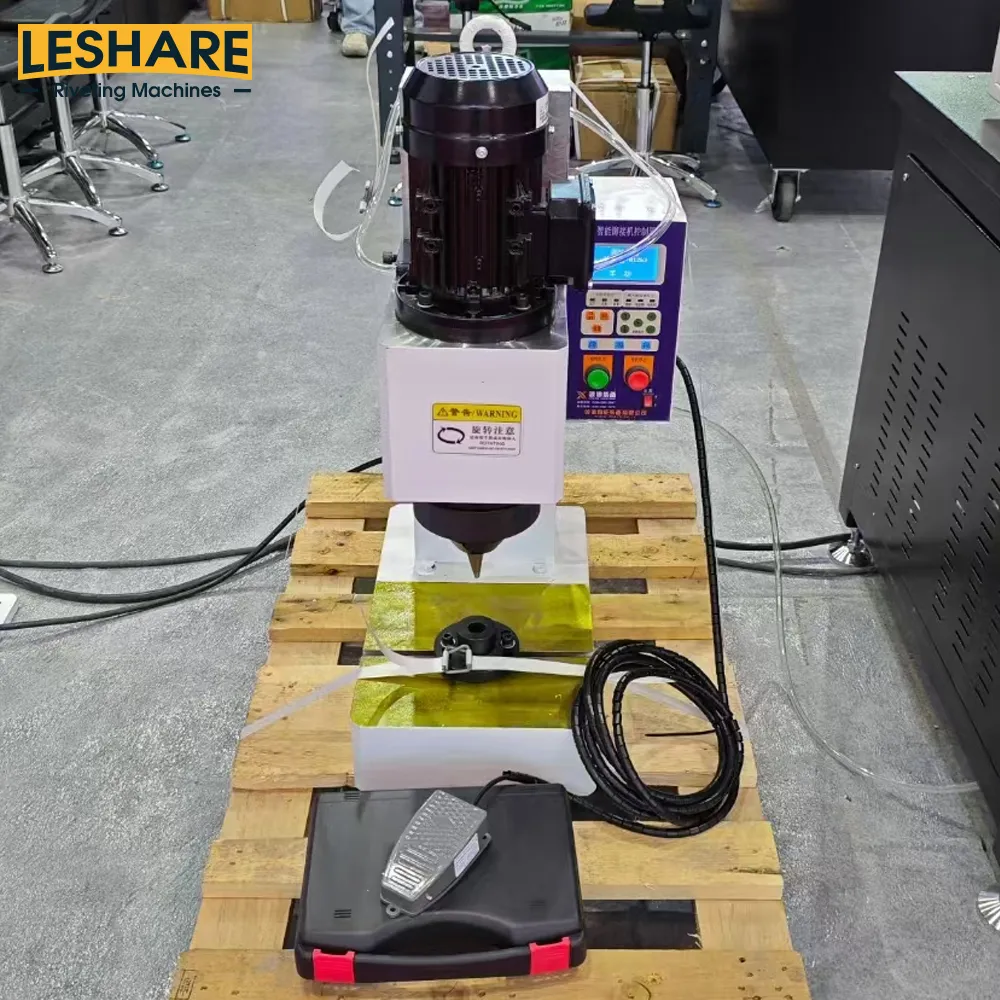
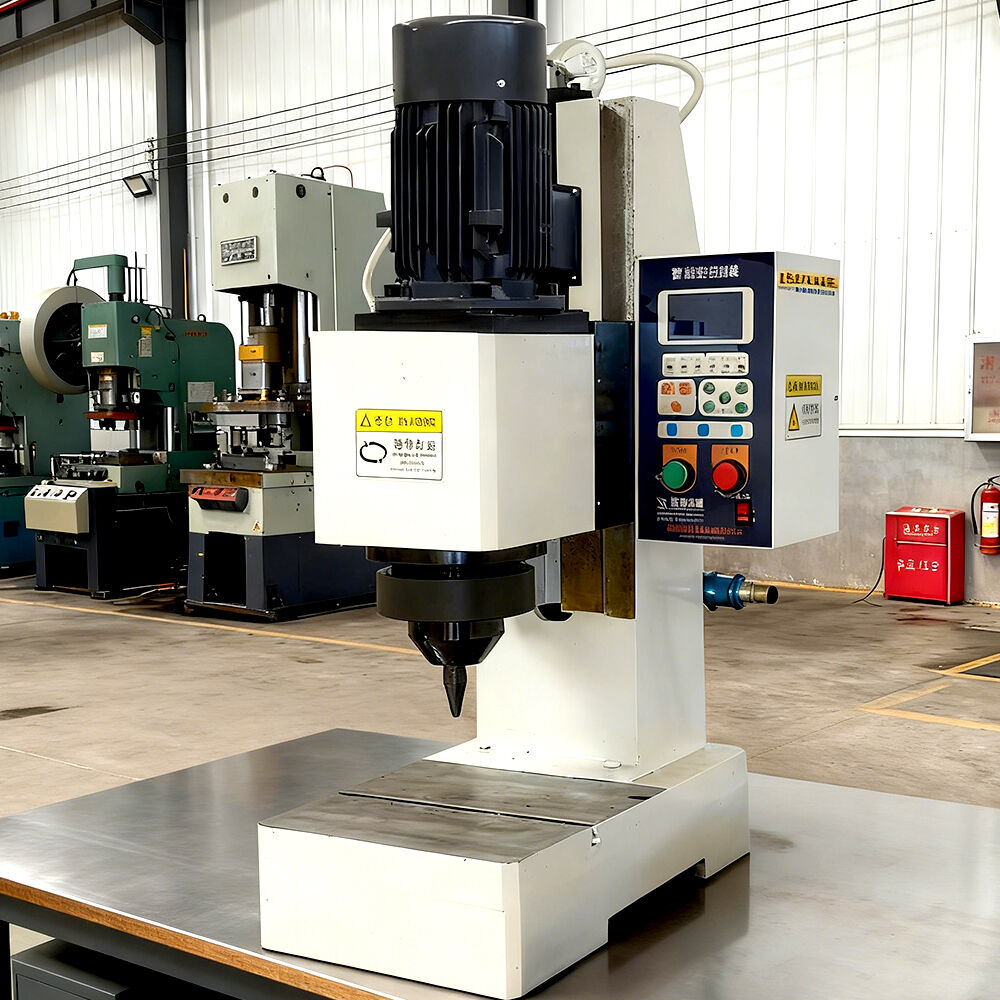
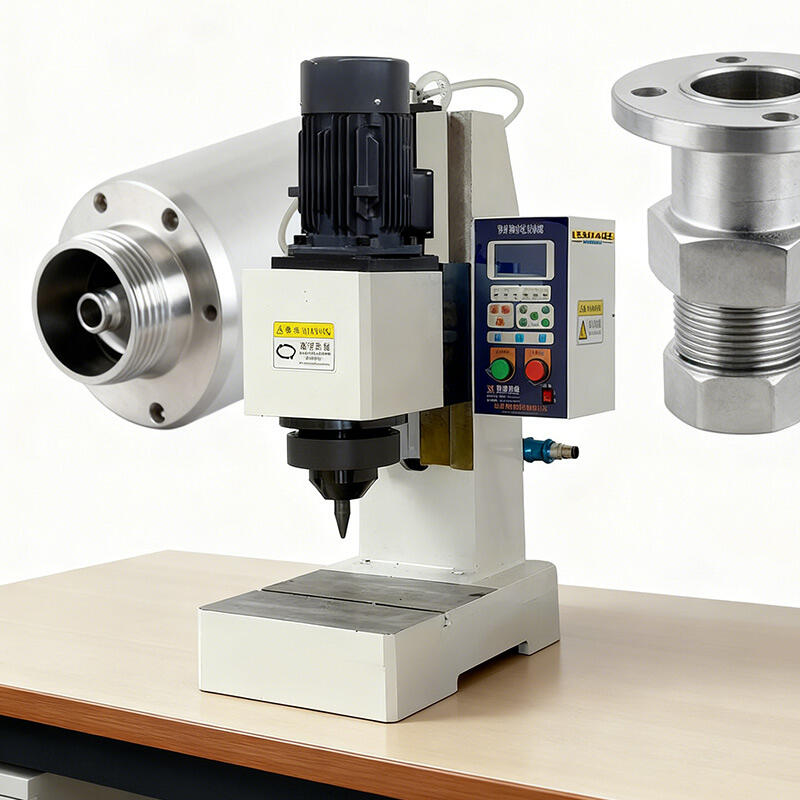
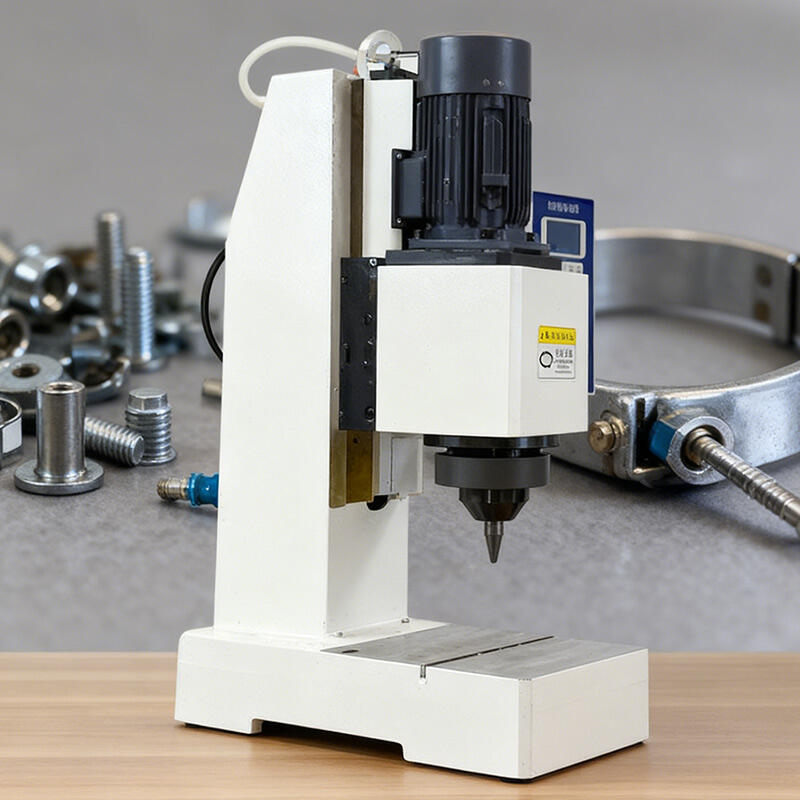
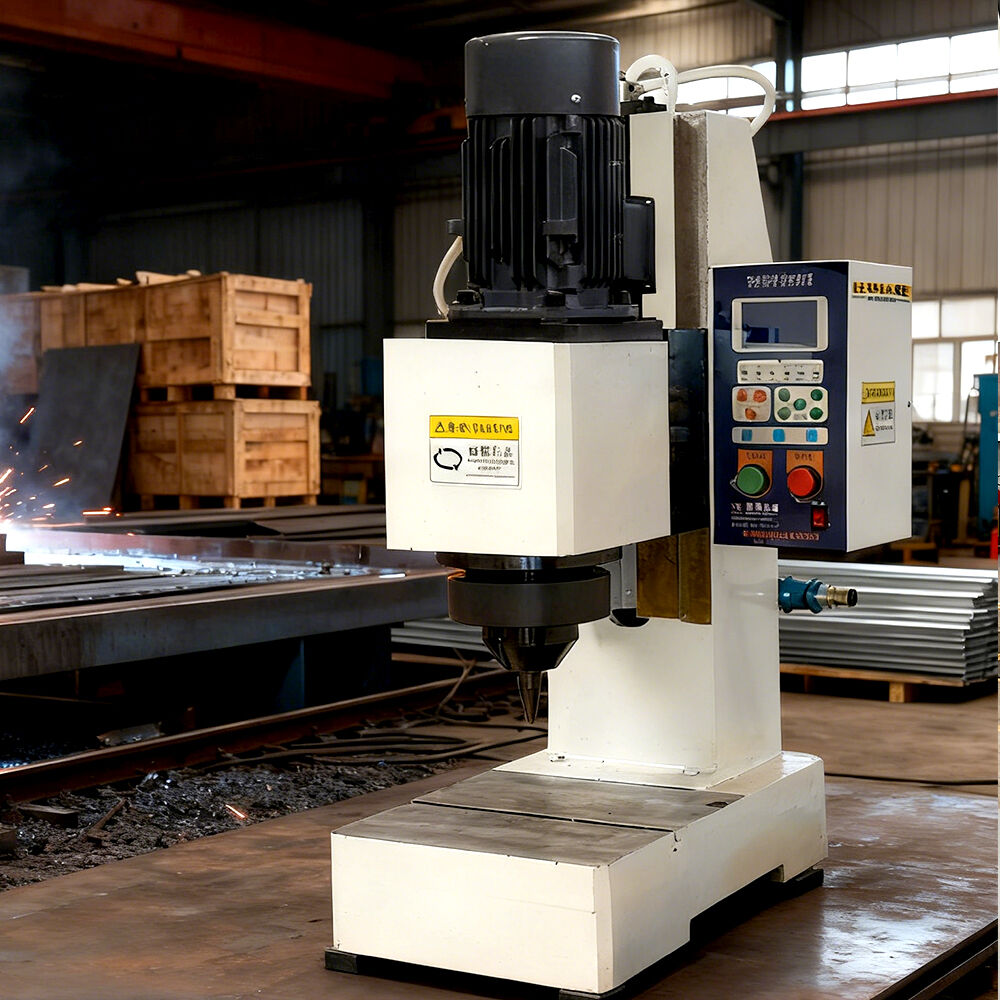
The high-precision rotary riveting machine represents a revolutionary advancement in metal joining technology, delivering exceptional accuracy and reliability for industrial assembly operations. This sophisticated equipment employs a unique rotational force mechanism combined with controlled pressure application to create permanent mechanical joints between multiple materials. Unlike traditional riveting methods, the rotary riveting process generates minimal heat while producing superior joint strength and consistency. The machine operates by rotating a specially designed rivet under precisely controlled pressure, allowing the rivet material to flow and form a secure connection without compromising the integrity of the base materials. Manufacturing facilities across automotive, aerospace, electronics, and construction industries rely on this technology for critical assembly processes where joint quality cannot be compromised. The high-precision rotary riveting machine features advanced servo-controlled systems that monitor and adjust parameters in real-time, ensuring consistent results across thousands of operations. Its modular design accommodates various rivet sizes and materials, from standard aluminum and steel to exotic alloys used in specialized applications. The equipment integrates seamlessly with automated production lines through programmable logic controllers and industrial communication protocols. Quality control mechanisms include force monitoring, position sensing, and defect detection capabilities that identify potential issues before they affect production quality. The machine's compact footprint and ergonomic design make it suitable for both high-volume manufacturing environments and precision assembly operations. Advanced safety features protect operators while maintaining optimal productivity levels throughout extended production runs.

New Product Recommendations

The high-precision rotary riveting machine delivers remarkable benefits that transform manufacturing operations and enhance product quality. First, this equipment produces consistently stronger joints compared to conventional riveting methods because the rotational force distributes stress evenly throughout the rivet material. This even distribution eliminates weak points that commonly occur with impact-based riveting systems. Second, the process generates significantly less heat during operation, which prevents material distortion and maintains the structural integrity of heat-sensitive components. This temperature control becomes crucial when working with thin materials or delicate assemblies that cannot withstand thermal stress. Third, operators achieve superior control over the riveting process through programmable parameters that can be adjusted for different materials and joint requirements. This flexibility allows manufacturers to optimize settings for each specific application rather than accepting one-size-fits-all solutions. Fourth, the equipment reduces material waste substantially because failed joints occur less frequently due to the precise control mechanisms. This reduction in scrap materials directly impacts production costs and improves overall efficiency. Fifth, maintenance requirements decrease dramatically compared to traditional pneumatic or hydraulic riveting systems because the rotary mechanism experiences less wear and operates more smoothly. This reliability translates to reduced downtime and lower long-term operating costs. Sixth, the quiet operation of high-precision rotary riveting machines creates a better working environment for operators while meeting strict noise regulations in modern facilities. Seventh, the consistent quality output reduces the need for extensive quality control inspections, allowing resources to be allocated to other critical production areas. Eighth, the equipment adapts easily to automated production lines, supporting Industry 4.0 initiatives and smart manufacturing concepts. Finally, the precise control capabilities enable manufacturers to work with a broader range of materials and joint configurations, expanding their production capabilities and market opportunities.

Practical Tips

How Does a Fastener Insertion Machine Improve Productivity in Metal Fabrication?

11

Dec

How Does a Fastener Insertion Machine Improve Productivity in Metal Fabrication?

In today's competitive metal fabrication industry, manufacturers are constantly seeking innovative solutions to enhance production efficiency while maintaining quality standards. A fastener insertion machine represents a revolutionary advancement tha...
View More
Why Is a Fastener Insertion Machine Essential for Consistent Hardware Placement?

18

Dec

Why Is a Fastener Insertion Machine Essential for Consistent Hardware Placement?

Manufacturing precision has become the cornerstone of modern industrial production, where even the smallest components must be installed with exact accuracy and consistent quality. In today's competitive manufacturing landscape, companies are increas...
View More
How do radial riveting machines integrate with modern production systems?

26

Feb

How do radial riveting machines integrate with modern production systems?

Modern manufacturing environments demand precision, efficiency, and seamless integration across all production processes. Radial riveting machines have emerged as essential equipment for achieving reliable fastening solutions in industries ranging fr...
View More
Why choose lowspeed radial riveting for precision industrial assembly?

26

Feb

Why choose lowspeed radial riveting for precision industrial assembly?

Manufacturing precision and assembly quality have become critical differentiators in today's competitive industrial landscape. When it comes to joining metal components, lowspeed radial riveting stands out as a superior methodology that delivers cons...
View More

Get a Free Quote

Our representative will contact you soon.
Email
Name
Company Name
Message
0/1000

high-precision rotary riveting machine

Unmatched Precision and Consistency in Joint Formation

Unmatched Precision and Consistency in Joint Formation

The high-precision rotary riveting machine achieves exceptional accuracy through advanced servo-controlled technology that monitors every aspect of the riveting process. This sophisticated control system continuously adjusts pressure, rotation speed, and depth parameters based on real-time feedback from integrated sensors. The result is remarkable consistency across thousands of operations, with joint strength variations typically remaining within two percent of target specifications. This level of precision proves essential in industries where safety and reliability cannot be compromised, such as aerospace manufacturing where component failure could have catastrophic consequences. The machine's ability to maintain consistent performance throughout extended production runs eliminates the quality variations that plague traditional riveting methods. Manufacturers benefit from reduced inspection requirements and lower rejection rates, which directly improve production efficiency and reduce costs. The precision capabilities extend beyond simple force control to include sophisticated positioning systems that ensure perfect rivet alignment every time. This accuracy prevents the micro-movements that can weaken joints or create stress concentrations in the finished product. Additionally, the system's memory capabilities store optimal parameters for different applications, allowing operators to switch between jobs quickly while maintaining quality standards. The consistency achieved by this technology enables manufacturers to offer stronger warranties on their products and build reputation for superior quality. Quality assurance teams appreciate the predictable results that simplify statistical process control and reduce the complexity of validation procedures.
Versatile Material Compatibility and Application Range

Versatile Material Compatibility and Application Range

The high-precision rotary riveting machine demonstrates exceptional versatility by successfully processing an extensive range of materials and joint configurations that challenge conventional riveting systems. This flexibility stems from the machine's ability to adjust rotational speed, applied pressure, and forming patterns to match specific material properties and application requirements. Manufacturers can process everything from soft aluminum alloys to high-strength steel, exotic superalloys, and even dissimilar material combinations that require special handling techniques. The rotary action proves particularly effective with materials that work-harden during forming, as the controlled rotation prevents cracking and ensures uniform material flow. This capability becomes invaluable when working with advanced materials used in aerospace applications or high-performance automotive components. The machine handles various rivet types including solid rivets, semi-tubular rivets, and specialty fasteners designed for specific applications. Joint configurations range from simple lap joints to complex multi-layer assemblies with varying material thicknesses. The equipment's adaptability extends to different production environments, from prototype development where flexibility is paramount to high-volume manufacturing where consistency and speed are critical. Tool changing systems allow rapid reconfiguration for different rivet sizes and types, minimizing setup time between production runs. The machine's programming capabilities store parameters for hundreds of different applications, enabling operators to switch between jobs with confidence that quality will remain consistent. This versatility reduces the need for multiple specialized machines, lowering capital equipment costs and simplifying maintenance requirements. Manufacturers appreciate the ability to expand their service offerings without significant additional investment in new equipment.
Enhanced Operational Efficiency and Cost Reduction

Enhanced Operational Efficiency and Cost Reduction

The high-precision rotary riveting machine delivers substantial operational improvements that directly impact manufacturing profitability through reduced cycle times, lower energy consumption, and decreased maintenance requirements. The efficient rotary mechanism completes riveting operations faster than traditional methods while using less energy per joint formed. This efficiency gain becomes significant in high-volume production environments where even small improvements multiply across thousands of operations daily. The machine's reliability reduces unplanned downtime that disrupts production schedules and increases costs. Preventive maintenance requirements are minimal due to the robust design and reduced wear characteristics of the rotary mechanism. Operators can focus on productive activities rather than constant machine adjustment and maintenance. The equipment's ability to produce consistent, high-quality joints reduces scrap rates and eliminates the costs associated with rework or product returns. Quality control processes become more efficient because the predictable output requires less intensive inspection procedures. Training requirements for operators are reduced because the machine's intuitive controls and consistent behavior make it easier to achieve proficiency quickly. The compact design occupies less floor space than traditional riveting equipment, allowing more efficient facility layouts and potentially avoiding costly facility expansions. Energy consumption is optimized through efficient servo motors and intelligent power management systems that reduce operating costs over the equipment's lifetime. The machine's integration capabilities with existing production management systems provide valuable data for continuous improvement initiatives and predictive maintenance programs. This connectivity enables manufacturers to optimize their overall production processes and identify opportunities for further cost reductions. Return on investment typically occurs within months rather than years due to the combination of increased productivity, improved quality, and reduced operating costs.

Get a Free Quote

Our representative will contact you soon.
Email
Name
Company Name
Message
0/1000