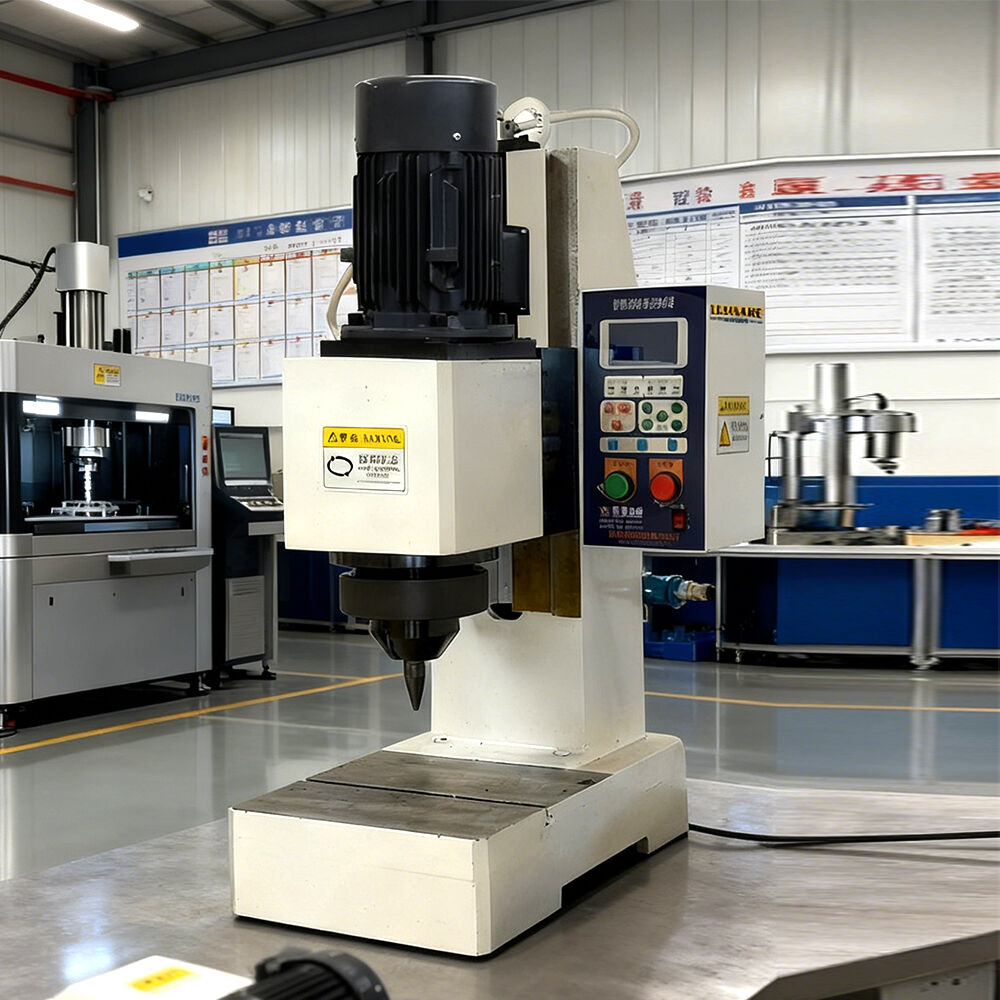
High-Speed Riveting Machine: Advanced Manufacturing Solutions for Superior Production Efficiency

Get a Free Quote

Our representative will contact you soon.
Email
Name
Company Name
Message
0/1000

high-speed riveting machine

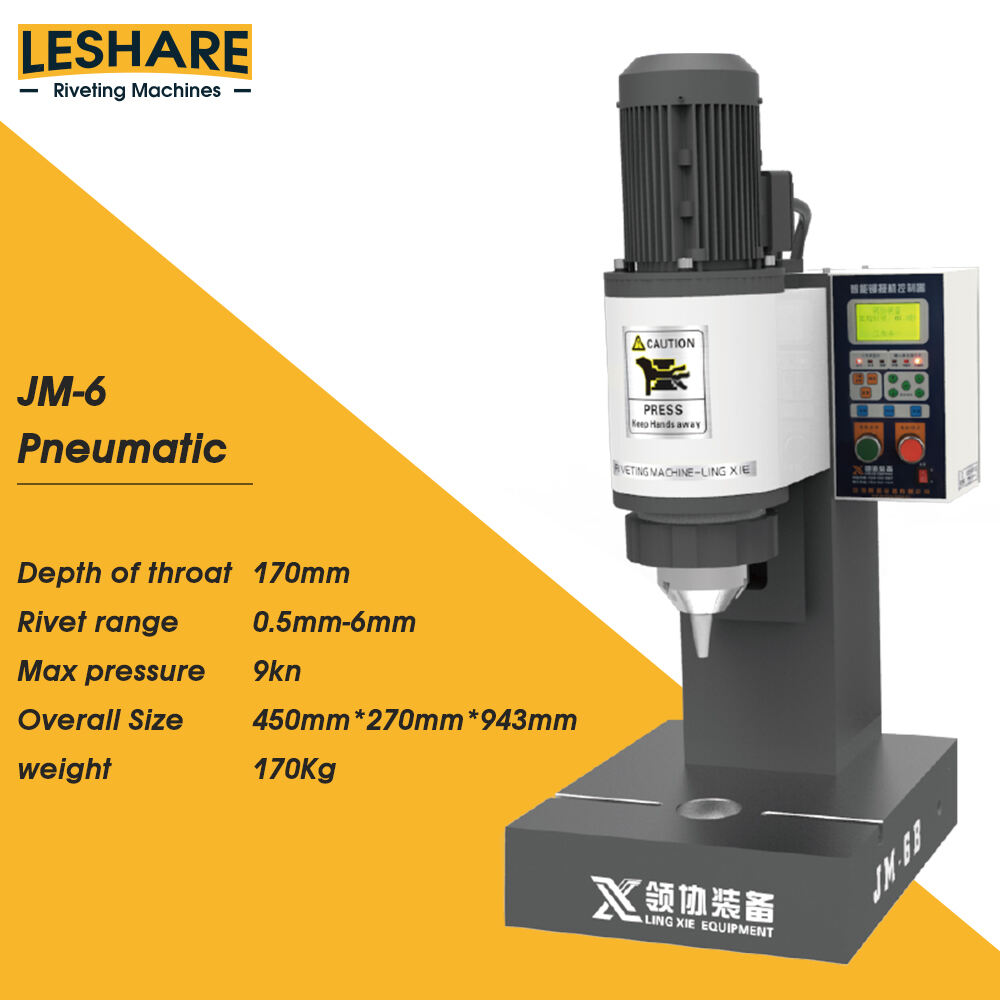
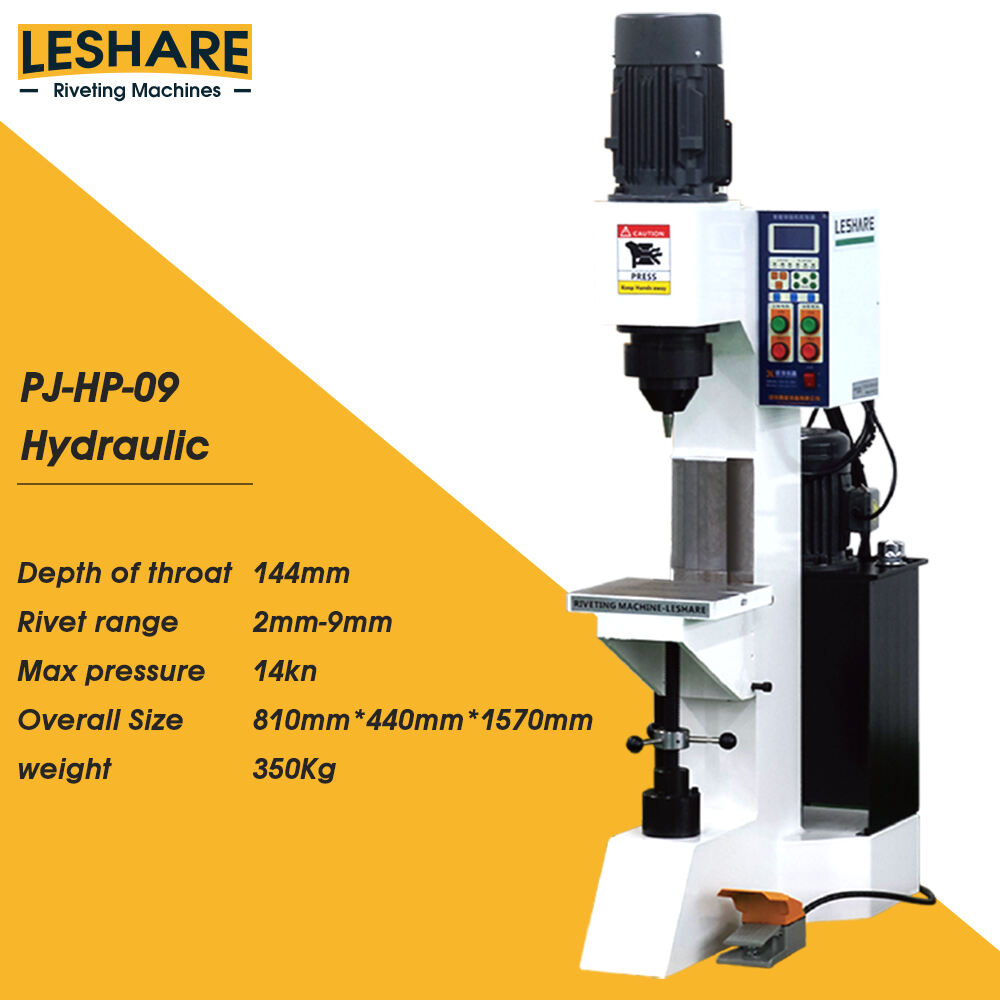
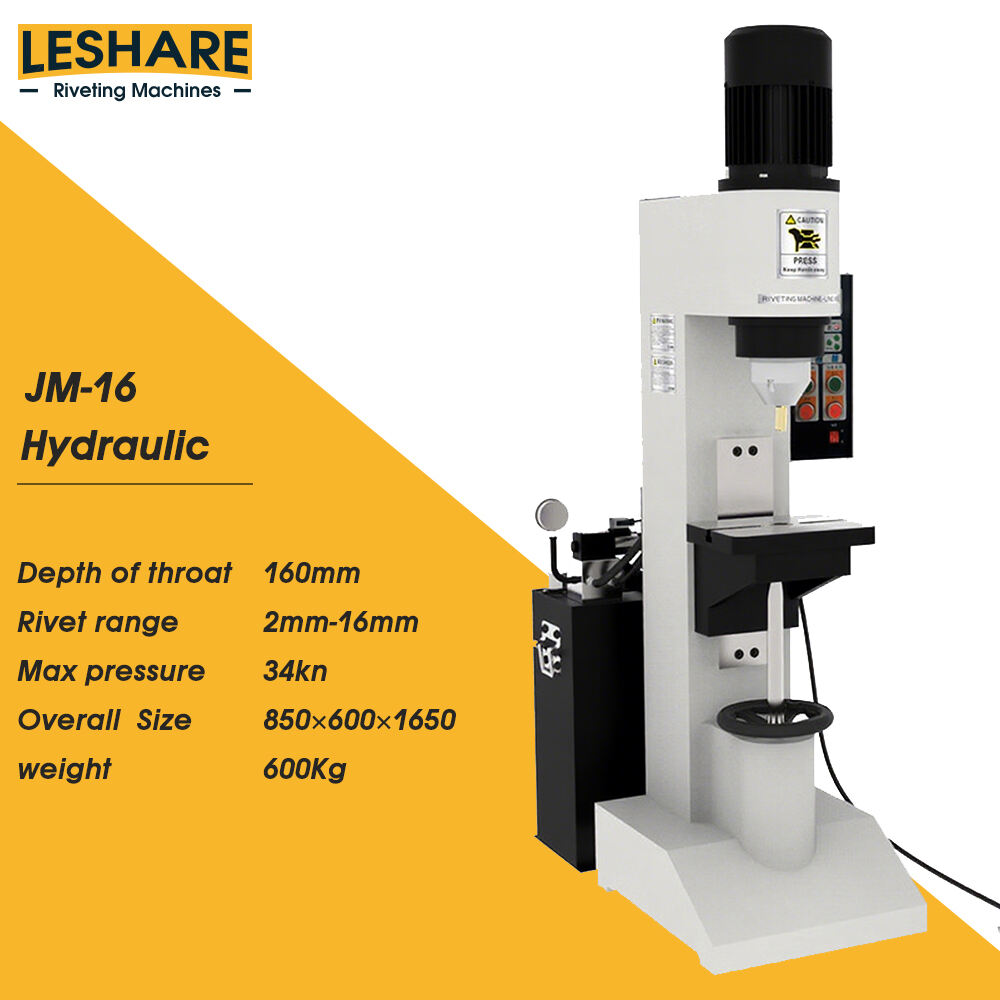
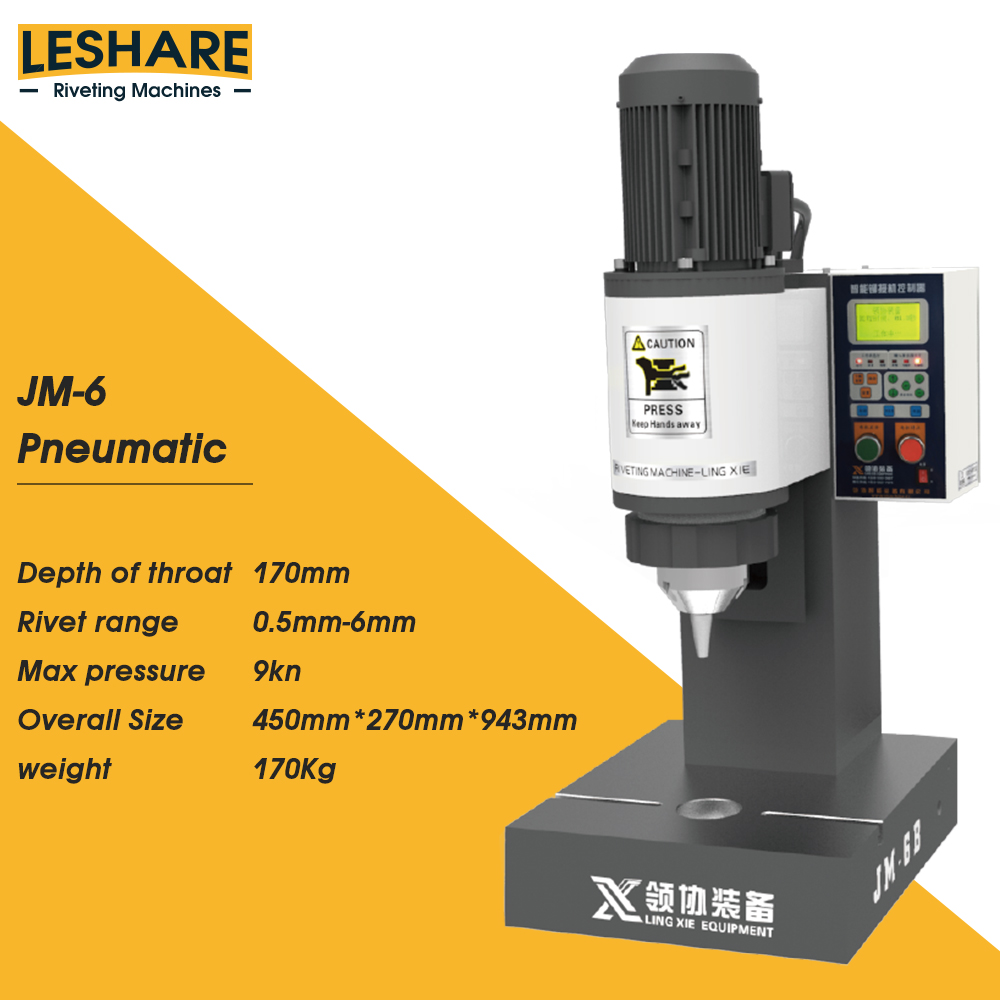
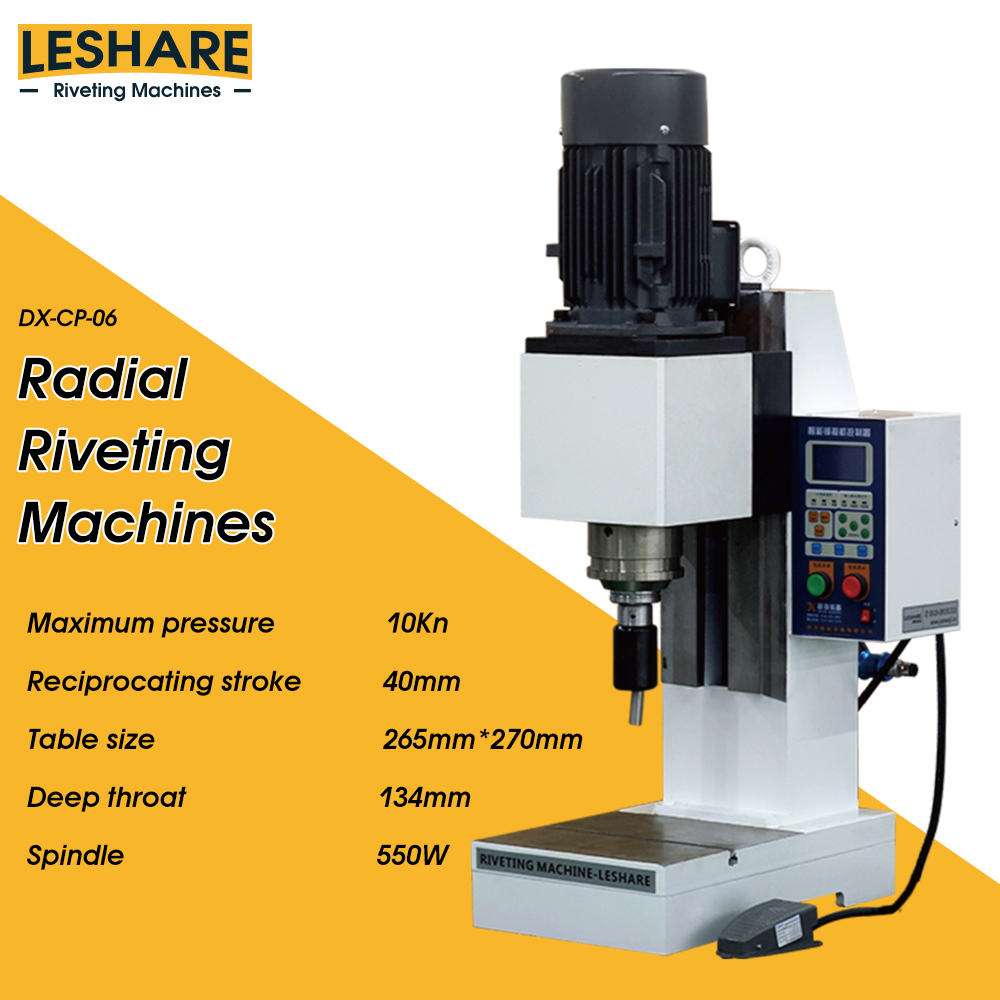
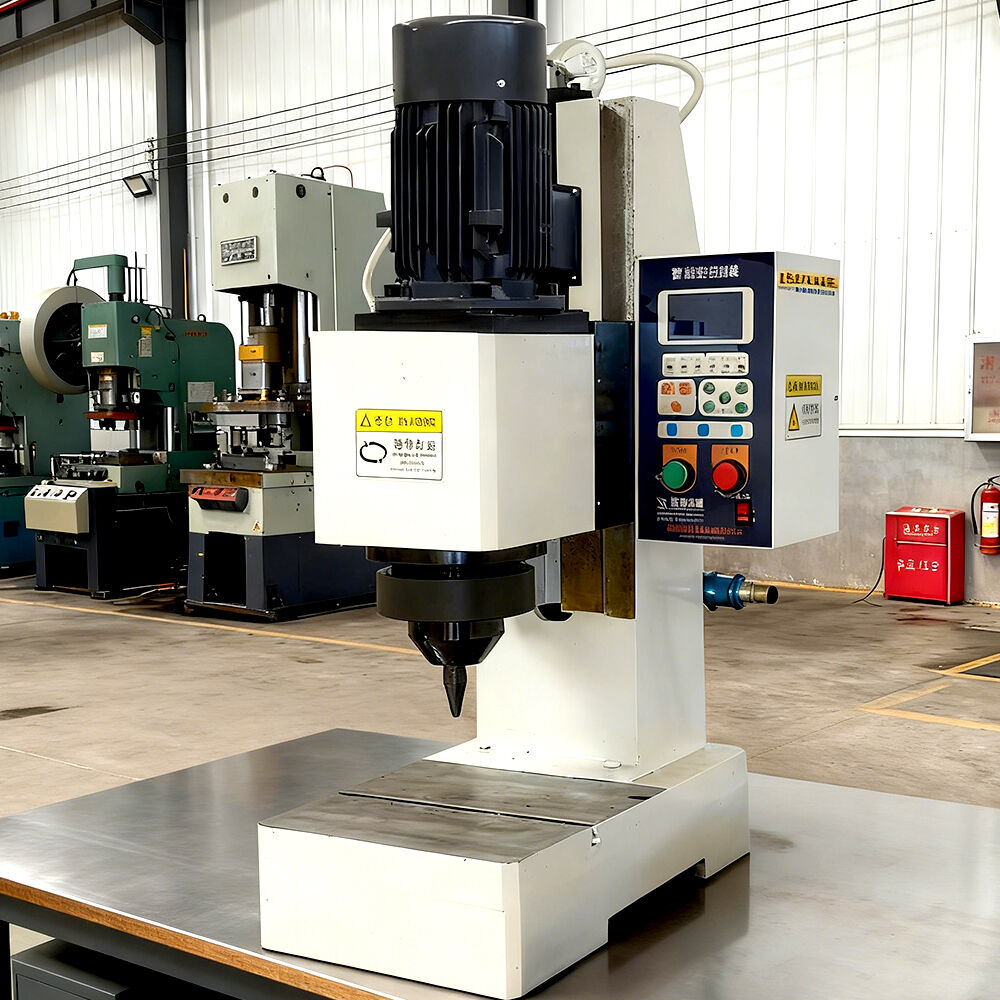
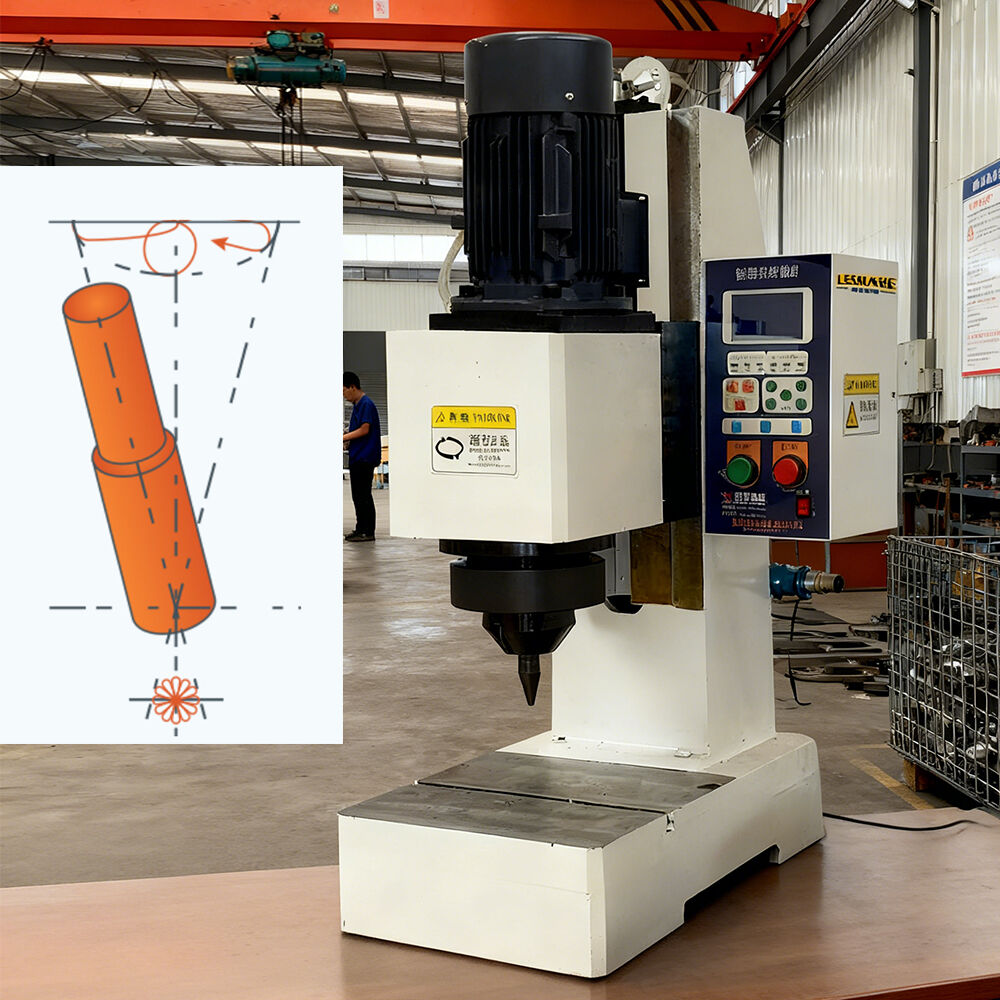
The high-speed riveting machine represents a revolutionary advancement in fastening technology, designed to deliver exceptional performance in manufacturing environments where speed, precision, and reliability are paramount. This sophisticated equipment operates by rapidly installing rivets through materials, creating permanent mechanical joints that ensure structural integrity across diverse applications. The machine utilizes pneumatic, hydraulic, or servo-driven mechanisms to generate the necessary force for rivet installation, while maintaining consistent quality standards throughout the production process. Modern high-speed riveting machines incorporate advanced control systems that monitor force application, stroke length, and cycle timing to guarantee optimal joint formation. The technological features of these machines include programmable logic controllers that allow operators to customize settings for different rivet types, materials, and joint requirements. Digital displays provide real-time feedback on operational parameters, enabling precise adjustments and quality control monitoring. Many units feature automatic feeding systems that continuously supply rivets, eliminating manual loading and significantly increasing throughput rates. The machines are engineered with robust construction materials and precision-machined components that withstand high-frequency operations while maintaining dimensional accuracy. Safety systems are integrated throughout the design, including emergency stops, protective barriers, and interlock mechanisms that prevent accidental operation. Applications for high-speed riveting machines span across automotive manufacturing, aerospace assembly, construction equipment production, appliance manufacturing, and electronics enclosure fabrication. In automotive applications, these machines secure body panels, chassis components, and interior assemblies with consistent quality. Aerospace manufacturers rely on high-speed riveting machines for aircraft fuselage construction, wing assembly, and structural component joining where weight optimization and strength are critical factors.

New Products

High-speed riveting machines deliver substantial benefits that transform manufacturing operations and enhance overall productivity across multiple dimensions. These machines dramatically increase production output by completing riveting operations in seconds rather than minutes, enabling manufacturers to meet demanding delivery schedules while reducing labor costs. The automated operation eliminates human error variables, ensuring consistent rivet placement and joint quality that meets stringent industry specifications every time. Workers experience reduced fatigue and injury risk since the machine handles all force generation and repetitive motions, creating safer working conditions while improving employee satisfaction and retention rates. The precision control systems guarantee uniform rivet installation depth and alignment, preventing costly rework and material waste that commonly occurs with manual riveting processes. Manufacturers achieve significant cost savings through reduced scrap rates, lower warranty claims, and decreased inspection requirements due to the consistent quality output. The machines adapt quickly to different production requirements through programmable settings, allowing rapid changeovers between product lines without extensive retooling or setup time. Energy efficiency represents another major advantage, as modern high-speed riveting machines consume less power per joint compared to traditional methods while delivering superior results. The compact footprint of these machines maximizes factory floor utilization, enabling manufacturers to install multiple units in limited space for increased capacity. Maintenance requirements are minimized through robust engineering and quality components that provide reliable operation over extended periods with minimal downtime. The digital monitoring capabilities enable predictive maintenance scheduling, preventing unexpected failures and optimizing machine availability for continuous production. Quality documentation becomes automated through integrated data logging systems that record operational parameters for each rivet, supporting traceability requirements and quality certifications. Return on investment typically occurs within the first year of operation through combined savings in labor costs, material waste reduction, and increased production capacity. The scalable nature of these machines allows businesses to expand operations gradually by adding units as demand grows, supporting sustainable business growth without major infrastructure changes.

Latest News

How can radial riveting machines reduce failure rates in mass production?

28

Jan

How can radial riveting machines reduce failure rates in mass production?

Manufacturing industries constantly seek solutions to minimize production failures and enhance product reliability. Radial riveting machines have emerged as a critical technology for achieving superior joint quality in mass production environments. T...
View More
What to consider when sourcing nonrotating shaft radial riveter systems?

26

Feb

What to consider when sourcing nonrotating shaft radial riveter systems?

Manufacturing precision and assembly efficiency depend heavily on selecting the right fastening equipment for your production line. When evaluating nonrotating shaft radial riveter systems, understanding the critical factors that influence performanc...
View More
Why choose lowspeed radial riveting for precision industrial assembly?

26

Feb

Why choose lowspeed radial riveting for precision industrial assembly?

Manufacturing precision and assembly quality have become critical differentiators in today's competitive industrial landscape. When it comes to joining metal components, lowspeed radial riveting stands out as a superior methodology that delivers cons...
View More
How Does an Orbital Riveting Machine Improve Assembly Efficiency?

26

Feb

How Does an Orbital Riveting Machine Improve Assembly Efficiency?

Manufacturing industries constantly seek innovative solutions to enhance assembly efficiency while maintaining superior product quality. An orbital riveting machine represents a breakthrough technology that revolutionizes traditional fastening method...
View More

Get a Free Quote

Our representative will contact you soon.
Email
Name
Company Name
Message
0/1000

high-speed riveting machine

Revolutionary Speed and Precision Engineering

Revolutionary Speed and Precision Engineering

The high-speed riveting machine transforms manufacturing efficiency through its exceptional combination of rapid operation and pinpoint accuracy that surpasses traditional riveting methods by substantial margins. This remarkable equipment completes individual riveting cycles in fractions of seconds while maintaining tolerances measured in thousandths of inches, delivering performance levels that were previously unattainable in production environments. The precision engineering incorporates servo-controlled positioning systems that guide rivet placement with computer-controlled accuracy, eliminating variations that commonly plague manual operations. Advanced sensors continuously monitor the riveting process, detecting variations in material thickness, rivet alignment, and force application to make real-time adjustments that ensure perfect joint formation. The speed capabilities stem from optimized mechanical designs that minimize cycle times through efficient motion profiles and reduced dead time between operations. Manufacturers report productivity increases of 300 to 500 percent when transitioning from manual riveting to high-speed automated systems, directly impacting their competitive position in demanding markets. The precision aspects become particularly crucial in applications where joint integrity affects safety and performance, such as automotive safety systems and aerospace structural components. Quality consistency reaches levels impossible to achieve through manual processes, with coefficient of variation measurements typically below two percent for critical joint parameters. This combination of speed and precision enables manufacturers to pursue high-volume production strategies while maintaining premium quality standards that satisfy the most demanding customer requirements. The technological sophistication extends to predictive algorithms that anticipate optimal settings based on material properties and joint specifications, further enhancing both speed and accuracy performance metrics.
Comprehensive Cost Reduction and ROI Maximization

Comprehensive Cost Reduction and ROI Maximization

High-speed riveting machines deliver extraordinary financial benefits that extend far beyond initial productivity improvements, creating comprehensive cost reduction scenarios that significantly enhance profitability across all operational aspects. The primary savings emerge from dramatic labor cost reductions, as single operators can oversee multiple machines simultaneously, replacing teams of manual workers while achieving superior output levels and consistent quality results. Material waste elimination represents another substantial cost advantage, since the precise control systems prevent over-driving rivets, material damage, and installation errors that typically require expensive rework or component replacement in traditional processes. Energy consumption optimization delivers ongoing operational savings, as modern high-speed riveting machines utilize advanced power management systems that consume electricity only during active riveting cycles, reducing utility costs compared to continuously operating pneumatic systems. Maintenance expenses decrease substantially due to the robust engineering and high-quality components that provide reliable operation over extended periods, minimizing both scheduled maintenance requirements and unexpected repair costs that disrupt production schedules. Quality-related cost savings accumulate through reduced inspection requirements, lower warranty claims, and decreased customer returns that result from the consistent joint quality achieved through automated processes. The elimination of consumable tooling costs associated with manual riveting operations, such as rivet guns, air hoses, and operator safety equipment, contributes additional savings that improve the overall cost structure. Insurance premiums often decrease due to improved workplace safety conditions and reduced injury risks associated with automated riveting operations. The return on investment calculations typically demonstrate payback periods of eight to eighteen months, depending on production volumes and labor cost structures, making these machines attractive investments for businesses seeking rapid financial returns while improving operational capabilities.
Unmatched Versatility and Future-Proof Technology

Unmatched Versatility and Future-Proof Technology

The high-speed riveting machine showcases remarkable adaptability that enables seamless integration across diverse manufacturing environments while providing technology foundations that support evolving production requirements for years into the future. This versatility manifests through programmable control systems that accommodate extensive ranges of rivet sizes, materials, and joint configurations without requiring mechanical modifications or extensive retooling procedures. Manufacturers benefit from the ability to process everything from delicate electronic assemblies to heavy-duty structural components using the same equipment platform, maximizing capital utilization while minimizing facility complexity. The modular design philosophy allows for easy expansion and customization as production needs evolve, supporting business growth without requiring complete equipment replacement or major facility modifications. Advanced communication capabilities enable integration with existing manufacturing execution systems, enterprise resource planning platforms, and Industry 4.0 initiatives that leverage data connectivity for optimized production management. The future-proof technology foundation incorporates updateable software platforms that receive enhanced capabilities through periodic updates, ensuring long-term relevance and continued performance improvements throughout the equipment lifecycle. Compatibility with emerging rivet technologies and materials ensures that investments remain viable as industry standards evolve and new fastening solutions become available in the marketplace. The machines accommodate various automation levels, from semi-automatic operation with manual loading to fully automated systems with robotic integration, allowing manufacturers to implement solutions that match their current needs while preserving upgrade pathways for future enhancement. Quality management integration supports evolving certification requirements and traceability standards that become increasingly important in regulated industries and global supply chains. The environmental sustainability aspects align with corporate responsibility initiatives through reduced material waste, energy efficiency improvements, and elimination of hazardous manual processes that require chemical treatments or generate harmful emissions.

Get a Free Quote

Our representative will contact you soon.
Email
Name
Company Name
Message
0/1000