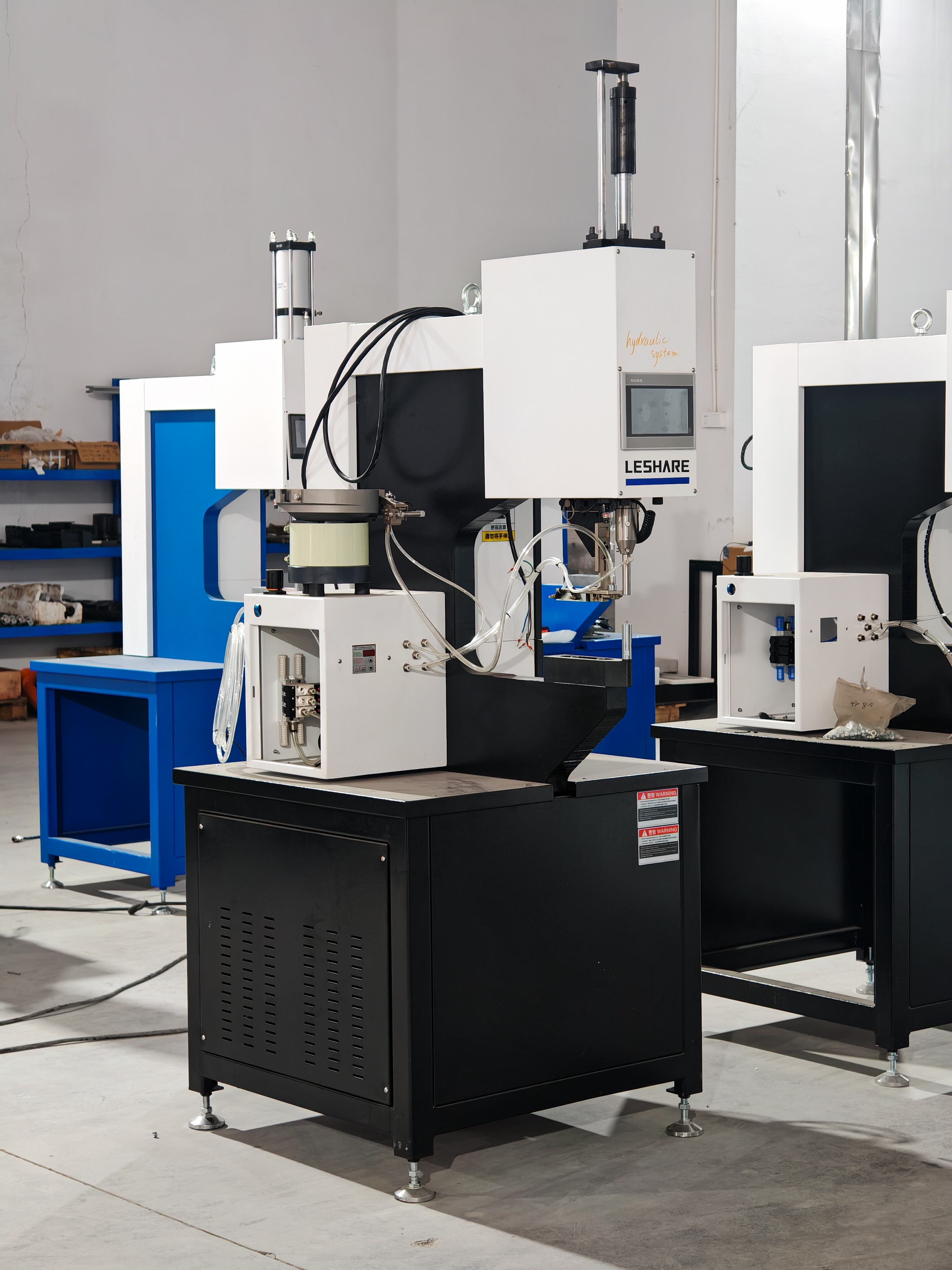
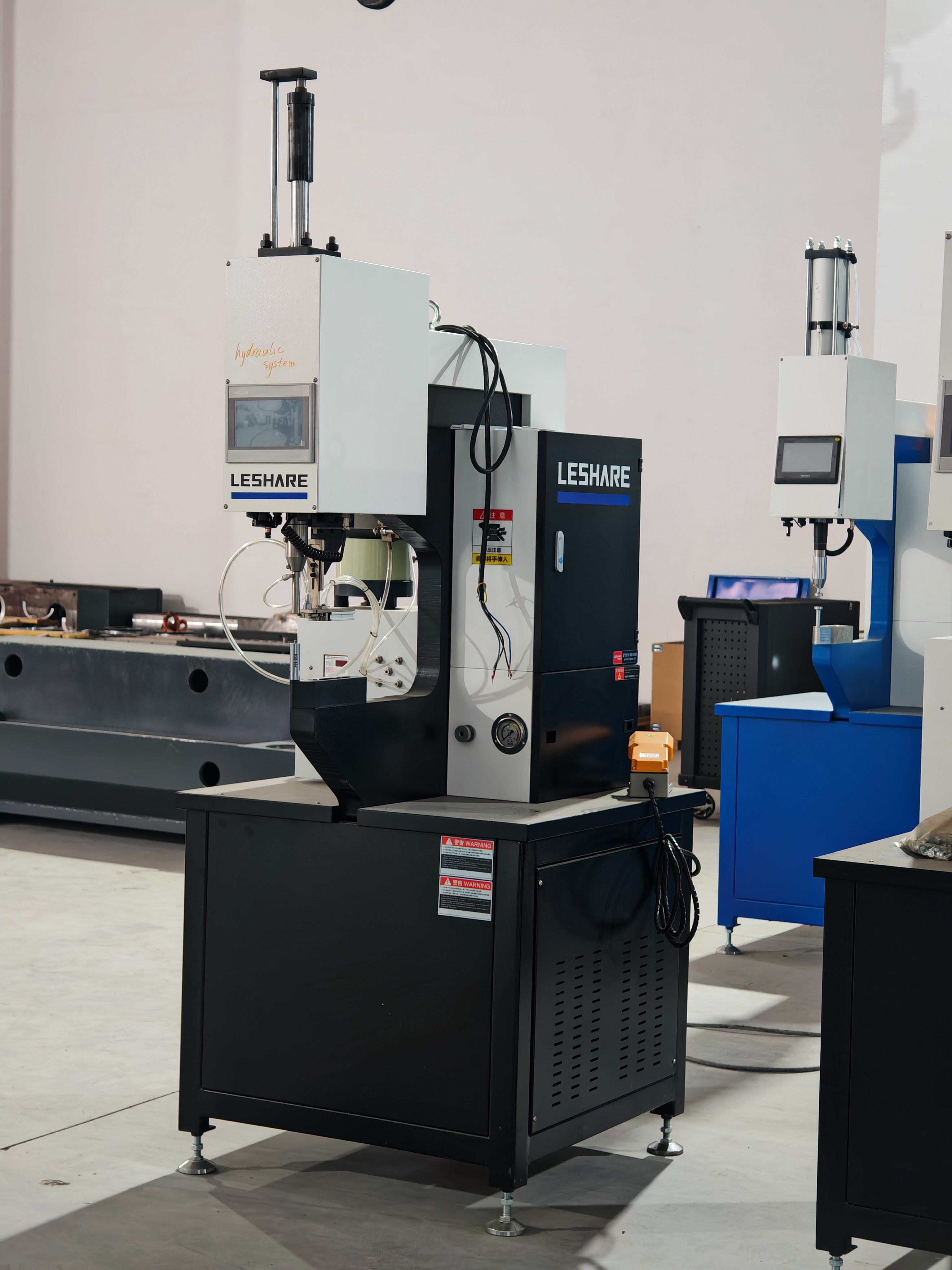
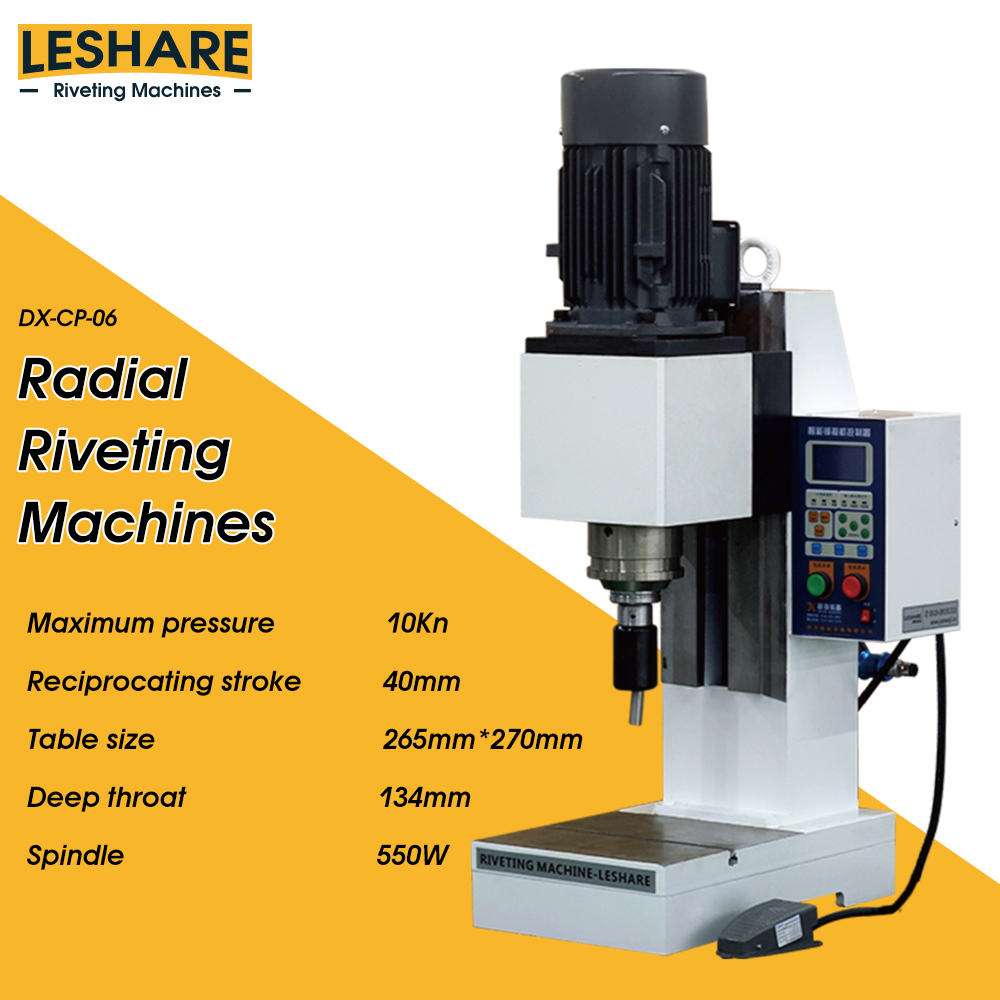
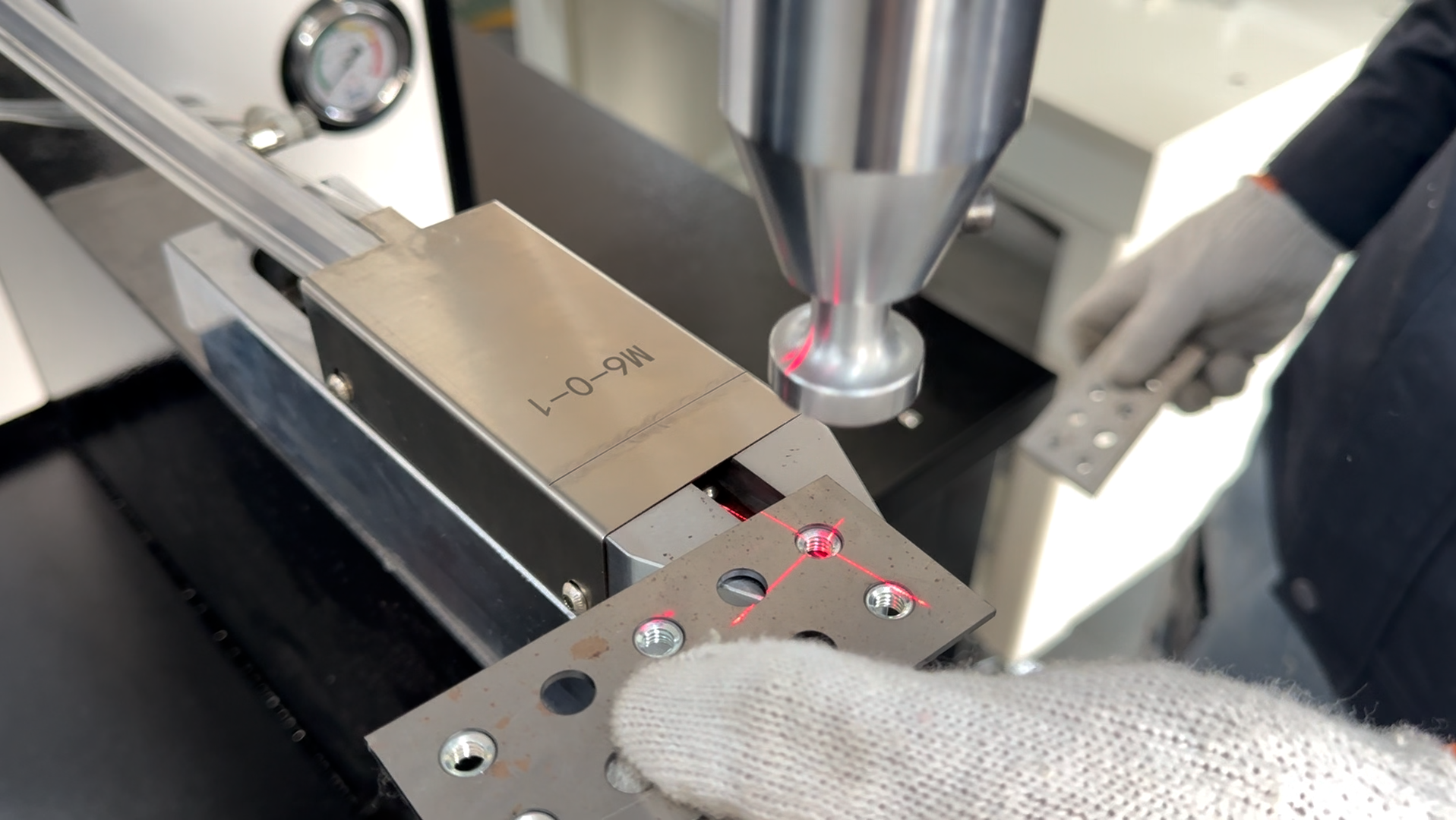
Modular Orbital Riveting Head: Advanced Precision Fastening Technology for Superior Manufacturing Results

Get a Free Quote

Our representative will contact you soon.
Email
Name
Company Name
Message
0/1000

modular orbital riveting head

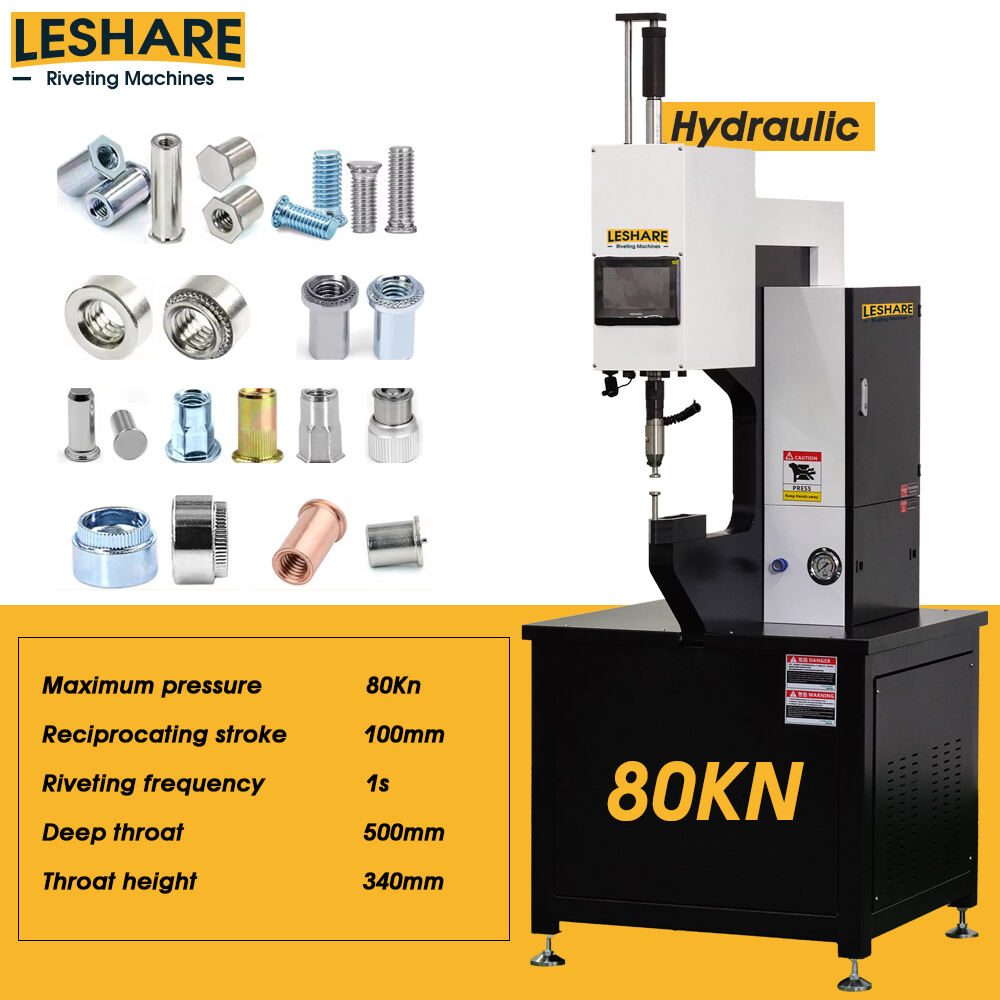
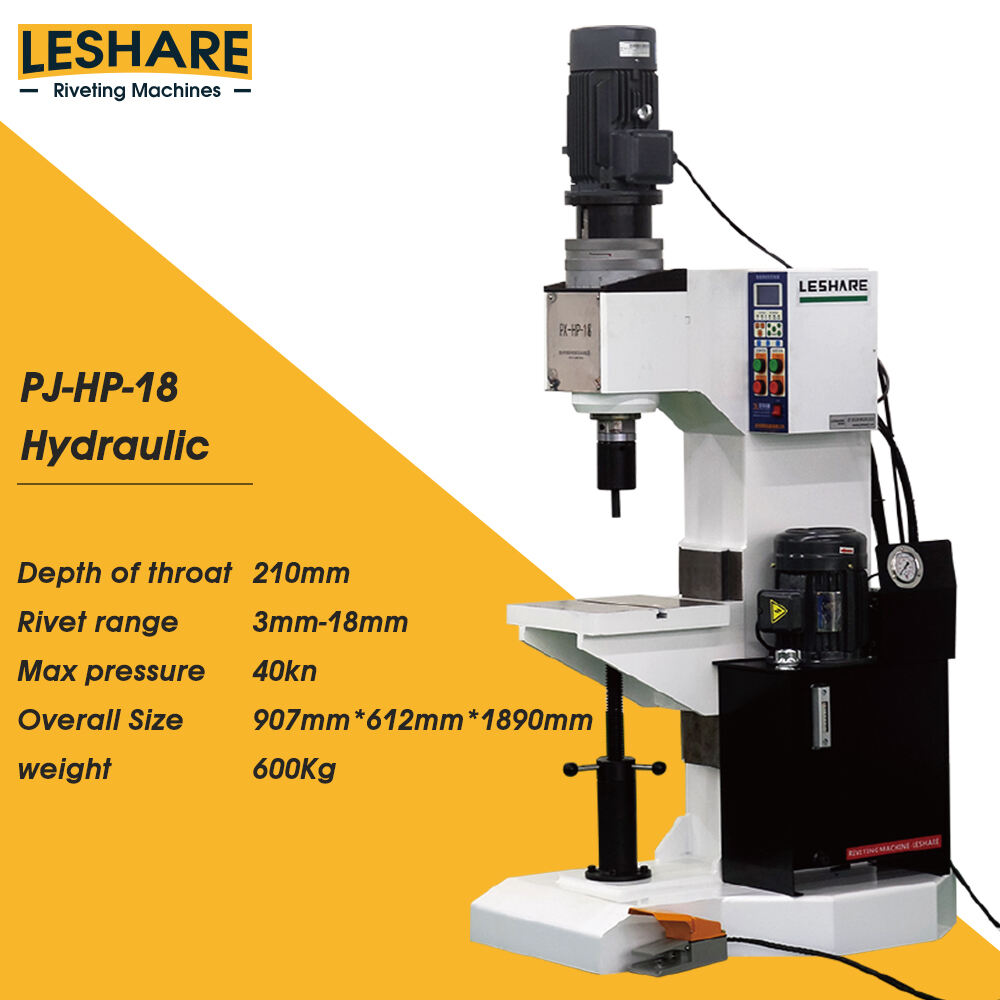
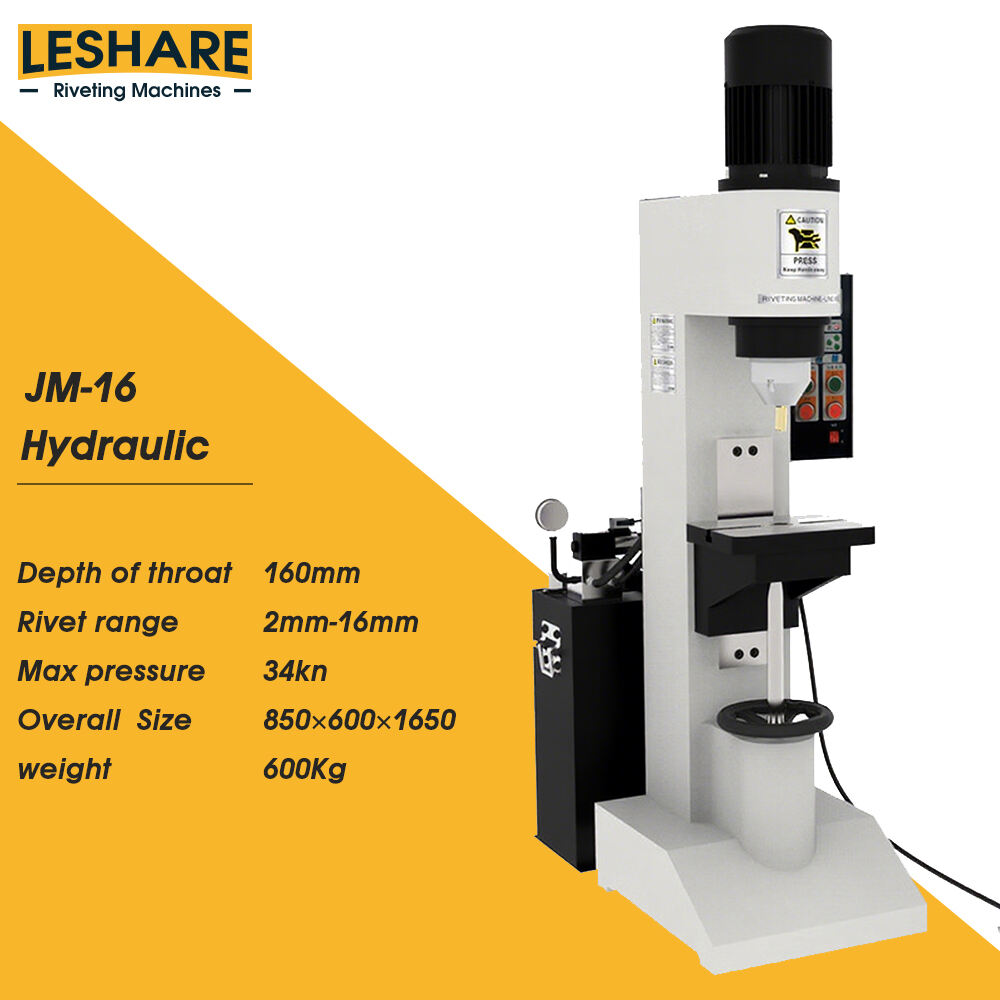
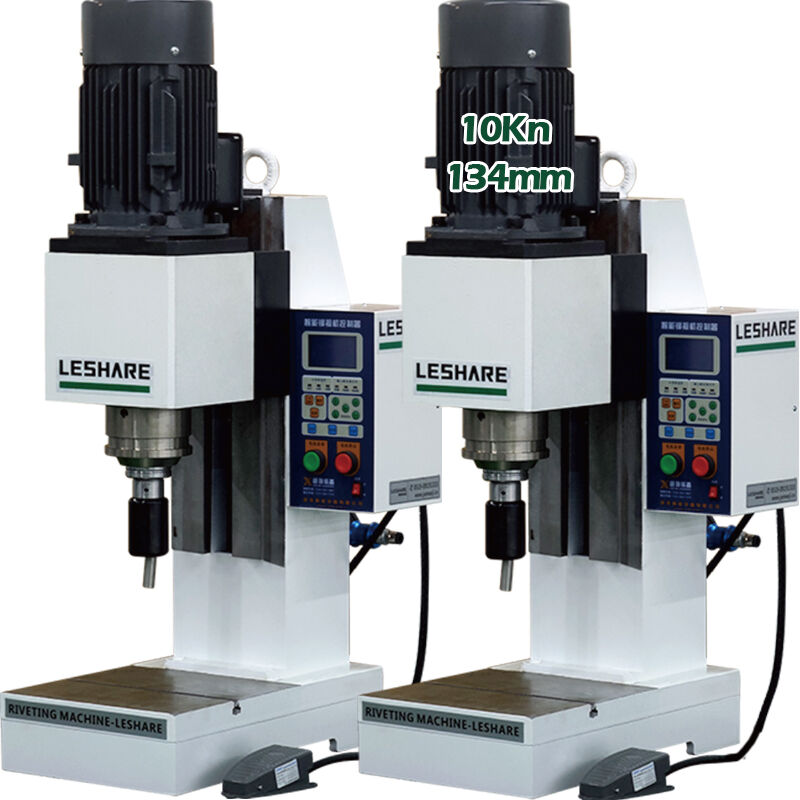
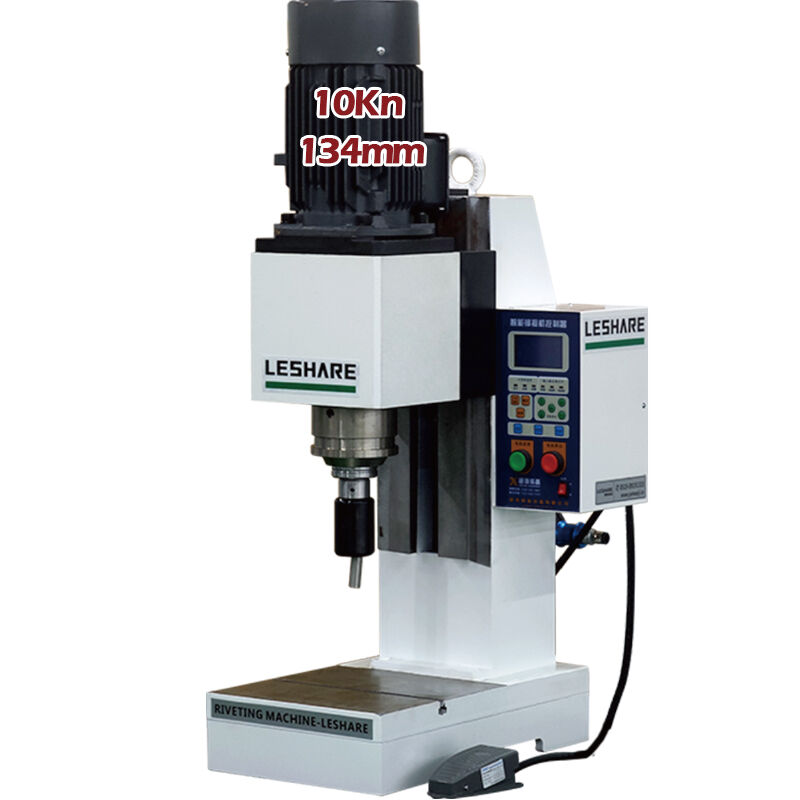
The modular orbital riveting head represents a revolutionary advancement in precision fastening technology, designed to meet the demanding requirements of modern manufacturing environments. This sophisticated tool combines innovative engineering with practical functionality to deliver exceptional performance across diverse industrial applications. The modular orbital riveting head operates through a unique orbital motion mechanism that creates consistent, high-quality joints while minimizing material stress and deformation. Unlike traditional riveting methods, this advanced system utilizes a controlled orbital pathway that ensures uniform pressure distribution throughout the riveting process. The modular design philosophy allows manufacturers to customize their equipment configuration according to specific production requirements, making it an incredibly versatile solution for various assembly operations. The technological features of this riveting head include precision-engineered components that work seamlessly together to achieve optimal results. The orbital motion system generates a smooth, controlled movement pattern that reduces vibration and noise while maintaining exceptional accuracy. Advanced materials and manufacturing techniques ensure durability and longevity, even under continuous operation in demanding industrial environments. The modular orbital riveting head incorporates sophisticated control systems that enable operators to fine-tune parameters such as force, speed, and cycle time to match specific application requirements. This level of control ensures consistent results across production runs while accommodating different materials and joint configurations. Applications for the modular orbital riveting head span numerous industries, including aerospace, automotive, electronics, medical devices, and general manufacturing. In aerospace applications, the precision and reliability of this technology ensure critical safety standards are met while maintaining lightweight construction requirements. Automotive manufacturers benefit from the speed and consistency of orbital riveting when assembling components that require durable, permanent joints. Electronics manufacturers utilize this technology for delicate assemblies where traditional fastening methods might cause damage to sensitive components. The versatility of the modular orbital riveting head makes it suitable for both high-volume production and specialized applications requiring custom configurations.

New Product Releases

The modular orbital riveting head delivers substantial benefits that directly impact productivity, quality, and operational efficiency in manufacturing environments. One of the most significant advantages is the exceptional joint quality achieved through the orbital motion process. This technology creates stronger, more reliable connections compared to traditional riveting methods because the controlled orbital movement ensures complete material flow and optimal stress distribution. The result is joints with superior mechanical properties that can withstand higher loads and environmental stresses, reducing warranty claims and improving product reliability. The modular design approach provides unprecedented flexibility for manufacturers who need to adapt their equipment to changing production requirements. Companies can easily reconfigure their riveting systems by swapping modules, allowing them to handle different part sizes, materials, and joint specifications without investing in entirely new equipment. This adaptability translates to significant cost savings and faster response times when production demands change. The reduced setup time associated with modular configurations means less downtime and higher overall equipment effectiveness. Precision control capabilities of the modular orbital riveting head enable manufacturers to achieve consistent results across large production volumes. The ability to precisely control force, speed, and positioning parameters ensures that every rivet meets exact specifications, reducing waste and rework costs. This consistency is particularly valuable in industries where quality standards are stringent and variations can lead to costly failures or regulatory compliance issues. The orbital motion mechanism operates more quietly than traditional riveting methods, creating a more comfortable work environment for operators while also reducing noise pollution in manufacturing facilities. This quiet operation often allows companies to extend working hours without disturbing neighboring areas or violating noise regulations. The reduced vibration associated with orbital motion also means less wear on surrounding equipment and structures, leading to lower maintenance costs and extended facility life. Energy efficiency is another compelling advantage of the modular orbital riveting head. The optimized motion pattern requires less energy to achieve the same or better results compared to conventional riveting systems. This efficiency translates to lower operating costs and supports sustainability initiatives that many companies are pursuing. The precise control over the riveting process also eliminates the need for secondary operations in many applications, further reducing energy consumption and processing time. Installation and integration of the modular orbital riveting head into existing production lines is typically straightforward due to its flexible design and standard interfaces. This ease of integration minimizes disruption to ongoing operations and reduces the time required to realize benefits from the new technology. Training requirements are generally minimal because the intuitive operation and clear feedback systems help operators quickly master the equipment.

Latest News

Why Is a Fastener Insertion Machine Essential for Consistent Hardware Placement?

18

Dec

Why Is a Fastener Insertion Machine Essential for Consistent Hardware Placement?

Manufacturing precision has become the cornerstone of modern industrial production, where even the smallest components must be installed with exact accuracy and consistent quality. In today's competitive manufacturing landscape, companies are increas...
View More
Why Are Electronics Plants Adopting Fastener Insertion Machines for Enclosures?

29

Dec

Why Are Electronics Plants Adopting Fastener Insertion Machines for Enclosures?

Improving the Structural Integrity of Electronic Enclosures In modern electronics plants, manufacturers continually pursue efficiency, precision, and long-term durability in every part of the assembly process. When it comes to electronic enclosures, ...
View More
What to consider when sourcing nonrotating shaft radial riveter systems?

26

Feb

What to consider when sourcing nonrotating shaft radial riveter systems?

Manufacturing precision and assembly efficiency depend heavily on selecting the right fastening equipment for your production line. When evaluating nonrotating shaft radial riveter systems, understanding the critical factors that influence performanc...
View More
What Types of Fasteners Work with Insertion Machines?

18

Mar

What Types of Fasteners Work with Insertion Machines?

Insertion Machines play a critical role in today’s automated manufacturing environments, enabling precise, efficient, and repeatable installation of a wide range of fasteners. From sheet metal fabrication to automotive assembly lines, these mac...
View More

Get a Free Quote

Our representative will contact you soon.
Email
Name
Company Name
Message
0/1000

modular orbital riveting head

Advanced Orbital Motion Technology

Advanced Orbital Motion Technology

The modular orbital riveting head incorporates cutting-edge orbital motion technology that fundamentally transforms the riveting process through precision engineering and innovative mechanical design. This revolutionary approach moves beyond traditional linear riveting methods by creating a carefully controlled circular motion pattern that delivers superior results across diverse applications. The orbital motion mechanism generates a smooth, continuous movement that applies force evenly around the entire circumference of the rivet, ensuring complete material flow and optimal joint formation. This circular motion pattern eliminates the sharp impact forces associated with conventional riveting, significantly reducing material stress concentrations that can lead to crack initiation or premature failure. The technology achieves remarkable consistency in joint quality by maintaining constant contact between the forming tool and the rivet head throughout the entire forming cycle. This continuous engagement ensures uniform plastic deformation of the rivet material, creating joints with enhanced mechanical properties and improved fatigue resistance. The orbital motion system operates at precisely controlled speeds and forces, allowing operators to optimize parameters for specific materials and joint requirements. This level of control enables manufacturers to achieve consistent results across production runs while accommodating variations in material properties or part geometries. The smooth operation of the orbital mechanism produces significantly less noise and vibration compared to traditional riveting methods, creating a more comfortable working environment for operators. The reduced vibration also minimizes stress on surrounding equipment and mounting structures, leading to lower maintenance requirements and extended service life. The orbital motion technology incorporates advanced feedback systems that monitor key parameters throughout the riveting cycle, providing real-time quality assurance and process optimization capabilities. These monitoring systems can detect variations in joint formation and automatically adjust parameters to maintain consistent quality, reducing the likelihood of defective joints and minimizing waste. The precision control offered by this technology makes it possible to rivet delicate or heat-sensitive materials that might be damaged by conventional methods. The controlled force application and consistent motion pattern ensure that thermal buildup is minimized, protecting sensitive components while still achieving strong, reliable joints. This capability expands the range of applications where riveting can be successfully employed, offering designers greater flexibility in material selection and joint design.
Modular Design Flexibility

Modular Design Flexibility

The modular design philosophy of the orbital riveting head represents a paradigm shift in manufacturing equipment design, offering unprecedented flexibility and adaptability that directly addresses the evolving needs of modern production environments. This innovative approach breaks down the traditional monolithic equipment structure into discrete, interchangeable modules that can be combined and reconfigured to meet specific application requirements. The modular architecture enables manufacturers to customize their riveting systems precisely to their unique needs without the expense and complexity of completely custom-built equipment. Each module serves a specific function within the overall system, such as force generation, motion control, tooling interface, or process monitoring, and these modules can be mixed and matched to create optimal configurations for different applications. This flexibility proves invaluable when production requirements change due to new product introductions, material changes, or volume fluctuations. Instead of purchasing entirely new equipment, manufacturers can simply reconfigure their existing modular systems by adding, removing, or replacing specific modules. The cost savings from this approach are substantial, particularly for companies that produce multiple product lines or face frequent design changes. The modular design also significantly reduces lead times for equipment modifications or upgrades, as standard modules are typically available from inventory rather than requiring custom manufacturing. This rapid reconfiguration capability enables manufacturers to respond quickly to market opportunities or customer demands without lengthy equipment procurement cycles. The standardized interfaces between modules ensure compatibility and reliable operation regardless of configuration, maintaining system integrity while maximizing flexibility. Quality control becomes more manageable with modular systems because each module can be tested and validated independently before integration into the complete system. This approach reduces commissioning time and ensures that any issues are identified and resolved at the module level rather than during final system integration. The modular concept extends to maintenance and service operations, where individual modules can be quickly removed and replaced without disrupting the entire system. This capability minimizes downtime and allows for preventive maintenance to be performed more efficiently. Spare parts inventory is also simplified because the same modules can be used across multiple system configurations, reducing the variety of components that must be stocked. The modular orbital riveting head supports future technology upgrades by allowing new modules to be incorporated into existing systems as they become available. This evolutionary upgrade path protects equipment investments while ensuring that manufacturers can take advantage of technological advances without complete system replacement.
Superior Joint Quality and Consistency

Superior Joint Quality and Consistency

The modular orbital riveting head delivers exceptional joint quality and consistency that surpasses traditional riveting methods through its precisely controlled forming process and advanced monitoring capabilities. This superior performance stems from the fundamental advantages of the orbital motion mechanism combined with sophisticated process control systems that ensure every joint meets exacting quality standards. The orbital forming process creates joints with enhanced mechanical properties by ensuring complete and uniform plastic deformation of the rivet material, resulting in connections that exhibit superior strength, fatigue resistance, and durability compared to joints formed by conventional methods. The controlled orbital motion eliminates the variable impact forces and uneven pressure distribution that can occur with traditional riveting, leading to more consistent joint formation and reduced variability in mechanical properties. This consistency is particularly important in applications where joint reliability is critical, such as aerospace or medical device manufacturing, where failures can have serious consequences. The modular orbital riveting head incorporates advanced process monitoring systems that track key parameters throughout each riveting cycle, providing real-time feedback on joint formation quality and enabling immediate corrective action if deviations are detected. These monitoring capabilities include force measurement, displacement tracking, and cycle time analysis, all of which contribute to comprehensive quality assurance. The data collected by these systems can be stored and analyzed to identify trends, optimize process parameters, and demonstrate compliance with quality standards. Statistical process control becomes more effective with the consistent performance of the orbital riveting system, as the reduced process variability makes it easier to detect meaningful changes in joint quality. The precision control offered by the modular orbital riveting head enables manufacturers to optimize the forming process for specific materials and joint configurations, maximizing joint strength while minimizing material stress. This optimization capability is particularly valuable when working with advanced materials or complex joint geometries that require careful control of forming forces and motion patterns. The consistent joint quality achieved by this technology reduces inspection requirements and associated costs, as manufacturers can have greater confidence in the reliability of their riveted joints. The orbital forming process also produces joints with superior cosmetic appearance, as the controlled motion pattern creates uniform rivet head formation without the irregular surfaces that can result from impact riveting. This improved appearance is important in applications where the riveted joint is visible in the final product or where surface finish requirements are stringent. The enhanced joint quality provided by the modular orbital riveting head contributes to improved product performance and customer satisfaction, while the consistency of results supports efficient manufacturing operations and predictable quality outcomes.

Get a Free Quote

Our representative will contact you soon.
Email
Name
Company Name
Message
0/1000