Professional Riveting Machines - Advanced Industrial Fastening Solutions for Manufacturing Excellence

Get a Free Quote

Our representative will contact you soon.
Email
Name
Company Name
Message
0/1000

riveting machine

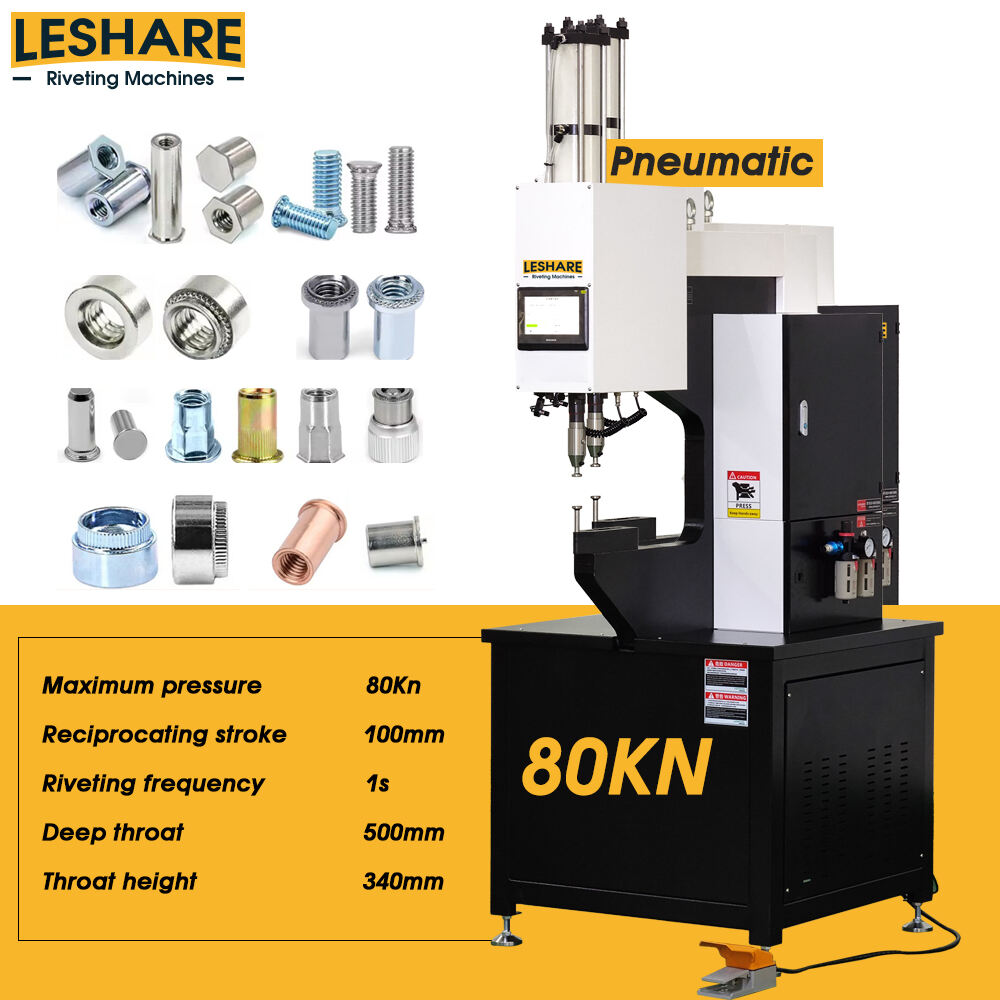
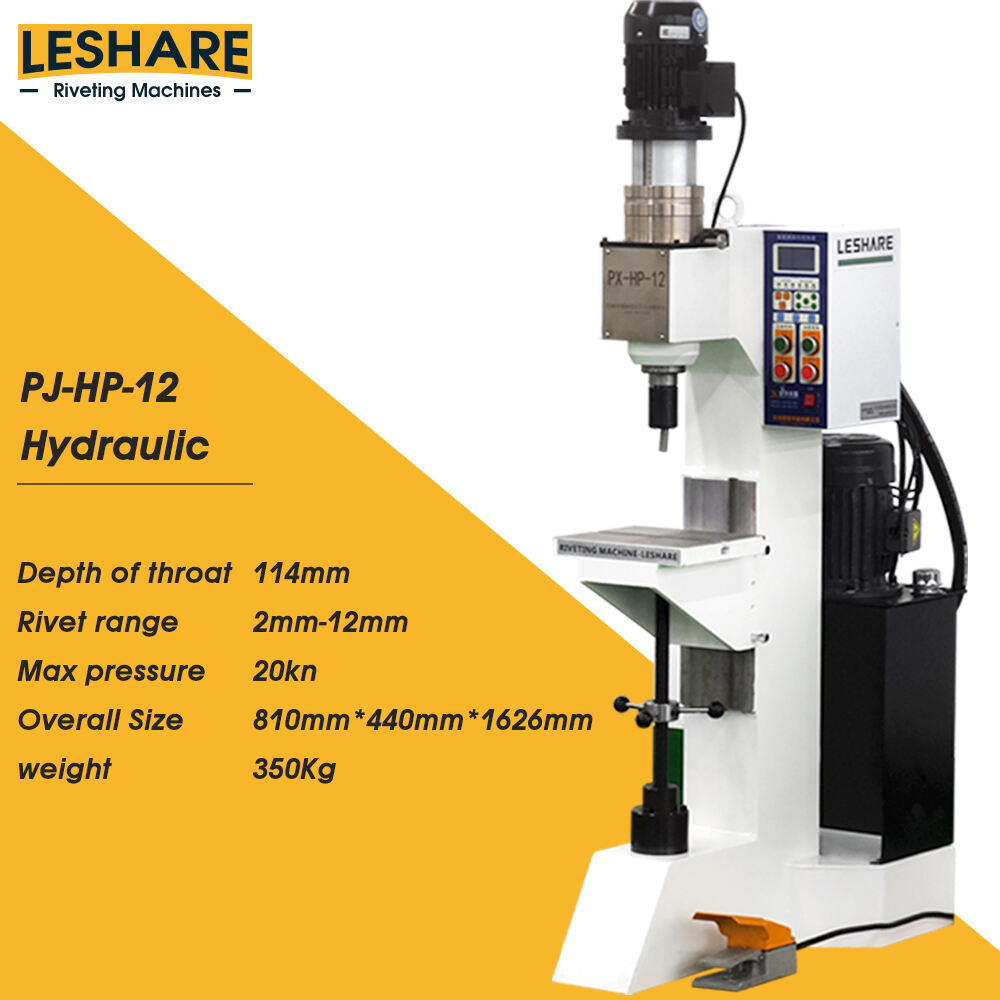
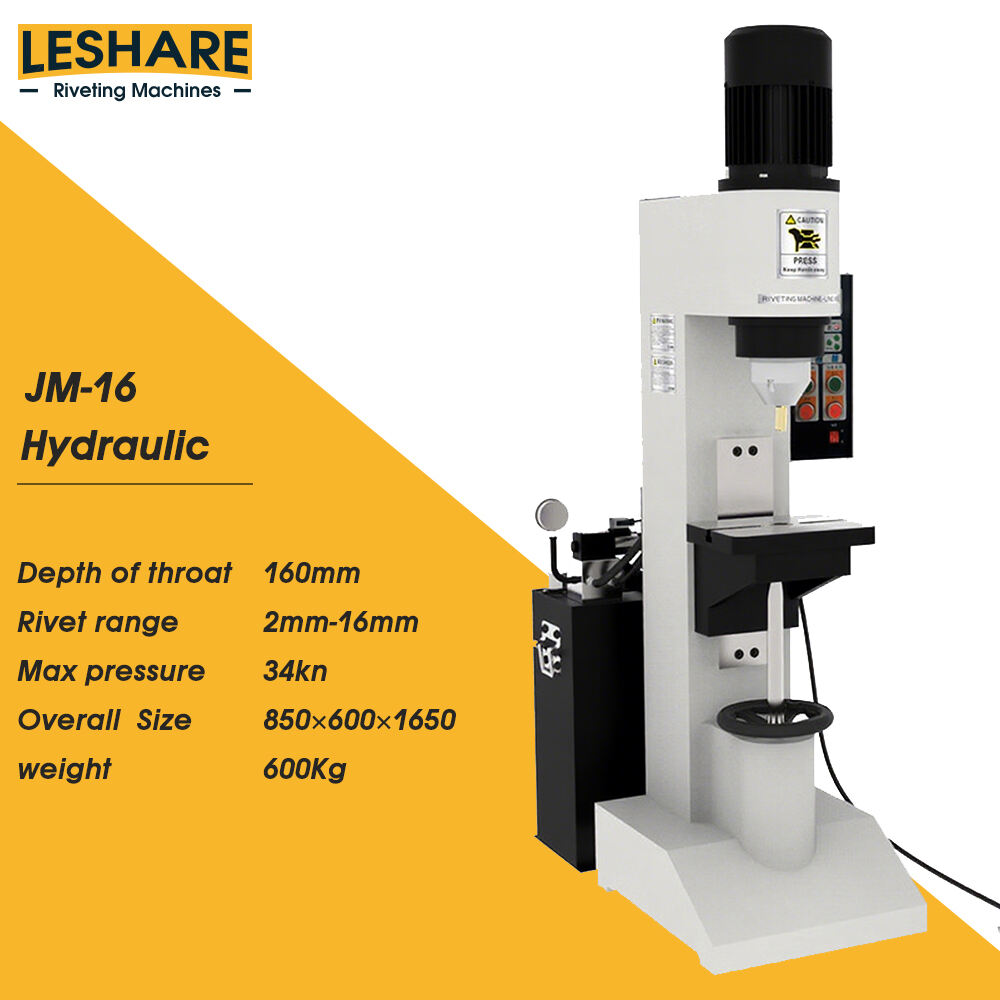
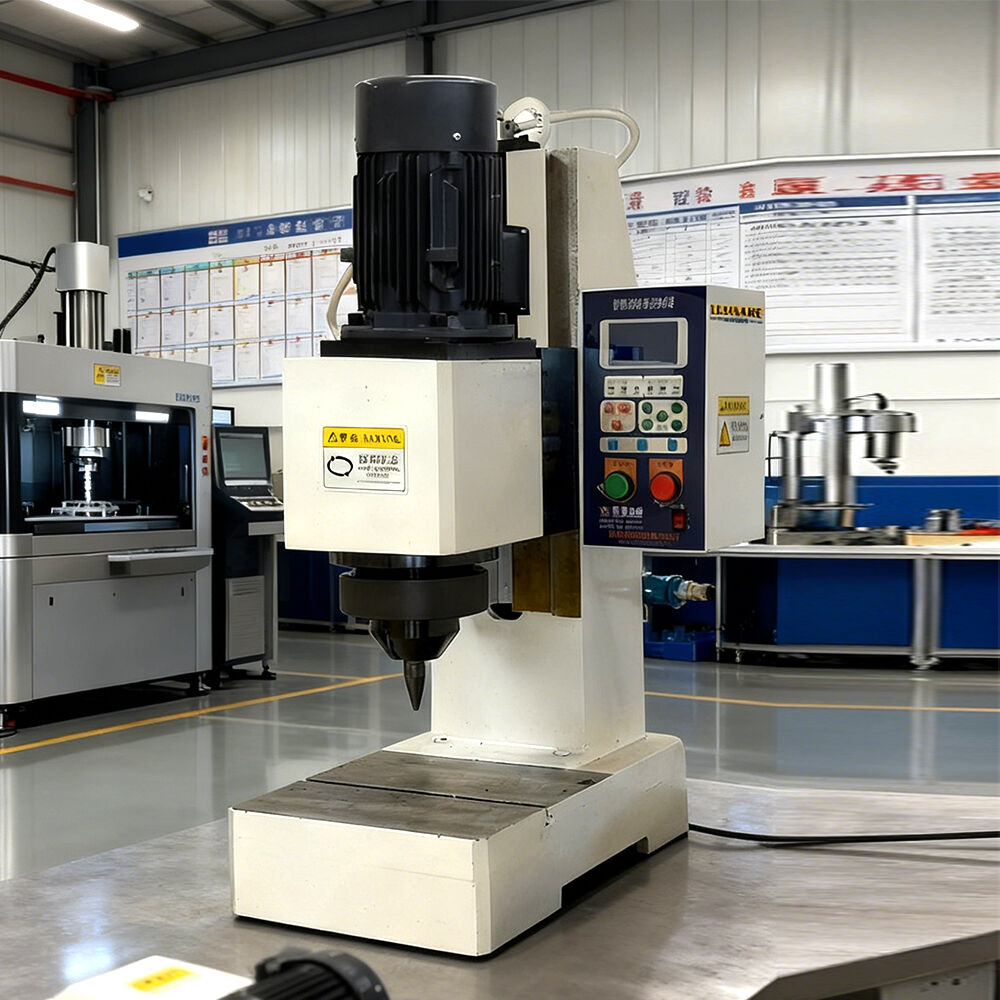
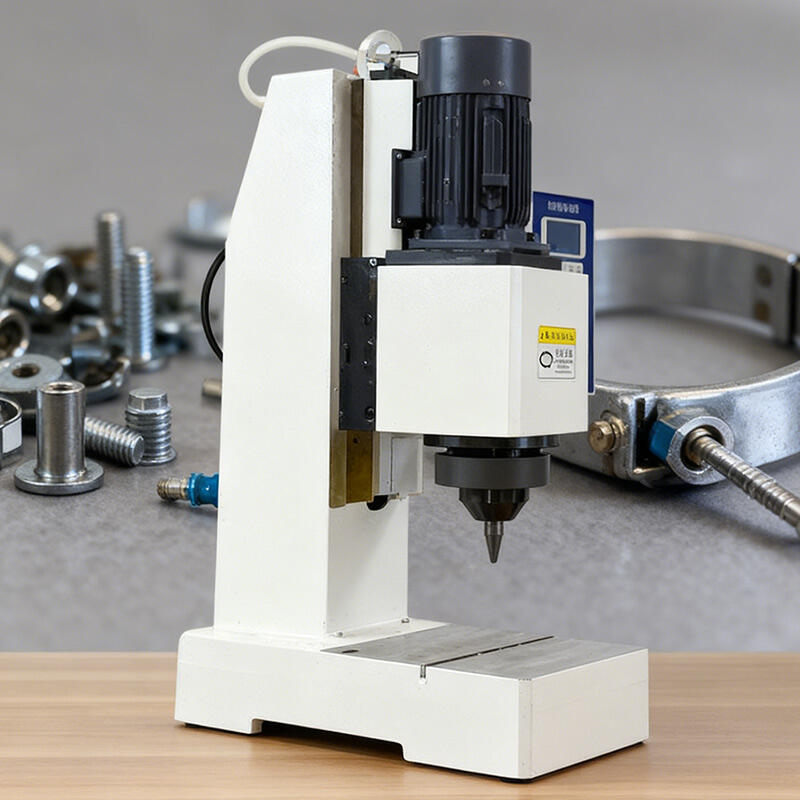
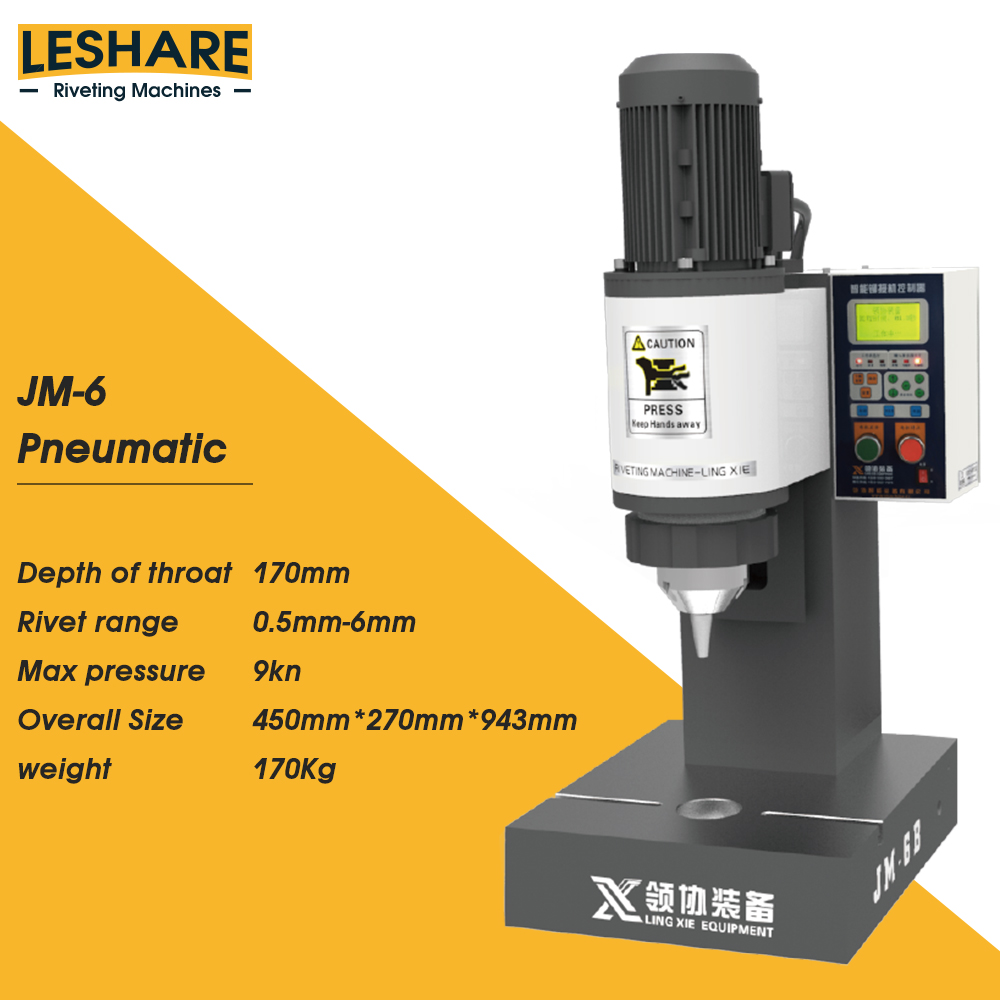
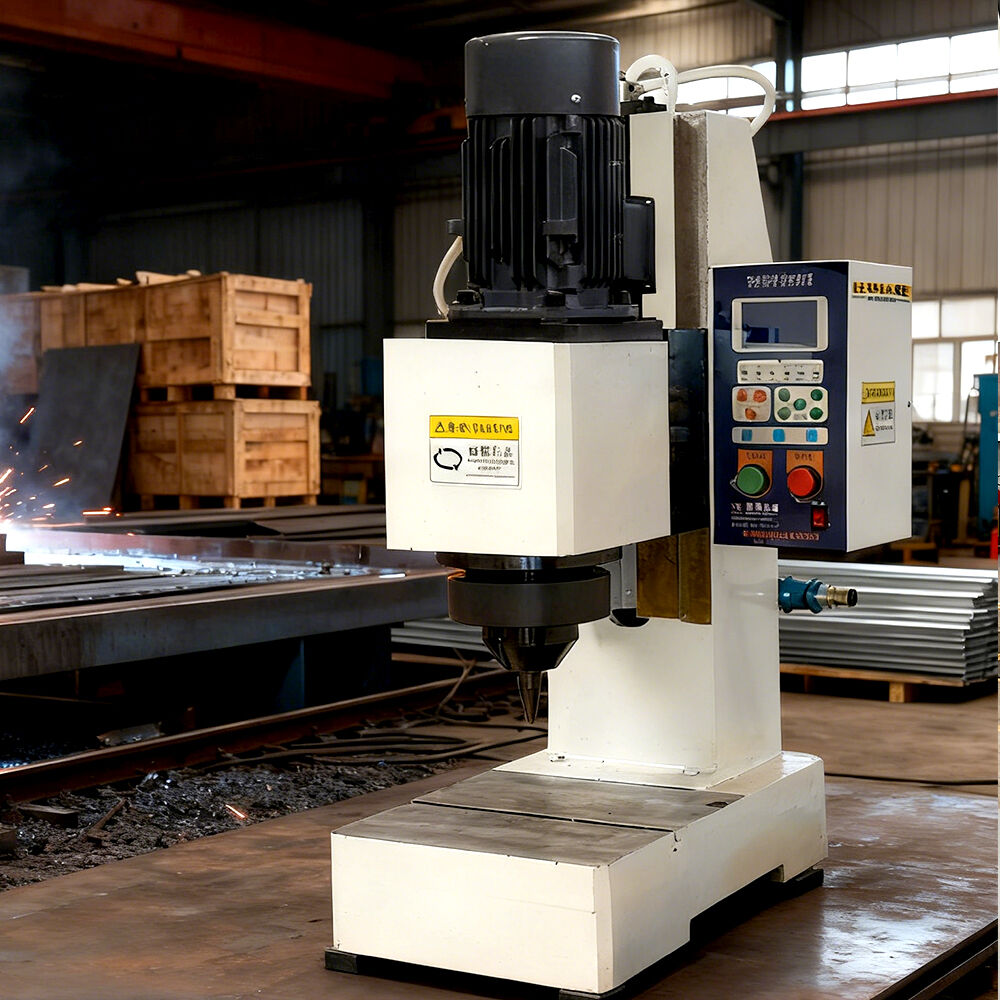
A riveting machine represents a sophisticated industrial tool designed to create permanent mechanical connections between materials through the installation of rivets. This specialized equipment operates by deforming metal fasteners to securely join two or more pieces of material, typically metal sheets or structural components. The riveting machine delivers controlled force and precision to ensure consistent, reliable connections that can withstand significant stress and environmental challenges. Modern riveting machines incorporate advanced hydraulic, pneumatic, or electric drive systems that provide operators with precise control over the riveting process. These machines feature adjustable pressure settings, variable speed controls, and specialized tooling systems that accommodate various rivet sizes and materials. The core functionality revolves around gripping, positioning, and deforming rivets through a controlled compression process that creates a mushroom-shaped head on the blind side of the connection. Technological innovations in riveting machine design include digital pressure monitoring systems, automatic feeding mechanisms, and ergonomic operator interfaces that reduce fatigue and improve productivity. Many contemporary models incorporate programmable logic controllers that allow operators to store specific parameter settings for different riveting applications. Advanced safety features such as two-hand operating systems, protective guards, and emergency stop mechanisms ensure operator protection during operation. The versatility of riveting machines enables their use across multiple industries, including aerospace manufacturing, automotive assembly, construction, shipbuilding, and general metalworking applications. These machines efficiently process various rivet materials including aluminum, steel, stainless steel, and specialty alloys. The precision engineering of modern riveting machines ensures consistent joint quality, reduces material waste, and minimizes the need for secondary operations. Whether handling lightweight aluminum structures or heavy-duty steel assemblies, riveting machines provide manufacturers with reliable solutions for creating strong, permanent connections that meet stringent quality standards and regulatory requirements in demanding industrial environments.

New Product Recommendations

Riveting machines deliver substantial productivity improvements compared to manual riveting methods, enabling operators to complete connections significantly faster while maintaining superior quality standards. These machines eliminate the physical strain associated with hand riveting, reducing operator fatigue and minimizing the risk of repetitive stress injuries. The consistent force application provided by riveting machines ensures uniform joint quality across large production runs, eliminating the variability inherent in manual processes. This consistency translates directly into improved product reliability and reduced quality control costs. Modern riveting machines offer exceptional versatility, accommodating various rivet sizes, materials, and joint configurations without requiring extensive setup changes. Operators can quickly adjust machine settings to handle different production requirements, maximizing equipment utilization and reducing changeover times. The precision control systems integrated into contemporary riveting machines allow for exact force application, ensuring optimal rivet deformation without damaging surrounding materials. This level of control is particularly valuable when working with delicate components or expensive materials where rework costs must be minimized. Economic benefits of riveting machines include reduced labor costs through improved efficiency and decreased material waste through precise rivet placement and consistent installation quality. The durability of machine-installed rivets typically exceeds hand-installed alternatives, resulting in longer service life for finished products and reduced warranty claims. Safety advantages are substantial, as riveting machines incorporate multiple protective features that shield operators from potential hazards associated with high-force operations. Enclosed working areas, safety interlocks, and emergency controls create a secure operating environment that meets stringent workplace safety standards. Maintenance requirements for modern riveting machines are minimal, with robust construction and quality components ensuring reliable long-term operation. Preventive maintenance programs are straightforward and cost-effective, typically involving routine lubrication, inspection of wear components, and periodic calibration of control systems. The investment in a quality riveting machine pays dividends through increased production capacity, improved product quality, enhanced worker safety, and reduced operational costs. Training requirements are modest, allowing operators to achieve proficiency quickly and begin realizing productivity benefits immediately. These machines integrate seamlessly into existing production workflows, supporting lean manufacturing initiatives and continuous improvement programs that drive operational excellence.

Latest News

Why Are Electronics Plants Adopting Fastener Insertion Machines for Enclosures?

29

Dec

Why Are Electronics Plants Adopting Fastener Insertion Machines for Enclosures?

Improving the Structural Integrity of Electronic Enclosures In modern electronics plants, manufacturers continually pursue efficiency, precision, and long-term durability in every part of the assembly process. When it comes to electronic enclosures, ...
View More
What factors affect radial riveting machines performance and stability?

28

Jan

What factors affect radial riveting machines performance and stability?

Manufacturing precision and operational reliability in industrial assembly processes depend heavily on the performance characteristics of radial riveting machines. These sophisticated pieces of equipment have become indispensable in automotive, aeros...
View More
Why are radial riveting machines preferred for cold forming applications?

28

Jan

Why are radial riveting machines preferred for cold forming applications?

Radial riveting machines have revolutionized the manufacturing landscape by offering superior cold forming capabilities that traditional riveting methods simply cannot match. These sophisticated pieces of equipment utilize a unique radial motion mech...
View More
How can radial riveting machines reduce failure rates in mass production?

28

Jan

How can radial riveting machines reduce failure rates in mass production?

Manufacturing industries constantly seek solutions to minimize production failures and enhance product reliability. Radial riveting machines have emerged as a critical technology for achieving superior joint quality in mass production environments. T...
View More

Get a Free Quote

Our representative will contact you soon.
Email
Name
Company Name
Message
0/1000

riveting machine

Advanced Hydraulic Control System

Advanced Hydraulic Control System

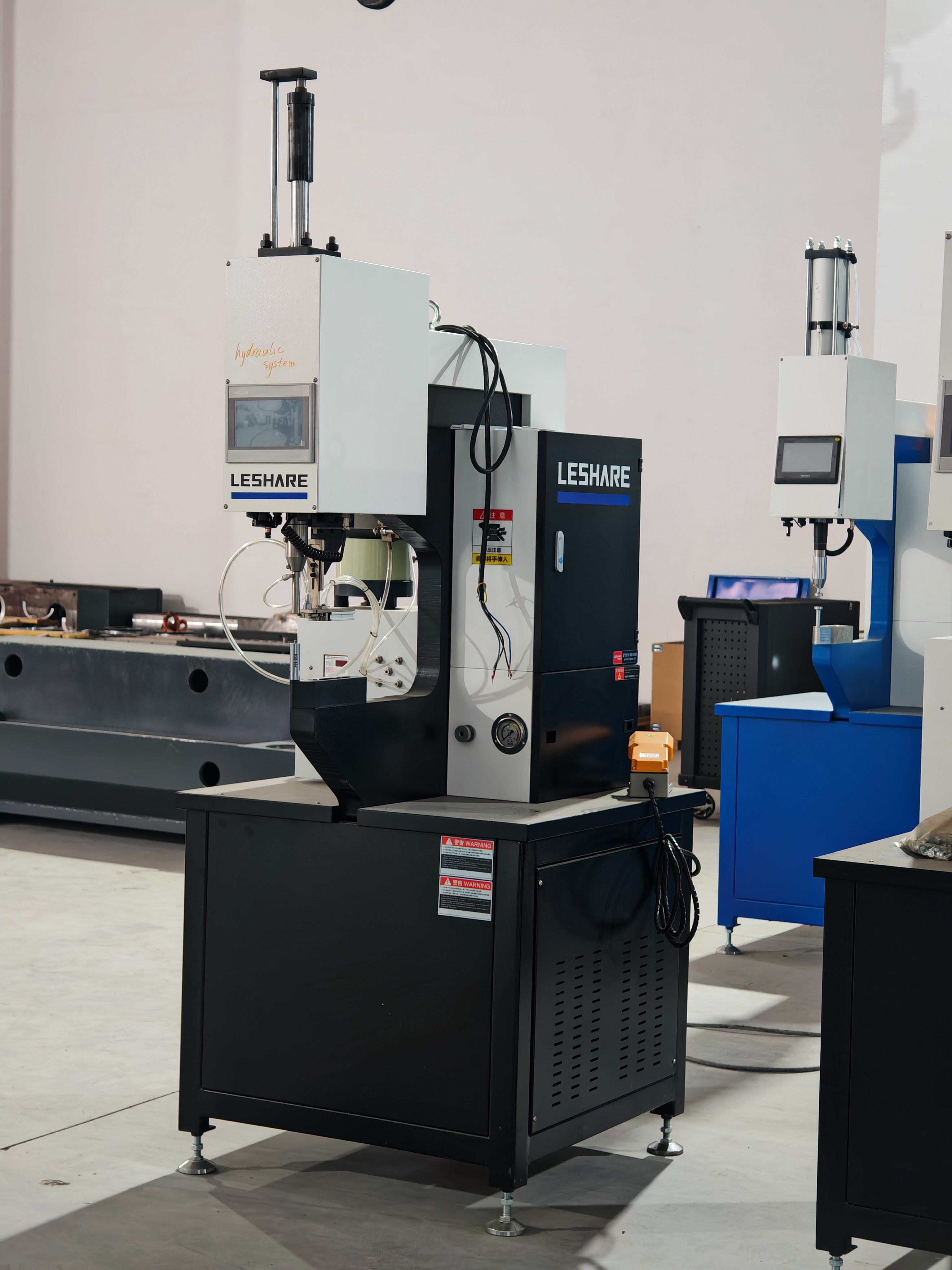
The sophisticated hydraulic control system represents the technological cornerstone of modern riveting machines, delivering unparalleled precision and reliability in high-demand industrial applications. This advanced system utilizes precision-engineered hydraulic cylinders, servo-controlled valves, and intelligent pressure regulation components to provide operators with exceptional control over the riveting process. The hydraulic system generates consistent, powerful force delivery that ensures optimal rivet deformation regardless of material thickness or hardness variations. Unlike pneumatic alternatives, hydraulic systems maintain steady force throughout the entire stroke cycle, resulting in superior joint quality and elimination of pressure fluctuations that can compromise connection integrity. The system incorporates sophisticated pressure feedback mechanisms that continuously monitor and adjust applied force, automatically compensating for variations in material properties or rivet characteristics. This intelligent control prevents over-compression that could damage components while ensuring adequate force application for proper rivet formation. Operators benefit from programmable force profiles that can be customized for specific applications, storing multiple parameter sets for different rivet types and joint configurations. The hydraulic system's smooth operation eliminates vibration and shock loads that can cause operator fatigue or compromise precision in delicate assembly operations. Energy efficiency represents another significant advantage, as modern hydraulic systems utilize variable displacement pumps and load-sensing controls that optimize power consumption based on actual demand. This efficiency translates into reduced operating costs and environmental benefits through lower energy consumption. Maintenance advantages of hydraulic systems include longer service intervals due to the enclosed nature of the hydraulic circuit, which protects components from contamination and wear. The system's robust construction ensures reliable operation in harsh industrial environments, withstanding temperature extremes, dust, and moisture without performance degradation. Safety features integrated into the hydraulic system include pressure relief valves, flow restrictors, and emergency shutdown capabilities that protect both operators and equipment from potentially dangerous conditions. The precise control offered by advanced hydraulic systems enables manufacturers to achieve consistently superior joint quality that meets the most stringent aerospace, automotive, and structural requirements.
Ergonomic Design and Operator Safety

Ergonomic Design and Operator Safety

The revolutionary ergonomic design philosophy incorporated into modern riveting machines prioritizes operator comfort, safety, and productivity through thoughtful engineering solutions that address the physical demands of industrial riveting operations. These machines feature carefully positioned controls, adjustable working heights, and intuitive interfaces that minimize operator strain while maximizing efficiency and precision. The ergonomic design reduces the risk of musculoskeletal injuries associated with repetitive motions, heavy lifting, and awkward positioning that characterize traditional riveting methods. Strategically placed handles, controls, and support structures enable operators to maintain natural body positions throughout extended work sessions, significantly reducing fatigue and improving overall job satisfaction. Advanced safety systems integrated into the machine design include comprehensive guarding solutions, two-hand operating controls, and emergency stop mechanisms that protect operators from potential hazards associated with high-force operations. Light curtains and pressure-sensitive safety mats create protective zones around critical areas, automatically stopping machine operation when safety boundaries are breached. The intuitive control interface features clear visual indicators, tactile feedback controls, and logical layout that minimizes operator confusion and reduces the likelihood of errors that could compromise safety or quality. Noise reduction technologies incorporated into the machine design create a more pleasant working environment while ensuring compliance with occupational health and safety regulations. Vibration dampening systems protect operators from harmful exposure while improving precision through reduced tool movement during operation. The modular design philosophy allows for customization to accommodate specific operator requirements, workspace constraints, and production needs without compromising safety or functionality. Maintenance access points are strategically positioned to enable safe, efficient servicing without requiring operators to assume dangerous positions or remove essential safety features. Training requirements are minimized through intuitive design elements that make machine operation straightforward and logical, enabling new operators to achieve proficiency quickly while maintaining high safety standards. The comprehensive approach to ergonomic design and safety creates a work environment that attracts skilled operators, reduces turnover, and supports long-term productivity goals while ensuring compliance with evolving workplace safety regulations and industry standards.
Precision Engineering and Quality Assurance

Precision Engineering and Quality Assurance

The precision engineering excellence embodied in contemporary riveting machines ensures exceptional joint quality and manufacturing consistency that meets the most demanding industry standards and regulatory requirements. These machines incorporate advanced measurement systems, feedback controls, and quality monitoring capabilities that enable real-time assessment and adjustment of critical riveting parameters. Precision-machined components, including guide systems, tooling interfaces, and structural elements, provide the stability and accuracy necessary for achieving consistent results across diverse applications and operating conditions. The sophisticated control systems continuously monitor force application, displacement, and timing to ensure each rivet installation meets predetermined specifications. Digital encoders and position sensors provide precise feedback that enables automatic compensation for material variations, tool wear, and environmental factors that could affect joint quality. Statistical process control capabilities integrated into modern riveting machines collect and analyze performance data, enabling operators to identify trends, optimize parameters, and implement proactive quality improvements. This data-driven approach supports continuous improvement initiatives and helps manufacturers achieve Six Sigma quality levels in their riveting operations. The precision tooling systems accommodate various rivet types and sizes while maintaining exacting tolerances that ensure proper fit and optimal joint formation. Quick-change tooling capabilities enable rapid transitions between different rivet specifications without compromising precision or requiring extensive setup procedures. Quality assurance features include automated inspection systems that verify proper rivet installation, detect anomalies, and reject defective joints before they progress to subsequent operations. These systems utilize advanced sensing technologies to evaluate rivet head formation, material deformation, and joint integrity in real-time. Traceability capabilities enable complete documentation of riveting parameters for each joint, supporting quality audits and regulatory compliance requirements in aerospace, automotive, and other critical applications. The precision engineering approach extends to preventive maintenance systems that monitor component condition, predict service requirements, and schedule maintenance activities to minimize unplanned downtime. Calibration systems ensure ongoing accuracy through automated verification procedures that maintain measurement precision throughout the equipment's service life. This comprehensive approach to precision engineering and quality assurance enables manufacturers to achieve superior product quality, reduce warranty costs, and maintain competitive advantages in demanding markets where joint reliability and consistency are paramount to success.

Get a Free Quote

Our representative will contact you soon.
Email
Name
Company Name
Message
0/1000