Versatile Applications Across Multiple Industries
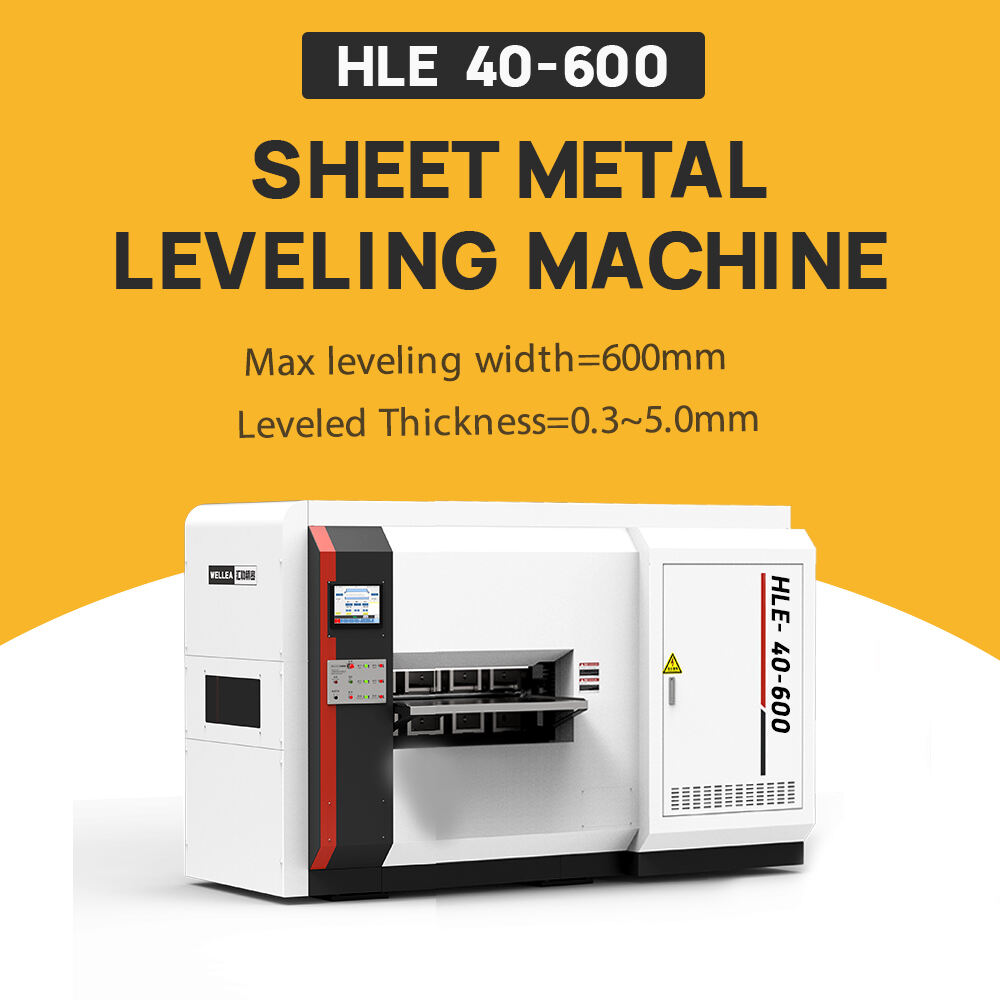
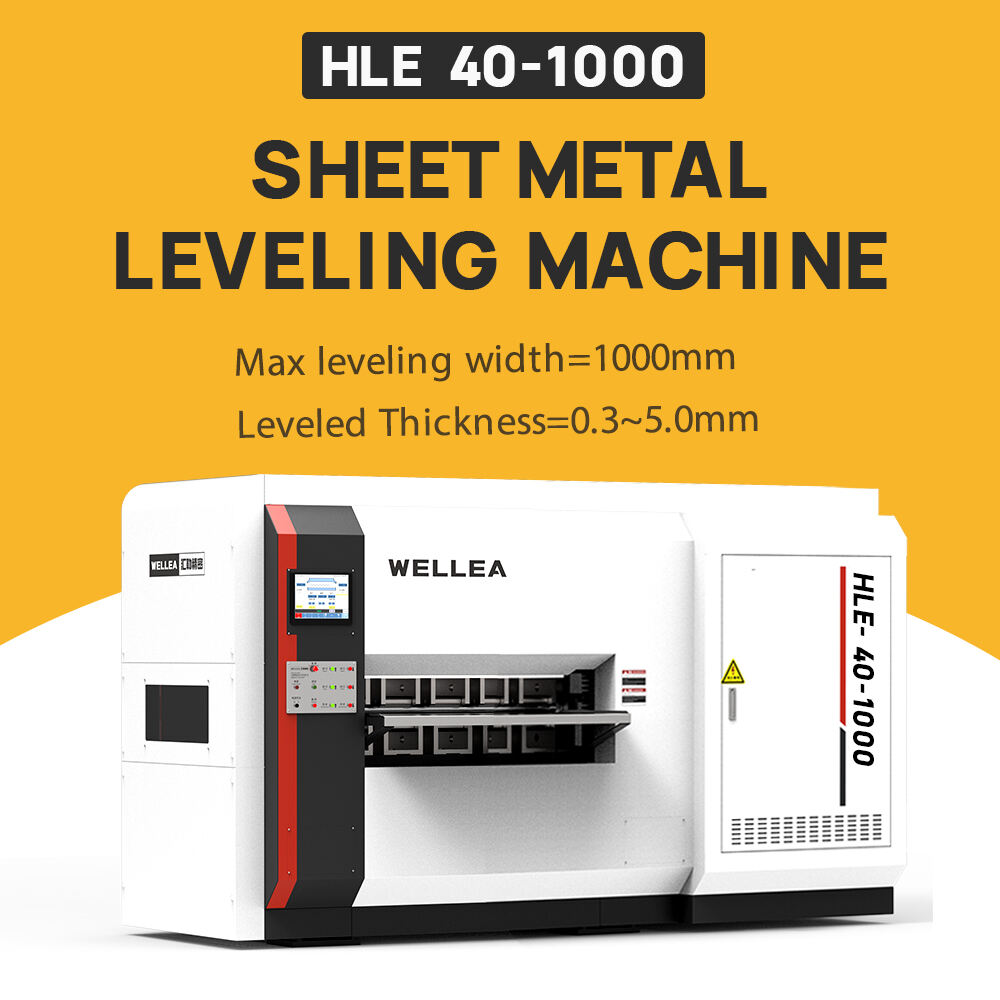
The low stress leveling machine demonstrates remarkable versatility in addressing diverse industrial applications, making it an invaluable asset for manufacturers serving multiple market sectors. Aerospace manufacturers utilize this equipment to process critical structural components where dimensional accuracy and stress-free characteristics are essential for flight safety and performance. The machine effectively handles exotic alloys including titanium, inconel, and aluminum-lithium composites that require specialized processing techniques to maintain their unique properties. Automotive industry applications include processing of body panels, chassis components, and precision parts where surface quality and dimensional stability directly impact assembly efficiency and final product performance. The equipment's capability to process various thicknesses from thin gauge sheets to heavy plates makes it suitable for both high-volume production and specialized custom fabrication projects. Construction industry applications encompass architectural panels, structural components, and decorative elements where flatness specifications must meet stringent building codes and aesthetic requirements. The low stress leveling machine processes stainless steel, carbon steel, and aluminum products used in commercial building facades, bridge components, and industrial structures. Electronics manufacturing facilities employ this technology for processing precision enclosures, heat sinks, and component mounting plates where dimensional accuracy affects product functionality and reliability. Medical device manufacturers rely on the stress-free processing capabilities for surgical instruments, implant components, and diagnostic equipment housings where material integrity is crucial for patient safety. The shipbuilding industry utilizes the machine for processing hull plates, deck components, and structural elements where corrosion resistance and dimensional stability are critical for vessel longevity. Research institutions and universities use this equipment for materials testing, process development, and educational programs focused on advanced manufacturing techniques. The machine's programmable control system enables rapid changeover between different applications, maximizing productivity and return on investment for facilities serving diverse market segments.
 EN
EN