Professional Metal Leveling Machine - Advanced Industrial Flattening Equipment

Get a Free Quote

Our representative will contact you soon.
Email
Name
Company Name
Message
0/1000

metal leveling machine

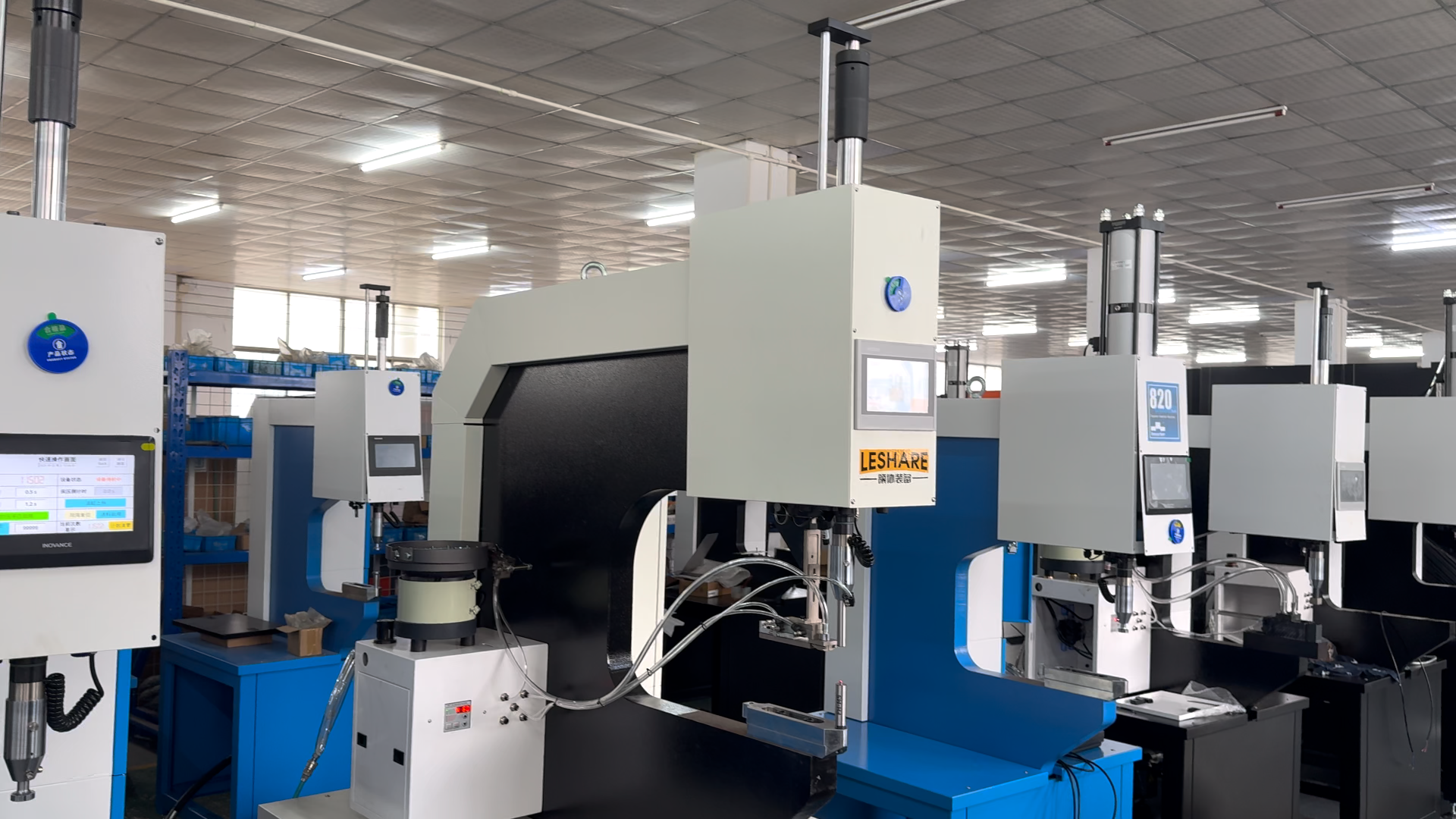
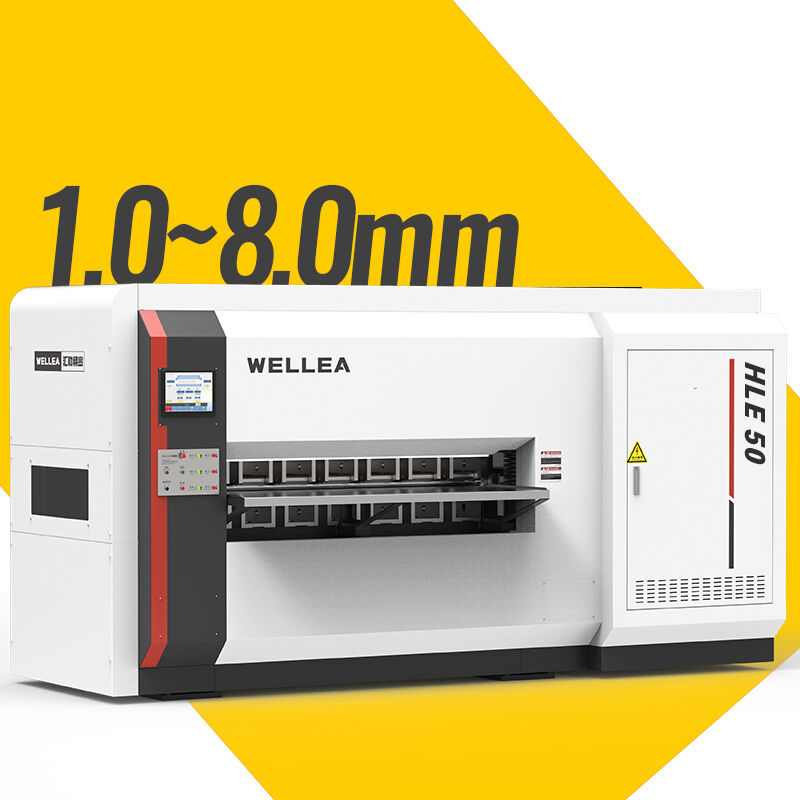
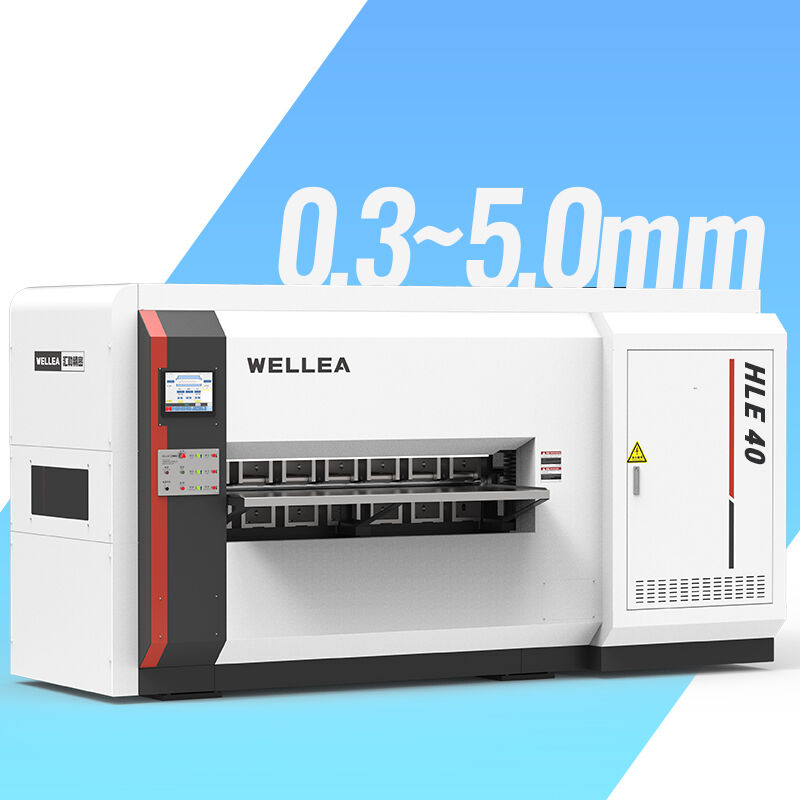
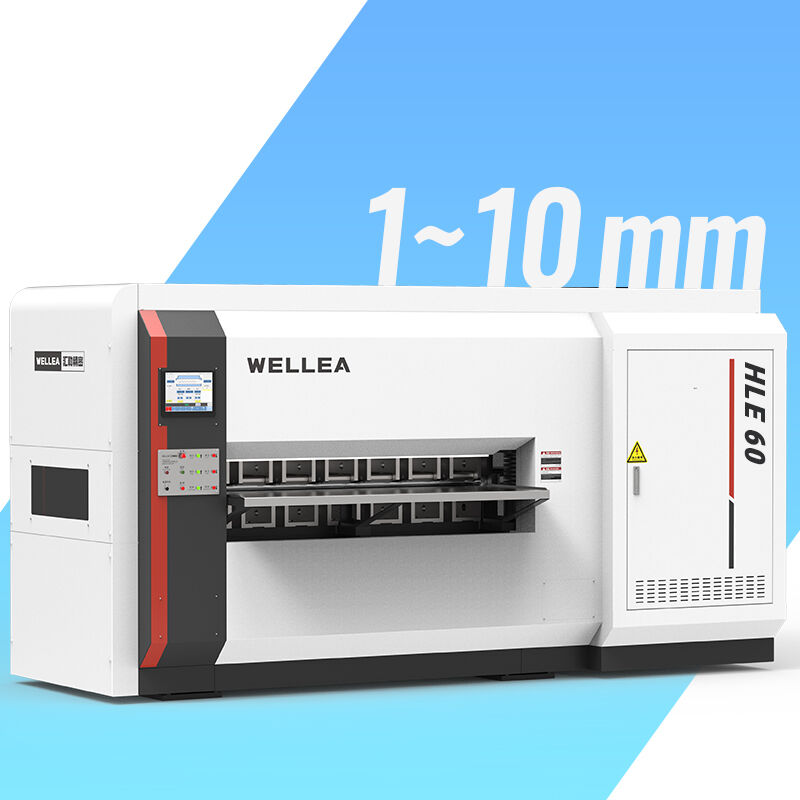
A metal leveling machine represents a sophisticated industrial solution designed to flatten and straighten metal sheets, plates, and strips with exceptional precision. This equipment serves as a cornerstone in metalworking operations, transforming warped, curved, or uneven metal surfaces into perfectly flat materials suitable for downstream manufacturing processes. The metal leveling machine operates through a systematic approach that combines mechanical pressure, strategic roller placement, and advanced control systems to eliminate distortions and achieve consistent thickness across the entire metal surface. Modern metal leveling machines incorporate multiple work rolls and backup rolls arranged in a specific configuration that applies controlled pressure to gradually reshape the material. The process involves feeding the metal workpiece through a series of precisely positioned rollers that apply alternating bending forces, effectively removing internal stresses and surface irregularities. Advanced models feature hydraulic adjustment systems that allow operators to fine-tune the pressure applied by each roller, ensuring optimal results for different material types and thicknesses. The technological framework of these machines includes sophisticated measurement systems that continuously monitor the flatness quality throughout the leveling process. Computer-controlled systems integrate with sensors to automatically adjust roller positions and pressure settings based on real-time feedback, maintaining consistent output quality. These machines accommodate various metal types including steel, aluminum, copper, and specialty alloys, making them versatile solutions for diverse industrial applications. The operational capacity ranges from small-scale units handling thin strips to massive industrial systems processing thick plates several meters wide. Safety features include emergency stop mechanisms, protective guards, and automatic material handling systems that minimize operator exposure to potential hazards while maintaining high productivity levels.

New Product Releases

Metal leveling machines deliver substantial operational benefits that directly impact manufacturing efficiency and product quality. These systems eliminate manual straightening processes, reducing labor costs while achieving superior flatness standards that manual methods cannot match. The automated nature of metal leveling machines ensures consistent results across production runs, eliminating variations that commonly occur with manual techniques. Production speeds increase dramatically as these machines process materials continuously at rates far exceeding manual capabilities. Quality control improves significantly because metal leveling machines remove surface imperfections and internal stresses that could compromise final product integrity. Manufacturers experience reduced material waste since properly leveled metals require fewer adjustments during subsequent processing stages. The precision achieved by metal leveling machines translates directly into improved downstream operations such as cutting, welding, and forming processes. Energy efficiency represents another key advantage as modern metal leveling machines optimize power consumption through intelligent control systems that adjust operations based on material requirements. Maintenance costs remain minimal due to robust construction and self-monitoring capabilities that prevent excessive wear. Versatility allows single machines to handle multiple material types and thicknesses, maximizing equipment utilization across different production requirements. Worker safety improves substantially as metal leveling machines eliminate the physical strain and injury risks associated with manual straightening methods. The consistent output quality reduces customer complaints and returns, strengthening business relationships and market reputation. Investment returns accelerate through increased throughput capacity and reduced operational overhead. These machines integrate seamlessly with existing production lines, requiring minimal facility modifications while delivering immediate performance improvements. Advanced models provide data logging capabilities that support quality certification requirements and process optimization initiatives. The enhanced surface finish achieved by metal leveling machines often eliminates additional processing steps, further reducing production costs and cycle times. Long-term durability ensures decades of reliable service with proper maintenance, making metal leveling machines sound capital investments for metalworking operations.

Tips And Tricks

Why are radial riveting machines preferred for cold forming applications?

28

Jan

Why are radial riveting machines preferred for cold forming applications?

Radial riveting machines have revolutionized the manufacturing landscape by offering superior cold forming capabilities that traditional riveting methods simply cannot match. These sophisticated pieces of equipment utilize a unique radial motion mech...
View More
Why choose lowspeed radial riveting for precision industrial assembly?

26

Feb

Why choose lowspeed radial riveting for precision industrial assembly?

Manufacturing precision and assembly quality have become critical differentiators in today's competitive industrial landscape. When it comes to joining metal components, lowspeed radial riveting stands out as a superior methodology that delivers cons...
View More
What Types of Fasteners Work with Insertion Machines?

18

Mar

What Types of Fasteners Work with Insertion Machines?

Insertion Machines play a critical role in today’s automated manufacturing environments, enabling precise, efficient, and repeatable installation of a wide range of fasteners. From sheet metal fabrication to automotive assembly lines, these mac...
View More
What Maintenance Practices Extend Insertion Machine Life?

18

Mar

What Maintenance Practices Extend Insertion Machine Life?

The longevity of an insertion machine directly impacts manufacturing efficiency and total cost of ownership in automated assembly operations. These precision instruments require systematic care to maintain their operational integrity and deliver cons...
View More

Get a Free Quote

Our representative will contact you soon.
Email
Name
Company Name
Message
0/1000

metal leveling machine

Advanced Roller Configuration Technology

Advanced Roller Configuration Technology

The heart of any metal leveling machine lies in its sophisticated roller configuration system, which represents decades of engineering refinement and technological innovation. This critical component utilizes a precisely arranged series of work rolls and backup rolls that apply controlled pressure across the metal surface through strategic positioning and hydraulic adjustment capabilities. The roller configuration determines the machine's ability to eliminate various types of distortions including edge waves, center buckles, coil set, and crossbow effects that commonly plague metal processing operations. Modern metal leveling machines feature adjustable roller systems that accommodate materials ranging from thin foils to thick plates, with each roller position calculated to optimize the bending sequence required for complete stress relief. The hydraulic adjustment mechanism allows operators to modify individual roller pressures in real-time, responding to material variations and achieving consistent flatness across the entire workpiece width. Advanced roller materials including hardened steel and specialized coatings ensure extended service life while maintaining surface quality standards. The backup roll system provides essential support to prevent work roll deflection under heavy loads, maintaining uniform pressure distribution even when processing thick or hard materials. Computer-controlled positioning systems integrate with load cells and displacement sensors to automatically adjust roller configurations based on material feedback, eliminating guesswork and ensuring optimal results. The roller configuration technology enables metal leveling machines to process materials with thickness variations, surface defects, and internal stress patterns that would be impossible to correct through manual methods. Multiple roller arrangements can be programmed and stored for different material types, allowing quick setup changes that minimize downtime between production runs. This technological sophistication directly translates into superior product quality, reduced material waste, and enhanced operational efficiency that justifies the investment in professional-grade metal leveling equipment.
Precision Control and Monitoring Systems

Precision Control and Monitoring Systems

Modern metal leveling machines incorporate state-of-the-art precision control and monitoring systems that revolutionize metalworking operations through real-time feedback and automated adjustments. These sophisticated systems combine advanced sensors, computer processing power, and intelligent software algorithms to continuously monitor material conditions and machine performance throughout the leveling process. The control system architecture includes flatness measurement devices that scan the metal surface before, during, and after processing to ensure consistent quality standards are maintained. Laser-based measurement technology provides micron-level accuracy in detecting surface variations, enabling the metal leveling machine to make precise adjustments that eliminate even minor imperfections. The monitoring system tracks multiple parameters simultaneously including roller positions, hydraulic pressures, material thickness, feed speeds, and surface quality metrics. Data logging capabilities create comprehensive production records that support quality certification requirements and enable process optimization through historical analysis. Operator interfaces feature intuitive touchscreen displays that present real-time information in easily understood formats, allowing quick identification of process variations and immediate corrective actions. Remote monitoring capabilities enable supervisory personnel to oversee multiple metal leveling machines from centralized locations, improving resource utilization and response times. Predictive maintenance algorithms analyze operational data to identify potential equipment issues before they impact production, reducing unexpected downtime and maintenance costs. The precision control system automatically compensates for material variations, temperature changes, and wear patterns that could affect leveling quality. Safety monitoring functions continuously verify that all operational parameters remain within safe limits, automatically stopping the metal leveling machine if dangerous conditions are detected. Integration capabilities allow the control system to communicate with upstream and downstream equipment, creating seamless production workflows that optimize overall manufacturing efficiency. These advanced control and monitoring systems transform metal leveling machines from simple mechanical devices into intelligent manufacturing tools that deliver consistent results while minimizing operator intervention and maximizing productivity.
Versatile Material Processing Capabilities

Versatile Material Processing Capabilities

The exceptional versatility of metal leveling machines in processing diverse materials represents a significant competitive advantage for manufacturers seeking to maximize equipment utilization and operational flexibility. These sophisticated systems handle an extensive range of metal types including carbon steel, stainless steel, aluminum alloys, copper, brass, titanium, and specialized materials used in aerospace and automotive applications. The material processing capabilities extend across thickness ranges from ultra-thin foils measuring fractions of a millimeter to heavy plates several centimeters thick, demonstrating the robust engineering and adaptable design of modern metal leveling machines. Width capabilities accommodate narrow strips for precision applications as well as wide plates spanning several meters, making these machines suitable for both specialized and high-volume production requirements. Surface finish preservation represents a critical aspect of material processing versatility, as metal leveling machines maintain the original surface quality while eliminating flatness defects that could compromise downstream operations. The gentle yet effective processing action ensures that pre-applied coatings, protective films, or surface treatments remain intact throughout the leveling operation. Temperature considerations are addressed through systems designed to process materials at various thermal conditions, from room temperature operations to elevated temperature applications that may be required for certain alloy types. Hardness variations across different materials are accommodated through adjustable processing parameters that optimize roller pressures and bending sequences for each specific application. The metal leveling machine configuration can be customized for specific material requirements, with optional features such as specialized roller coatings, enhanced support systems, or modified entry and exit configurations. Coil processing capabilities enable these machines to handle materials supplied in coiled form, automatically adjusting for coil set removal while maintaining precise thickness control. The versatility extends to processing materials with pre-existing surface conditions such as scale, oxidation, or minor defects, with the leveling action often improving overall surface quality. This comprehensive material processing capability allows manufacturers to consolidate multiple operations under a single metal leveling machine, reducing equipment costs, facility requirements, and operational complexity while improving overall production efficiency.

Get a Free Quote

Our representative will contact you soon.
Email
Name
Company Name
Message
0/1000