Precision Orbital Riveting for Aluminum Parts - Advanced Manufacturing Solutions

Get a Free Quote

Our representative will contact you soon.
Email
Name
Company Name
Message
0/1000

precision orbital riveting for aluminum parts

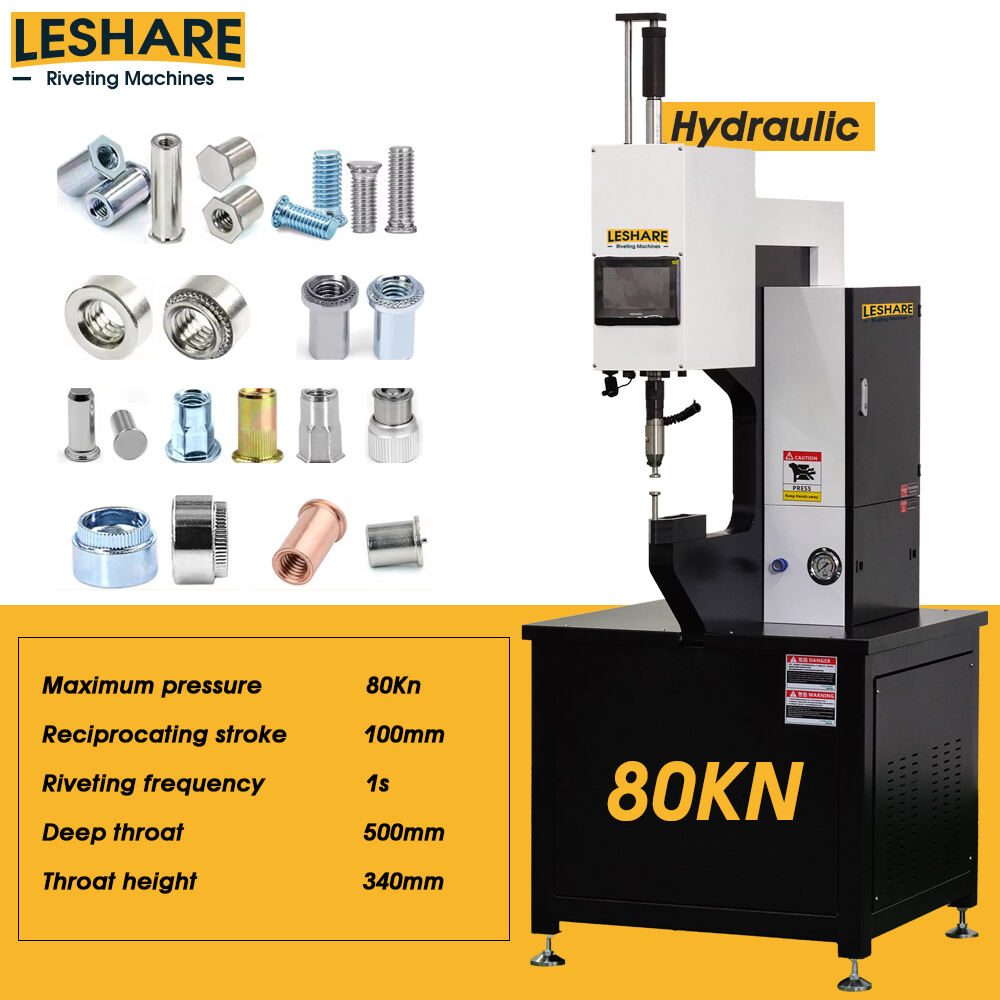
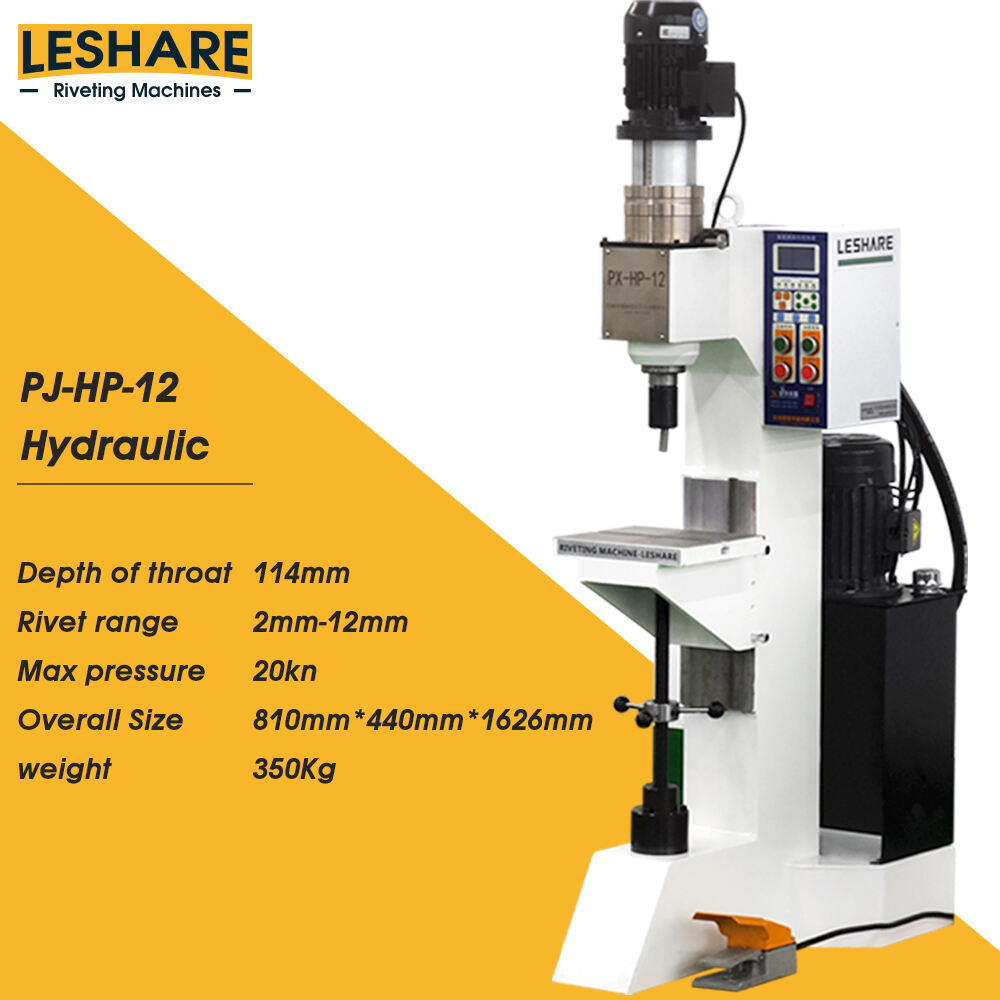
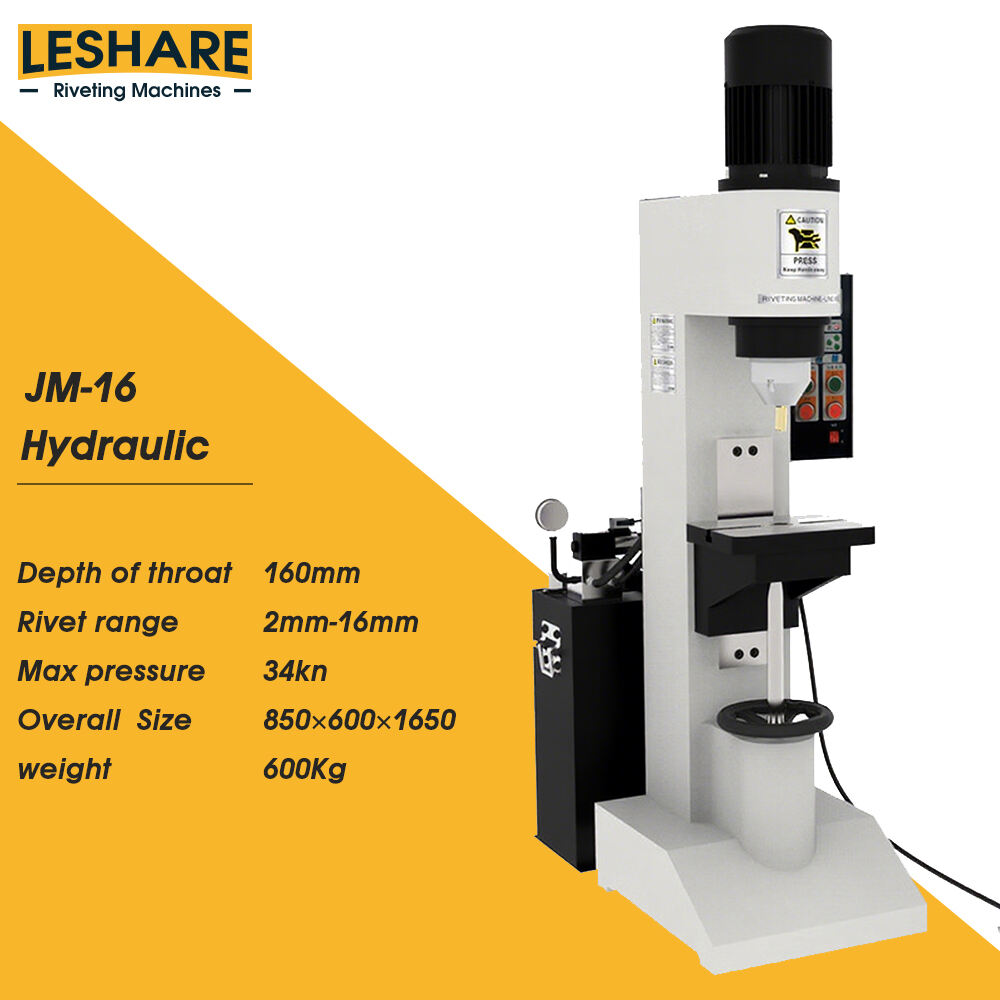
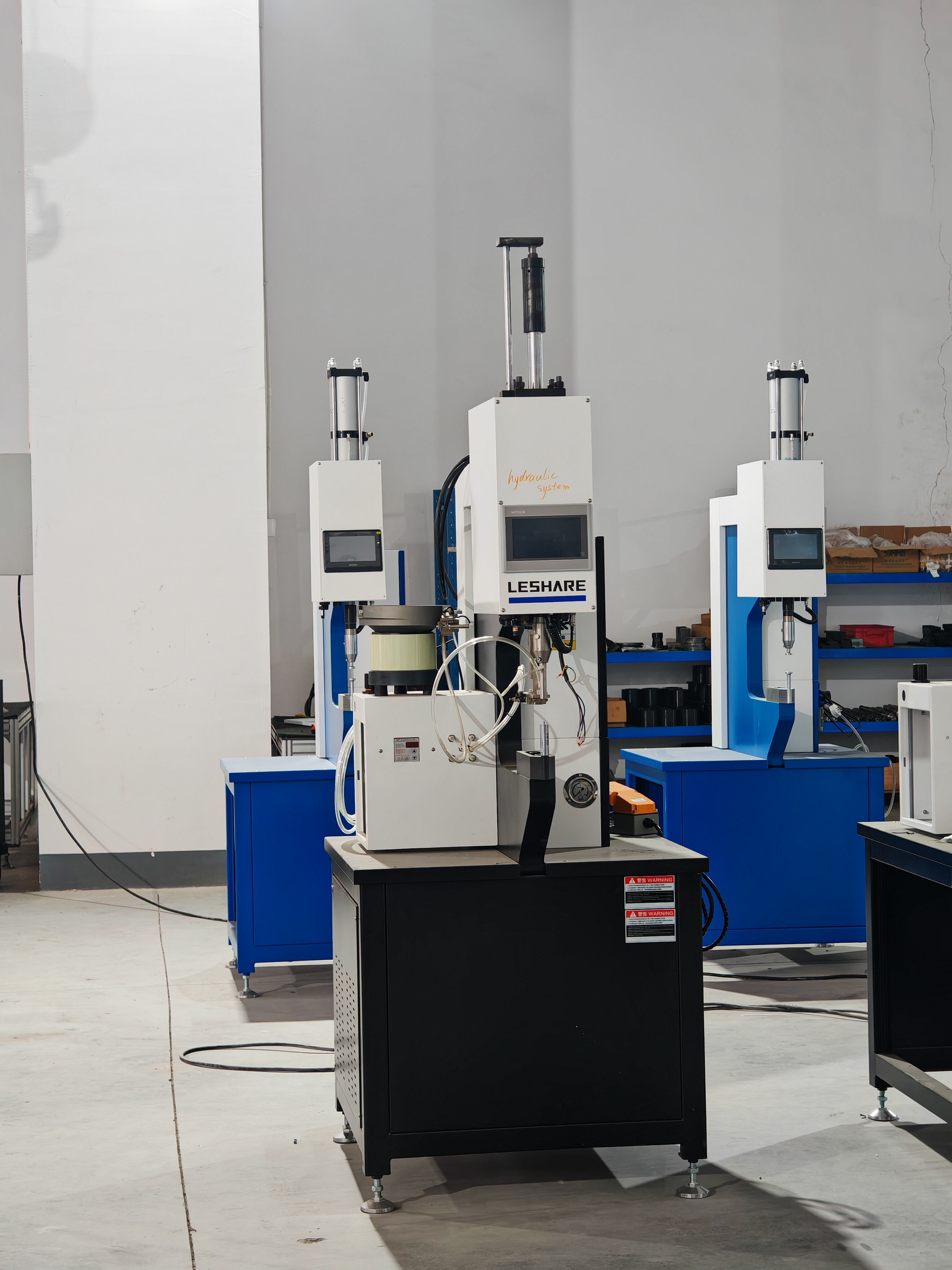
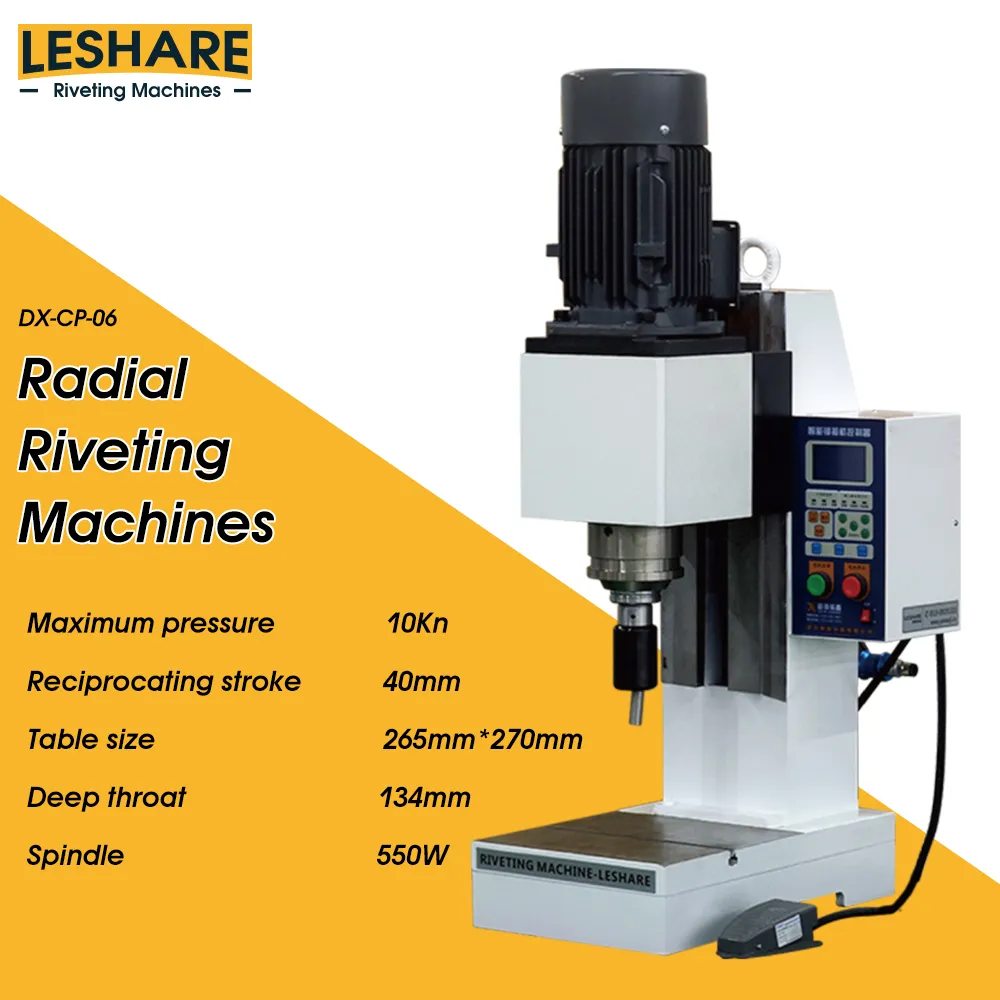
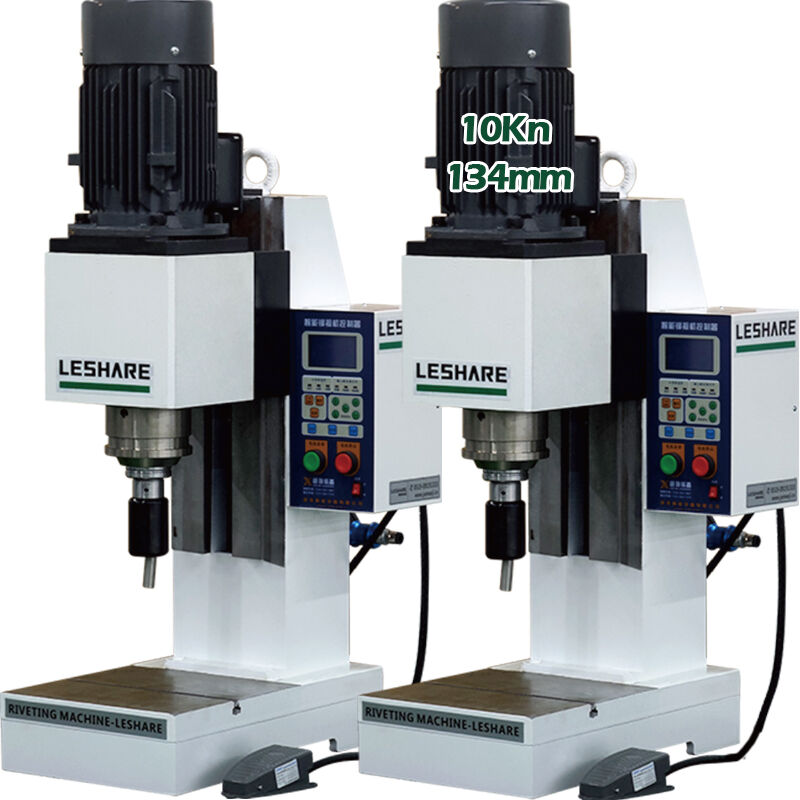
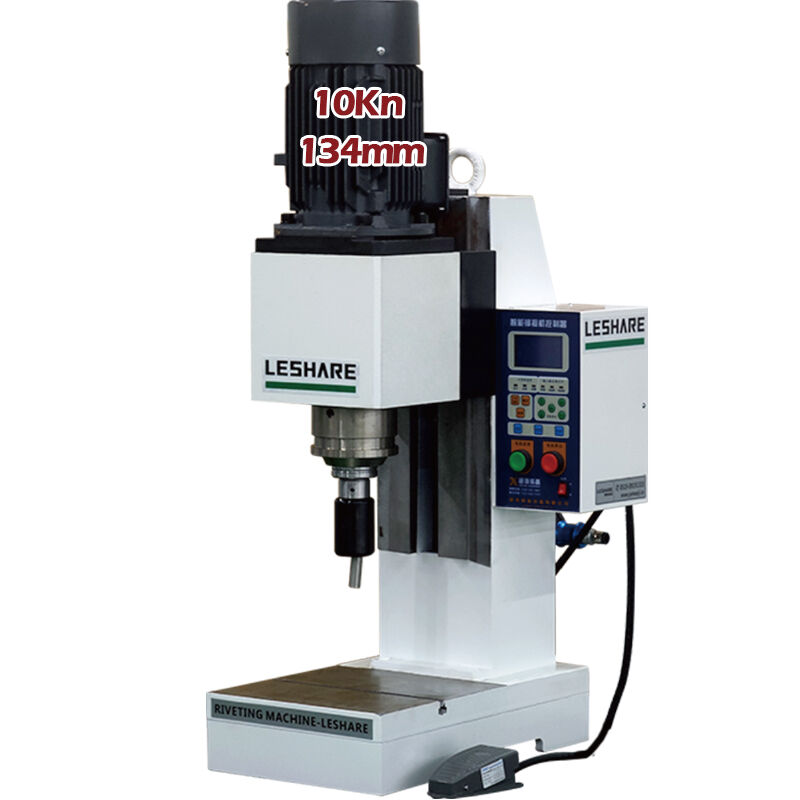
Precision orbital riveting for aluminum parts represents a revolutionary manufacturing technique that has transformed the assembly processes across multiple industries. This advanced joining method employs controlled orbital motion to form permanent connections between aluminum components, delivering exceptional strength and consistency in every application. The process works by rotating a rivet forming tool in a precise orbital pattern while applying controlled downward pressure, gradually deforming the rivet shank to create a secure mechanical joint. Unlike traditional riveting methods, precision orbital riveting for aluminum parts operates at significantly lower forces and generates minimal heat, making it ideal for delicate aluminum assemblies that require pristine surface finishes and dimensional accuracy. The technology incorporates sophisticated monitoring systems that track force, displacement, and time parameters throughout each riveting cycle, ensuring repeatable results and quality consistency. Modern precision orbital riveting equipment features programmable controllers that can store multiple riveting programs, allowing operators to quickly switch between different aluminum part configurations without manual adjustments. The process accommodates various rivet materials including aluminum, steel, and specialty alloys, while maintaining optimal joint integrity in aluminum substrates. Quality control capabilities include real-time force monitoring, position feedback, and statistical process control integration, enabling manufacturers to maintain tight tolerances and detect potential issues before they impact production. The versatility of precision orbital riveting for aluminum parts extends to complex geometries, thin-walled sections, and assemblies requiring multiple rivets in close proximity. This technology supports both manual and automated implementations, scaling from prototype development to high-volume production environments. The orbital motion pattern distributes forming forces evenly around the rivet circumference, eliminating the concentrated stresses associated with conventional riveting methods and reducing the risk of aluminum substrate damage or distortion during assembly operations.

New Product Releases

Precision orbital riveting for aluminum parts delivers substantial operational benefits that directly impact manufacturing efficiency and product quality. The controlled forming process eliminates the shock loading typical of impact riveting, protecting sensitive aluminum components from damage and maintaining critical dimensional tolerances throughout assembly. This gentle approach proves especially valuable when working with thin aluminum sheets, extruded profiles, and cast components where traditional methods might cause cracking or deformation. The process generates consistent joint strength across production runs, reducing variability and improving overall product reliability for end customers. Quality control becomes more predictable with precision orbital riveting for aluminum parts because the programmable parameters ensure repeatable results without operator skill variations affecting outcomes. Manufacturing costs decrease through reduced scrap rates, eliminated rework, and faster cycle times compared to conventional riveting approaches. The technology accommodates blind riveting applications where access to both sides of the aluminum assembly is limited, expanding design possibilities and reducing assembly complexity. Energy efficiency represents another significant advantage, as precision orbital riveting for aluminum parts requires substantially less power than pneumatic or hydraulic alternatives while delivering superior joint quality. Noise reduction benefits create better working environments, as the orbital motion produces minimal acoustic emissions compared to impact-based systems. The process maintains aluminum surface integrity by avoiding the marring and marking common with traditional riveting tools, eliminating secondary finishing operations and preserving aesthetic appearance. Flexibility in rivet selection allows engineers to optimize joint properties for specific applications, whether prioritizing shear strength, fatigue resistance, or corrosion performance. The technology integrates seamlessly with automated assembly systems, supporting lights-out manufacturing and Industry 4.0 initiatives. Maintenance requirements remain minimal due to the controlled motion and reduced wear characteristics of orbital forming tools. Training requirements are simplified because consistent process parameters eliminate the need for operator skill in judging proper rivet formation. Documentation and traceability improve through digital monitoring capabilities that record critical parameters for each rivet, supporting quality audits and continuous improvement initiatives while ensuring compliance with aerospace, automotive, and medical device manufacturing standards.

Latest News

How Does a Fastener Insertion Machine Improve Productivity in Metal Fabrication?

11

Dec

How Does a Fastener Insertion Machine Improve Productivity in Metal Fabrication?

In today's competitive metal fabrication industry, manufacturers are constantly seeking innovative solutions to enhance production efficiency while maintaining quality standards. A fastener insertion machine represents a revolutionary advancement tha...
View More
Why is a nonrotating shaft radial riveter critical in delicate assemblies?

28

Jan

Why is a nonrotating shaft radial riveter critical in delicate assemblies?

In precision manufacturing environments where component integrity and assembly quality determine product success, the choice of joining technology becomes paramount. A nonrotating shaft radial riveter represents a specialized solution engineered spec...
View More
What Are the Key Benefits of Using a Fastener Insertion Machine?

18

Mar

What Are the Key Benefits of Using a Fastener Insertion Machine?

Manufacturing efficiency has become a critical factor for businesses seeking competitive advantages in today's industrial landscape. A fastener insertion machine represents a transformative solution that automates the precise placement of threaded in...
View More
What Maintenance Practices Extend Insertion Machine Life?

18

Mar

What Maintenance Practices Extend Insertion Machine Life?

The longevity of an insertion machine directly impacts manufacturing efficiency and total cost of ownership in automated assembly operations. These precision instruments require systematic care to maintain their operational integrity and deliver cons...
View More

Get a Free Quote

Our representative will contact you soon.
Email
Name
Company Name
Message
0/1000

precision orbital riveting for aluminum parts

Superior Joint Quality and Consistency in Aluminum Applications

Superior Joint Quality and Consistency in Aluminum Applications

Precision orbital riveting for aluminum parts establishes industry-leading standards for joint quality and manufacturing consistency that traditional riveting methods simply cannot match. The orbital forming process creates uniform material flow around the entire rivet circumference, eliminating the asymmetrical deformation patterns that compromise joint integrity in conventional approaches. This controlled deformation ensures optimal load distribution across the joint interface, significantly improving fatigue life and long-term durability in aluminum assemblies subjected to dynamic loading conditions. The technology maintains consistent clamping force regardless of aluminum thickness variations or material property differences, compensating automatically for normal manufacturing tolerances without operator intervention. Real-time monitoring systems track critical parameters including forming force, displacement, and cycle time, providing immediate feedback when process conditions deviate from optimal settings. Statistical process control integration enables manufacturers to establish tight control limits and detect trending conditions before quality issues impact production outcomes. The precision orbital riveting for aluminum parts process eliminates the temperature rise associated with impact forming, preventing heat-affected zone formation that could compromise aluminum properties or cause dimensional instability in precision assemblies. Joint strength consistency typically achieves statistical variation levels below 5 percent, compared to 15-20 percent variation common with pneumatic or hydraulic riveting systems. This predictability allows engineers to optimize design factors of safety and reduce material usage while maintaining performance requirements. The orbital motion distributes forming stresses evenly, preventing the concentrated loading that can initiate fatigue cracks at rivet holes in aluminum components. Quality documentation capabilities provide complete traceability for each rivet installation, recording force curves, displacement profiles, and acceptance criteria compliance for regulatory requirements. The technology accommodates various aluminum alloys from soft commercially pure grades to high-strength aerospace specifications without process modifications, maintaining joint quality across material property ranges. Surface finish preservation represents another critical quality advantage, as the controlled forming eliminates tool marks and maintains aluminum appearance standards without secondary operations.
Enhanced Manufacturing Efficiency and Cost Reduction Benefits

Enhanced Manufacturing Efficiency and Cost Reduction Benefits

Precision orbital riveting for aluminum parts revolutionizes manufacturing efficiency by dramatically reducing cycle times while simultaneously improving process reliability and reducing operational costs. The controlled forming process typically completes rivet installation in 2-4 seconds compared to 10-15 seconds required for conventional methods, directly increasing throughput capacity without additional equipment investment. This speed advantage compounds across high-volume production runs, enabling manufacturers to meet aggressive delivery schedules and improve customer satisfaction metrics. Setup time reduction represents another significant efficiency gain, as programmable controllers store multiple riveting programs that operators can recall instantly when switching between different aluminum part configurations. This eliminates manual adjustment procedures and reduces changeover times from hours to minutes, maximizing equipment utilization rates and minimizing production interruptions. The precision orbital riveting for aluminum parts process operates at significantly lower air pressure requirements than pneumatic alternatives, reducing compressed air consumption by up to 70 percent and lowering utility costs substantially. Tooling longevity improves dramatically due to controlled motion and reduced impact loading, with orbital forming tools lasting 5-10 times longer than conventional rivet sets while maintaining dimensional accuracy throughout their service life. Labor cost reductions emerge from simplified training requirements and reduced skill dependency, as consistent process parameters eliminate operator variables that affect joint quality. Scrap reduction typically exceeds 80 percent compared to traditional methods because controlled forming prevents rivet damage, aluminum substrate cracking, and dimensional tolerance violations that require costly rework or part replacement. Quality inspection time decreases through real-time monitoring capabilities that verify rivet formation during installation rather than requiring post-process evaluation. The technology supports flexible manufacturing concepts by accommodating various rivet types and aluminum assemblies without dedicated tooling changes, reducing inventory requirements and improving production scheduling flexibility. Maintenance costs remain minimal because controlled motion reduces wear rates and eliminates the shock loading that causes premature failure in conventional riveting equipment, extending equipment life cycles and reducing unplanned downtime incidents that disrupt production schedules.
Advanced Process Control and Automation Capabilities for Modern Manufacturing

Advanced Process Control and Automation Capabilities for Modern Manufacturing

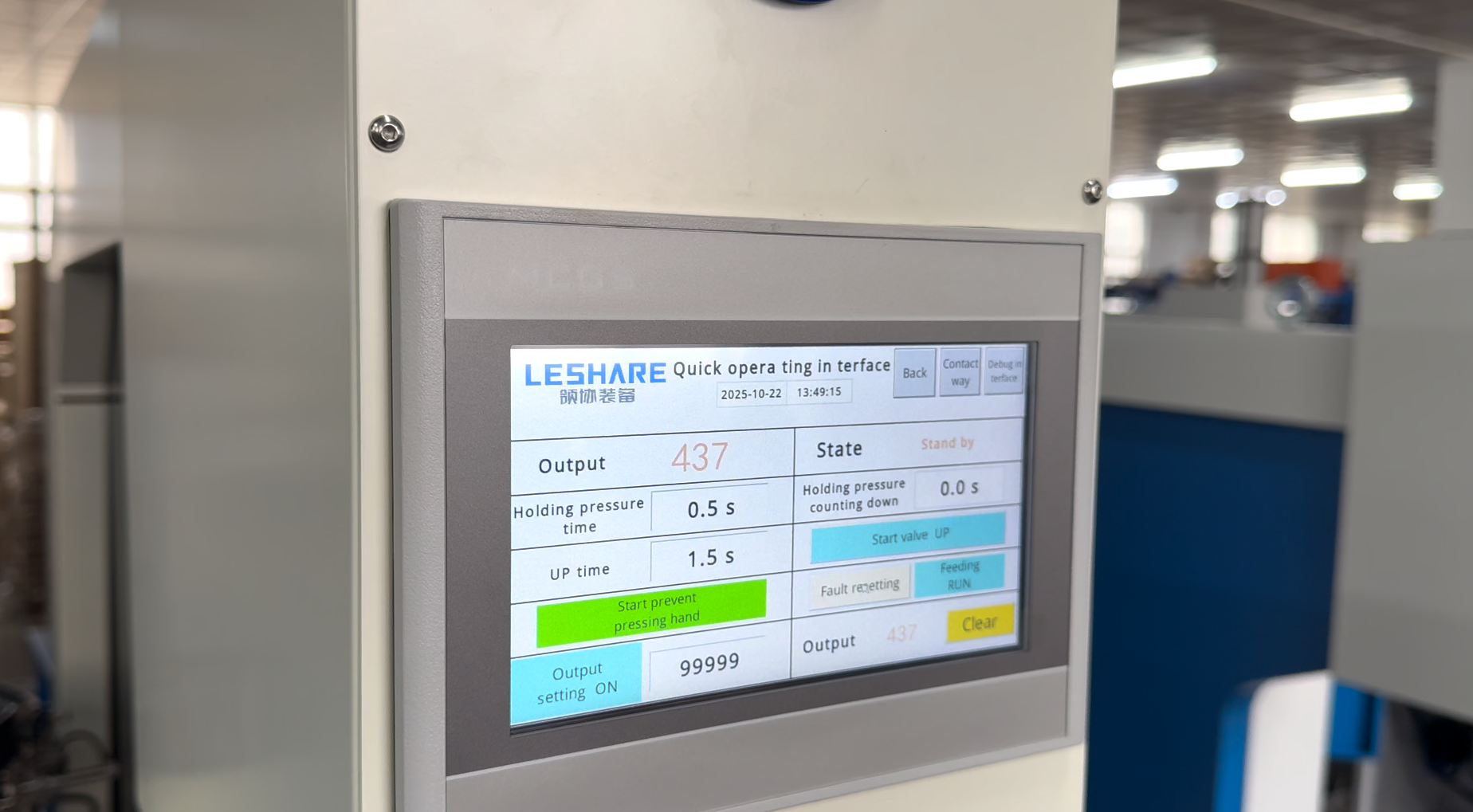
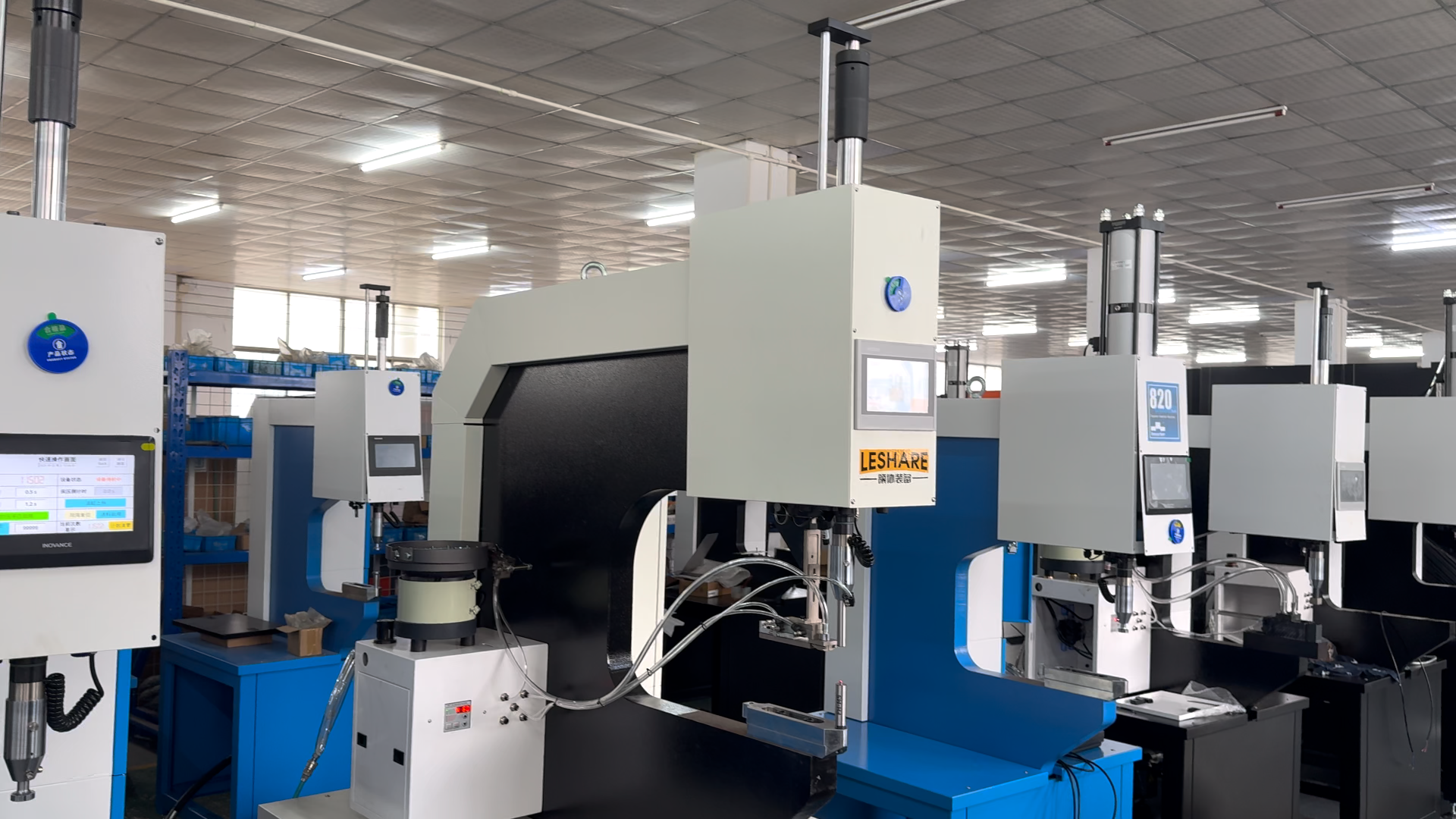
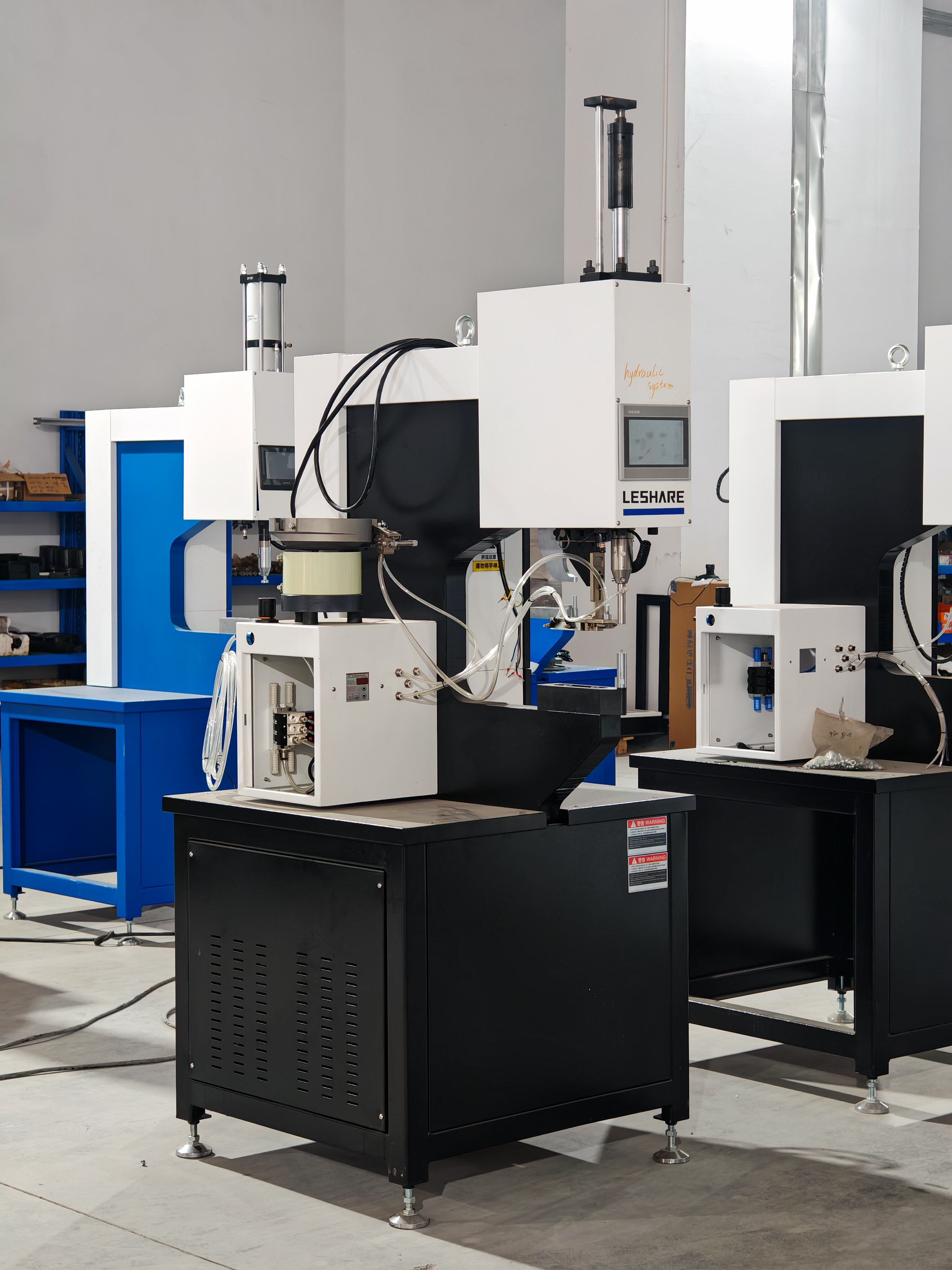
Precision orbital riveting for aluminum parts incorporates sophisticated process control and automation features that align perfectly with modern manufacturing requirements and Industry 4.0 initiatives. The technology provides comprehensive data collection capabilities that monitor and record critical process parameters including forming force curves, displacement profiles, cycle times, and quality acceptance criteria for every rivet installation. This data integration supports statistical process control methodologies, enabling manufacturers to establish process capability indices and implement continuous improvement programs based on objective performance metrics. Programmable logic controller integration allows seamless communication with plant-wide manufacturing execution systems, providing real-time production status updates and facilitating predictive maintenance scheduling based on actual equipment utilization patterns. The precision orbital riveting for aluminum parts process supports multiple automation levels from semi-automatic operation with manual part loading to fully automated cells incorporating robotic material handling and vision-guided positioning systems. Force signature analysis capabilities can detect subtle changes in aluminum material properties or rivet quality before they impact joint integrity, preventing defective assemblies from progressing through subsequent manufacturing stages. Remote monitoring capabilities enable supervisors and quality engineers to observe process performance from central control rooms, receiving immediate alerts when parameters exceed established limits or trending analysis indicates potential issues. Recipe management systems store unlimited riveting programs with password-protected access controls, ensuring process consistency while preventing unauthorized modifications that could compromise quality standards. The technology accommodates various feedback control strategies including force-controlled, displacement-controlled, and time-controlled modes, allowing optimization for specific aluminum applications and joint requirements. Integration with enterprise resource planning systems provides production scheduling flexibility and enables real-time capacity planning based on actual cycle times and equipment availability. Quality data export capabilities support customer reporting requirements and regulatory compliance documentation for aerospace, medical device, and automotive applications where traceability is mandatory. Network connectivity options include Ethernet, wireless, and industrial fieldbus protocols, ensuring compatibility with existing plant infrastructure and future technology upgrades. The precision orbital riveting for aluminum parts process maintains consistent performance regardless of operator skill levels, supporting lights-out manufacturing concepts and reducing dependency on specialized labor resources while maintaining quality standards.

Get a Free Quote

Our representative will contact you soon.
Email
Name
Company Name
Message
0/1000