Advanced Multi-Axis Riveting Machine - Precision Industrial Fastening Solutions for Modern Manufacturing

Get a Free Quote

Our representative will contact you soon.
Email
Name
Company Name
Message
0/1000

multi-axis riveting machine

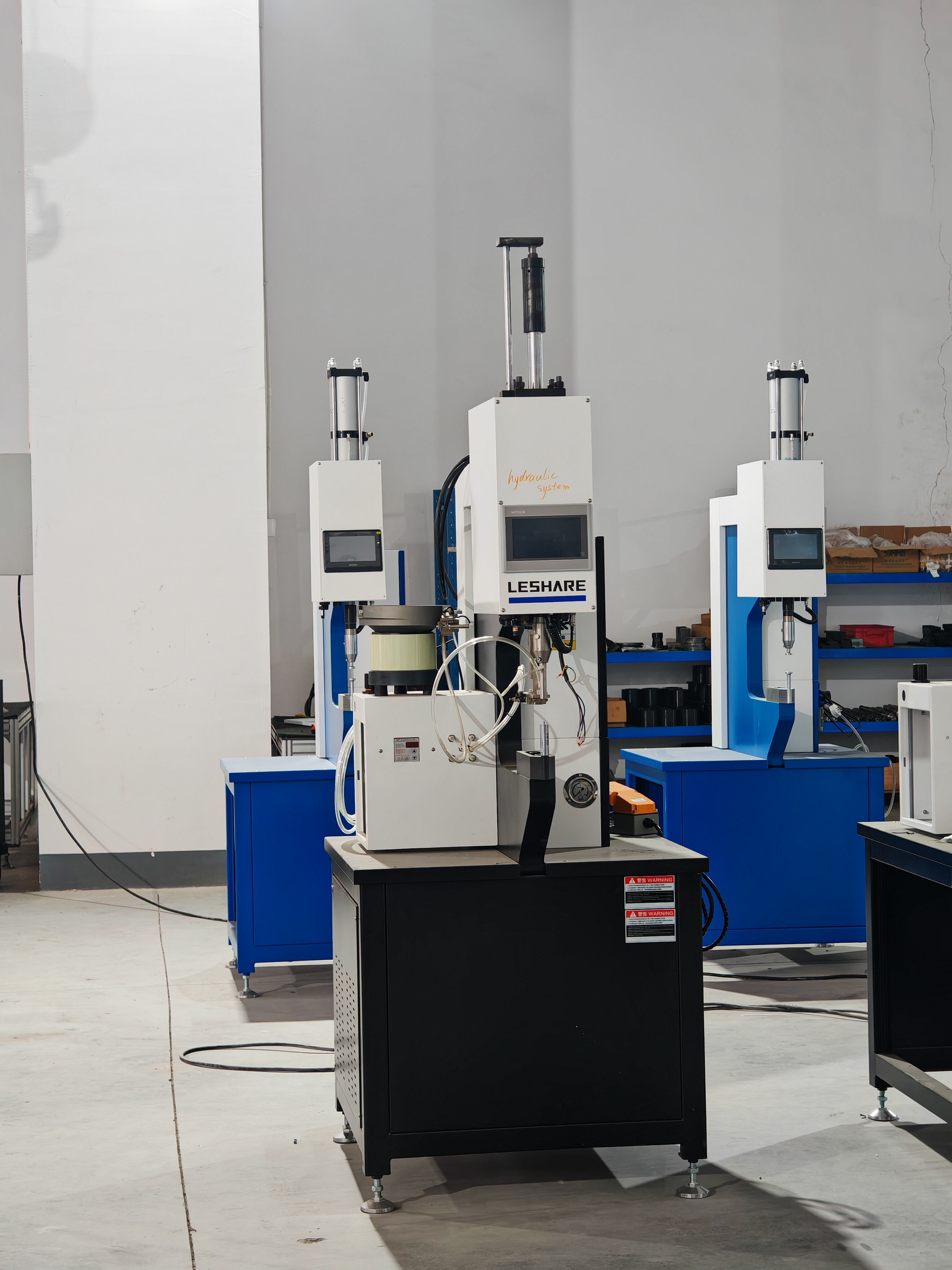
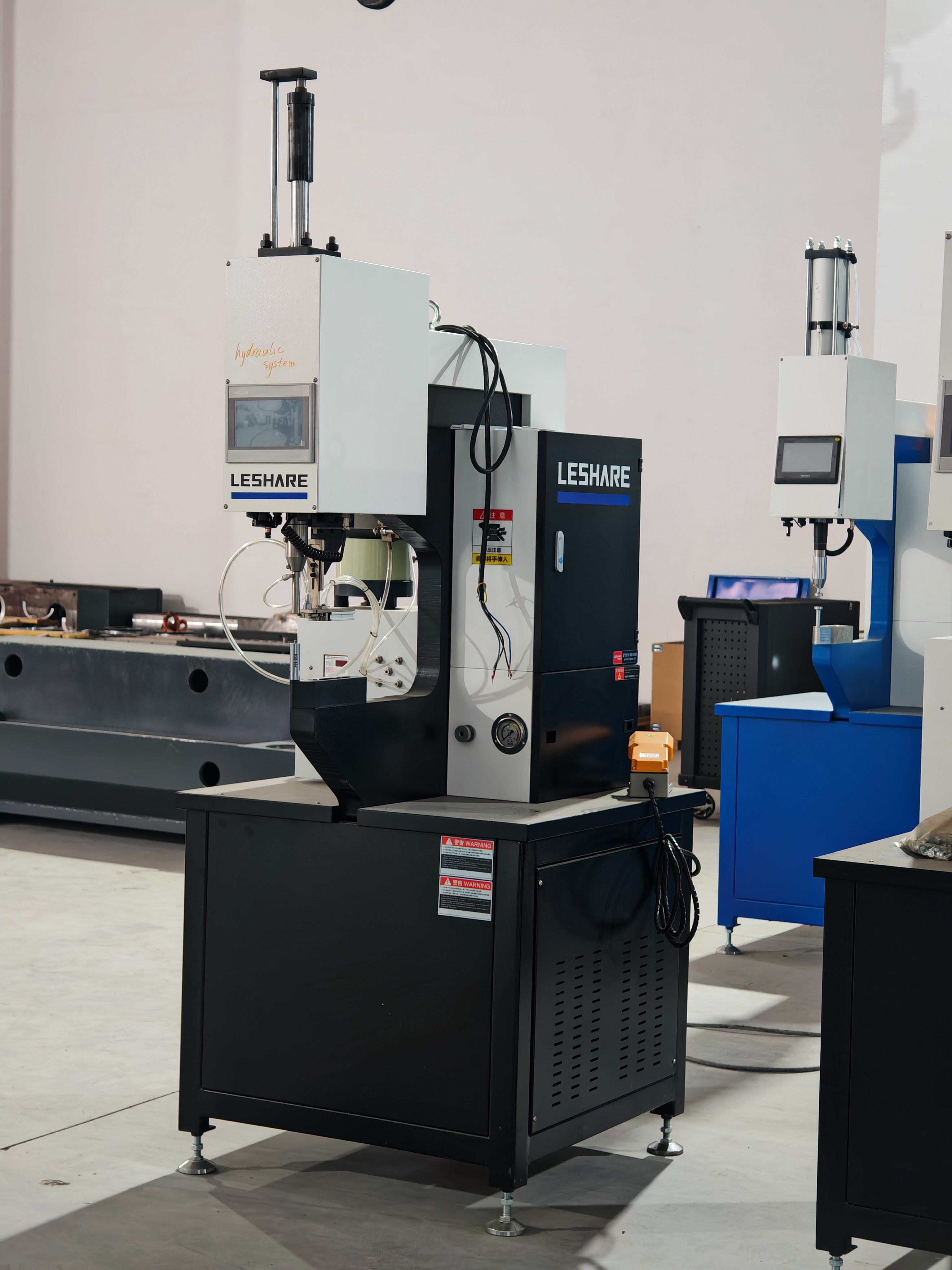
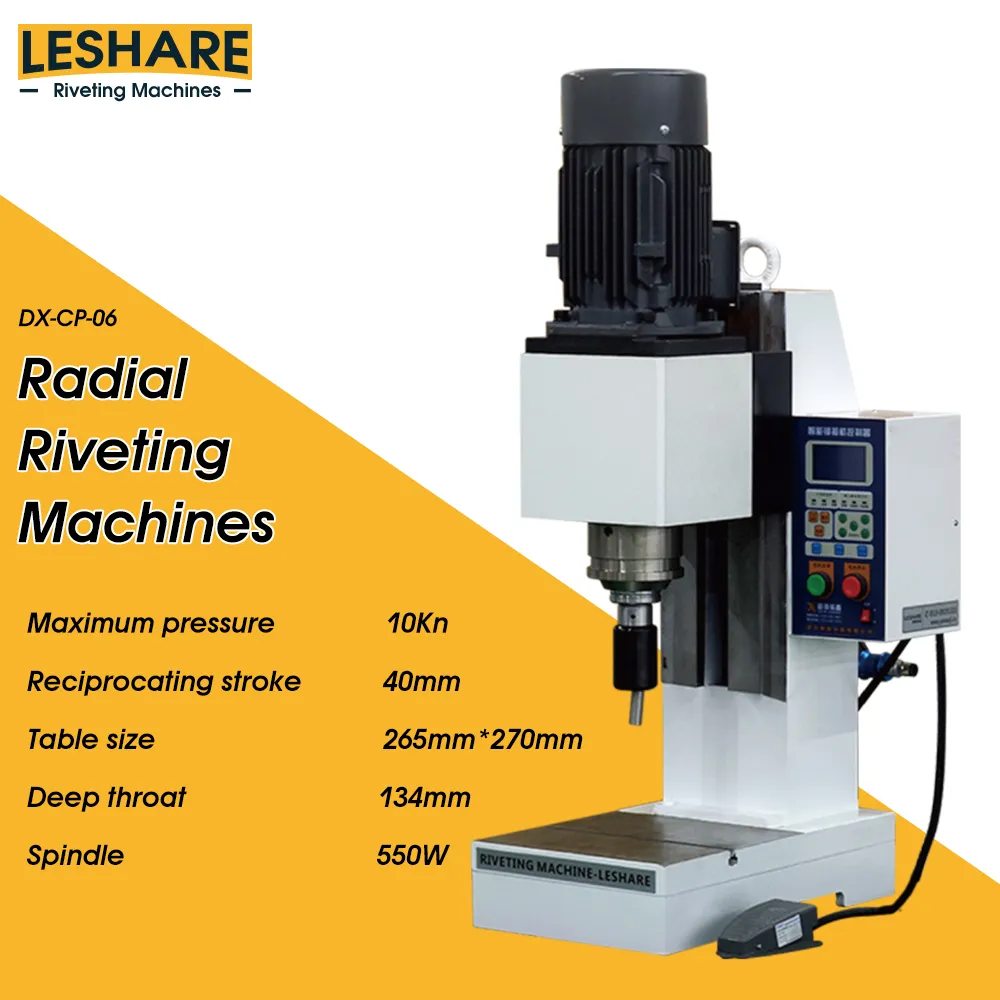
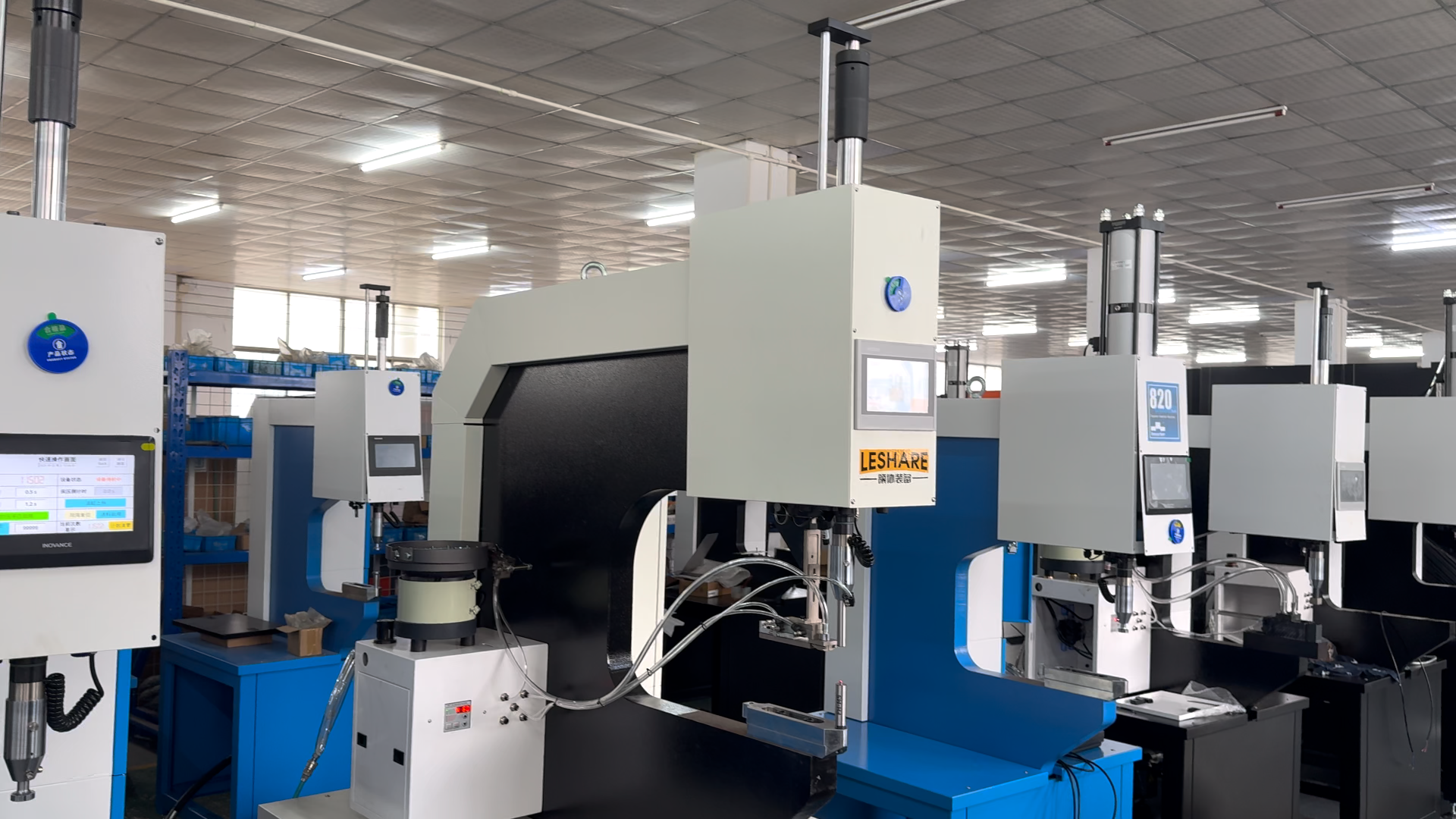
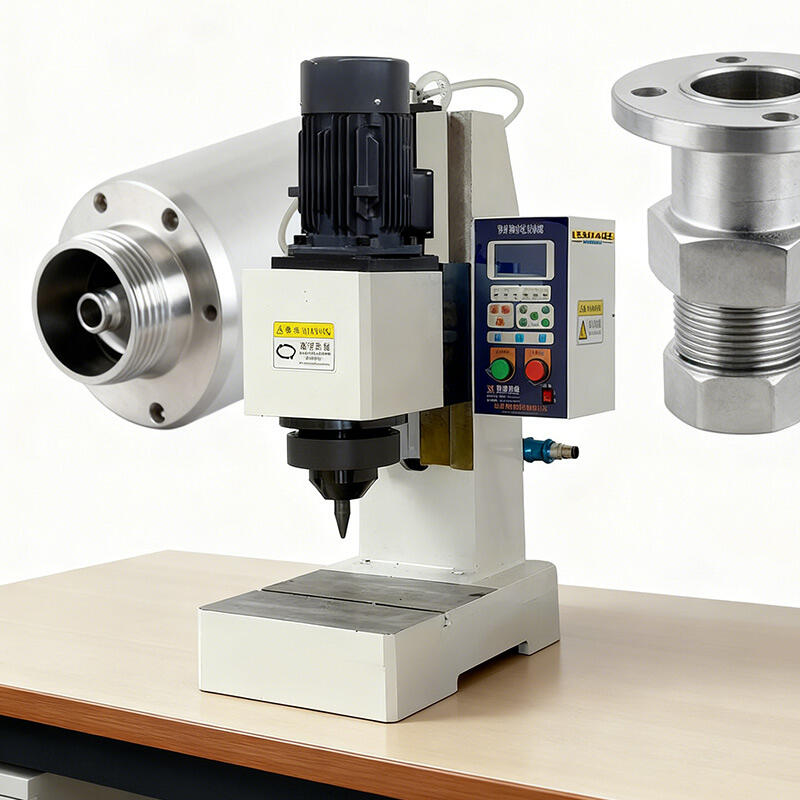
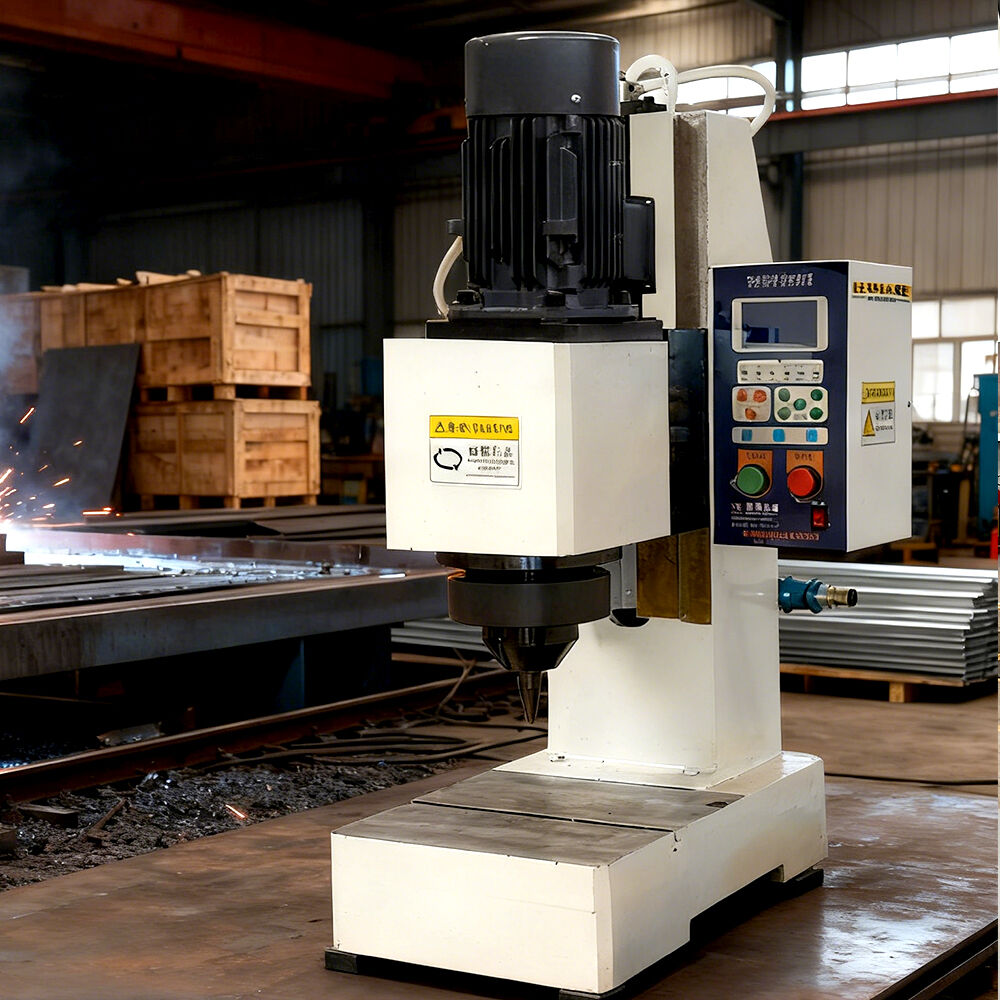
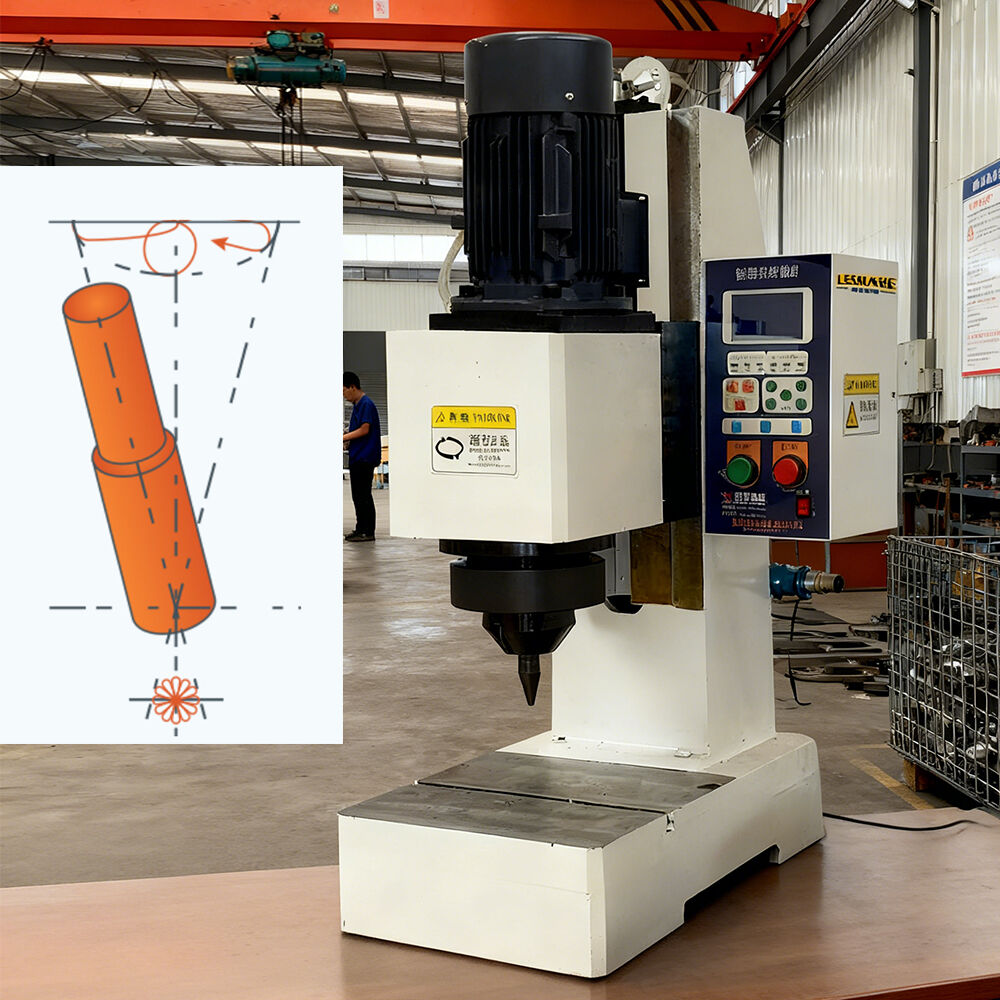
The multi-axis riveting machine represents a groundbreaking advancement in industrial fastening technology, designed to meet the complex assembly requirements of modern manufacturing environments. This sophisticated equipment integrates multiple riveting axes into a single, coordinated system that can simultaneously perform various riveting operations across different planes and angles. Unlike traditional single-axis riveting solutions, the multi-axis riveting machine offers unprecedented flexibility and precision in joining components together. The machine operates through a computer-controlled system that manages multiple riveting heads, each capable of independent movement and operation. These heads can work in perfect synchronization to complete complex assemblies in a fraction of the time required by conventional methods. The core technology behind the multi-axis riveting machine involves advanced servo motors, precision positioning systems, and intelligent control algorithms that ensure consistent rivet placement and optimal force application. Each axis operates with millimeter-level accuracy, guaranteeing reliable joint formation across diverse materials including aluminum, steel, composite materials, and various alloys. The machine accommodates different rivet types and sizes, making it versatile for numerous manufacturing applications. Industrial sectors such as aerospace, automotive, electronics, construction, and appliance manufacturing have embraced the multi-axis riveting machine for its ability to handle intricate assembly patterns and high-volume production requirements. The equipment excels in applications where traditional welding or other joining methods prove inadequate or impractical. Modern multi-axis riveting machines feature intuitive programming interfaces that allow operators to create custom riveting patterns, adjust force parameters, and monitor real-time performance metrics. Safety systems are integrated throughout the machine design, including emergency stops, protective barriers, and automated error detection protocols that prevent damage to both equipment and workpieces during operation.

Popular Products

The multi-axis riveting machine delivers remarkable productivity improvements that transform manufacturing operations across multiple industries. Companies experience significant time savings when this advanced equipment replaces traditional riveting methods, as multiple rivets can be installed simultaneously rather than sequentially. This parallel processing capability often reduces assembly time by sixty to eighty percent compared to conventional single-axis approaches. The precision engineering inherent in multi-axis riveting machines ensures consistent quality output that meets stringent manufacturing standards. Each rivet receives precisely controlled force application, eliminating the variations that commonly occur with manual or semi-automated processes. This consistency translates directly into reduced rework, lower defect rates, and improved customer satisfaction. Operators benefit from simplified workflows since the machine handles complex positioning and force calculations automatically. The intuitive control systems require minimal training, allowing existing workforce to quickly master the technology without extensive retraining programs. Cost efficiency emerges as a primary advantage, with reduced labor requirements and increased throughput generating substantial return on investment. Energy consumption remains optimized through intelligent power management systems that activate individual axes only when needed. The multi-axis riveting machine adapts seamlessly to various production volumes, from prototype development through high-volume manufacturing runs. Flexible programming capabilities accommodate design changes without requiring mechanical modifications or expensive tooling adjustments. Quality assurance becomes more reliable with built-in monitoring systems that track rivet installation parameters and identify potential issues before they affect production quality. Maintenance requirements are minimized through robust construction and predictive maintenance features that alert operators to service needs before failures occur. The compact footprint of modern multi-axis riveting machines optimizes factory floor space utilization while delivering enhanced functionality. Integration with existing production lines occurs smoothly through standardized communication protocols and modular design approaches. Safety improvements protect workers from repetitive strain injuries and exposure to hazardous manual riveting operations, while automated safety systems prevent accidents during machine operation.

Tips And Tricks

How Does a Fastener Insertion Machine Improve Productivity in Metal Fabrication?

11

Dec

How Does a Fastener Insertion Machine Improve Productivity in Metal Fabrication?

In today's competitive metal fabrication industry, manufacturers are constantly seeking innovative solutions to enhance production efficiency while maintaining quality standards. A fastener insertion machine represents a revolutionary advancement tha...
View More
Why Are Electronics Plants Adopting Fastener Insertion Machines for Enclosures?

29

Dec

Why Are Electronics Plants Adopting Fastener Insertion Machines for Enclosures?

Improving the Structural Integrity of Electronic Enclosures In modern electronics plants, manufacturers continually pursue efficiency, precision, and long-term durability in every part of the assembly process. When it comes to electronic enclosures, ...
View More
Why is a nonrotating shaft radial riveter critical in delicate assemblies?

28

Jan

Why is a nonrotating shaft radial riveter critical in delicate assemblies?

In precision manufacturing environments where component integrity and assembly quality determine product success, the choice of joining technology becomes paramount. A nonrotating shaft radial riveter represents a specialized solution engineered spec...
View More
What Maintenance Practices Extend Insertion Machine Life?

18

Mar

What Maintenance Practices Extend Insertion Machine Life?

The longevity of an insertion machine directly impacts manufacturing efficiency and total cost of ownership in automated assembly operations. These precision instruments require systematic care to maintain their operational integrity and deliver cons...
View More

Get a Free Quote

Our representative will contact you soon.
Email
Name
Company Name
Message
0/1000

multi-axis riveting machine

Advanced Simultaneous Multi-Point Riveting Capability

Advanced Simultaneous Multi-Point Riveting Capability

The revolutionary simultaneous multi-point riveting capability of the multi-axis riveting machine fundamentally transforms how manufacturers approach complex assembly operations. This breakthrough technology enables the installation of multiple rivets across different locations and orientations in a single operational cycle, dramatically reducing assembly time while maintaining exceptional precision standards. Traditional riveting approaches require sequential processing, where each rivet must be individually positioned, installed, and verified before moving to the next location. This time-consuming process creates production bottlenecks and limits manufacturing efficiency. The multi-axis riveting machine eliminates these constraints by coordinating multiple independent riveting heads that operate simultaneously across the workpiece. Each axis maintains its own positioning system, force control mechanisms, and quality monitoring capabilities, ensuring that every rivet receives optimal installation parameters regardless of its location or orientation relative to other rivets being installed concurrently. The sophisticated control algorithms manage the timing and coordination between axes, preventing interference while maximizing operational efficiency. This capability proves particularly valuable in aerospace applications where complex structural assemblies require numerous rivets installed at precise locations and angles. Automotive manufacturers benefit from this technology when assembling body panels, chassis components, and interior elements that demand consistent quality across multiple fastening points. The system automatically adjusts for variations in material thickness, rivet specifications, and positioning requirements, maintaining quality standards that exceed manual capabilities. Manufacturers report productivity improvements of up to three hundred percent when implementing multi-axis riveting machines for complex assemblies. The technology also enables new design possibilities, as engineers can specify rivet patterns that would be impractical or impossible with traditional sequential riveting methods. Quality control becomes more consistent since all rivets in a pattern receive identical processing conditions, eliminating the variations that typically occur during extended sequential operations.
Intelligent Precision Control and Quality Assurance Systems

Intelligent Precision Control and Quality Assurance Systems

The intelligent precision control and quality assurance systems integrated into the multi-axis riveting machine establish new benchmarks for manufacturing accuracy and reliability in fastening operations. These sophisticated systems combine advanced sensor technology, real-time data processing, and predictive algorithms to monitor and control every aspect of the riveting process with unprecedented precision. The control system continuously monitors rivet installation forces, positioning accuracy, material deformation, and joint integrity throughout each operation cycle. Servo-controlled positioning systems achieve repeatability within micrometers, ensuring consistent rivet placement even across thousands of operational cycles. Force feedback mechanisms automatically adjust installation parameters based on real-time material response, compensating for variations in material properties, thickness tolerances, and environmental conditions. The quality assurance framework includes comprehensive data logging that creates detailed records of every rivet installation, enabling full traceability and statistical process control. Automated inspection systems verify rivet head formation, shank expansion, and joint integrity immediately after installation, identifying any deviations from specification before the workpiece advances to subsequent operations. Machine learning algorithms analyze historical performance data to optimize operational parameters and predict maintenance requirements, minimizing unplanned downtime while maximizing output quality. The system interfaces seamlessly with enterprise quality management systems, providing real-time reporting and statistical analysis capabilities that support continuous improvement initiatives. Operators receive immediate feedback through intuitive displays that highlight performance metrics, quality trends, and any corrective actions required. The precision control extends to material handling, with automated feeding systems that ensure consistent rivet orientation and proper seating before installation begins. Environmental compensation features adjust for temperature variations, humidity effects, and other factors that could influence material properties or dimensional stability. These intelligent systems reduce operator skill requirements while simultaneously improving quality outcomes, making advanced riveting technology accessible to manufacturers with varying levels of technical expertise.
Modular Design and Seamless Production Line Integration

Modular Design and Seamless Production Line Integration

The modular design philosophy and seamless production line integration capabilities of the multi-axis riveting machine deliver exceptional flexibility and scalability for modern manufacturing environments. This thoughtful engineering approach enables manufacturers to configure the equipment precisely to their specific operational requirements while maintaining the ability to adapt and expand capabilities as production needs evolve. The modular architecture allows individual riveting axes to be added, removed, or repositioned without requiring complete system redesign or extensive downtime. Standardized interfaces ensure compatibility between different modules and enable rapid reconfiguration for new products or production requirements. The base platform accommodates various configurations, from compact two-axis systems suitable for small assemblies through extensive multi-axis installations capable of handling large structural components. Integration with existing production lines occurs through standardized communication protocols including Ethernet/IP, Profibus, and other industrial networking standards that enable seamless data exchange with upstream and downstream equipment. Conveyor interfaces, robotic integration points, and automated material handling connections are designed using industry-standard specifications that minimize integration complexity and reduce implementation time. The control system architecture supports distributed processing, allowing individual modules to operate autonomously while maintaining coordination with the overall system controller. This approach enhances reliability by preventing single points of failure while enabling partial operation during maintenance activities. Manufacturers benefit from reduced capital investment requirements since they can implement multi-axis riveting technology incrementally, starting with core capabilities and expanding as production volumes or complexity requirements increase. The modular approach also simplifies maintenance and service operations, as individual components can be serviced or replaced without affecting the entire system. Standardized tooling interfaces accommodate various rivet types, sizes, and installation requirements without requiring custom engineering or lengthy changeover procedures. The system supports both dedicated production line installations and flexible manufacturing cell configurations where the multi-axis riveting machine serves multiple product lines. Advanced scheduling and batching capabilities optimize throughput while minimizing changeover time between different products or configurations. Remote monitoring and diagnostic capabilities enable predictive maintenance and technical support, reducing the need for on-site service visits while maximizing equipment availability and performance consistency.

Get a Free Quote

Our representative will contact you soon.
Email
Name
Company Name
Message
0/1000