יכולת סגירה מתקדמת במספר נקודות בו זמנית
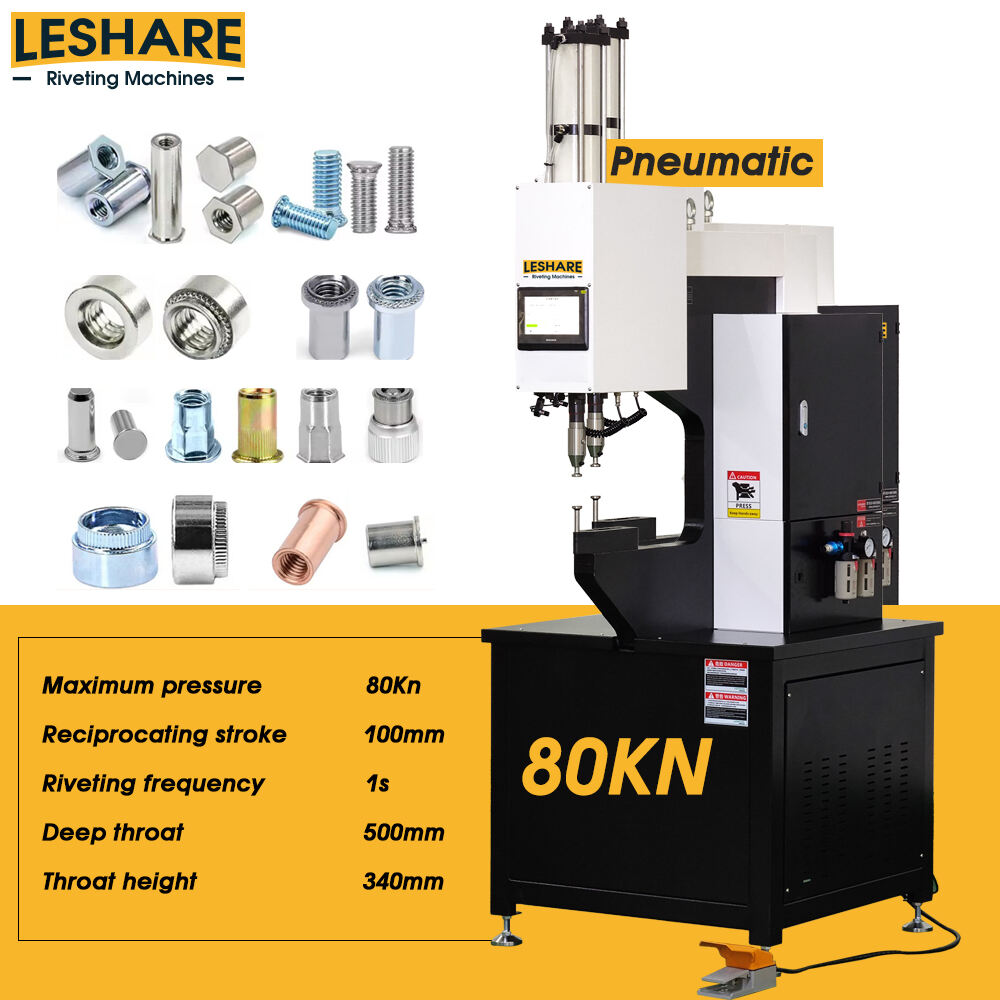
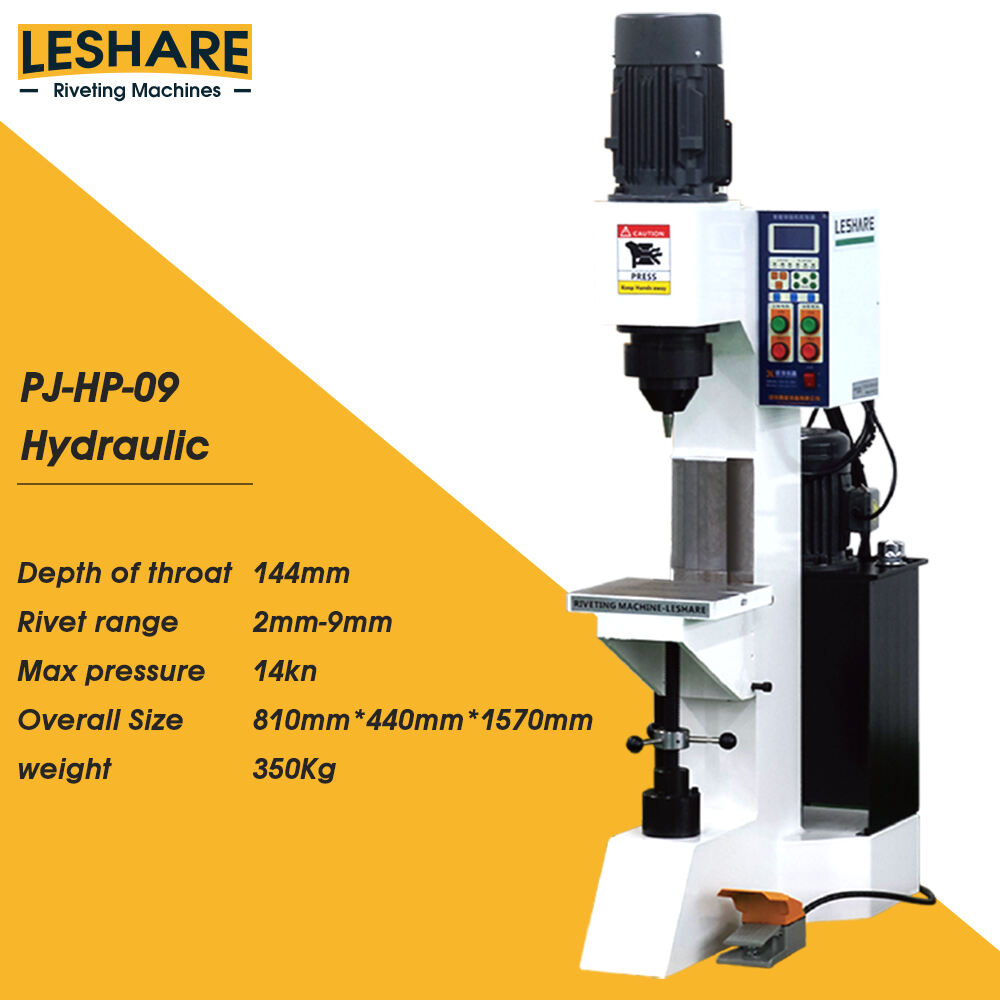
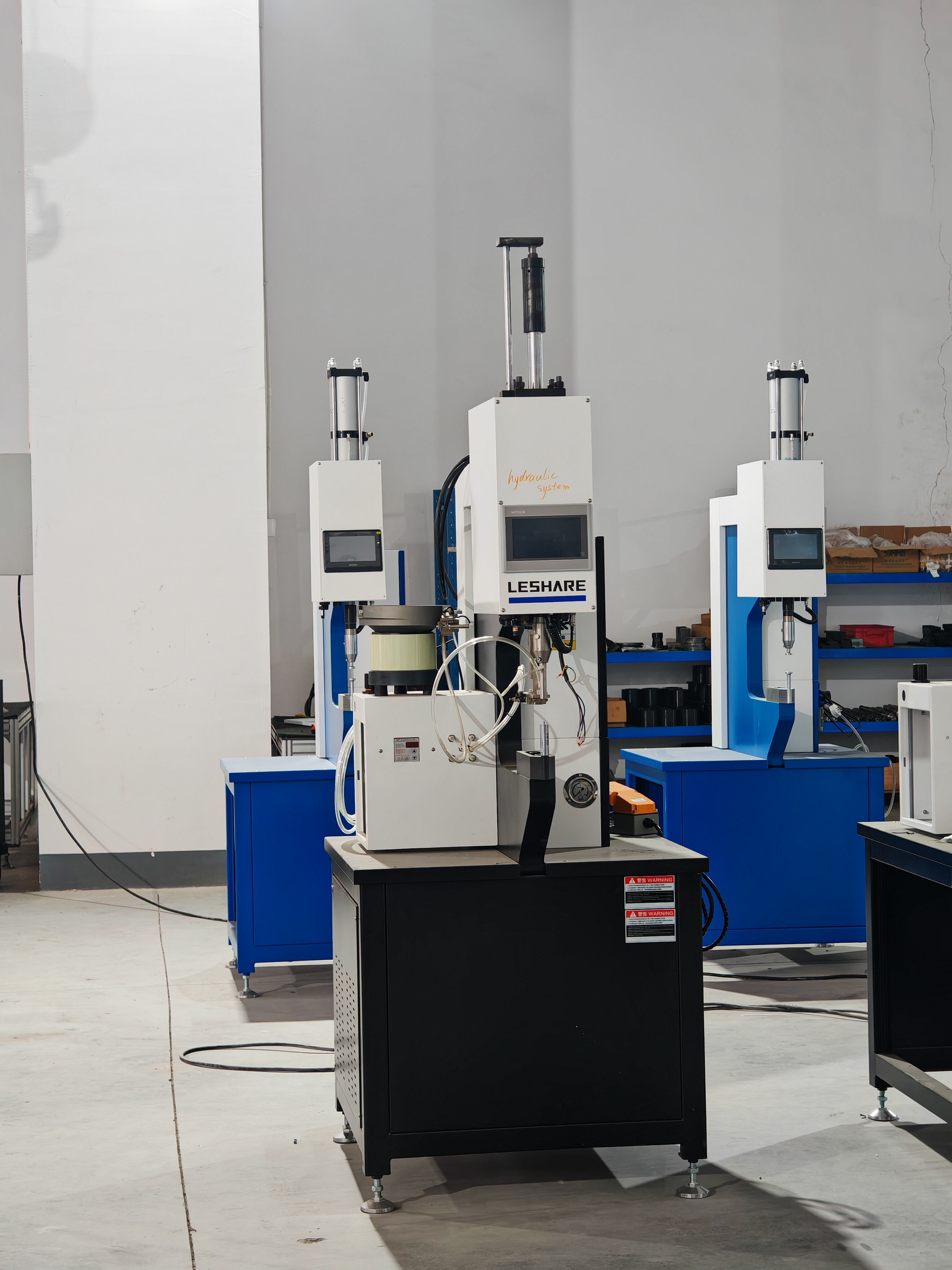
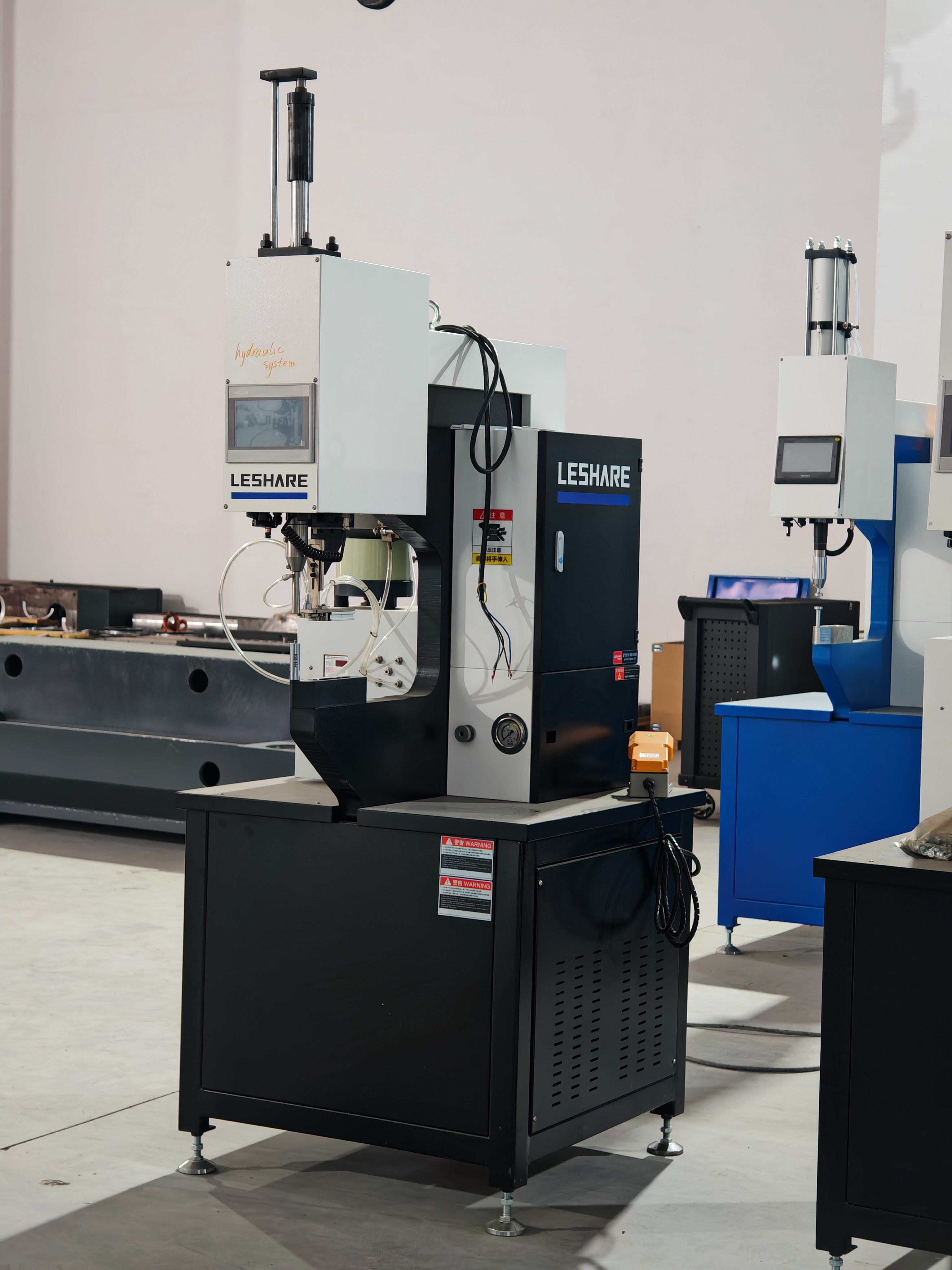
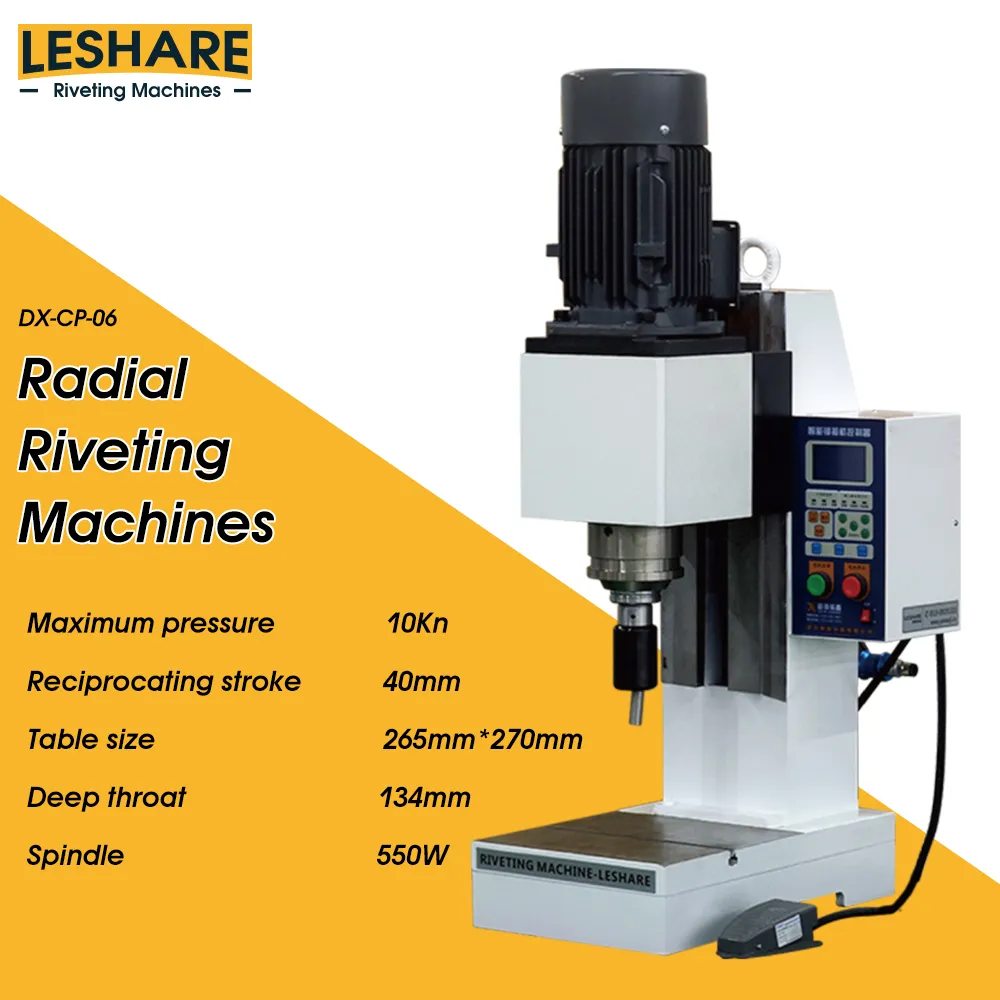
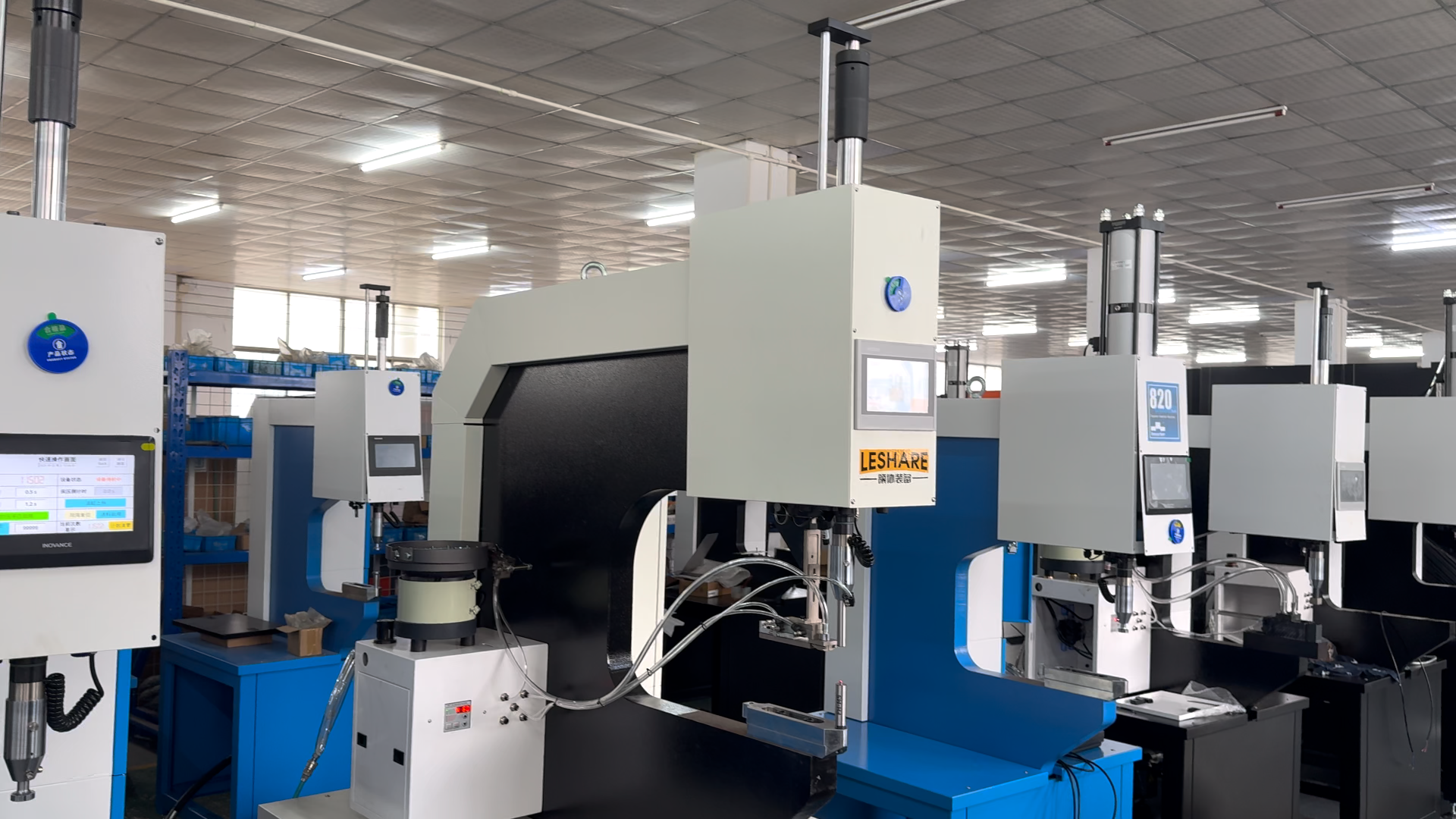
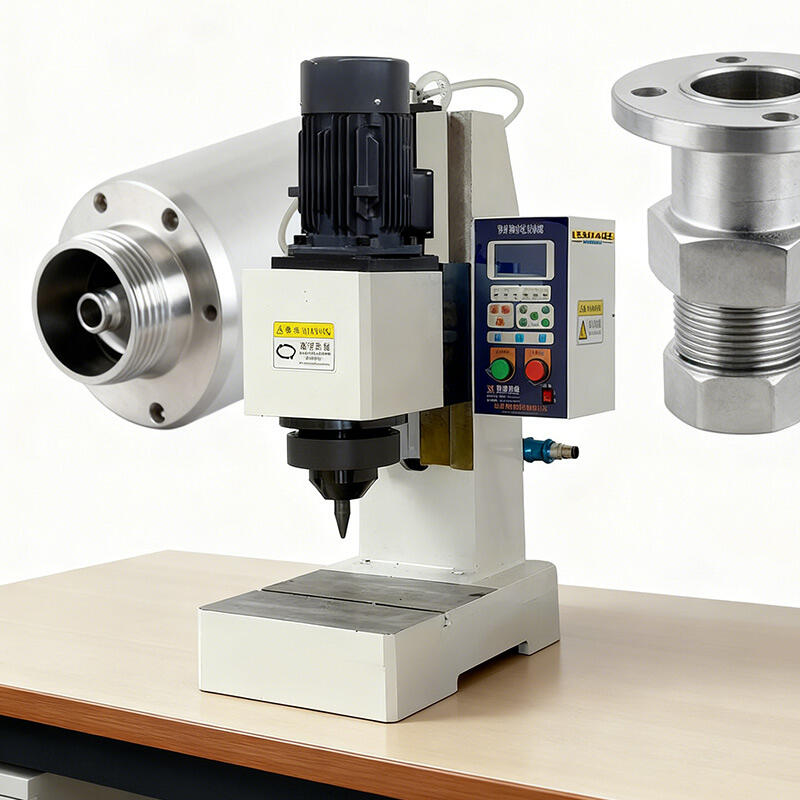
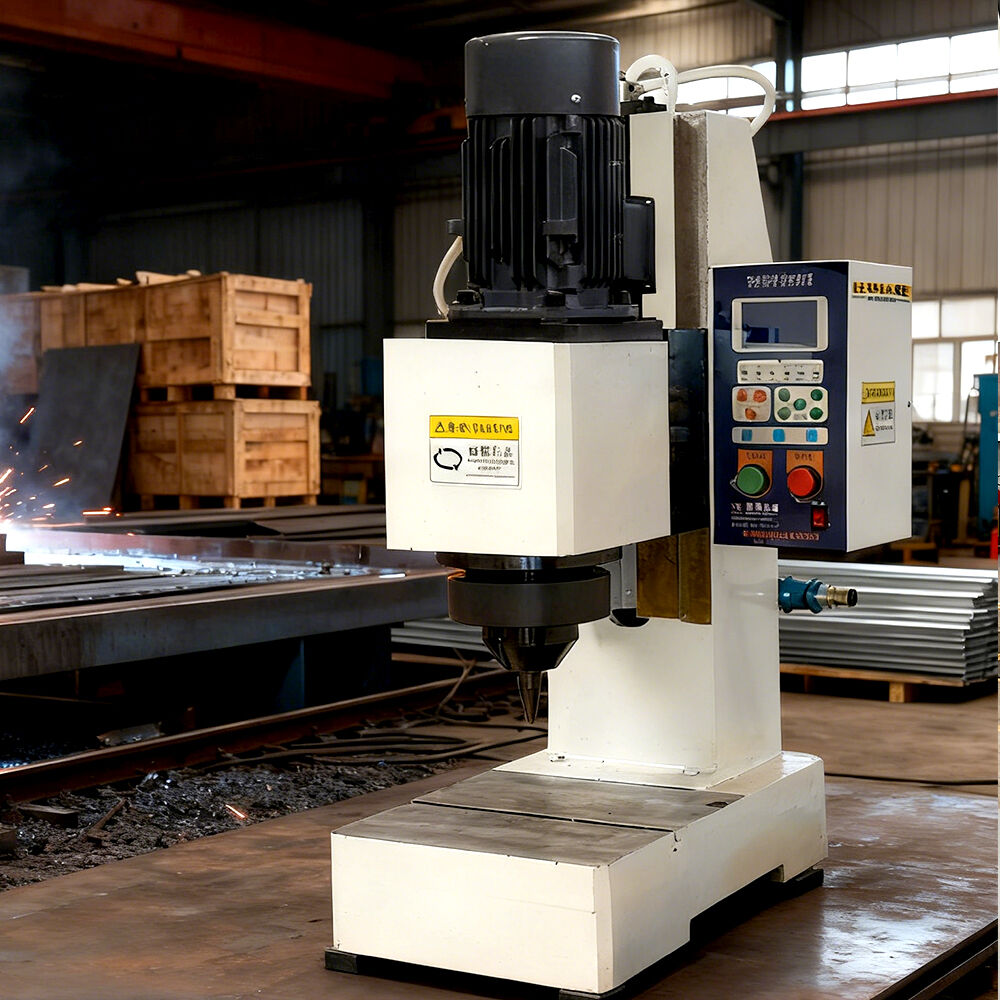
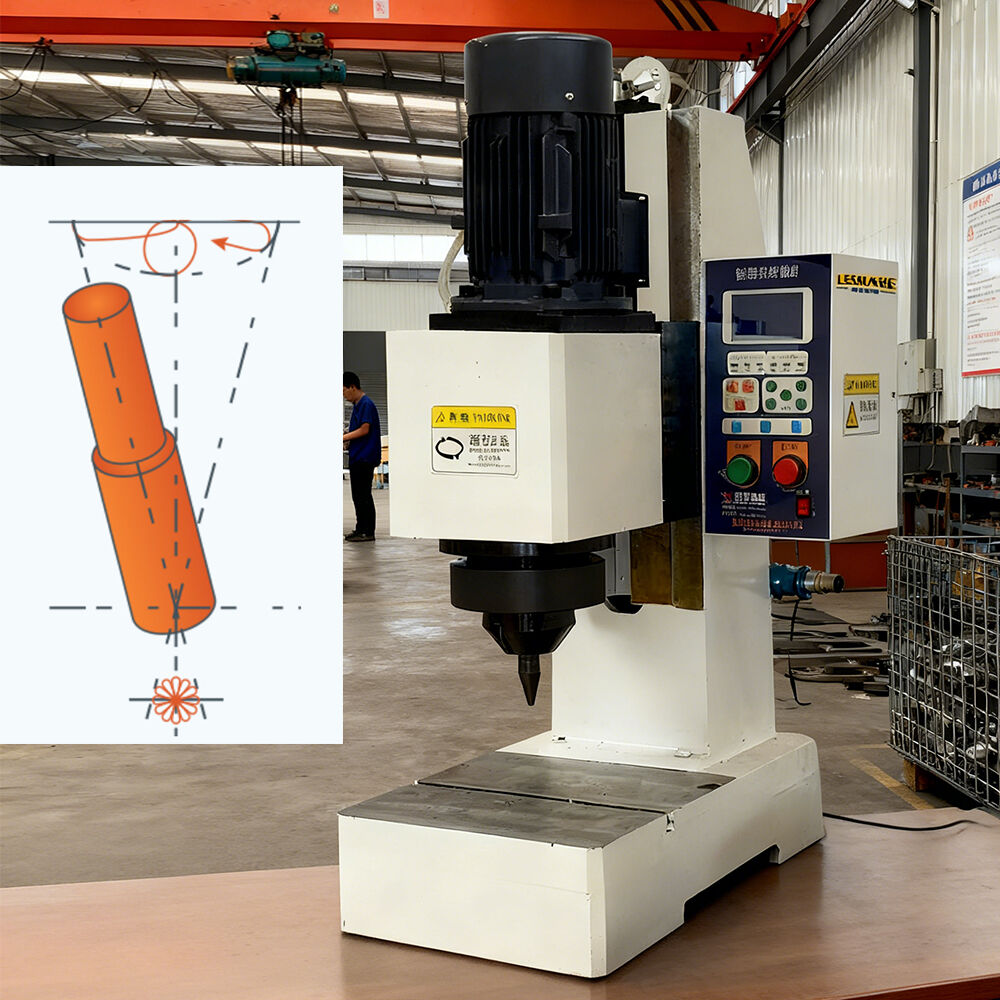
היכולת המהפכנית של מכונת הסגירה הרב-צירית לסגור מספר ספיגות בו זמנית, בנקודות מרובות, משנה באופן יסודי את הדרך שבה יצרנים מתמודדים עם פעולות הרכבה מורכבות. טכנולוגיה מהפכנית זו מאפשרת התקנת מספר ספיגות במיקומים ונשאות שונים בתוך מחזור פעולה אחד, ובכך מקצרים באופן דרמטי את זמן ההרכבה תוך שמירה על תקני דיוק יוצאי דופן. שיטות הסגירה המסורתיות דורשות עיבוד סדרתי, שבו כל ספיגה חייבת להיות ממוקמת, מותקנת ומאושרת בנפרד לפני מעבר למיקום הבא. תהליך האטי הזה יוצר צוואר בקבוק בייצור ומגביל את יעילות היצרנות. מכונת הסגירה הרב-צירית מבטלת את האילוצים הללו באמצעות שילוב של מספר ראשי סגירה עצמאיים הפועלים בו זמנית על פני חלקי העבודה. כל ציר שומר על מערכת מיקום משלה, מנגנוני פיקוח על הכוח ועל איכות, ומבטיח שכל ספיגה מקבלת את פרמטרי ההתקנה האופטימליים, ללא קשר למיקומה או לנשאתה ביחס לספיגות האחרות שהותקנו בו זמנית. אלגוריתמי הבקרה המורכבים מנהלים את הזמנים ואת הקואורדינציה בין הצירים, מונעים התערבות הדדית ומקסמים את היעילות הפעולה. יכולת זו נמצאת בשימוש רב ביישומים באווירונאוטיקה, שם הרכבות מבניות מורכבות דורשות התקנת מספר רב של ספיגות במיקומים וזויות מדויקים. יצרני רכב נהנים מהטכנולוגיה הזו בעת הרכבת לוחות גוף, רכיבי שזירה ורכיבי פנים שדורשים איכות אחידה לאורך מספר נקודות קשירה. המערכת מתאימה אוטומטית את עצמה לשינויים בעובי החומר, בפרמטרי הספיגות ובדרישות המיקום, ומשמרת תקני איכות שמעל לכישורים האנושיים. יצרנים דיווחו על שיפור בתפוקה של עד שלוש מאות אחוזים לאחר יישום מכונות הסגירה הרב-ציריות בהרכבות מורכבות. הטכנולוגיה מאפשרת גם אפשרויות עיצוב חדשות, שכן מהנדסים יכולים לציין תבניות ספיגות שלא היו מעשיות או בלתי אפשריות בשיטות הסגירה הסדרתיות המסורתיות. ביקורת האיכות נעשית עקבית יותר, מאחר שכולן הספיגות בתבנית אחת נחשפות לתנאי עיבוד זהים, ובכך נמנעת השונות שמתפתחת בדרך כלל במהלך פעולות סדרתיות ארוכות.
 EN
EN