Semiautomatic Fastener Insertion Machine - Advanced Manufacturing Solution for Precision Assembly

Get a Free Quote

Our representative will contact you soon.
Email
Name
Company Name
Message
0/1000

semiautomatic fastener insertion machine

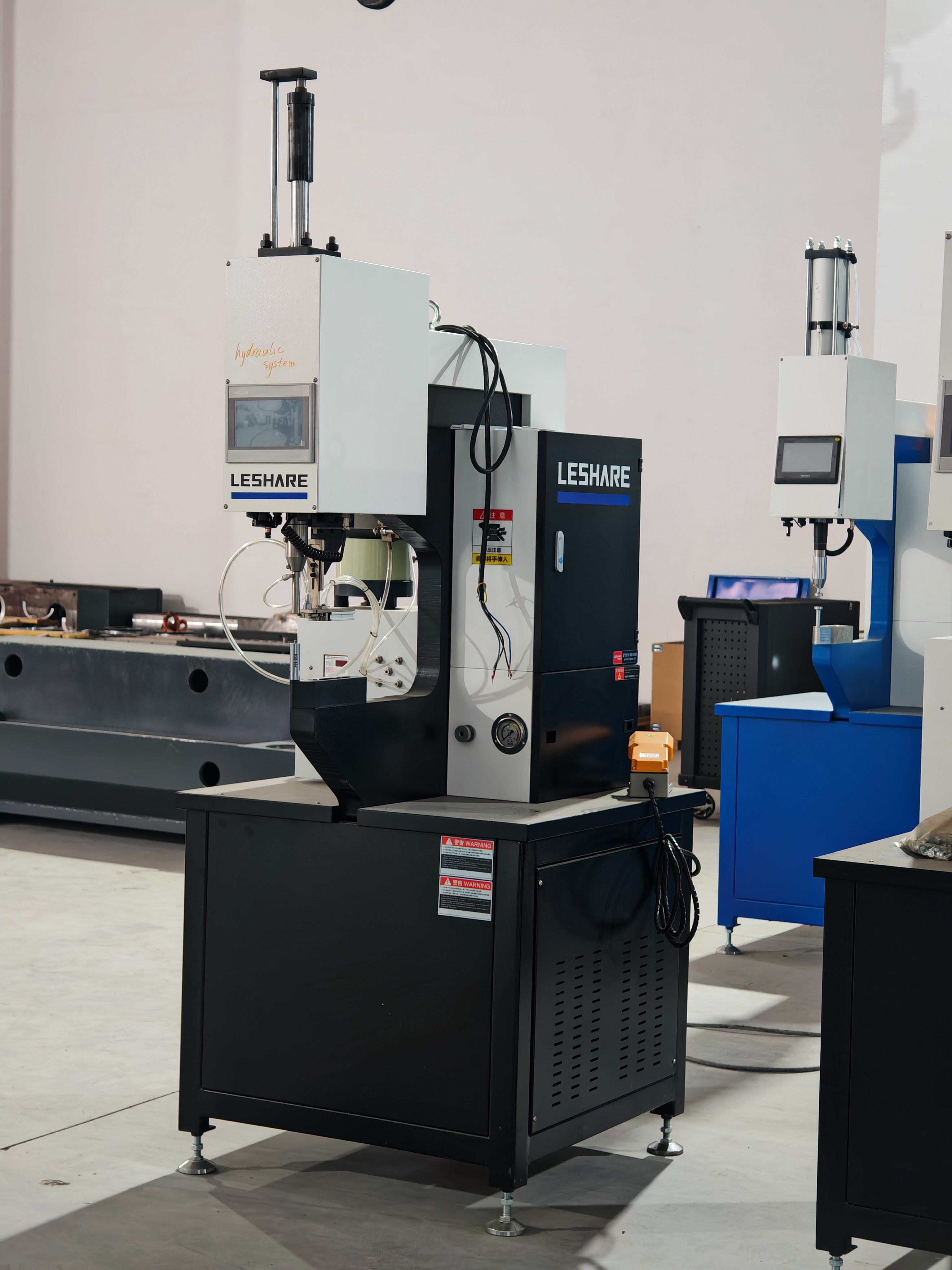
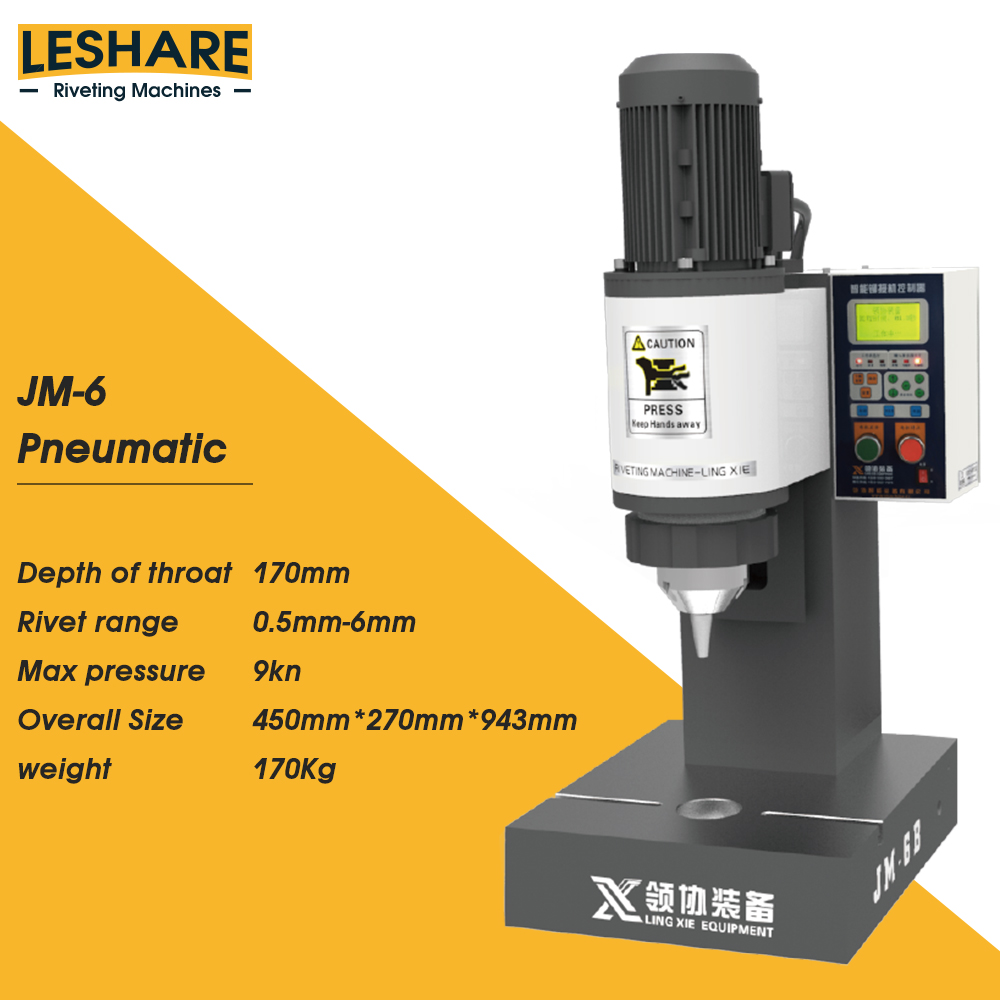
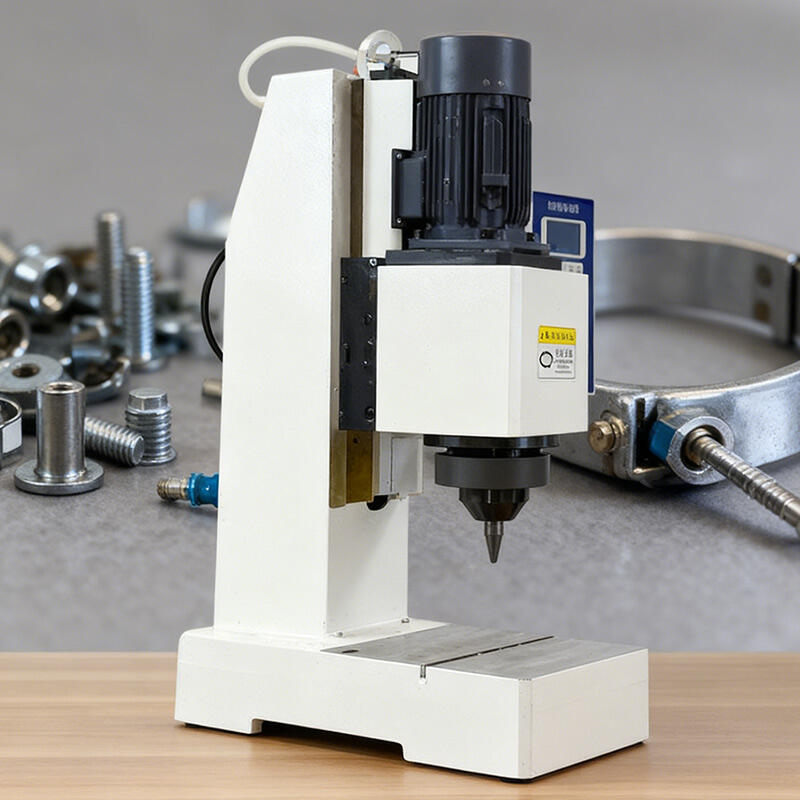
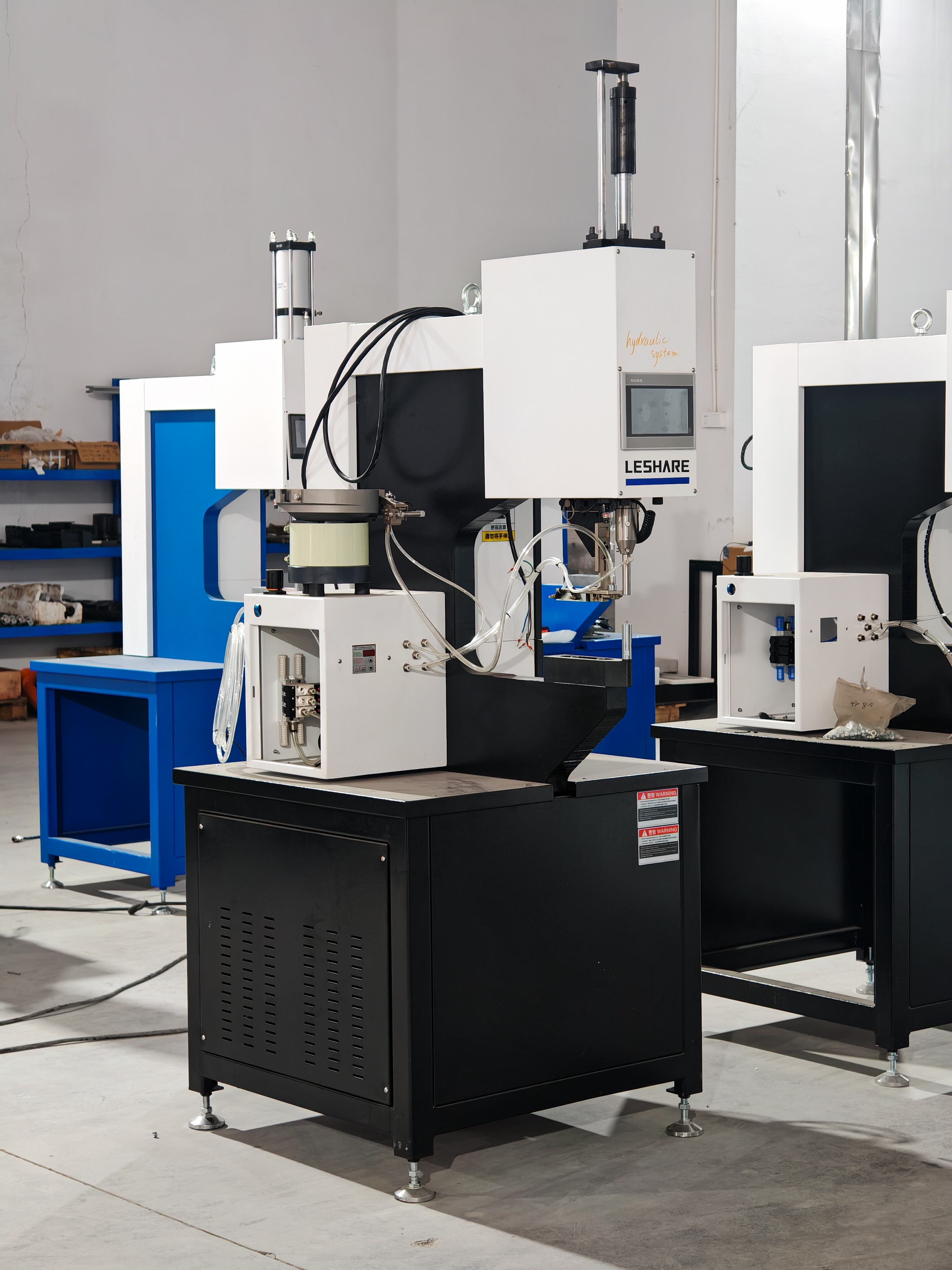
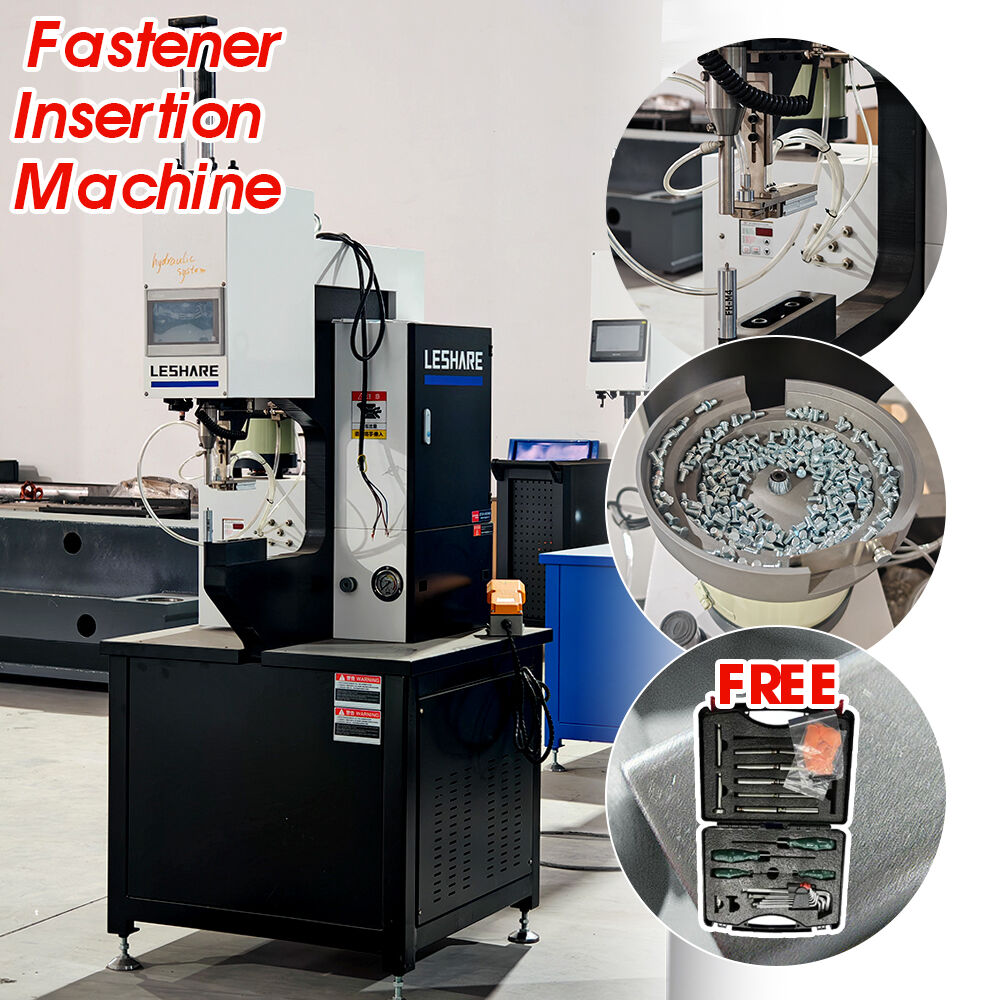
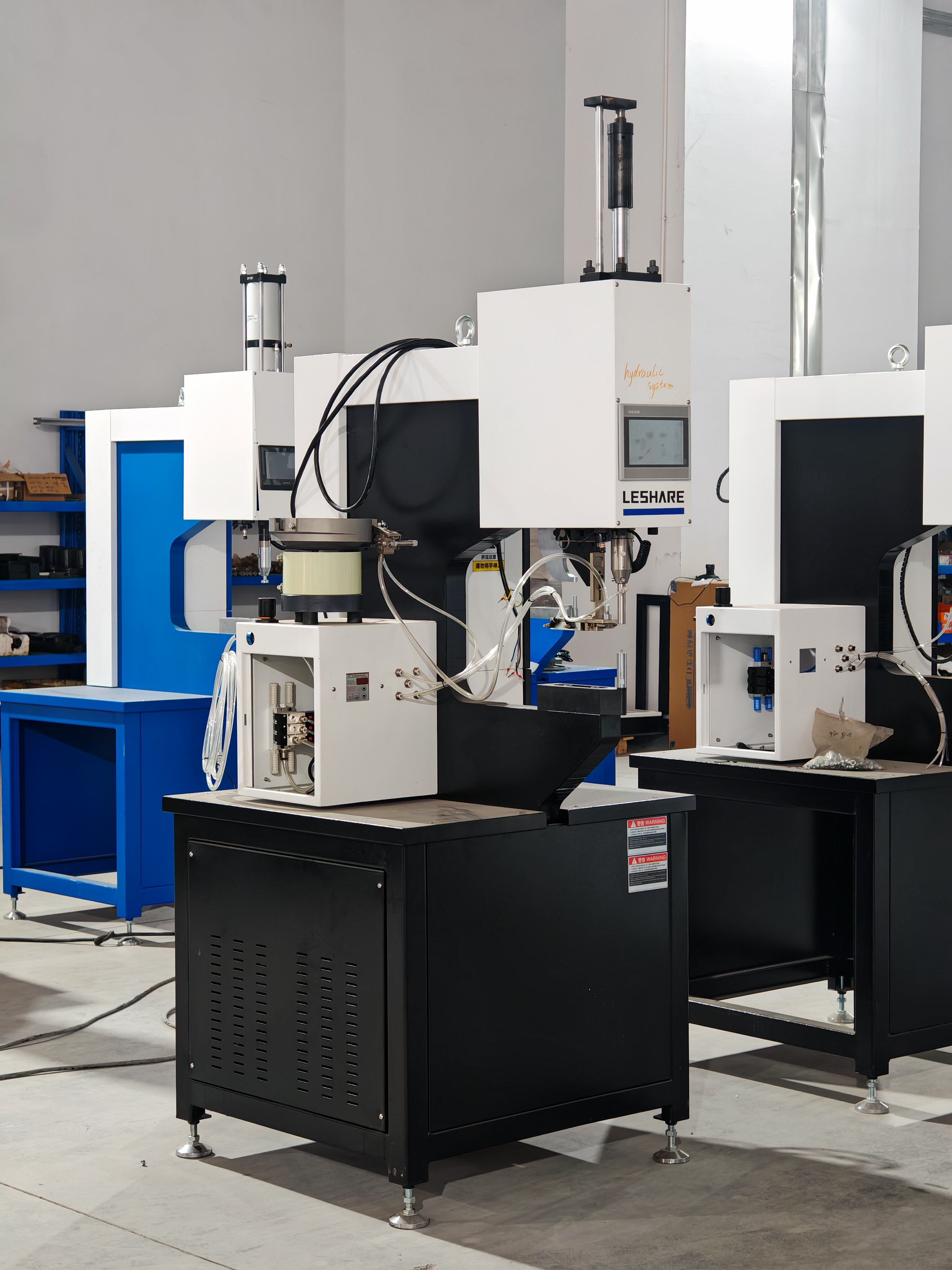
The semiautomatic fastener insertion machine represents a revolutionary advancement in manufacturing technology, designed to streamline and optimize the process of inserting various types of fasteners into materials with exceptional precision and efficiency. This sophisticated equipment combines automated functionality with operator control, creating an ideal balance between speed and accuracy that meets the demanding requirements of modern production environments. The machine's primary function centers on the automated placement and insertion of fasteners such as screws, bolts, rivets, and specialized connectors into predetermined locations on workpieces. Through its advanced positioning system, the semiautomatic fastener insertion machine ensures consistent placement accuracy while maintaining high throughput rates that significantly exceed manual installation methods. The technological framework of this equipment incorporates state-of-the-art servo motors, precision guidance systems, and intelligent control algorithms that work in harmony to deliver repeatable results. The machine features programmable insertion parameters, allowing operators to customize force settings, insertion depth, and positioning coordinates according to specific project requirements. Its modular design enables easy adaptation to various fastener types and sizes, making it versatile enough to handle diverse manufacturing applications. The control interface provides real-time monitoring capabilities, displaying insertion force data, cycle counts, and quality metrics that help maintain consistent production standards. Safety mechanisms are integrated throughout the system, including emergency stops, protective barriers, and force-limiting controls that prevent damage to both the workpiece and the machine itself. The semiautomatic fastener insertion machine finds extensive applications across multiple industries, including automotive manufacturing, aerospace assembly, electronics production, and furniture construction. In automotive applications, it excels at installing fasteners in dashboard assemblies, door panels, and engine components where precision and reliability are paramount. Aerospace manufacturers utilize this technology for critical structural assemblies where fastener placement accuracy directly impacts safety and performance standards.

Popular Products

The semiautomatic fastener insertion machine delivers substantial operational benefits that transform manufacturing processes and enhance overall productivity. This equipment reduces labor costs significantly by automating repetitive fastening tasks that traditionally required skilled workers to perform manually. Operators can achieve insertion rates up to five times faster than manual methods, allowing companies to meet tight production deadlines while maintaining superior quality standards. The machine eliminates human error factors that commonly occur during manual fastening operations, such as inconsistent insertion depths, misaligned placements, and variable torque applications. This consistency translates directly into improved product quality and reduced warranty claims, protecting brand reputation and customer satisfaction levels. The ergonomic design of the semiautomatic fastener insertion machine reduces worker fatigue and repetitive strain injuries that often result from manual fastening operations. Employees can operate the equipment with minimal physical exertion, creating a safer and more comfortable work environment that improves job satisfaction and reduces healthcare costs. Training requirements are minimal due to the intuitive control interface and straightforward operation procedures, enabling quick integration into existing production workflows. The machine's flexibility allows manufacturers to handle multiple fastener types and sizes without extensive retooling, reducing changeover times and increasing overall equipment effectiveness. Quality control capabilities built into the system provide immediate feedback on insertion parameters, enabling operators to detect and correct issues before they affect large production quantities. This real-time monitoring prevents costly rework and material waste that can severely impact profit margins. Maintenance requirements are minimal thanks to robust construction and high-quality components that ensure reliable operation over extended periods. The modular design facilitates easy access to critical components for routine servicing, minimizing downtime and maintaining consistent production schedules. Energy consumption is optimized through efficient motor control systems that reduce operational costs while supporting environmental sustainability initiatives. The compact footprint of the semiautomatic fastener insertion machine allows integration into existing production lines without extensive facility modifications, making it an attractive option for manufacturers seeking to upgrade their capabilities without major capital investments.

Practical Tips

Why Are Electronics Plants Adopting Fastener Insertion Machines for Enclosures?

29

Dec

Why Are Electronics Plants Adopting Fastener Insertion Machines for Enclosures?

Improving the Structural Integrity of Electronic Enclosures In modern electronics plants, manufacturers continually pursue efficiency, precision, and long-term durability in every part of the assembly process. When it comes to electronic enclosures, ...
View More
How can radial riveting machines reduce failure rates in mass production?

28

Jan

How can radial riveting machines reduce failure rates in mass production?

Manufacturing industries constantly seek solutions to minimize production failures and enhance product reliability. Radial riveting machines have emerged as a critical technology for achieving superior joint quality in mass production environments. T...
View More
How to implement lowspeed radial riveting in automated production lines?

26

Feb

How to implement lowspeed radial riveting in automated production lines?

Manufacturing excellence in modern production environments demands precision joining techniques that deliver consistent results while maintaining operational efficiency. Lowspeed radial riveting has emerged as a cornerstone technology for automated a...
View More
What Are the Key Benefits of Using a Fastener Insertion Machine?

18

Mar

What Are the Key Benefits of Using a Fastener Insertion Machine?

Manufacturing efficiency has become a critical factor for businesses seeking competitive advantages in today's industrial landscape. A fastener insertion machine represents a transformative solution that automates the precise placement of threaded in...
View More

Get a Free Quote

Our representative will contact you soon.
Email
Name
Company Name
Message
0/1000

semiautomatic fastener insertion machine

Precision Control System with Advanced Monitoring

Precision Control System with Advanced Monitoring

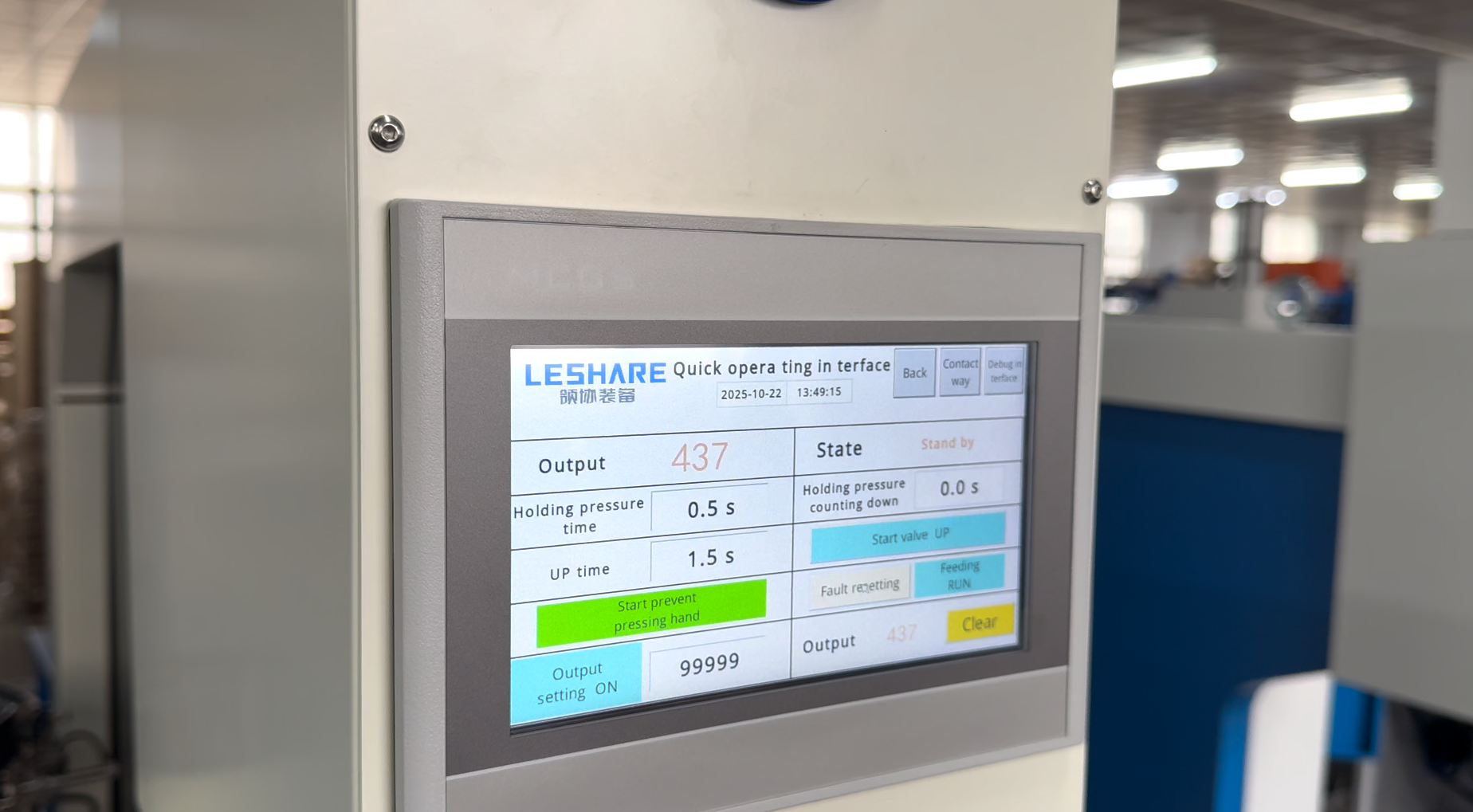
The semiautomatic fastener insertion machine incorporates a sophisticated precision control system that sets new standards for accuracy and reliability in fastener installation processes. This advanced monitoring capability represents one of the most significant advantages for manufacturers seeking consistent, high-quality results in their production operations. The system utilizes high-resolution encoders and advanced feedback mechanisms to monitor insertion force, depth, and alignment in real-time, ensuring every fastener meets exact specifications without deviation. The control interface displays comprehensive data including torque values, insertion speeds, and positioning coordinates, allowing operators to make immediate adjustments when necessary. This level of precision eliminates the guesswork associated with manual fastening operations and provides documented proof of quality for compliance requirements. The monitoring system stores historical data for each insertion cycle, creating valuable records that support quality assurance protocols and enable trend analysis for continuous improvement initiatives. Manufacturers can establish preset parameters for different fastener types and materials, ensuring consistent results regardless of operator experience levels. The system automatically detects anomalies such as cross-threading, insufficient insertion depth, or excessive resistance, triggering alerts that prevent defective assemblies from progressing through the production line. This proactive approach to quality control significantly reduces warranty claims and enhances customer satisfaction by delivering products that meet or exceed expectations. The precision control system also optimizes insertion parameters automatically based on material characteristics and fastener specifications, reducing setup times and eliminating the trial-and-error approach often required with manual methods. Advanced algorithms calculate optimal insertion speeds and forces to prevent damage to delicate components while ensuring secure fastener placement. The system's ability to maintain consistent performance across thousands of cycles makes it invaluable for high-volume production environments where reliability and repeatability are essential for success.
Versatile Fastener Compatibility and Quick Changeover

Versatile Fastener Compatibility and Quick Changeover

The remarkable versatility of the semiautomatic fastener insertion machine in handling diverse fastener types and sizes represents a game-changing advantage for manufacturers operating in dynamic production environments. This adaptability eliminates the need for multiple specialized machines, reducing capital equipment costs while maximizing floor space utilization efficiency. The machine accommodates an extensive range of fasteners including standard screws, self-tapping screws, machine screws, bolts, rivets, threaded inserts, and specialized automotive fasteners without requiring complex modifications or expensive tooling changes. The quick changeover system enables operators to switch between different fastener types in minutes rather than hours, dramatically improving production flexibility and responsiveness to customer demands. This capability proves especially valuable for manufacturers producing multiple product lines or handling custom orders that require frequent specification changes. The modular tooling system allows easy adaptation to unique fastener configurations, ensuring compatibility with proprietary or specialized components that may be critical to specific applications. Engineering teams can configure the machine to handle fasteners ranging from miniature electronics screws measuring just a few millimeters to large automotive bolts exceeding several inches in length. The system automatically adjusts insertion parameters when operators select different fastener types through the user interface, eliminating manual calculations and reducing the risk of setup errors. This intelligent adaptation includes automatic adjustment of insertion speed, torque limits, and depth settings based on predetermined profiles for each fastener type. The versatility extends to material compatibility as well, with the machine capable of installing fasteners into metals, plastics, composites, and multi-layer assemblies with equal precision and reliability. Manufacturers benefit from reduced inventory requirements since a single machine can handle the full range of fasteners used in their operations, simplifying procurement processes and reducing storage costs. The ability to process mixed fastener sequences within the same production run enhances operational efficiency and reduces work-in-process inventory levels that tie up working capital.
Enhanced Safety Features and Operator Protection

Enhanced Safety Features and Operator Protection

Safety represents a paramount concern in modern manufacturing environments, and the semiautomatic fastener insertion machine delivers comprehensive protection features that safeguard both operators and equipment while maintaining optimal productivity levels. These integrated safety mechanisms exceed industry standards and demonstrate the manufacturer's commitment to creating a secure working environment that minimizes risk exposure and potential liability issues. The machine incorporates multiple layers of protective barriers including physical guards, light curtains, and pressure-sensitive mats that immediately halt operation when safety zones are breached. Emergency stop buttons are strategically positioned within easy reach of operators, providing instant shutdown capabilities in any potentially dangerous situation. The force-limiting control system prevents excessive insertion forces that could damage workpieces or cause catastrophic equipment failure, protecting valuable materials and preventing costly repairs. Interlocked safety doors ensure operators cannot access moving parts during operation, while transparent guards provide clear visibility of the insertion process without compromising protection. The control system includes comprehensive diagnostic capabilities that continuously monitor all safety circuits and immediately alert operators to any malfunction or compromise in protective systems. Audible and visual warning signals clearly indicate machine status and potential hazards, ensuring operators remain aware of changing conditions throughout the production process. The ergonomic design minimizes operator exposure to repetitive motion injuries by eliminating the need for manual fastening operations that traditionally cause strain and fatigue. Height-adjustable work surfaces and intuitive control placement reduce physical stress and enable comfortable operation for extended periods. Safety training requirements are simplified through clear operational procedures and fail-safe design features that prevent inadvertent misuse. The machine meets or exceeds all applicable safety standards and regulations, providing manufacturers with confidence in their compliance posture and reducing potential liability exposure. Regular safety system self-checks ensure continued protection effectiveness and alert maintenance personnel to any components requiring attention before they compromise operational safety.

Get a Free Quote

Our representative will contact you soon.
Email
Name
Company Name
Message
0/1000