 EN
EN

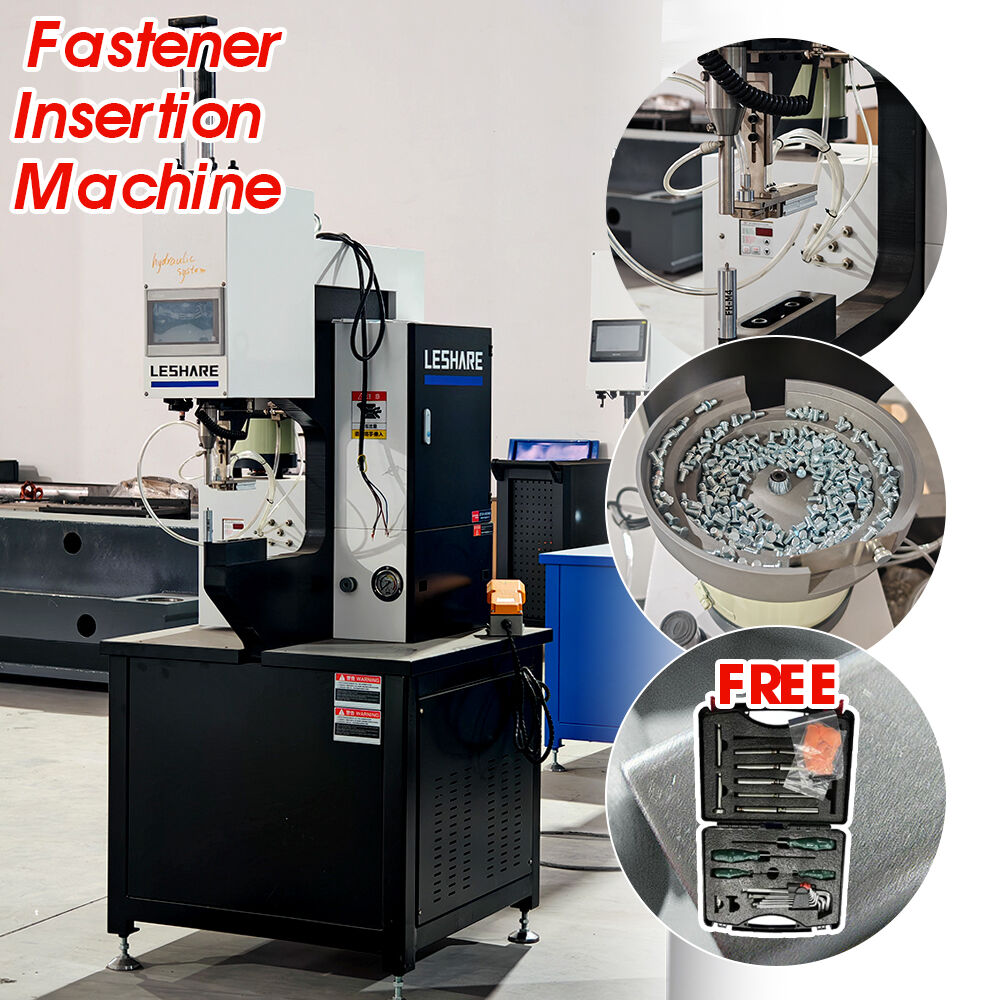
In modern manufacturing environments, a fastener insertion machine is a critical piece of equipment that dramatically accelerates production throughput and reduces manual labor. However, the same mechanical power and speed that makes this equipment so efficient also introduces real safety risks on the factory floor. Understanding which safety features matter most is not just a compliance checkbox — it is a fundamental responsibility for every production manager, safety officer, and factory owner who deploys this technology.
A fastener insertion machine operates under significant pneumatic or hydraulic force, often pressing fasteners such as nuts, studs, and standoffs into sheet metal, plastic panels, or composite assemblies at high cycle rates. Because operators work in close proximity to the press head and tooling, the risk of hand, wrist, and finger injuries is substantial without properly engineered safeguards. This article examines the safety features that carry the most weight when evaluating, purchasing, or auditing a fastener insertion machine for factory use.
Mechanical Guarding and Physical Barrier Systems
Fixed and Adjustable Guards Around the Press Zone
The press zone of a fastener insertion machine is where the highest concentration of force is applied, making it the most hazardous area during operation. Fixed guards — rigid enclosures bolted directly to the machine frame — provide a permanent physical barrier that prevents inadvertent access to the tooling area during a cycle. These guards should be engineered from durable materials such as steel or polycarbonate and should comply with applicable machinery safety standards to ensure they can withstand accidental impact without deforming.
Adjustable guards are also important because a fastener insertion machine frequently handles different part sizes and fastener types across production runs. An adjustable guard allows the barrier to be repositioned without completely removing protection, so the safety envelope adapts to the workpiece without exposing the operator to risk. Factories that run high-mix, low-volume production lines benefit significantly from this flexibility, as it eliminates the temptation to operate the machine without any guard in place simply because a particular guard configuration does not fit the current job.
Regular inspection schedules for all fixed and adjustable guards are a non-negotiable maintenance practice. A guard that has been bent, cracked, or improperly re-installed offers false security. Factory safety audits should include a dedicated checklist item verifying the integrity and correct positioning of every guard on each fastener insertion machine in the facility.
Two-Hand Control Requirements for Press Actuation
One of the most effective and widely recognized safety controls for any press-type machine is the two-hand control system. In a fastener insertion machine equipped with this feature, the operator must simultaneously press and hold two separated actuation buttons or palm buttons before the press head descends. The physical separation of the controls ensures that both of the operator's hands are away from the die area at the moment of actuation, making it mechanically impossible to have a hand under the press head while initiating a cycle.
The timing window between button presses is also critical. A properly designed two-hand control system on a fastener insertion machine requires both buttons to be activated within a narrow time window — typically 0.5 seconds or less — to prevent the operator from pressing one button, moving a hand into the danger zone, and then pressing the second button. Any system that allows a wider timing gap or that permits single-hand operation in a bypass mode should be considered non-compliant for factory safety purposes.
When evaluating a fastener insertion machine, buyers should confirm that the two-hand control system is certified to the appropriate standard, such as ISO 13851, and that the control circuitry is safety-rated rather than relying on a simple relay configuration that could fail in a dangerous manner. Certified safety-rated control systems are designed to detect faults and revert to a safe, non-operative state rather than continuing to cycle.
Electronic Safety Systems and Sensors
Light Curtains and Presence-Sensing Devices
Light curtains are photoelectric safety devices that project an invisible infrared barrier across the access point of the press zone on a fastener insertion machine. When any object — including a finger, hand, or tool — interrupts the light curtain while the machine is in a ready state, the system immediately halts the press cycle or prevents it from initiating. Light curtains provide a non-contact guarding solution that is particularly valuable when operators need frequent access to the work area, since they do not require physical opening and closing of a guard door for each part load.
The resolution of the light curtain determines the smallest object it can detect. For a fastener insertion machine used in environments where operators' fingers could enter the hazard zone, the curtain resolution should be fine enough to detect a finger intrusion — typically 14mm resolution or better. Installing a light curtain with insufficient resolution for the application creates a false sense of protection and should be avoided during machine specification.
Presence-sensing mats placed in front of the machine are a complementary layer of protection. These pressure-sensitive floor mats detect when an operator is standing in the defined safety perimeter and can be interlocked with the fastener insertion machine control system to restrict certain high-risk operations — such as a manual reset after a fault — unless the operator is confirmed to be in a safe position away from the tooling area.
Emergency Stop Systems and Safety-Rated Control Circuits
Every fastener insertion machine operating in a factory environment must be equipped with clearly labeled, easily accessible emergency stop buttons. These E-stops should be positioned at multiple points around the machine — including at the operator station and at any maintenance access point — so that any person in the vicinity can halt operation immediately without having to reach across or around the machine to find the control. Emergency stops must be of the latching type, meaning they remain engaged until deliberately reset by a qualified person, preventing the machine from automatically restarting after a safety interruption.
The control circuit architecture behind the E-stop is equally important. A safety-rated relay module or programmable safety controller should monitor the E-stop circuit on the fastener insertion machine in a redundant configuration, so that a single component failure does not silently disable the emergency stop function. Category 3 or Category 4 safety circuits, as defined by ISO 13849, provide the level of redundancy appropriate for machines with this class of hazard. Factories should request documentation of the safety circuit performance level when purchasing a new fastener insertion machine.
Pneumatic and Hydraulic Safety Controls
Pressure Relief and Over-Pressure Protection
A pneumatic fastener insertion machine generates its insertion force through compressed air, and the pressure levels involved — often ranging from several bar up to very high values for heavy-duty applications — represent a significant stored energy hazard. Pressure relief valves must be correctly sized and set to prevent the system from exceeding its rated operating pressure under any fault condition, including a blocked exhaust path or a malfunctioning pressure regulator. These valves should be tested periodically as part of the machine's preventive maintenance program.
Equally important is the exhaust safety valve, which is designed to vent the pneumatic circuit when the machine is de-energized or when an E-stop is triggered. On a properly designed fastener insertion machine, activating the emergency stop should simultaneously cut the pneumatic supply and exhaust any residual pressure from the actuator circuit, ensuring the press head cannot descend under stored pressure after the stop command is given. Machines that retain system pressure through the E-stop event present an unacceptable residual risk during tooling changes or jam clearance.
Lockout and Tagout Provisions
Lockout/tagout (LOTO) capability is a foundational safety requirement for any fastener insertion machine that requires maintenance, tooling changes, or jam clearance activities. The machine should have dedicated isolation points — clearly marked and easily accessible — for both the electrical power supply and the pneumatic supply. Each isolation point should accept a lockout hasp that allows multiple padlocks, enabling every technician working on the machine to apply their own lock before accessing the hazard zone.
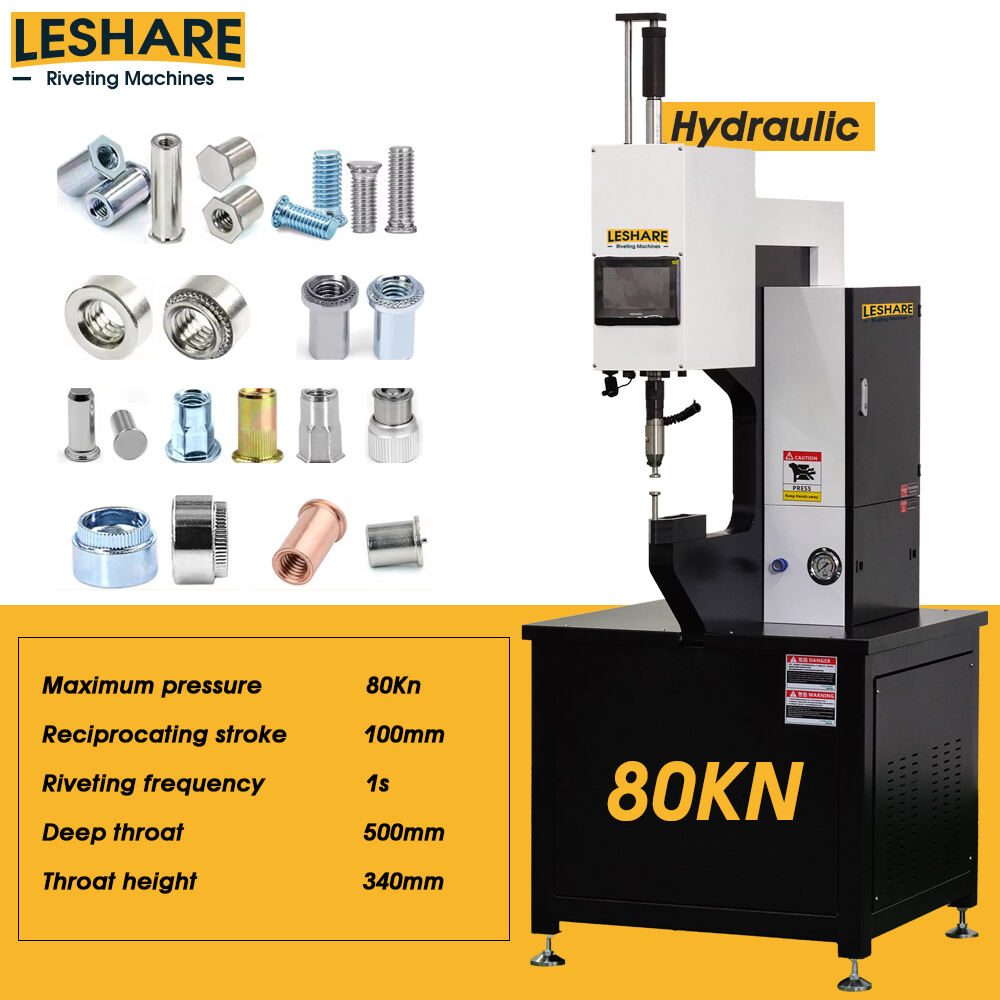
A fastener insertion machine that lacks properly designed LOTO provisions forces maintenance personnel to improvise solutions, which introduces error and increases injury risk. Factories should audit all machines for LOTO compliance before allowing any maintenance work to be performed, and the machine manufacturer or supplier should provide a detailed energy control procedure specific to the machine model as part of the commissioning documentation.
Operator Training, Ergonomics, and Workplace Integration
Structured Operator Certification and Ongoing Training
Even the best-engineered safety features on a fastener insertion machine can be defeated or bypassed by an untrained or complacent operator. Structured training programs that cover hazard recognition, correct machine operation, guard inspection, and emergency procedures are essential for every person who operates, sets up, or maintains the machine. Training should be documented, and operators should be reassessed periodically — not just at initial qualification — to ensure competency is maintained as procedures or tooling configurations change.
Training for a fastener insertion machine should also cover what to do when things go wrong: how to correctly clear a fastener jam without reaching into the tooling area, how to recognize and report a malfunctioning safety device, and when to escalate a concern to engineering or maintenance rather than attempting a field fix. A culture where operators feel empowered to stop production and report safety concerns is more valuable than any single hardware safeguard.
Ergonomic Design to Reduce Fatigue-Induced Risk
Operator fatigue is a significant and often underestimated contributor to workplace injuries involving a fastener insertion machine. When operators are uncomfortable, fatigued, or working in awkward postures, their reaction times slow, their attention drifts, and they are more likely to take shortcuts with safety controls. Ergonomically designed workstations — with adjustable work height, comfortable reach distances to the actuation controls, and adequate lighting over the work area — directly support safer operation throughout a full production shift.
Vibration and noise are also ergonomic concerns associated with a fastener insertion machine. Prolonged exposure to machine vibration transmitted through workstation surfaces, or to high-cycle impact noise, can contribute to cumulative physical strain and hearing damage. Isolating the machine on anti-vibration mounts, providing hearing protection in the work zone, and rotating operators across different tasks where practical are all measures that reduce long-term ergonomic risk while maintaining production efficiency.
When specifying a new fastener insertion machine, factory procurement teams should evaluate the ergonomic design of the operator interface alongside the machine's technical performance specifications. A machine that produces high cycle rates but generates excessive noise, vibration, or awkward operator posture will impose hidden costs through higher injury rates and reduced operator productivity over time.
FAQ
What is the most critical safety feature on a fastener insertion machine used in high-volume production?
In high-volume production, the two-hand control actuation system combined with a properly rated safety circuit is generally considered the most critical feature, as it provides a direct mechanical and electrical barrier against hand injuries during every single press cycle. Light curtains add an important supplementary layer, but the two-hand control addresses the primary point-of-operation hazard directly.
How often should the safety devices on a fastener insertion machine be inspected?
Safety devices on a fastener insertion machine should be functionally tested at the start of every production shift for dynamic components such as light curtains and emergency stops. Full documented inspections of all mechanical guards, pneumatic safety valves, and control circuit integrity should be conducted at least monthly, with a comprehensive safety audit performed annually or whenever a significant modification is made to the machine or its tooling setup.
Can a fastener insertion machine be safely operated without all of its original guards in place?
Operating a fastener insertion machine without all original guards in place is a serious safety violation in most jurisdictions and dramatically increases the risk of severe operator injury. If a guard must be temporarily removed for maintenance or tooling setup, the machine must be fully de-energized and locked out under a formal lockout/tagout procedure before any person enters the hazard zone. Production operation must never proceed with guards missing or defeated.
What role does operator training play compared to engineering controls on a fastener insertion machine?
Engineering controls — such as physical guards, light curtains, two-hand controls, and safety-rated circuits — are the primary layer of protection on a fastener insertion machine because they do not depend on operator behavior to function. Operator training is a critical supplementary layer that ensures personnel understand how to use these controls correctly, recognize when they are malfunctioning, and never bypass them under production pressure. The two layers work together, but engineering controls should never be replaced by training alone.
Table of Contents
- Mechanical Guarding and Physical Barrier Systems
- Electronic Safety Systems and Sensors
- Pneumatic and Hydraulic Safety Controls
- Operator Training, Ergonomics, and Workplace Integration
-
FAQ
- What is the most critical safety feature on a fastener insertion machine used in high-volume production?
- How often should the safety devices on a fastener insertion machine be inspected?
- Can a fastener insertion machine be safely operated without all of its original guards in place?
- What role does operator training play compared to engineering controls on a fastener insertion machine?