Inline Pneumatic Orbital Riveter - Advanced Industrial Fastening Solutions

Get a Free Quote

Our representative will contact you soon.
Email
Name
Company Name
Message
0/1000

inline pneumatic orbital riveter

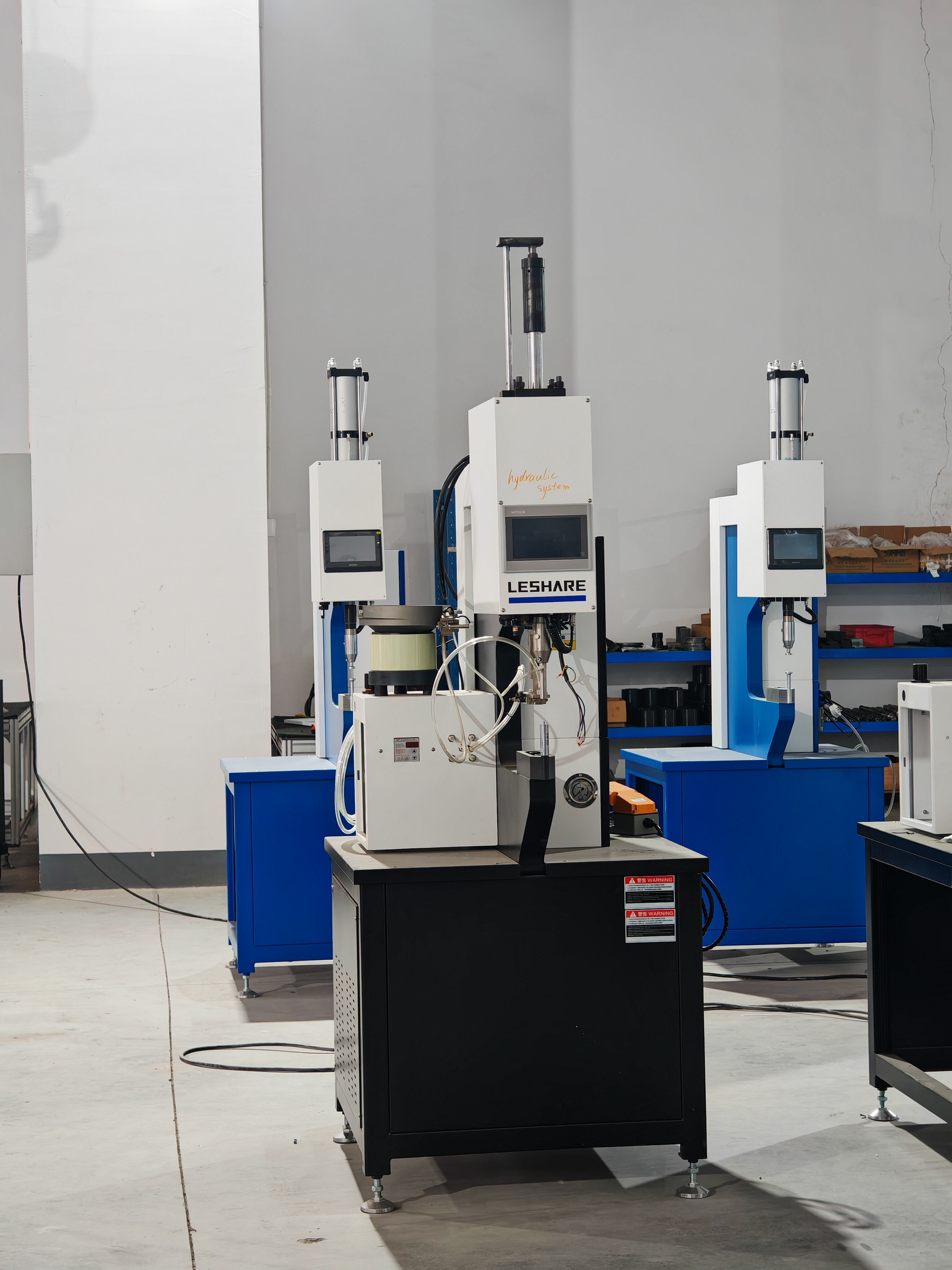
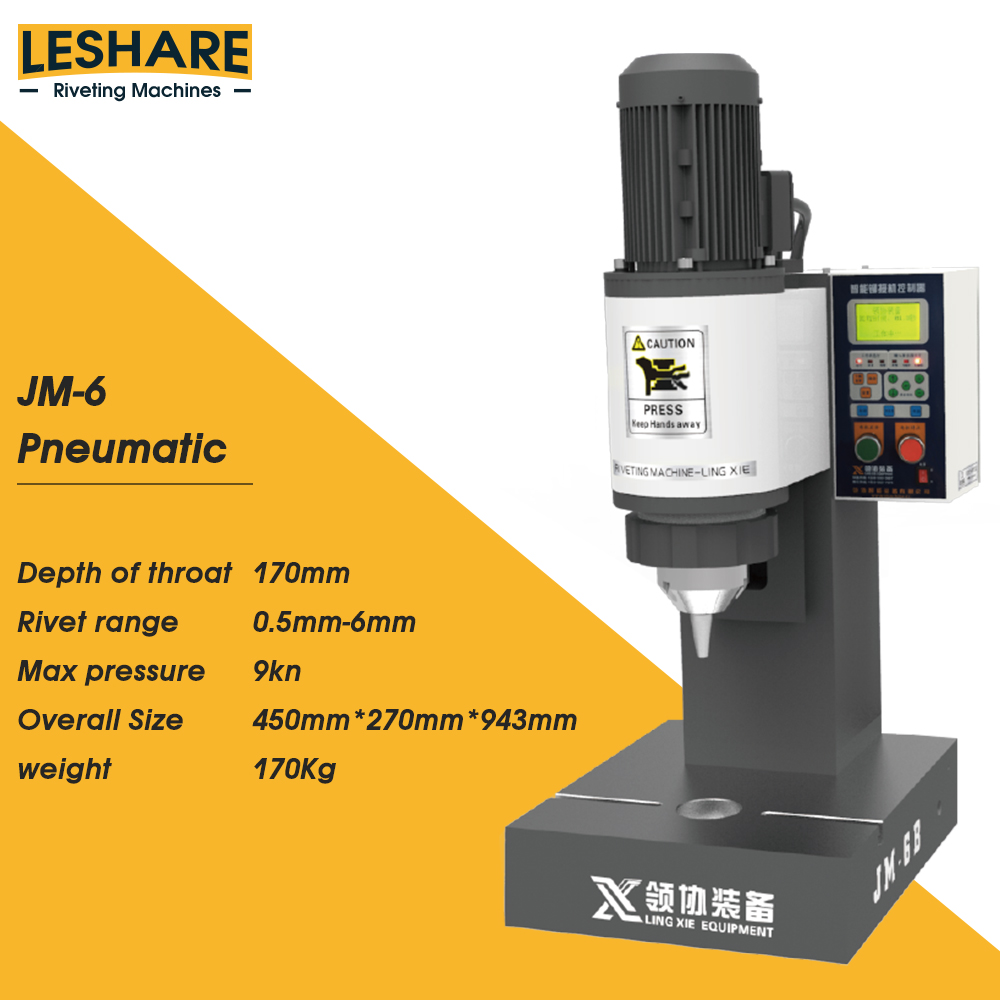
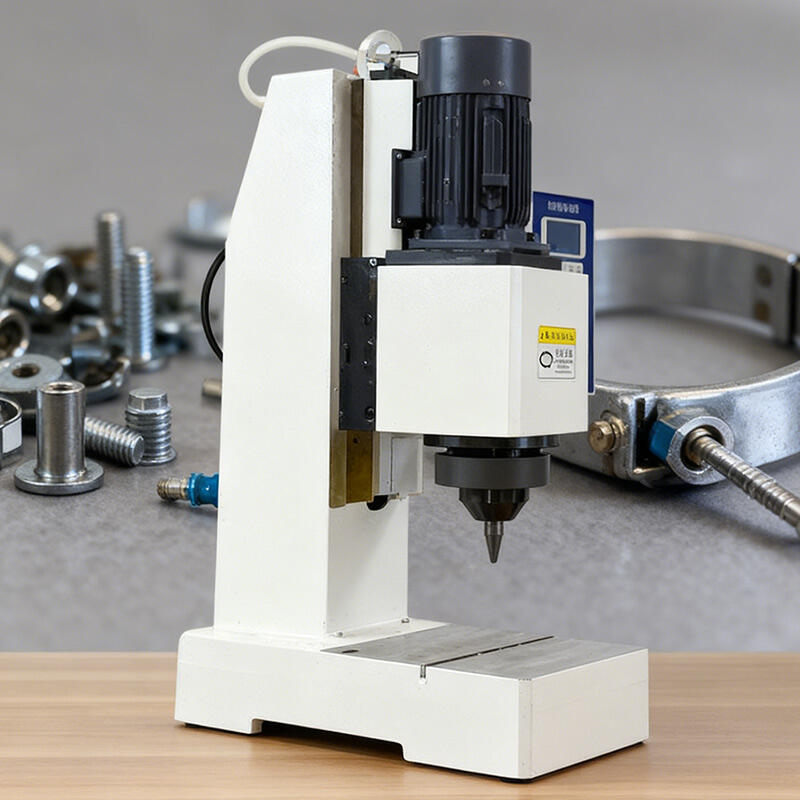
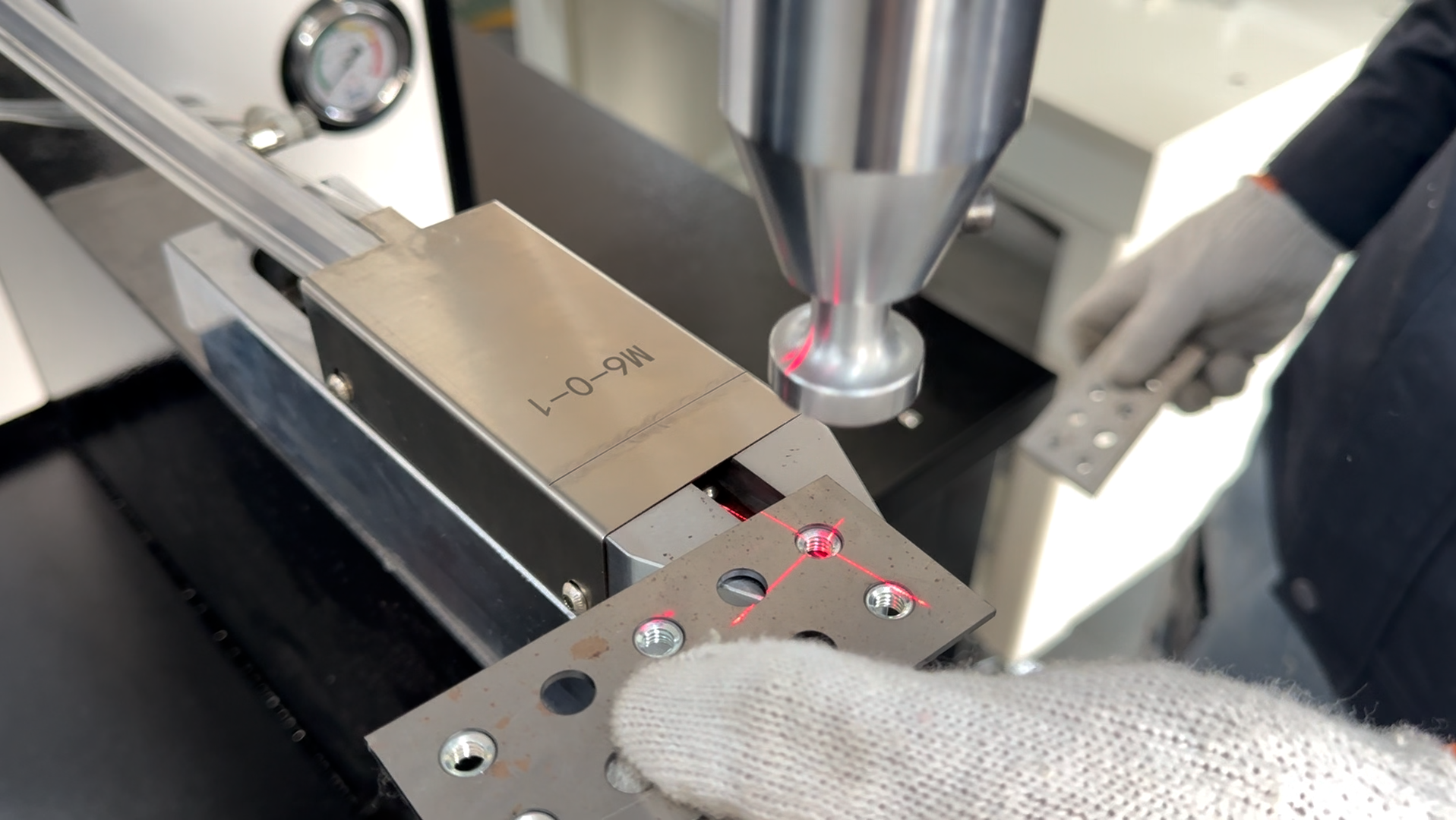
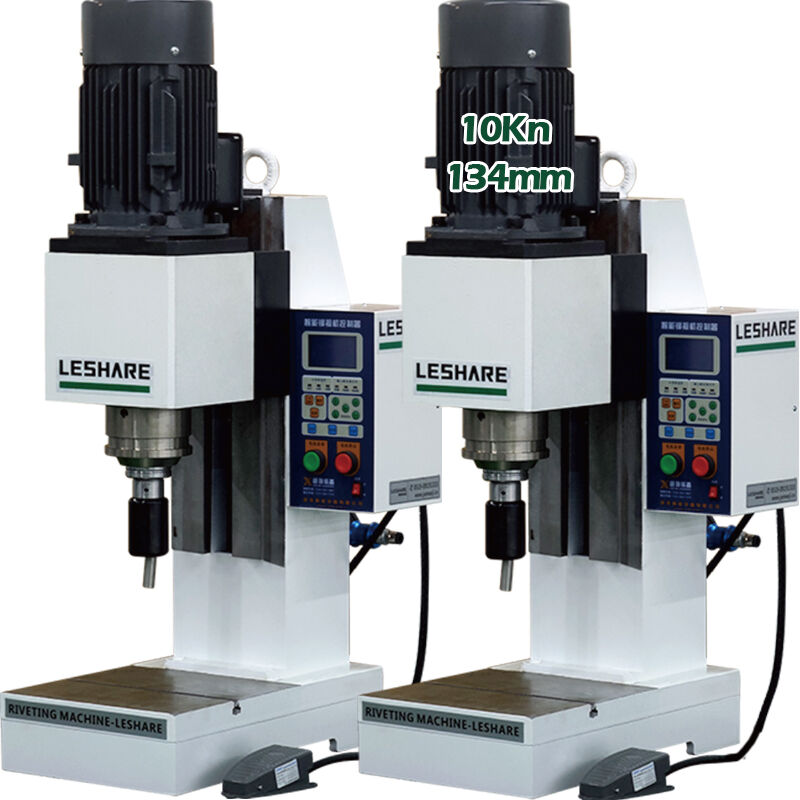
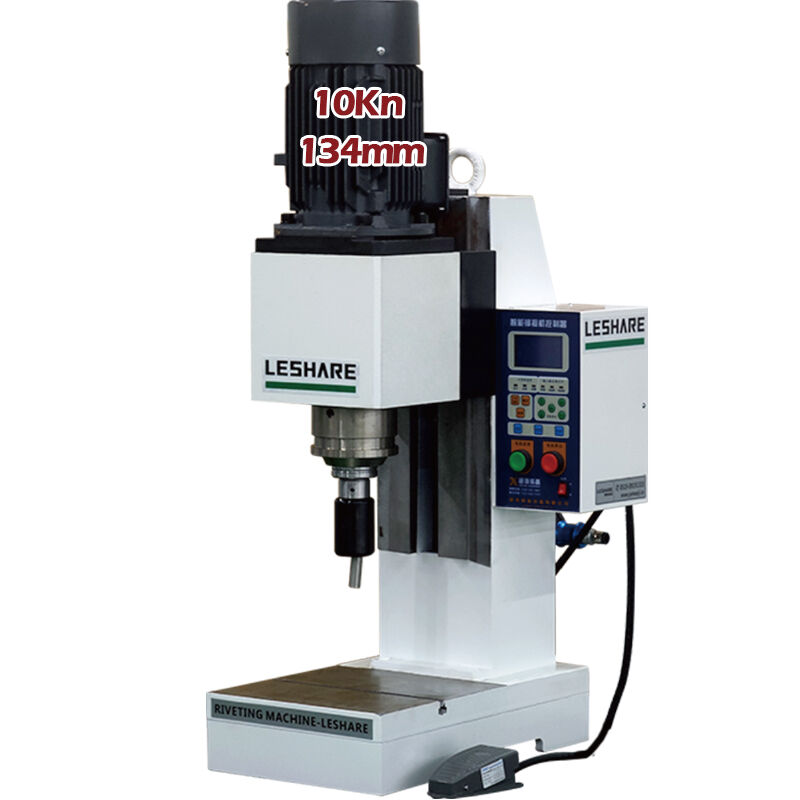
The inline pneumatic orbital riveter represents a sophisticated industrial fastening solution designed for high-performance riveting applications across diverse manufacturing sectors. This advanced tool combines pneumatic power delivery with orbital motion technology to create superior riveted joints with exceptional strength and consistency. The inline pneumatic orbital riveter operates through a unique mechanism that generates both rotational and oscillating movements, ensuring optimal rivet formation while minimizing material stress and deformation. The primary function of the inline pneumatic orbital riveter centers on creating permanent mechanical joints by deforming rivets through controlled force application. Unlike conventional riveting methods, this tool employs orbital motion to gradually shape the rivet tail, distributing stress evenly across the fastener and surrounding material. The pneumatic system provides consistent power delivery while maintaining precise control over the riveting process. Key technological features include variable speed controls that allow operators to adjust the orbital frequency based on material thickness and rivet specifications. The inline pneumatic orbital riveter incorporates advanced pressure regulation systems that maintain consistent force output throughout extended operation periods. Modern units feature ergonomic designs with reduced vibration transmission, enhancing operator comfort during prolonged use. The tool's inline configuration optimizes accessibility in confined spaces while providing excellent visibility of the work area. Applications for the inline pneumatic orbital riveter span numerous industries including aerospace manufacturing, automotive assembly, construction equipment production, and electronics enclosure fabrication. In aerospace applications, this tool creates critical structural joints that must withstand extreme environmental conditions and mechanical stresses. Automotive manufacturers utilize the inline pneumatic orbital riveter for assembling body panels, chassis components, and interior structures where traditional welding methods prove unsuitable. The construction industry benefits from this technology when fabricating structural steel components, architectural elements, and heavy machinery assemblies. Electronics manufacturers employ the inline pneumatic orbital riveter for creating EMI shielding enclosures and chassis assemblies where heat-sensitive components require cold joining processes.

New Product Releases

The inline pneumatic orbital riveter delivers numerous practical benefits that directly impact manufacturing efficiency and product quality for businesses across various industries. This advanced riveting technology significantly reduces cycle times compared to traditional hammer-style riveters while maintaining superior joint quality. The orbital motion mechanism creates stronger, more uniform connections by gradually forming the rivet head through controlled deformation rather than sudden impact forces. Operators experience reduced fatigue when using the inline pneumatic orbital riveter due to its smooth operation and minimal vibration transmission. The tool's ergonomic design allows for extended use without causing strain or discomfort, leading to improved productivity and reduced workplace injuries. This benefit translates directly into lower insurance costs and decreased downtime from repetitive stress injuries that commonly affect workers using conventional riveting equipment. Manufacturing quality improves dramatically with the inline pneumatic orbital riveter because the controlled orbital motion eliminates common defects associated with impact riveting. The gradual forming process prevents material cracking, hole elongation, and stress concentration that can compromise joint integrity. This results in fewer rejected parts, reduced rework costs, and enhanced customer satisfaction through improved product reliability. The consistent force application ensures uniform rivet head formation across entire production runs, eliminating variations that occur with manual hammering techniques. Cost savings accumulate through multiple channels when implementing the inline pneumatic orbital riveter in production environments. Reduced material waste results from fewer damaged components during assembly, while consistent joint quality minimizes warranty claims and field failures. The tool's durability and low maintenance requirements contribute to lower total ownership costs compared to traditional riveting equipment that requires frequent repairs and component replacements. Energy efficiency represents another significant advantage, as pneumatic operation consumes less power than electric alternatives while providing superior torque characteristics. The inline pneumatic orbital riveter adapts easily to various rivet sizes and materials through simple adjustment procedures, eliminating the need for multiple specialized tools. This versatility reduces equipment inventory costs and simplifies operator training requirements. Quick changeover capabilities minimize production downtime when switching between different product lines or rivet specifications. The tool's precision control allows for consistent results regardless of operator skill level, reducing dependency on highly trained technicians and enabling faster workforce scaling during peak production periods.

Latest News

How Does a Fastener Insertion Machine Improve Productivity in Metal Fabrication?

11

Dec

How Does a Fastener Insertion Machine Improve Productivity in Metal Fabrication?

In today's competitive metal fabrication industry, manufacturers are constantly seeking innovative solutions to enhance production efficiency while maintaining quality standards. A fastener insertion machine represents a revolutionary advancement tha...
View More
How can radial riveting machines reduce failure rates in mass production?

28

Jan

How can radial riveting machines reduce failure rates in mass production?

Manufacturing industries constantly seek solutions to minimize production failures and enhance product reliability. Radial riveting machines have emerged as a critical technology for achieving superior joint quality in mass production environments. T...
View More
How to implement lowspeed radial riveting in automated production lines?

26

Feb

How to implement lowspeed radial riveting in automated production lines?

Manufacturing excellence in modern production environments demands precision joining techniques that deliver consistent results while maintaining operational efficiency. Lowspeed radial riveting has emerged as a cornerstone technology for automated a...
View More
What Types of Fasteners Work with Insertion Machines?

18

Mar

What Types of Fasteners Work with Insertion Machines?

Insertion Machines play a critical role in today’s automated manufacturing environments, enabling precise, efficient, and repeatable installation of a wide range of fasteners. From sheet metal fabrication to automotive assembly lines, these mac...
View More

Get a Free Quote

Our representative will contact you soon.
Email
Name
Company Name
Message
0/1000

inline pneumatic orbital riveter

Superior Joint Strength Through Orbital Technology

Superior Joint Strength Through Orbital Technology

The revolutionary orbital motion technology employed by the inline pneumatic orbital riveter creates exceptionally strong mechanical joints that surpass traditional riveting methods in both durability and reliability. This advanced mechanism operates by combining rotational movement with controlled oscillation, generating a unique forming pattern that gradually shapes the rivet material without introducing harmful stress concentrations. The orbital action distributes deformation forces evenly across the rivet circumference, preventing the weak points and inconsistencies commonly associated with impact-style riveting tools. This controlled forming process results in joints that exhibit superior tensile strength, shear resistance, and fatigue life compared to conventional alternatives. The inline pneumatic orbital riveter achieves this enhanced performance through precise force modulation that adapts to material properties and thickness variations. Engineers benefit from the predictable joint characteristics that orbital technology provides, enabling more accurate structural calculations and reduced safety factors in critical applications. The consistent forming pattern eliminates variables that traditionally required extensive testing and quality control measures, streamlining the design and manufacturing process. Manufacturing companies experience significant reductions in field failures and warranty claims when implementing orbital riveting technology, as the superior joint integrity translates directly into improved product longevity. The technology proves particularly valuable in applications where joint failure could result in safety hazards or expensive repairs, such as aerospace structures, automotive safety systems, and industrial equipment assemblies. Quality assurance teams appreciate the reproducible results that orbital motion generates, as each rivet receives identical treatment regardless of operator technique or environmental conditions. This consistency enables statistical process control implementation and reduces inspection requirements throughout production runs. The enhanced joint strength provided by the inline pneumatic orbital riveter allows engineers to specify smaller or fewer fasteners in many applications, resulting in material cost savings and weight reduction benefits that prove especially valuable in aerospace and automotive industries where every gram matters.
Ergonomic Design for Enhanced Operator Comfort

Ergonomic Design for Enhanced Operator Comfort

The inline pneumatic orbital riveter incorporates advanced ergonomic principles that prioritize operator comfort and safety during extended production periods, addressing common workplace challenges associated with repetitive riveting operations. This thoughtful design approach significantly reduces operator fatigue while improving overall productivity and job satisfaction across manufacturing environments. The tool's balanced weight distribution eliminates the wrist strain and arm fatigue typically experienced with conventional riveting equipment, allowing operators to maintain consistent performance throughout entire work shifts. Vibration dampening technology integrated into the inline pneumatic orbital riveter minimizes harmful oscillations that can lead to long-term health issues such as hand-arm vibration syndrome. This protective feature represents a crucial advancement for industrial safety, as prolonged exposure to tool vibration has been linked to circulation problems, nerve damage, and reduced manual dexterity among manufacturing workers. The smooth orbital motion inherently generates less vibration than impact-style tools, while additional dampening elements further attenuate any remaining oscillations before they reach the operator's hands and arms. Grip design optimization ensures secure tool control without requiring excessive force, reducing hand fatigue and improving precision during riveting operations. The contoured handle accommodates various hand sizes and grip preferences while maintaining comfortable positioning during both horizontal and vertical work orientations. Non-slip surface treatments provide reliable grip even when operators wear protective gloves or work in environments with oil, coolant, or other lubricants present. The inline pneumatic orbital riveter features intuitive controls positioned for easy access without requiring grip adjustment or tool repositioning, streamlining operation and reducing cycle times. Trigger design incorporates variable pressure sensitivity that allows operators to modulate tool speed and force application with precise control, enhancing both comfort and work quality. The lightweight construction achieved through advanced materials and optimized design reduces the physical demands placed on operators while maintaining the structural integrity required for industrial applications. This weight reduction proves particularly beneficial during overhead work or in confined spaces where tool maneuverability becomes critical for both productivity and operator safety.
Versatile Applications Across Multiple Industries

Versatile Applications Across Multiple Industries

The inline pneumatic orbital riveter demonstrates remarkable versatility across diverse industrial sectors, providing specialized solutions for unique manufacturing challenges while maintaining consistent performance standards regardless of application demands. This adaptability stems from the tool's adjustable parameters and robust construction that accommodates various materials, rivet sizes, and joint configurations commonly encountered in modern manufacturing environments. Aerospace manufacturers rely heavily on the inline pneumatic orbital riveter for critical structural assemblies where joint integrity directly impacts flight safety and operational reliability. The tool's ability to create strong, lightweight connections proves essential for aircraft fuselage construction, wing assembly, and engine component fabrication where traditional welding methods might compromise material properties or introduce thermal distortion. The consistent joint quality achieved through orbital riveting technology meets stringent aerospace quality standards while reducing inspection requirements and manufacturing costs. Automotive production facilities utilize the inline pneumatic orbital riveter extensively throughout vehicle assembly processes, from body panel attachment to chassis component installation. The tool's speed and reliability support high-volume production requirements while maintaining the quality standards necessary for vehicle safety and durability. Cold joining capabilities prove particularly valuable when assembling dissimilar materials or heat-sensitive components that cannot withstand welding temperatures. Electronics manufacturing represents another significant application area where the inline pneumatic orbital riveter provides unique advantages for assembling enclosures, heat sinks, and shielding components. The tool's precise control prevents damage to sensitive electronic components while creating secure mechanical connections that maintain electrical continuity and electromagnetic compatibility. The absence of heat generation during the riveting process protects nearby components from thermal damage that could occur with welding or other high-temperature joining methods. Construction and architectural applications benefit from the inline pneumatic orbital riveter's ability to create durable connections in structural steelwork, decorative elements, and building system components. The tool's portability enables on-site assembly operations while maintaining the precision required for architectural applications where joint appearance and structural integrity must meet demanding specifications. Marine industry applications leverage the corrosion resistance advantages of mechanical fastening over welded joints, particularly in saltwater environments where weld integrity can deteriorate over time due to galvanic corrosion and stress concentration factors.

Get a Free Quote

Our representative will contact you soon.
Email
Name
Company Name
Message
0/1000