Advanced Servo Rotary Riveting Machine - Precision Industrial Fastening Solutions

Get a Free Quote

Our representative will contact you soon.
Email
Name
Company Name
Message
0/1000

servo rotary riveting machine

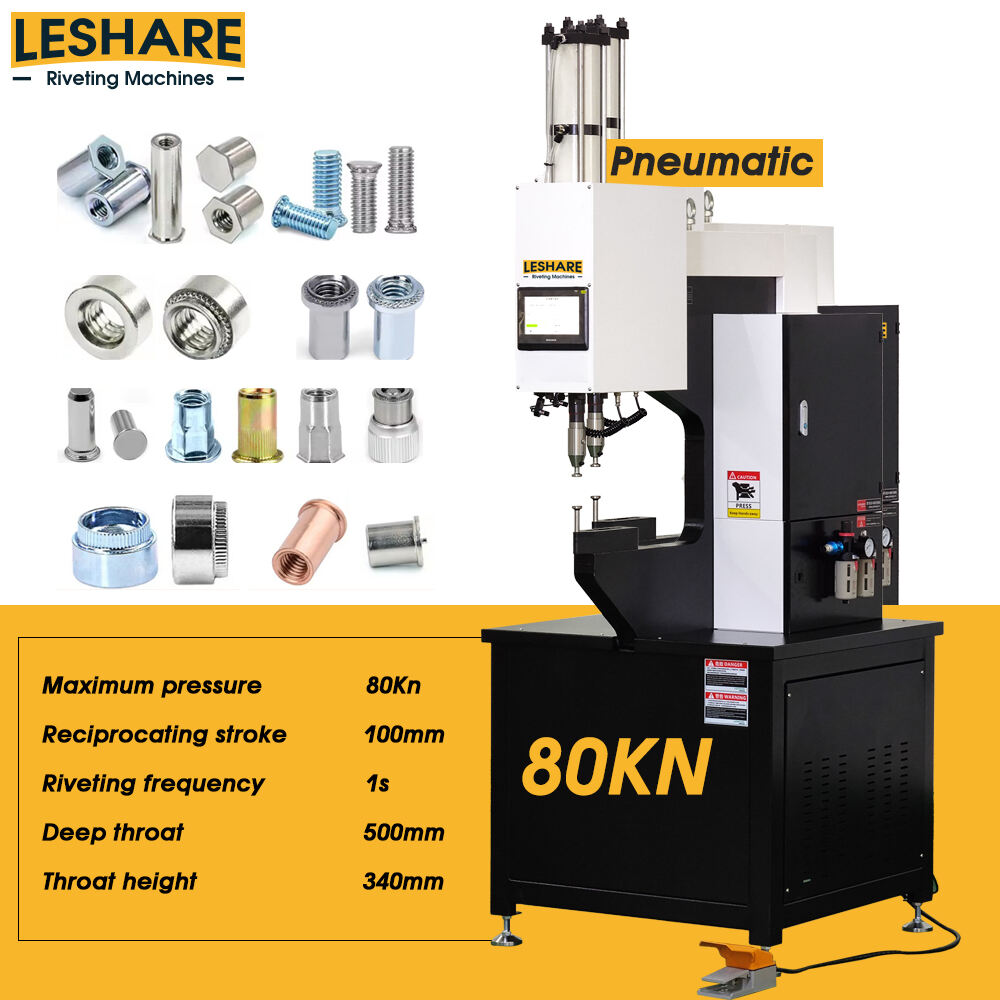
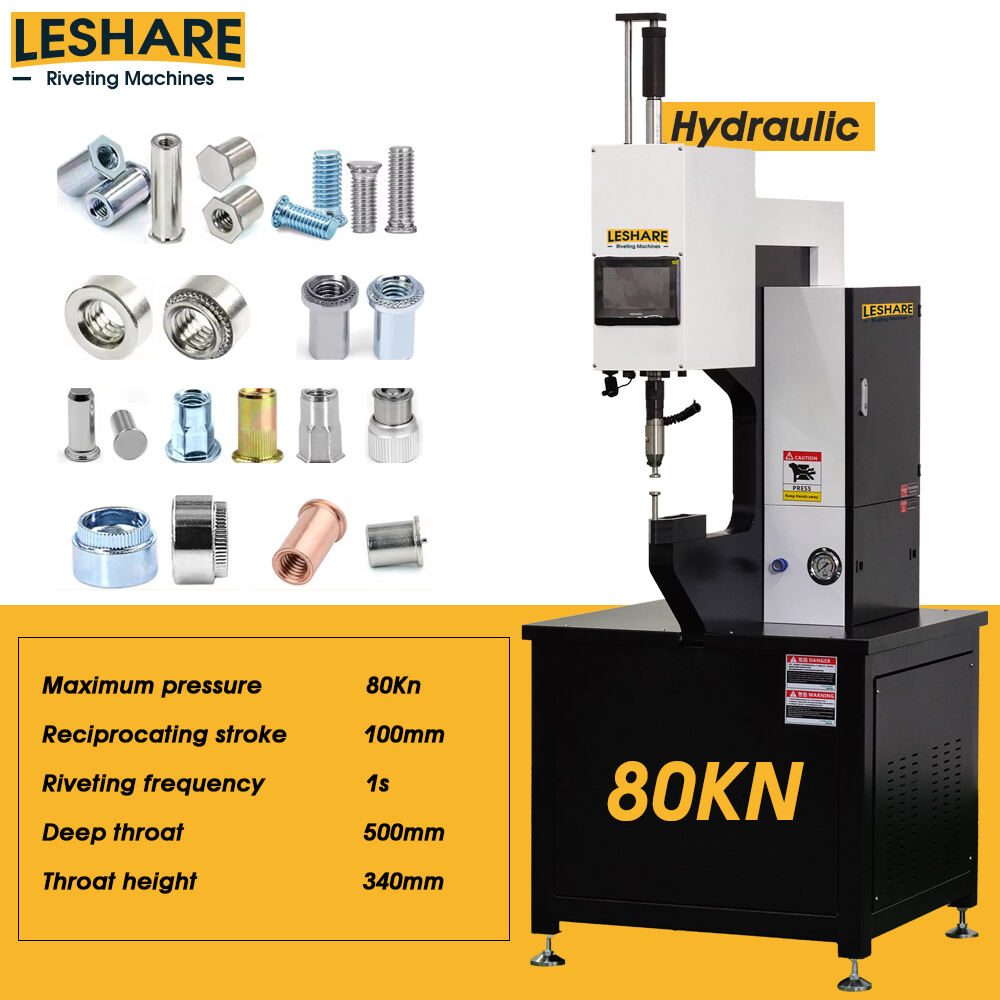
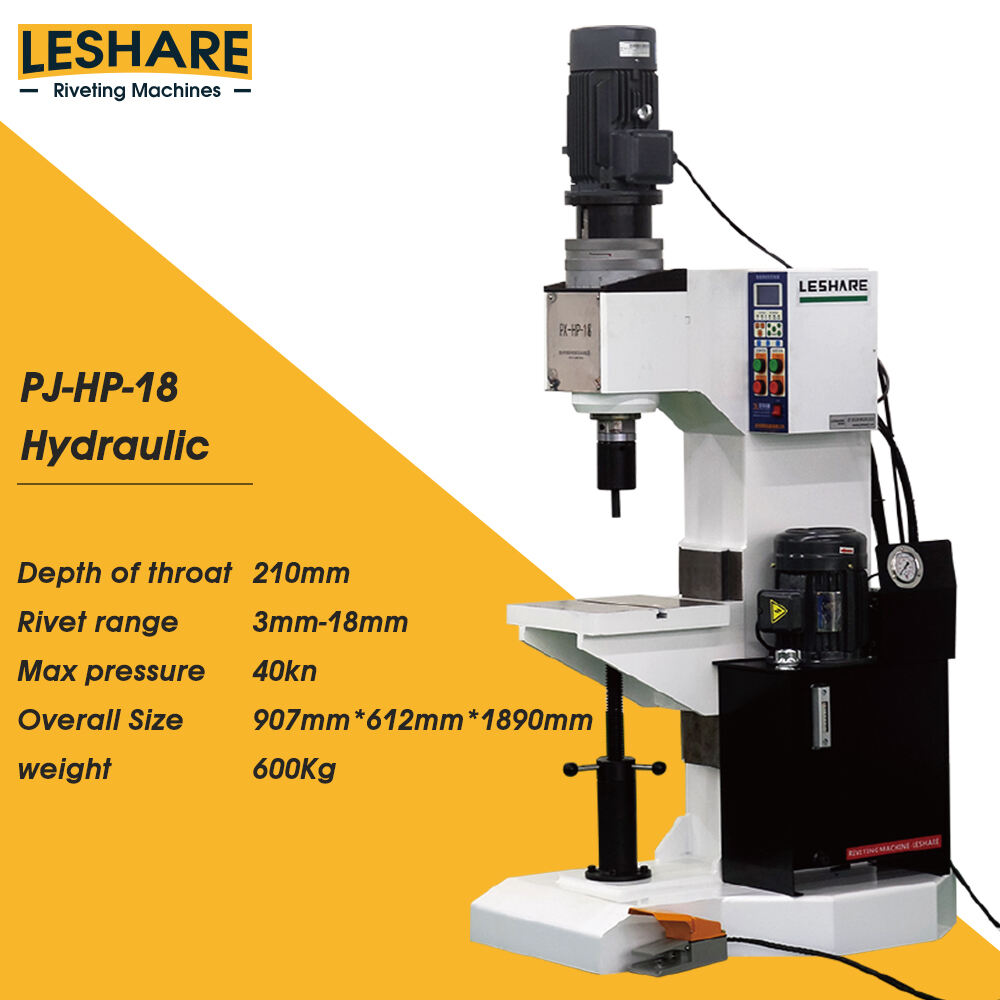
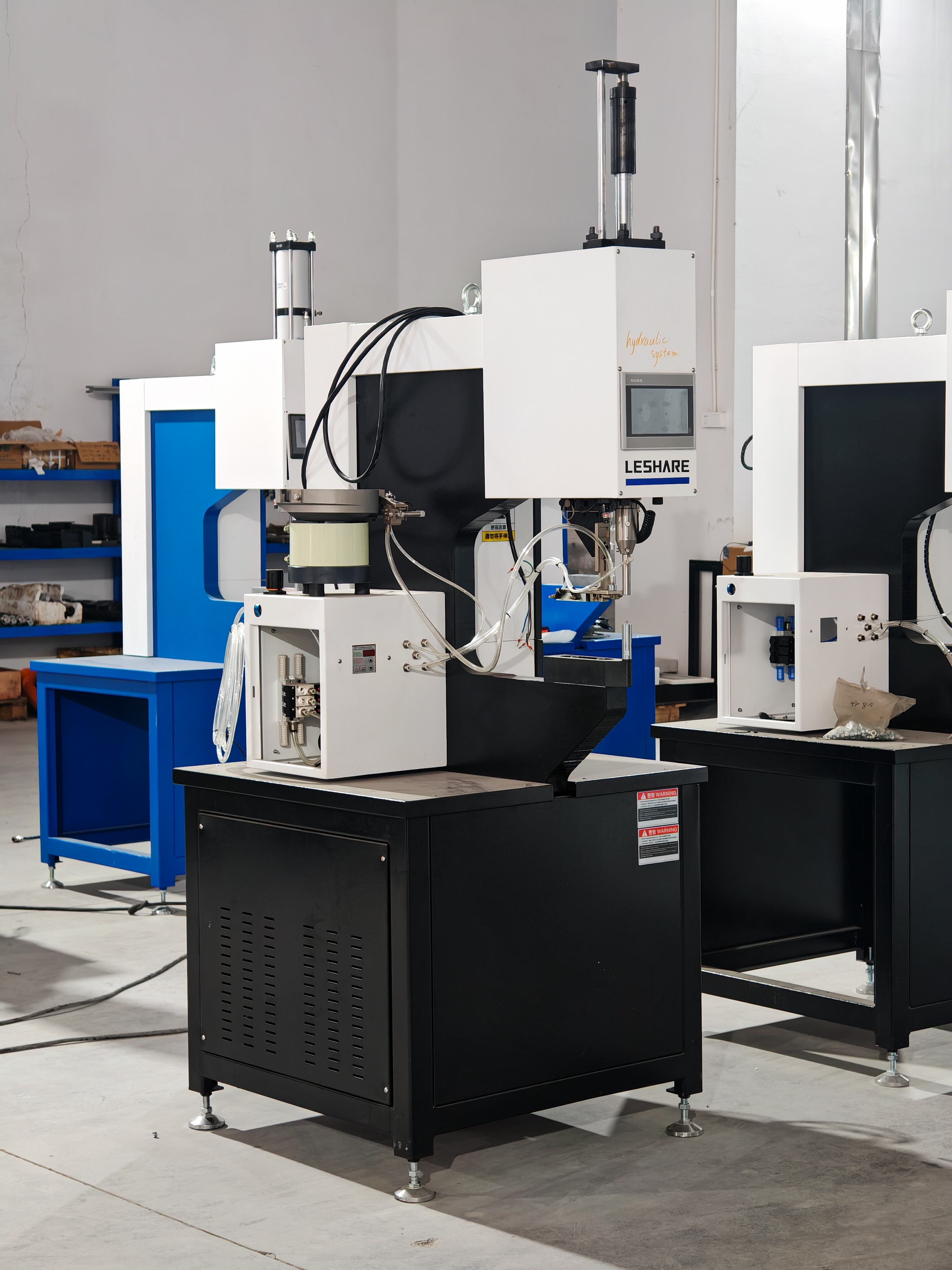
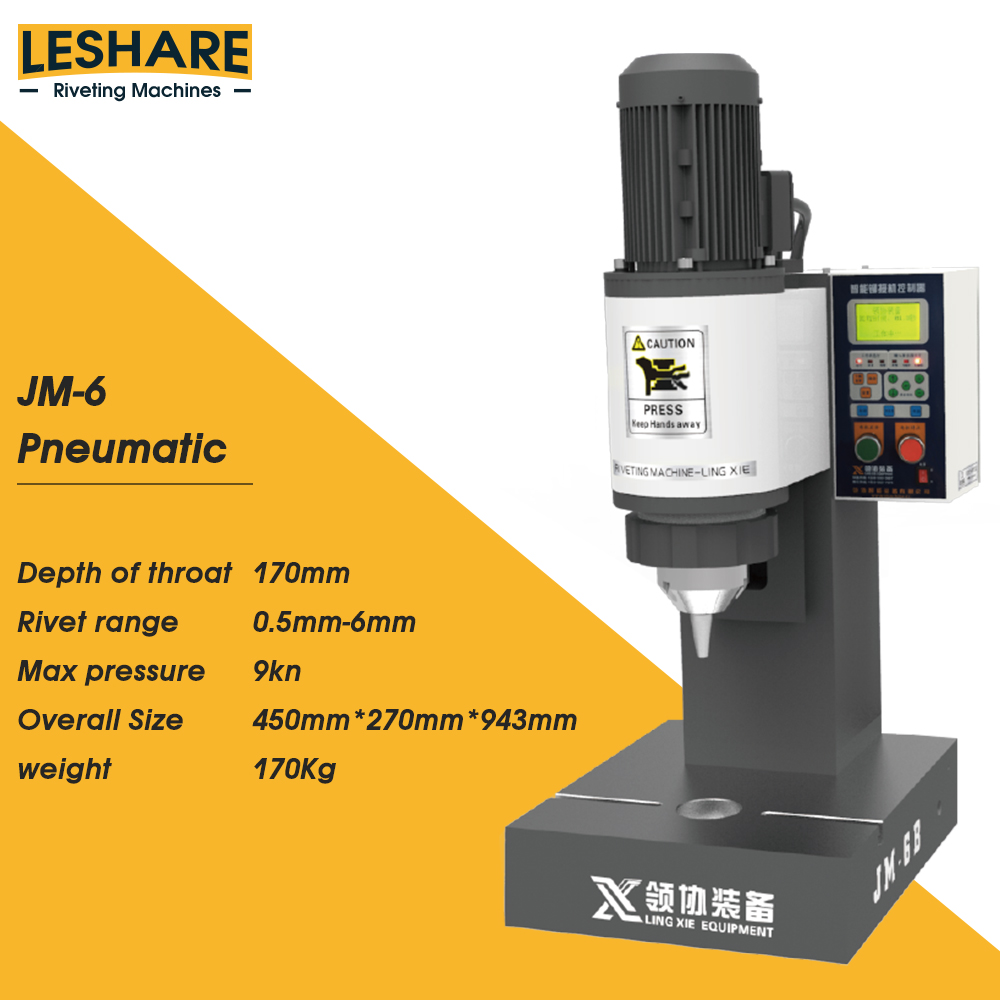
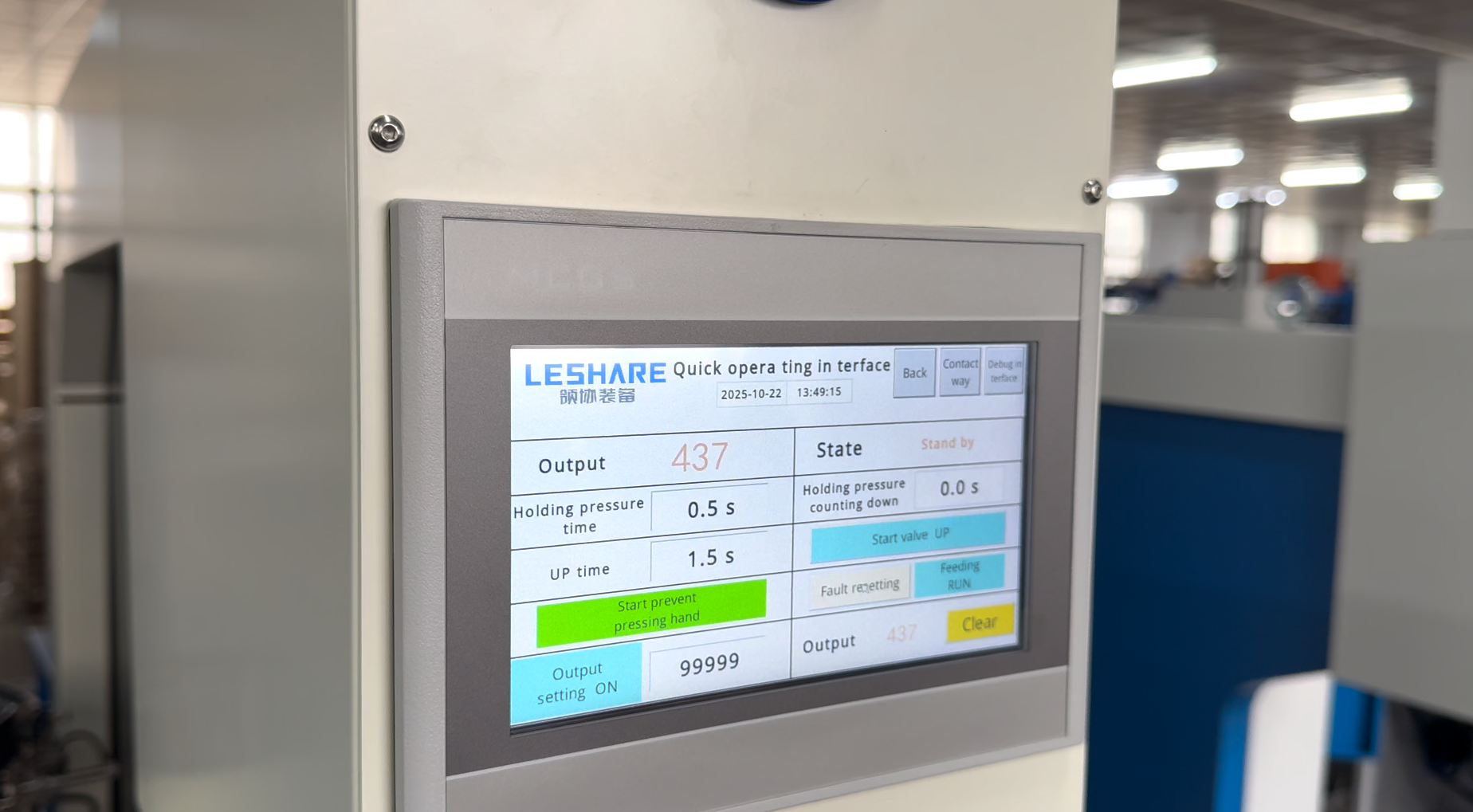
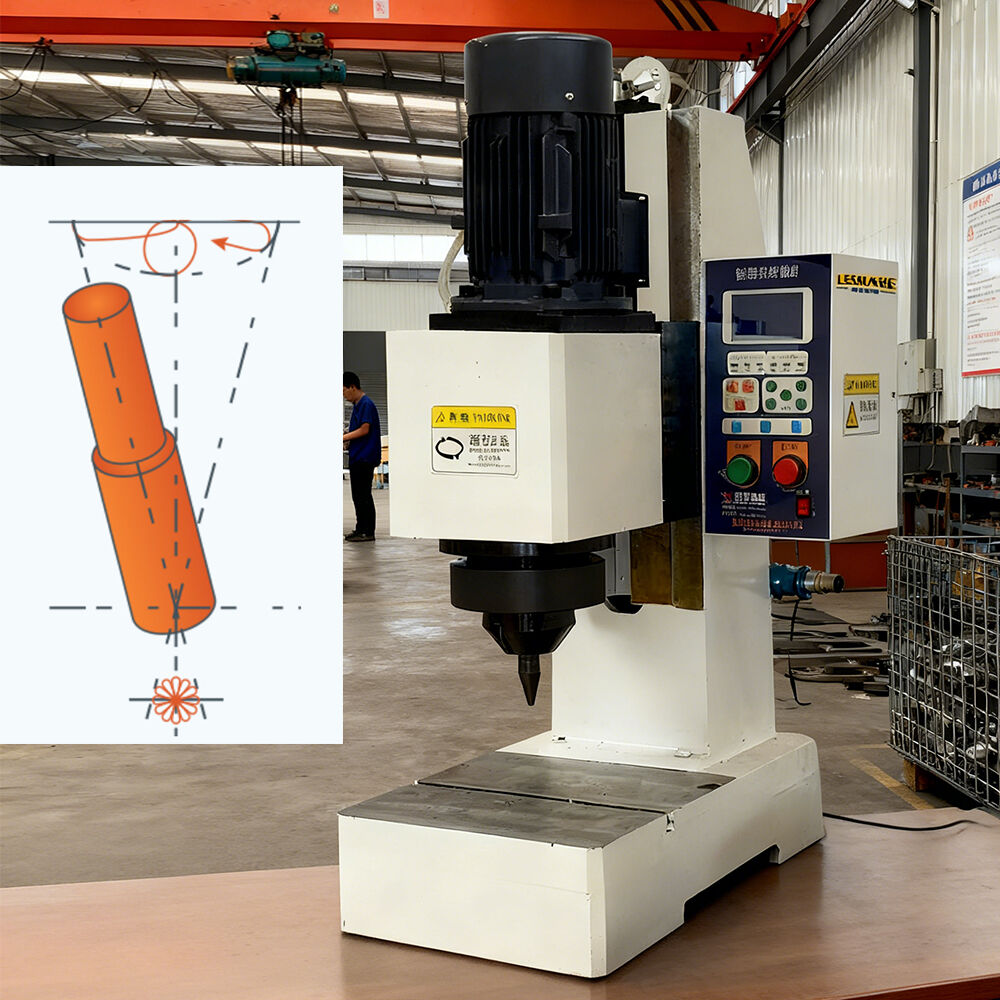
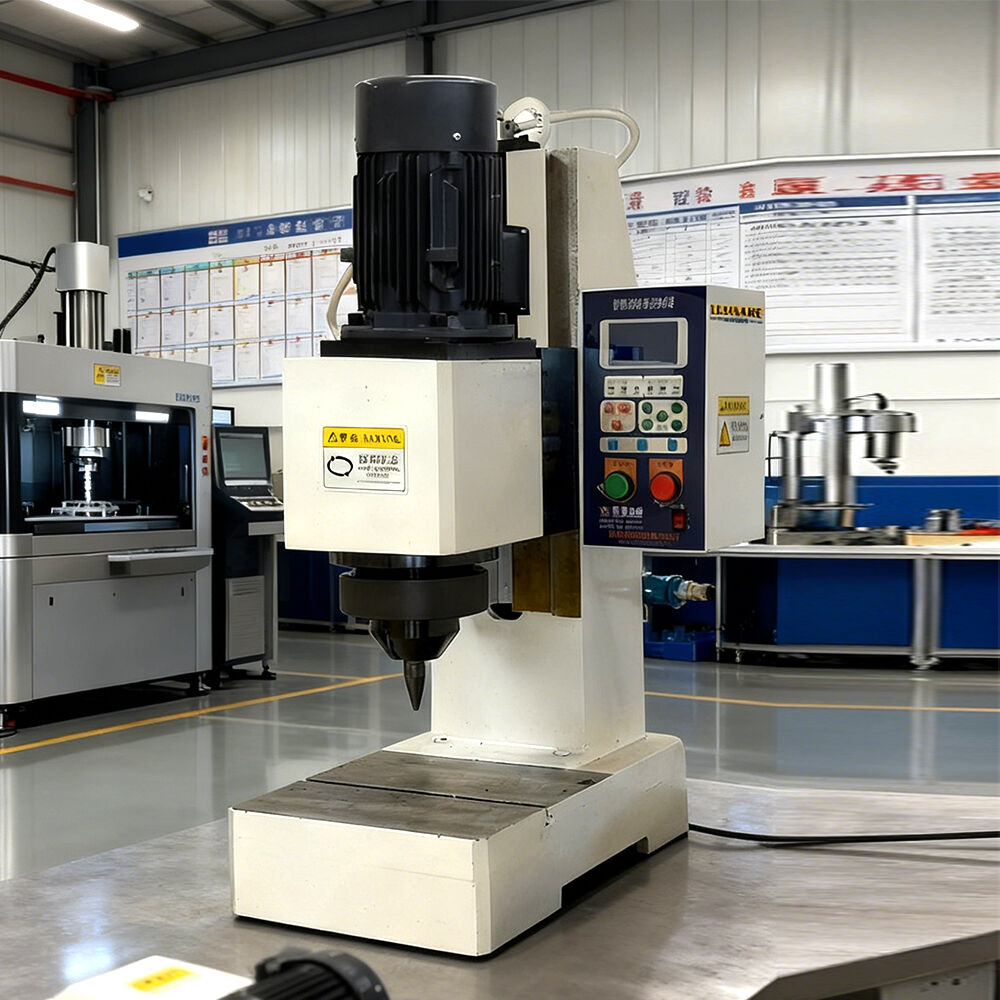
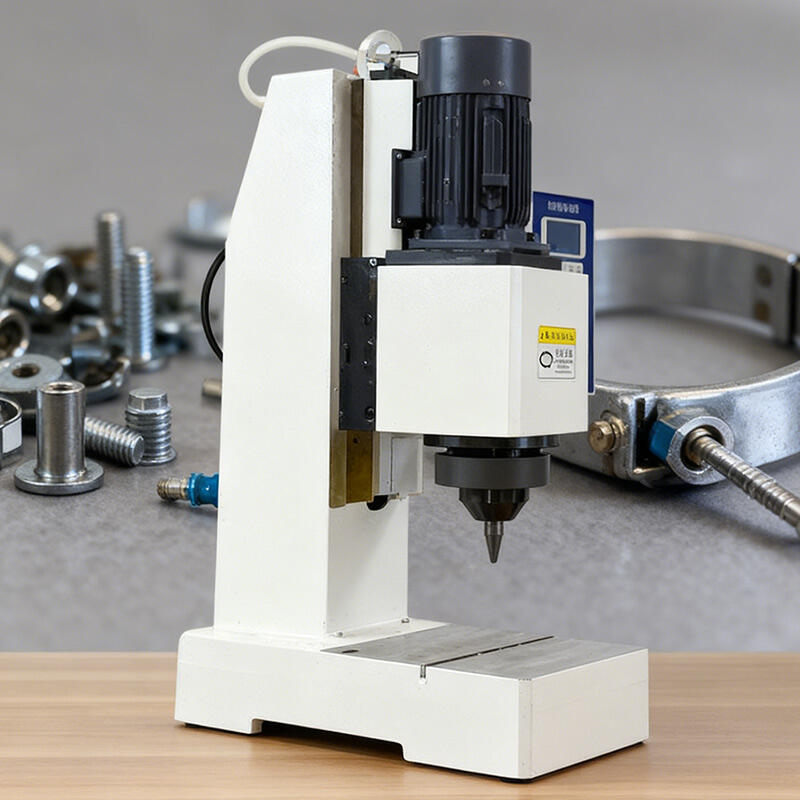
The servo rotary riveting machine represents a revolutionary advancement in industrial fastening technology, combining precision servo motor control with rotary riveting mechanisms to deliver exceptional performance across diverse manufacturing applications. This sophisticated equipment utilizes advanced servo-driven systems to provide unparalleled accuracy and consistency in riveting operations, making it an indispensable tool for modern production facilities. The servo rotary riveting machine employs a unique combination of rotational force and controlled pressure to create strong, permanent joints between materials without the need for pre-drilled holes. The primary function of this equipment centers on its ability to form solid connections through a specialized process that involves rotating the rivet while applying precise downward pressure, effectively deforming the rivet material to create a secure mechanical bond. The technological features of the servo rotary riveting machine include programmable servo motors that enable precise control over rotation speed, applied force, and positioning accuracy. These machines incorporate advanced feedback systems that monitor and adjust parameters in real-time, ensuring consistent results across production runs. The equipment features user-friendly interfaces with touchscreen controls, allowing operators to easily program different riveting parameters for various materials and applications. Modern servo rotary riveting machines also include safety features such as emergency stops, protective barriers, and automatic fault detection systems. Applications for this versatile equipment span numerous industries including automotive manufacturing, aerospace assembly, electronics production, appliance manufacturing, and metal fabrication. The servo rotary riveting machine excels in joining dissimilar materials, creating weatherproof seals, and producing high-strength connections in applications where traditional welding or mechanical fasteners prove inadequate. The machine's ability to work with various materials including aluminum, steel, plastic, and composite materials makes it particularly valuable in modern manufacturing environments where material diversity is common.

New Products

The servo rotary riveting machine delivers substantial benefits that directly impact manufacturing efficiency and product quality, making it a smart investment for forward-thinking companies. This advanced equipment significantly reduces production time compared to traditional joining methods, enabling manufacturers to increase output while maintaining superior quality standards. The precision control offered by servo technology eliminates the guesswork associated with manual riveting operations, resulting in consistent joint quality across entire production runs. Companies experience reduced material waste because the servo rotary riveting machine creates reliable connections on the first attempt, minimizing the need for rework or rejected parts. The equipment requires minimal operator training, allowing existing workforce members to quickly master its operation and become productive contributors to the manufacturing process. Energy efficiency stands out as another compelling advantage, as the servo rotary riveting machine consumes significantly less power than hydraulic or pneumatic alternatives while delivering superior performance. The machine operates with remarkably low noise levels, creating a more comfortable working environment and reducing the need for additional hearing protection measures. Maintenance requirements remain minimal due to the robust design and fewer moving parts compared to traditional riveting equipment, resulting in lower long-term operational costs and increased uptime. The servo rotary riveting machine adapts easily to different production requirements through programmable settings, allowing manufacturers to switch between product lines without extensive setup changes or tooling modifications. Quality control becomes more predictable and measurable, as the equipment provides detailed feedback on each riveting operation, enabling operators to identify and address potential issues before they affect product quality. The machine's compact footprint maximizes floor space utilization, particularly valuable in crowded manufacturing facilities where every square foot counts. Integration with existing production lines proves straightforward, thanks to standardized interfaces and flexible mounting options. The servo rotary riveting machine also supports lean manufacturing principles by reducing inventory requirements for fasteners, eliminating the need for consumable welding materials, and minimizing secondary operations such as drilling or deburring.

Tips And Tricks

Why Is a Fastener Insertion Machine Essential for Consistent Hardware Placement?

18

Dec

Why Is a Fastener Insertion Machine Essential for Consistent Hardware Placement?

Manufacturing precision has become the cornerstone of modern industrial production, where even the smallest components must be installed with exact accuracy and consistent quality. In today's competitive manufacturing landscape, companies are increas...
View More
How can radial riveting machines reduce failure rates in mass production?

28

Jan

How can radial riveting machines reduce failure rates in mass production?

Manufacturing industries constantly seek solutions to minimize production failures and enhance product reliability. Radial riveting machines have emerged as a critical technology for achieving superior joint quality in mass production environments. T...
View More
What Are the Key Benefits of Using a Fastener Insertion Machine?

18

Mar

What Are the Key Benefits of Using a Fastener Insertion Machine?

Manufacturing efficiency has become a critical factor for businesses seeking competitive advantages in today's industrial landscape. A fastener insertion machine represents a transformative solution that automates the precise placement of threaded in...
View More
What Maintenance Practices Extend Insertion Machine Life?

18

Mar

What Maintenance Practices Extend Insertion Machine Life?

The longevity of an insertion machine directly impacts manufacturing efficiency and total cost of ownership in automated assembly operations. These precision instruments require systematic care to maintain their operational integrity and deliver cons...
View More

Get a Free Quote

Our representative will contact you soon.
Email
Name
Company Name
Message
0/1000

servo rotary riveting machine

Precision Servo Control Technology

Precision Servo Control Technology

The servo rotary riveting machine incorporates state-of-the-art servo control technology that revolutionizes the way manufacturers approach joining operations. This advanced system provides unprecedented precision in controlling rotational speed, applied force, and positioning accuracy, ensuring every rivet creates a perfect connection. The servo motors respond instantly to programmed parameters, maintaining consistent performance throughout extended production runs while automatically compensating for material variations and environmental factors. This precision control eliminates the inconsistencies common with pneumatic or hydraulic systems, where pressure fluctuations and mechanical wear can compromise joint quality. Operators can program specific parameters for different materials, thicknesses, and joint requirements, with the servo rotary riveting machine storing multiple recipes for quick changeovers between product lines. The system's feedback mechanisms continuously monitor performance, providing real-time data on force application, rotation speed, and cycle completion, enabling proactive quality management and process optimization. This level of control significantly reduces the learning curve for operators while eliminating the skill variations that traditionally affect riveting quality. The precision servo control also extends equipment lifespan by preventing overload conditions and reducing mechanical stress on components. Manufacturers benefit from predictable cycle times, consistent energy consumption, and reliable performance metrics that support lean manufacturing initiatives. The technology enables the creation of joints in challenging applications where traditional methods fail, including delicate electronic assemblies, lightweight aerospace components, and multi-material combinations that require precise force control to prevent damage. The servo rotary riveting machine's ability to maintain exact specifications across thousands of cycles makes it ideal for high-volume production environments where consistency directly impacts product reliability and customer satisfaction.
Versatile Material Compatibility

Versatile Material Compatibility

The exceptional material compatibility of the servo rotary riveting machine makes it a versatile solution for diverse manufacturing challenges across multiple industries. This equipment successfully joins dissimilar materials that traditionally pose significant challenges for conventional fastening methods, including aluminum to steel, plastic to metal, and composite materials to traditional substrates. The controlled rotary action creates mechanical bonds that accommodate different thermal expansion rates, material hardness variations, and surface textures without compromising joint integrity. Unlike welding processes that can damage heat-sensitive materials or create brittle zones, the servo rotary riveting machine forms connections through mechanical deformation that preserves the base material properties. This capability proves particularly valuable in automotive applications where manufacturers combine lightweight aluminum panels with high-strength steel structures, creating weight savings without sacrificing structural performance. The machine handles various material thicknesses within a single joint, accommodating manufacturing tolerances and design requirements that would challenge other joining methods. Electronic applications benefit from the equipment's ability to create secure connections without electromagnetic interference or thermal damage to sensitive components. The servo rotary riveting machine works effectively with coated materials, maintaining surface finishes while creating strong mechanical bonds that resist corrosion and environmental degradation. Composite materials, increasingly common in aerospace and automotive applications, respond well to the controlled pressure and rotation characteristics of this equipment, avoiding delamination or fiber damage that can occur with other joining methods. The machine's flexibility extends to joint configurations, creating connections in tight spaces, curved surfaces, and complex geometries where access limitations restrict other fastening options. This material versatility reduces inventory requirements for manufacturers, as the servo rotary riveting machine can handle multiple joining applications with a single piece of equipment, simplifying production planning and reducing capital equipment investments.
Enhanced Production Efficiency

Enhanced Production Efficiency

The servo rotary riveting machine dramatically enhances production efficiency through multiple interconnected benefits that compound to create significant competitive advantages for manufacturing operations. Cycle times decrease substantially compared to traditional joining methods, with typical operations completing in seconds rather than minutes, enabling higher throughput without compromising quality standards. The equipment operates continuously with minimal downtime, as the robust servo technology requires significantly less maintenance than pneumatic or hydraulic alternatives, while the simplified mechanical design reduces wear points and failure modes. Setup times between product changeovers decrease dramatically through programmable parameters that eliminate manual adjustments and reduce operator intervention, supporting flexible manufacturing strategies and smaller batch production. The servo rotary riveting machine integrates seamlessly with automated production lines, accepting signals from upstream processes and providing feedback to downstream operations, enabling lights-out manufacturing capabilities that maximize equipment utilization. Quality control becomes proactive rather than reactive, as the equipment provides real-time monitoring of critical parameters, alerting operators to potential issues before they result in defective products or equipment damage. Labor efficiency improves through simplified operation that requires minimal training while reducing operator fatigue associated with manual riveting operations, resulting in more consistent performance throughout shifts. Energy costs decrease significantly due to the servo motor's precise power delivery, consuming energy only when needed and eliminating the constant pressure requirements of pneumatic systems or the heat losses associated with hydraulic equipment. The machine's compact design and efficient operation reduce facility requirements, lowering overhead costs while improving floor space utilization for other value-added activities. Documentation and traceability capabilities built into modern servo rotary riveting machines support quality management systems and regulatory compliance requirements, eliminating manual record-keeping while providing detailed process history for each joint created. These efficiency gains translate directly to improved profitability through reduced production costs, increased capacity utilization, and enhanced product quality that commands premium pricing in competitive markets.

Get a Free Quote

Our representative will contact you soon.
Email
Name
Company Name
Message
0/1000